

Mole Removal in Malaysia: Causes, Procedures, and Safety Tips

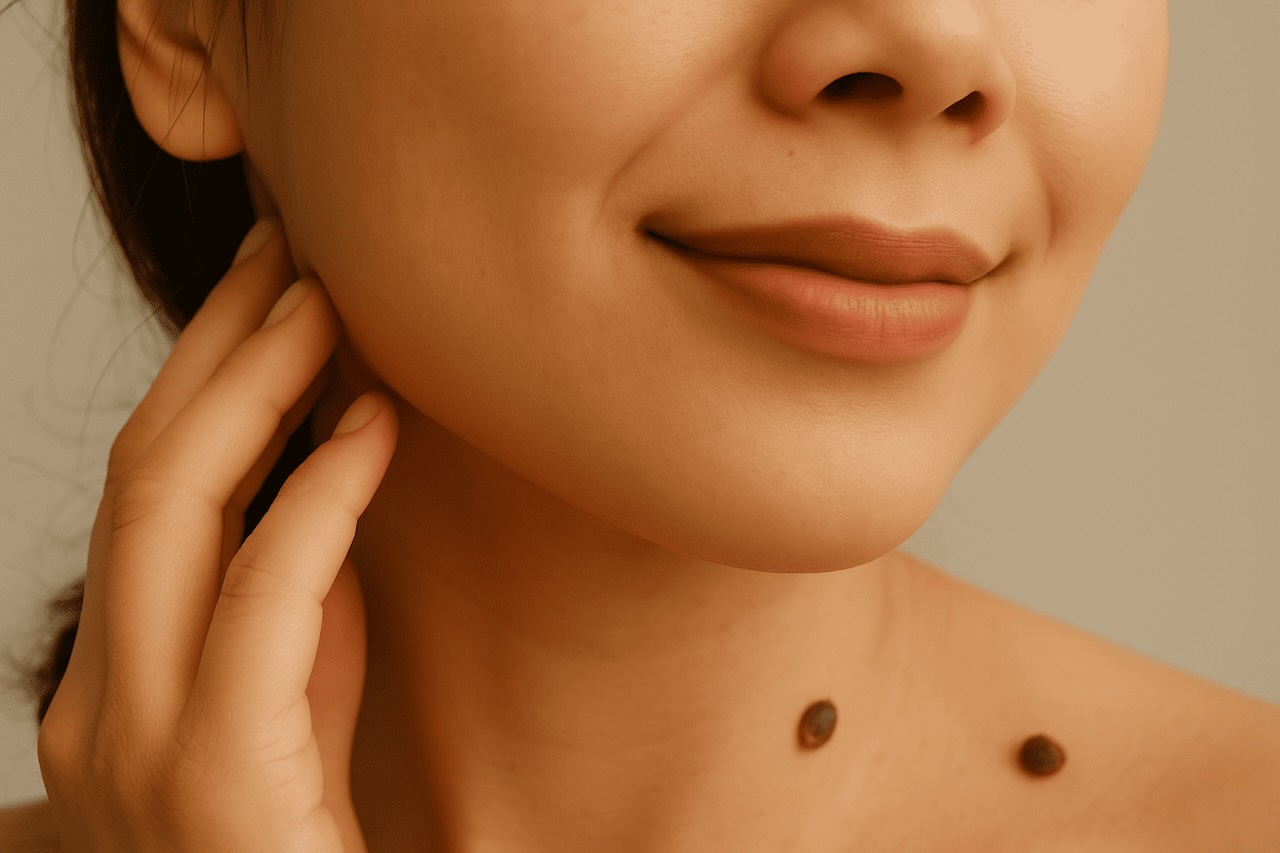
Mole removal is a medical procedure in which a healthcare provider, typically a dermatologist, shaves or cuts a mole from the skin. It is generally a quick, outpatient procedure. While the area is numbed, the procedure itself should not cause pain, though some stinging or burning may be experienced for a few days afterwards.
Reasons for Mole Removal

The most important reason for mole removal is to test for skin cancer or precancerous conditions. Your healthcare provider may recommend removing a mole if it looks suspicious or atypical (also called dysplastic). If the removed mole is found to be cancerous (malignant) and removed with clear margins (the area around the mole), the procedure may serve as a curative treatment for skin cancer that has not yet spread.
However, moles can also be removed for cosmetic reasons if you are unhappy with their location or appearance, or if they become irritated by clothing. It’s important to discuss any concerns with a medical professional.
Identifying Suspicious Moles
Most moles are harmless and do not require treatment. However, it is crucial to regularly check your moles for changes. You should contact your healthcare provider if a mole:
- Is painful or itchy.
- Bleeds, has discharge, or is crusty.
- Grows or changes shape.
- Has irregular sides (not round or oval).
- Appears after you are 30 years old.
- Is asymmetrical, has irregular borders, is not uniform in colour, or has a diameter larger than a pencil eraser. These are often referred to as the ABCDEs of mole checks.
Professional Mole Removal Procedures
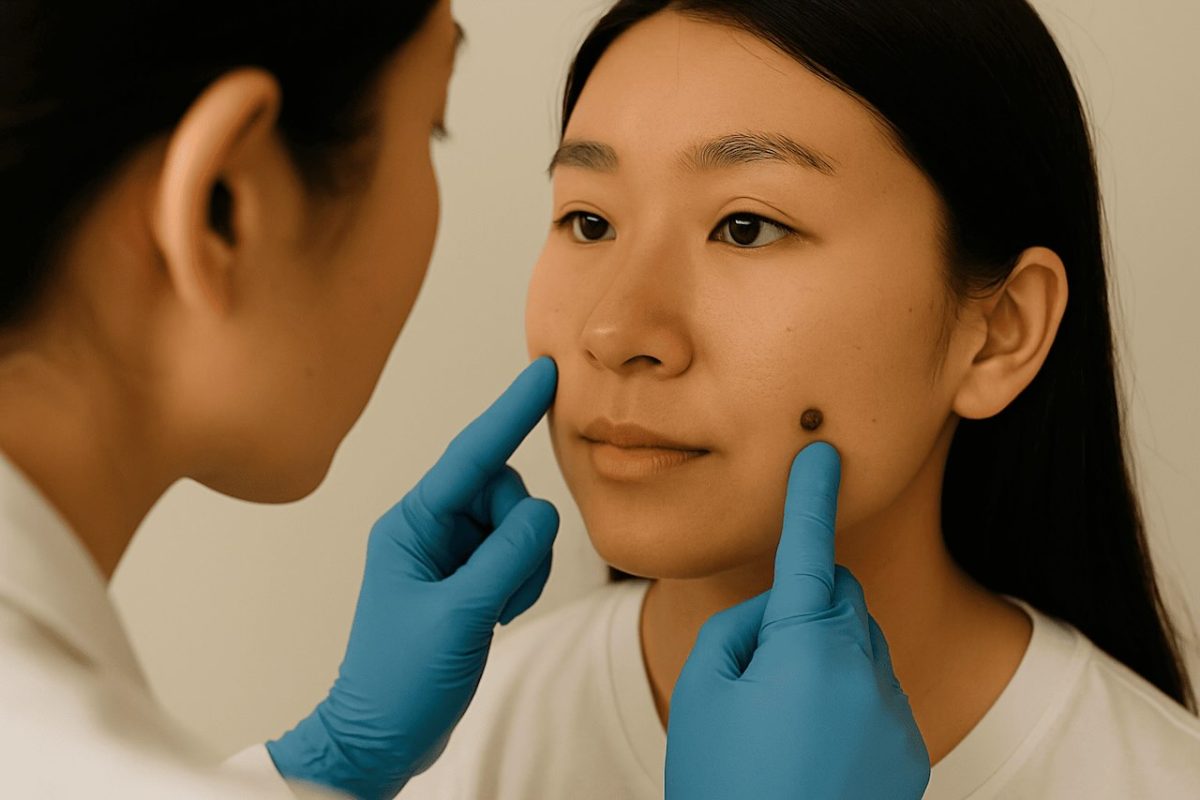
Mole removal is performed by a medical professional, such as a dermatologist, often during a routine office visit. Before the procedure, your healthcare provider will inspect your skin, potentially take pictures, and use a dermoscope for a closer look. They will then mark and clean the area, and apply or inject numbing medicine (anaesthetic).
1. Surgical Excision
Surgical excision is a very common technique. After numbing the area, a surgeon uses a scalpel to completely cut out the mole, often taking a margin of healthy skin around it to ensure all atypical cells are removed, especially if cancer is suspected. The mole is then lifted away, and bleeding is controlled, often by pressure or burning (cauterisation), before the area is stitched closed.
2. Shave Excision
In this common technique, a healthcare provider uses a surgical blade or razor to carefully shave the mole off to the level of the surrounding skin. The area around the removed mole may be lightly burned to improve the appearance of the scar after healing.
There are variations:
- Superficial Shave Removal: Only the raised portion of the mole is removed. This usually provides the best cosmetic result, leaving a flat area that may retain some colour but appears more like a freckle.
- Deep Shave Removal: This goes deeper than a superficial shave. While less likely to recur, it often results in a more noticeable, depressed scar (like a ‘divot’) that may be lighter in colour than the surrounding skin.
Aftercare and Recovery
Following mole removal, your healthcare provider will typically apply petroleum jelly to the area and cover it with a bandage. It is important to keep the wound clean, moist (with petroleum jelly), and covered, changing the dressing daily or as instructed. Healing typically takes two to three weeks, depending on your overall health and the mole’s size.
You should be able to resume daily activities immediately, though you might experience some soreness. After the area has healed, always apply sunscreen to prevent sun damage when it is exposed.
Learn more: Laser treatments for hyperpigmentation
Risks and Complications
Mole removal performed by a dermatologist in their office is generally a low-risk procedure. However, like all medical procedures, there are potential risks, including:
- Bleeding.
- parut, which may or may not be noticeable. People with darker skin tones may be at increased risk of pigmentary changes and raised keloid scars.
- Infection.
- Nerve damage (more common with deeper excisions).
- The mole may recur (grow back).
Most moles removed by dermatologists are permanently removed. If a mole does grow back after healing, you should contact your healthcare provider.
Learn more: Non-invasive facial lifting options
Why At-Home Mole Removal is Harmful
It is crucially important to never attempt to remove moles yourself using “do-it-yourself” methods or products marketed online or in pharmacies. These methods are not proven to work and can be dangerous, risking:
- Untreated Cancer: You cannot determine if a mole is cancerous at home. If it is melanoma and not properly diagnosed and treated, it could spread throughout your body and become life-threatening.
- Incomplete Removal: You might not remove the entire mole, potentially leaving cancerous cells behind or causing the mole to regrow.
- Misdiagnosis from Home Lasers: Some home laser devices can alter skin cells, making them appear cancerous even if they are not, complicating professional diagnosis later.
- Infection: Cutting or scraping your skin with unsterilised tools significantly increases the risk of infection.
- Significant Scarring: Home remedies or cutting can lead to permanent, noticeable, and often thick scars, which can be far worse cosmetically than a professionally treated scar.
Dermatologists are medically trained specialists equipped to perform mole removal safely, ensuring proper diagnostic testing and optimal cosmetic results. If you are self-conscious about a mole, consider covering it with makeup or, if a hair grows from it, clipping or plucking it, as these are safe alternatives to attempting removal yourself.
Safe, Professional Mole Removal in Malaysia
For safe, precise mole removal, book a consultation with Klinik Dr Chong, a trusted aesthetic and dermatology clinic in Malaysia. Our team of LCP-certified dermatologists offers expert diagnosis, removal, and aftercare for both medical and cosmetic mole concerns.
Book your consultation at Dr Chong Clinic today, available at over 20 branches across Malaysia.
Soalan Lazim
1. Is mole removal always necessary?
Not all moles need to be removed. Many are benign and harmless. However, removal is recommended if a mole shows signs of change, appears suspicious for skin cancer, or if you are unhappy with its appearance for cosmetic reasons. A professional evaluation, including a possible biopsy or histopathology, ensures the right decision is made.
2. What is the difference between a benign mole and malignant melanoma?
A benign mole is a non-cancerous skin growth, typically uniform in colour and shape. Malignant melanoma, on the other hand, is a dangerous form of skin cancer that may present with irregular borders, multiple colours, and rapid growth. Early detection through regular skin checks and professional consultation is crucial for safety.
3. Can mole removal improve cosmetic appearance?
Yes, many individuals choose mole removal for aesthetic reasons. Aesthetic mole removal performed by an experienced dermatologist or cosmetic dermatology specialist can improve skin appearance while minimising scarring.
4. What types of skin lesions require closer monitoring?
Skin lesions such as non-pigmented moles, basal cell carcinomas, and moles that change in size, shape, or colour warrant closer examination. Any lesion that appears after the age of 30, or exhibits the ABCDE warning signs (asymmetry, border irregularity, colour variation, diameter, evolving) should be checked by a dermatologist.
*Semua imej yang digunakan dalam artikel ini adalah dijana AI.


