

Jerawat Nodular: Definisi, Punca & Rawatan

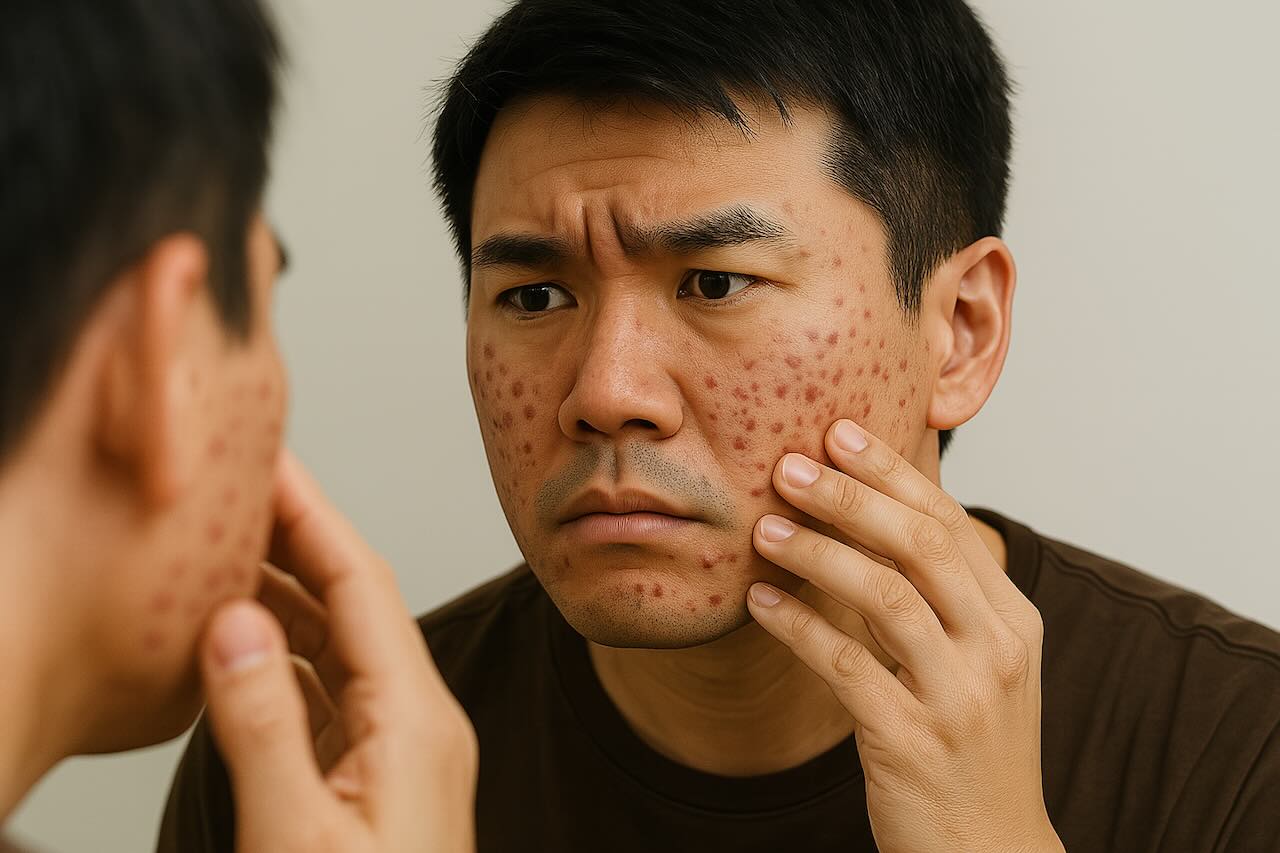
Are you struggling with persistent, painful breakouts that feel deep under your skin? You could be dealing with nodular acne, a severe and often distressing form of acne that goes beyond typical pimples.
Unlike occasional whiteheads or blackheads, nodular pimples cause large, firm lumps that can be painful and may lead to permanent scarring if left untreated. Understanding this condition is the first step toward clearer, healthier skin.
What Is Nodular Acne?
Nodular acne is a severe form of acne vulgaris and is very different from mild breakouts. Instead of small surface pimples, nodular acne causes large, hard, red lumps that form deep beneath the skin. These nodules feel solid to the touch, are painful, and don’t come to a visible head like typical pimples.
One important difference between nodular and cystic acne is texture. Nodules are solid and firm, while cysts are softer and filled with fluid or pus. Both types are deep, severe forms of acne that can damage skin tissue and leave scars.
What Nodular Acne Looks Like
Recognising nodular pimples is crucial for seeking treatment early. Some of the signs that point towards nodular acne include:
- Large, solid bumps deep under the skin
- Pain and tenderness
- Redness and swelling
- No visible “head” of pus
- High risk of permanent acne scarring
Unlike regular pimples, nodules remain under the skin and can last for weeks or months.
Root Causes of Nodular Acne
They develop when hair follicles become clogged deep within the skin, leading to painful, inflamed lumps that don’t easily resolve. Several factors contribute to this stubborn condition and can make it worse over time.
1. Excess Sebum Production
The skin naturally produces oil (sebum) to stay moisturised, but excess oil can block pores and trigger acne. When there’s too much oil, it mixes with dead skin cells and creates a sticky plug that traps bacteria inside the follicle.
This trapped mixture becomes an ideal environment for inflammation. People with naturally oily skin or hormonal imbalances often produce higher levels of sebum, increasing their risk of nodular pimples.
2. Dead Skin Cell Build-Up
Dead skin cells can mix with oil and block follicles, trapping oil and bacteria inside. Normally, these cells shed naturally from the skin’s surface, but when the shedding process slows down, they accumulate and clog pores.
This blockage prevents sebum from escaping, leading to deep infections under the skin. In nodular acne, this results in large, painful nodules rather than surface pimples.
3. Bacterial Growth
Bacteria like Cutibacterium acnes multiply in clogged pores, causing inflammation and painful nodules. These bacteria thrive in environments with low oxygen, such as blocked follicles filled with oil.
As they multiply, they produce substances that irritate the skin and attract immune cells, worsening inflammation. This reaction leads to swelling, redness, and pain deep in the skin.
4. Inflammation
An immune response to bacteria and oil creates deep inflammation, leading to red, painful nodules. This inflammatory process damages surrounding skin tissue, increasing the risk of scarring. The body’s attempt to fight the bacteria can result in redness and swelling that lasts for weeks. Over time, repeated inflammation can cause permanent changes in skin texture.
5. Hormonal Changes
Hormonal fluctuations during puberty, menstrual cycles, pregnancy, or conditions like polycystic ovary syndrome (PCOS) can cause nodular pimples. Higher androgen levels stimulate oil production, leading to clogged pores.
These hormonal shifts can also make skin cells stick together more, increasing the chance of blockages. That’s why the condition often worsens during certain times of the menstrual cycle or major hormonal events.
6. Genetics
A family history of severe acne makes nodular acne more likely. Your genes influence how much oil your skin produces and how strongly your immune system responds to bacteria.
If close family members struggled with severe acne, you may inherit a similar tendency. Genetics can also affect how quickly your skin heals after inflammation, influencing the risk of scarring.
7. Certain Medications
Medications like corticosteroids, testosterone, lithium, or some anti-seizure drugs can trigger acne. These medications can affect hormone levels or increase oil production in the skin.
Some drugs may also cause changes in skin cell turnover, leading to clogged pores. People who start these medications should watch for acne flare-ups and discuss concerns with their doctor.
8. Stress
Stress doesn’t directly cause acne but can worsen it by affecting hormones and inflammation. When stressed, the body releases cortisol, which can increase oil production and make skin more reactive.
Stress can also lead to picking or touching the skin more often, which can aggravate existing nodules. Managing stress through relaxation techniques or exercise can help reduce breakouts.
9. Dietary Factors
Diet alone doesn’t directly cause nodular pimples. However, some people find that high-sugar foods or dairy products may trigger flare-ups.
High-glycaemic foods can spike blood sugar and hormones that influence oil production. While diet affects people differently, keeping a food diary can help identify potential triggers.
Managing Nodular Acne At Home
While medical treatment is essential, these home remedies can support healthier skin:
- Use gentle, non-comedogenic cleansers and moisturisers
- Avoid picking or squeezing nodules
- Apply sunscreen daily, especially if using acne medications
- Maintain a balanced diet and manage stress
- Get sufficient sleep for overall skin health
When To See A Dermatologist
If you think you have nodular acne, don’t wait for it to clear up on its own. Early treatment is vital to prevent deep scarring and long-term skin damage. Consult a dermatologist if your acne is painful, persistent, or not improving with basic care.
A dermatologist can diagnose your skin condition accurately and design a personalised treatment plan to help you achieve clearer skin.
Effective Treatments For Nodular Acne
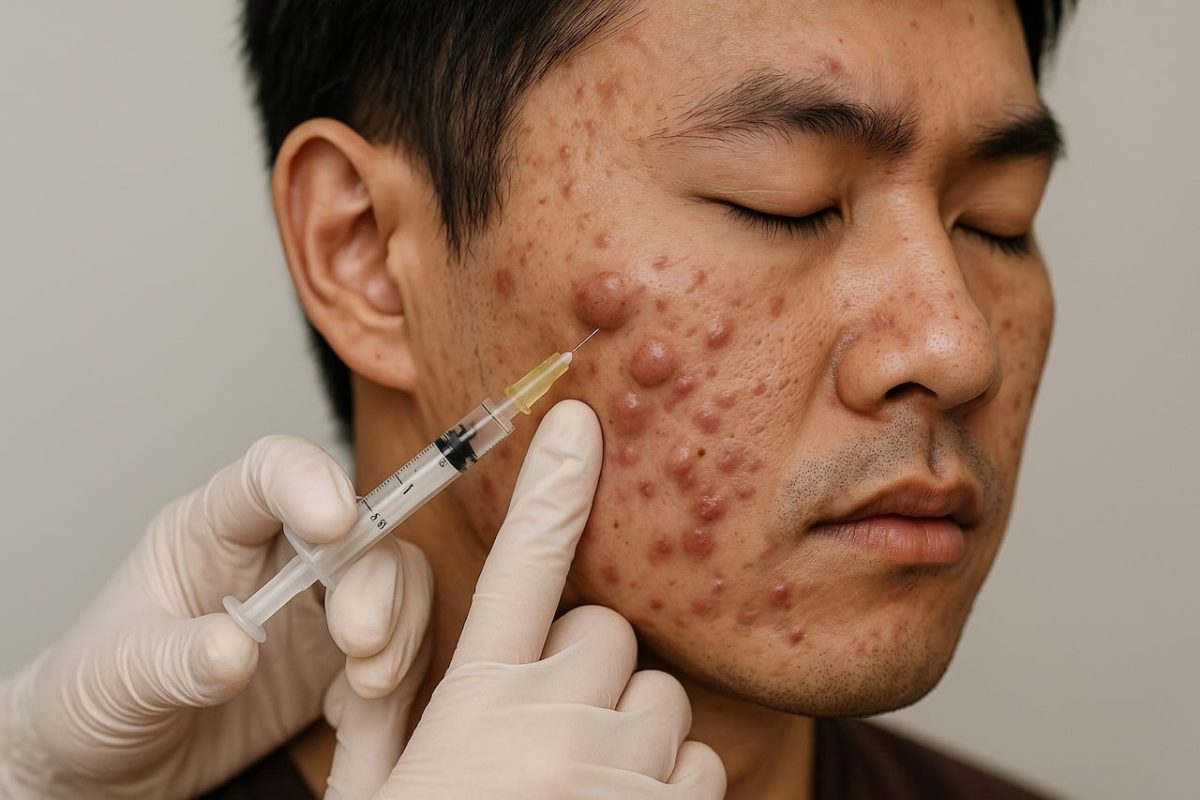
It rarely improves with over-the-counter treatments because these products can’t reach the deep inflammation that causes nodules. Unlike mild acne, nodular pimples form far beneath the skin and often lead to pain and scarring if untreated.
Professional medical care is almost always necessary to reduce inflammation, control bacteria, and prevent lasting skin damage, making it crucial to see a dermatologist for proper treatment.
Ubat Mulut
Oral medications are crucial for treating moderate to severe cases. Antibiotics like doxycycline or minocycline help reduce bacteria and inflammation but are used short-term to prevent resistance.
For stubborn cases, isotretinoin (Accutane) significantly lowers oil production and prevents clogged pores but requires close monitoring due to possible side effects. For women, certain birth control pills and spironolactone can help regulate hormones that trigger excess oil production and deep breakouts.
Rawatan Topikal
Topical treatments can help manage these breakouts but are rarely enough on their own for severe cases. Retinoids like adapalene or tretinoin keep pores clear and improve skin turnover.
Benzoyl peroxide kills acne-causing bacteria and reduces inflammation, while topical antibiotics help control surface bacteria and calm irritated skin, especially when combined with other therapies.
Prosedur Dalam Klinik
In-clinic treatments can relieve painful or stubborn nodules. Dermatologists may use steroid injections to quickly reduce swelling and discomfort.
Though rarely needed, drainage might be done for large, painful nodules, although it carries some risk of scarring. Laser and light therapies help improve acne scars and smooth skin texture once active acne is under control.
Don’t Let Nodular Acne Take Over Your Life
Nodular acne may feel like it’s taking over your face and your confidence. But there are solutions. With proper medical care and a tailored treatment plan, you can regain clearer skin and peace of mind.
Pada Klinik Dr Chong, we specialise in advanced acne treatments designed for severe cases like nodular acne. Our team understands how deeply this condition can affect you, and we’re here to help you take control. Start your journey toward clearer skin today by booking your consultation.
Soalan Lazim (FAQ)
1. Is nodular acne the same as cystic acne?
No, nodular acne and cystic acne are not the same. Both are severe and deep forms of acne, but nodules are solid, inflamed lumps beneath the skin, while cysts are filled with fluid or pus.
2. Why does nodular acne hurt so much?
Nodular acne is painful because the inflammation occurs deep beneath the skin’s surface. This inflammation puts pressure on surrounding nerves and tissues, causing significant discomfort.
3. Is nodular acne dangerous?
Nodular acne is not dangerous to your overall health. However, if left untreated, it can result in permanent acne scarring and may cause emotional distress.
4. Can nodular acne be cured permanently?
While there is no guaranteed permanent cure, treatments such as isotretinoin can provide long-term remission for many individuals. Some people may require ongoing maintenance to manage breakouts and prevent recurrence.
*Semua imej yang digunakan dalam artikel ini adalah dijana AI.


