

What Causes Oily Skin and How to Control It Effectively

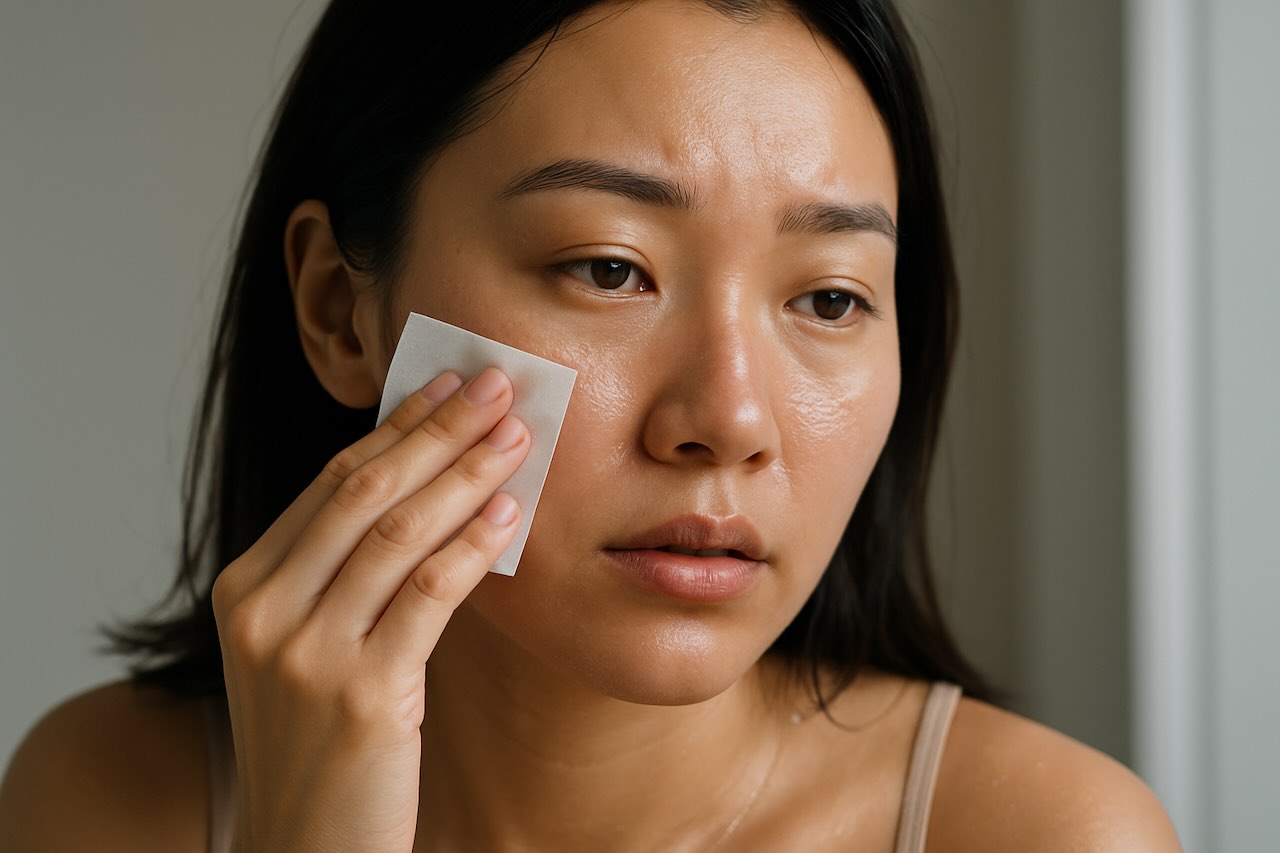
Oily skin is one of the most common skin types, but it can also be one of the trickiest to manage. It occurs when the sebaceous glands produce more sebum than the skin needs. While sebum helps protect and hydrate the skin, excess oil leads to a shiny complexion, enlarged pores, and frequent breakouts.
Many people with oily skin also struggle with acne-prone skin, where excess sebum clogs pores and results in blackheads, whiteheads, or even jerawat kistik. Genetics, hormonal changes, stress, diet, and Malaysia’s hot, humid climate can all make the condition worse.
The good news is oily skin can be managed. With the right daily care, targeted skincare products, and professional treatments, you can reduce shine and improve your skin’s balance.
What Causes Oily Skin?
Oily skin does not happen by chance. It is usually the result of a mix of natural factors and external triggers that influence how active your sebaceous glands are. Understanding these causes can help you manage shine, prevent breakouts, and choose the right skincare routine.
- Genetics: An inherited predisposition to overactive sebaceous glands often plays a role.
- Hormones: Androgen fluctuations during puberty, menstruation, pregnancy, or menopause increase sebum production. This is also why oily skin often overlaps with hormonal acne.
- Stress: Stress hormones like cortisol stimulate oil glands, often leading to flare-ups.
- Environment: Hot and humid climates encourage increased oil production, which is why shiny skin is common in Malaysia.
- Diet: Refined sugar, processed foods, and high-glycemic meals may make oiliness worse.
- Medications: Certain drugs that affect hormones can trigger excess sebum.
In most cases, oily skin is the result of several of these factors working together. While you cannot change your genetics or climate, recognising the triggers you can control makes it much easier to manage shine and prevent acne.
Characteristics of Oily Skin
One of the most obvious signs of oily skin is a shiny or greasy appearance, particularly in the T-zone, which includes the forehead, nose, and chin. This shine often becomes more noticeable as the day goes on and can be difficult to control without blotting or mattifying products.
Another common characteristic is enlarged and more visible pores. Because oily skin produces more sebum, pores tend to stretch and look bigger, making the texture of the skin appear uneven. This can also increase the likelihood of clogged pores.
People with oily skin frequently experience blackheads, whiteheads, and breakouts. Excess oil traps dirt and dead skin cells, creating the perfect conditions for acne to form. Makeup can also be harder to manage on oily skin, as foundation and powders may fade, melt, or slide off within a few hours.
In addition, oily skin is more prone to related concerns such as sebaceous filaments. These issues occur when excess sebum mixes with dead skin cells inside the pores, giving the skin a rougher or congested appearance.
How to Manage Oily Skin at Home
Daily habits play a key role in keeping oily skin under control. With the right routine, you can reduce shine, prevent clogged pores, and minimise breakouts.
Gentle Cleansing
Wash your face twice daily with a mild, soap-free cleanser to remove dirt and excess oil. Avoid harsh scrubs or overwashing, as these can irritate the skin and trigger more sebum. Gel or foaming cleansers with salicylic acid or BHA are excellent for clearing pores and controlling shine.
Lightweight Hydration
Even oily skin needs moisture. Skipping moisturiser often causes rebound oiliness, as the skin produces more sebum to compensate. Choose oil-free, water-based, non-comedogenic products that hydrate without blocking pores.
Sun Protection
Sunscreen is essential for preventing sun damage, but thick creams can worsen shine. Pick lightweight, oil-free sunscreens formulated for oily or acne-prone skin to stay protected without feeling greasy.
Exfoliate with Care
Exfoliation helps clear away dead skin cells that contribute to clogged pores. Using AHAs or BHAs once or twice a week is enough to keep skin smooth. Be cautious with frequency, as over-exfoliation can weaken the skin barrier and increase oil production.
Blotting Papers and Clay Masks
Blotting papers are handy for managing shine on the go, especially in the T-zone. Clay masks, used weekly, help absorb excess oil and draw out impurities, leaving the skin feeling fresher.
Smarter Makeup Choices
Opt for oil-free or matte-finish foundations and powders that are designed for oily skin. Always cleanse thoroughly at night to remove makeup and prevent pore blockages.
Watch Your Diet
Your diet can influence oil production. Cutting back on high-glycemic foods, dairy, and fried meals may help reduce flare-ups. Focus on balanced meals and learn more on how to glow up.
Professional Treatments for Oily Skin
If home care is not enough, dermatologist-led treatments can help regulate oil production, shrink pores, and prevent breakouts. These treatments are tailored to your skin type and can also target related concerns such as scars and pigmentation.
Pengelupasan Kimia
Kulit kimia exfoliate the skin using specially formulated solutions that remove dead skin cells, unclog pores, and reduce sebum production. They not only help control oil but can also lighten post-acne pigmentation and smooth out mild acne scars.
Laser Treatments
Skin laser resurfacing is effective in regulating oil production, refining skin texture, and minimising pore size. For those struggling with uneven tone or dark spots left behind by acne, Laser Pico is an advanced option that delivers ultra-short pulses of energy to break down pigmentation while stimulating collagen.
Microneedling
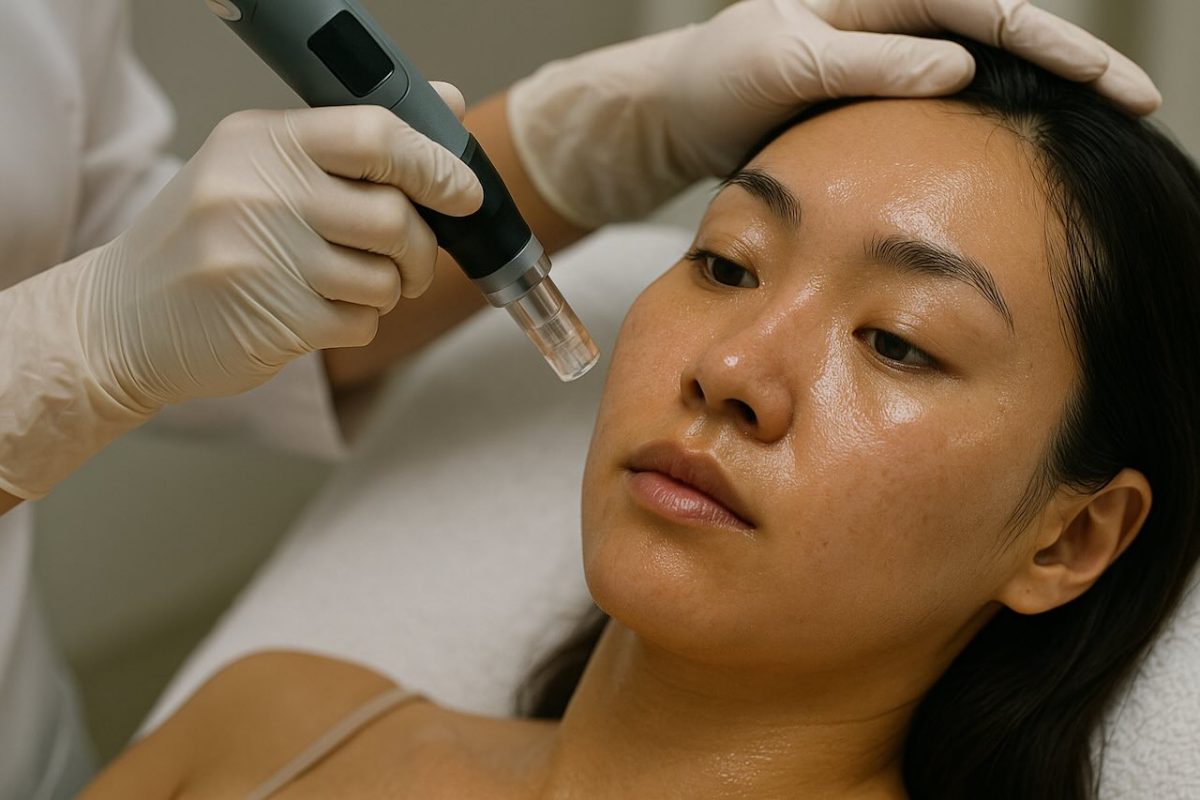
Microneedling uses fine needles to create microchannels in the skin, encouraging natural collagen repair. By improving skin structure, microneedling helps tighten enlarged pores, one of the most common concerns for people with oily skin. For patients with long-lasting scarring, microneedling for acne scars provides visible improvement over time.
Facials for Oily Skin
The best facials for acne-prone skin are designed to deeply cleanse, extract impurities, and calm inflamed skin. These facials help remove excess oil, unclog pores, and reduce the risk of breakouts while leaving the skin refreshed and balanced.
Skin Rejuvenation Treatments
Advanced skin rejuvenation treatments often combine technologies such as light therapy, energy-based devices, or gentle peels to improve skin tone and texture. These treatments are ideal for oily skin that also struggles with pigmentation, pori membesar, or post-acne marks, offering a more holistic approach to skin balance and clarity.
Preventing Oily Skin from Worsening
Managing oily skin is not just about treating flare-ups. Consistency and prevention are key to keeping shine under control and avoiding long-term skin concerns. Simple lifestyle habits and the right skincare choices can make a noticeable difference.
- Stick to a consistent skincare routine with oil-free, non-comedogenic products.
- Avoid overwashing or using harsh cleansers that trigger rebound oil.
- Manage stress through exercise, sleep, or mindfulness practices.
- Maintain a balanced diet with fewer processed and high-glycemic foods.
- Seek professional advice early to prevent acne scars.
By making these habits part of your daily routine, you can not only control oily skin but also protect your skin from future damage. Preventive care ensures a clearer, healthier complexion in the long run.
Dermatologist-Guided Solutions for Oily Skin
Oily skin can feel difficult to manage on your own, but the right care and expert guidance can make all the difference. At Klinik Dr Chong, we create personalised treatment plans designed specifically for oily and acne-prone skin.
Our team combines LCP-certified expertise, advanced technologies, and tailored skin solutions to deliver visible improvements that last. With over 20 branches nationwide, accessing professional care has never been more convenient.
Book your consultation with Dr Chong Clinic today and take the first step toward clearer, healthier, and more balanced skin.
Soalan Lazim (FAQ)
1. Why is my skin always oily?
Genetics, hormones, and lifestyle factors often cause oil glands to be overactive.
2. Is oily skin bad?
Not necessarily. Some oil protects skin from dryness and early aging, but too much causes clogged pores, jerawat kistik, and shine.
3. Can oily skin be cured permanently?
No, but it can be effectively managed with consistent skincare and dermatologist treatments.
4. What helps oily skin daily?
Gentle cleansing, lightweight hydration, blotting papers, and oil-free makeup products are essential for daily control.
*Semua imej yang digunakan dalam artikel ini adalah dijana AI.


