

Pockmarks: Causes, Types, and Effective Treatments

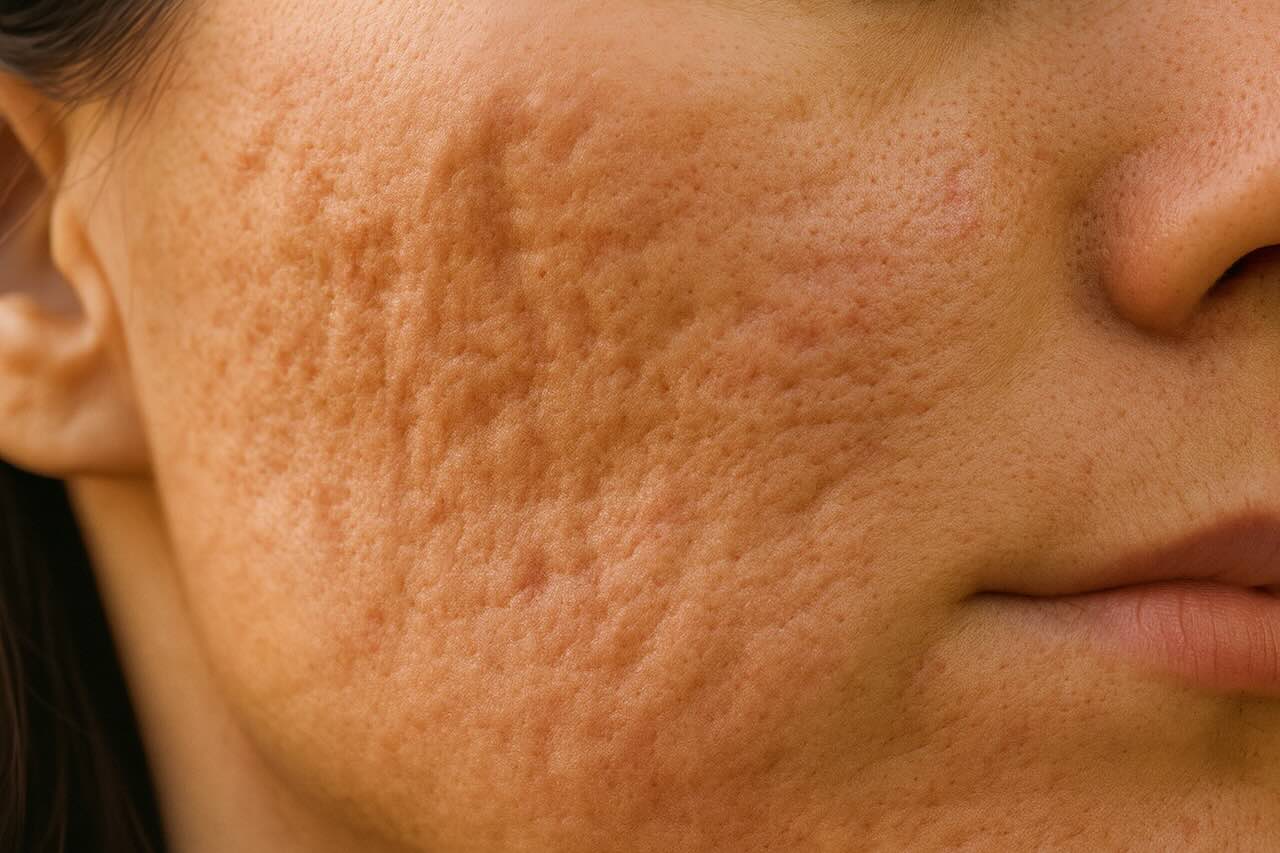
Pockmarks are small, indented scars that give the skin a rough, uneven texture. They most often develop after severe acne, but can also be linked to infections like chickenpox, injuries, or genetics. Unlike pigmentation marks that fade with time, pockmarks alter skin structure, making them harder to treat without professional help.
The good news is that dermatology now offers a range of treatments for smoother skin. From microneedling and chemical peels to advanced procedures like Laser Pico, patients have safe and effective ways to minimise scars and restore confidence.
What Are Pockmarks?
Pockmarks, also known as atrophic scars, are permanent indentations in the skin that develop when the natural healing process is disrupted. Instead of producing enough new tissue to repair the damage, the skin heals unevenly, leaving behind small pits or depressions.
This most often happens with jerawat kistik, where deep inflammation destroys collagen and supporting structures beneath the skin surface. Once this collagen loss occurs, the skin cannot fully bounce back, resulting in lasting scars.
Unlike pigmentation issues, which are mainly colour changes on the skin’s surface, pockmarks are structural. They affect both the texture and depth of the skin. This makes them more challenging to treat, as they require therapies that stimulate collagen production or resurface the skin to remodel the underlying tissue.
Types of Pockmarks
Not all pockmarks look the same. Their appearance depends on how the skin was damaged and how the body healed afterward. Dermatologists generally classify pockmarks into three main categories:
- Ice pick scars: Deep, narrow, and V-shaped scars that resemble tiny puncture marks. These are often the most difficult to treat because they extend deep into the skin.
- Boxcar scars: Broader depressions with sharp, defined edges. They tend to be shallower than ice pick scars and are often associated with chickenpox or long-term acne.
- Rolling scars: Wide, shallow indentations with soft, sloping edges that give the skin a wavy or uneven texture.
Understanding which type of pockmark you have is crucial because different scar types respond better to specific treatments. For example, microneedling and subcision may be more effective for rolling scars, while deeper options like laser resurfacing are often required for ice pick scars.
What Causes Pockmarks?
Pockmarks form when the skin’s natural healing process is disrupted, usually after inflammation, infection, or injury. Instead of repairing itself evenly, the skin produces insufficient collagen, leaving behind small indentations. While anyone can develop pockmarks, certain triggers increase the risk. Below are the most common causes:
Severe Acne
One of the most common causes of pockmarks is severe or cystic acne. These large, inflamed breakouts extend deep into the skin and often destroy surrounding tissue. When the body attempts to heal, it may not produce enough collagen to rebuild the damaged area, leaving behind permanent indentations. Early intervention is crucial, which is why many patients explore treatments for acne scars to prevent and repair long-term scarring.
Picking or Squeezing Pimples
Squeezing pimples may seem like a quick fix, but it often makes things worse. Picking can force bacteria and debris deeper into the skin, triggering more intense inflammation. This not only delays healing but also increases the risk of permanent scarring. Understanding the difference between home remedies for acne vs professional treatment can help patients avoid habits that lead to pockmarks.
Infections
Viral infections such as chickenpox and smallpox can also cause pockmarks. These conditions create fluid-filled lesions that scab over during healing. If the scabs are scratched or picked before they are ready to fall off naturally, the underlying tissue can be disrupted, leaving behind lasting indentations.
Trauma and Burns
Physical injuries to the skin, including cuts, burns, or chemical damage, can interfere with normal wound healing. If collagen production is insufficient during recovery, the skin may sink inward, creating a permanent depression. The depth and size of the scar usually depend on how severe the original injury was and how well it was cared for during healing.
Genetics
Not everyone heals in the same way. Some people are genetically predisposed to developing pockmarks because their skin naturally produces less collagen or is more prone to inflammation. If scarring runs in the family, an individual may be more likely to experience pockmarks even from moderate acne or minor injuries.
How to Treat Pockmarks
Pockmarks rarely fade on their own, as they are the result of deep structural damage in the skin. However, modern dermatological procedures can significantly improve their appearance by targeting collagen production, resurfacing the skin, or physically lifting the depressed areas.
Laser Resurfacing
Laser therapies are among the most advanced options for treating pockmarks. Devices such as Laser Pico and fractional CO2 lasers deliver concentrated energy to scarred tissue, breaking it down and stimulating new collagen growth. Over time, this remodeling process smooths out indentations and improves overall tekstur kulit.
Each laser has its advantages. Some are gentler with less downtime, while others penetrate deeper for more severe scars. If you’re deciding between options, explore the guide on Pico Laser vs Fractional CO2 Laser to understand which might be right for your skin type.
Microneedling
Microneedling for acne scars is a highly effective treatment for pockmarks. It uses fine needles to create tiny, controlled punctures in the skin, which triggers the body’s natural healing response.
This process boosts collagen and elastin production, gradually filling in depressed scars. Microneedling can also be combined with platelet-rich plasma (PRP) or skin-boosting serums to enhance results and support skin regeneration.
Pengelupasan Kimia
Chemical peel treatments involve applying an acid solution that exfoliates the top layers of damaged skin. This process encourages new, healthier skin cells to form, improving both skin tone and surface irregularities. Lighter peels are suitable for mild pockmarks, while medium and deeper peels can target more noticeable indentations.
Pengisi Dermal
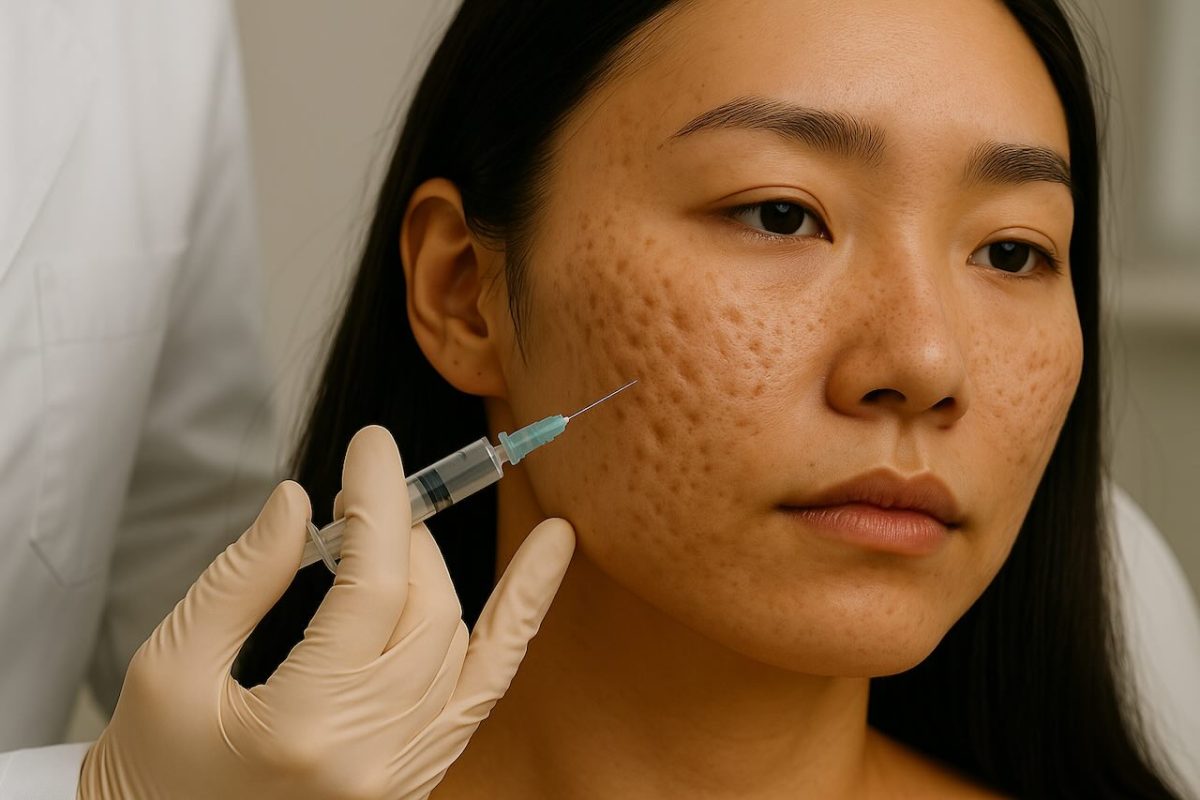
For certain types of scars, especially shallow rolling scars, dermal fillers offer immediate improvement. By injecting substances like hyaluronic acid beneath the depression, fillers raise the scar to the level of the surrounding skin. Results are temporary, usually lasting several months, but can be maintained with repeat treatments.
Subcision
Subcision is a minor but effective surgical technique for pockmarks. A fine needle is inserted under the skin to break up fibrous bands that tether the scar to deeper tissue. Once these bands are released, the skin lifts naturally, reducing the depth of the scar. Subcision is often combined with other treatments like microneedling or fillers for enhanced results.
Preventing Pockmarks
The most effective way to deal with pockmarks is to prevent them from forming in the first place. Severe acne should be treated early with professional care to minimise long-term damage, while avoiding the habit of picking or squeezing blemishes helps prevent deeper inflammation and scarring.
Daily use of sunscreen is also essential, as UV rays can make scars more visible and slow the healing process. Supporting overall skin health with treatments like skin rejuvenation or facials designed for acne-prone skin can also reduce flare-ups and maintain balance, further lowering the risk of permanent scarring.
Transform Your Skin with the Right Care
Living with pockmarks can be discouraging, but they do not have to be permanent. With the right combination of treatments such as Pico Laser, microneedling, chemical peels, fillers, and subcision, patients can achieve smoother skin, improved texture, and renewed confidence.
Klinik Dr Chong offers personalised care provided by LCP-certified dermatologists who specialise in scar management. By combining advanced technology with clinically proven techniques, the clinic designs safe and effective treatment plans tailored to each individual.
Whether addressing shallow scars or deeper indentations, Dr Chong Clinic’s goal is to help every patient achieve clearer, healthier-looking skin. Book an appointment now and take the first step toward refined skin and lasting confidence.
Soalan Lazim (FAQ)
1. Are pockmarks permanent?
Yes, untreated pockmarks are permanent. However, treatments like laser resurfacing, microneedling, and chemical peels can make them much less visible.
2. What is the most effective treatment for pockmarks?
It depends on the scar type. Rolling scars often respond to microneedling or subcision, while ice pick and boxcar scars may need laser or chemical peels. A combination usually works best.
3. Can home remedies remove pockmarks?
No, home remedies cannot repair tissue loss. They may improve skin health, but only professional treatments can smooth pitted scars.
4. Are lasers safe for darker skin?
Yes, when the right devices are used by skilled dermatologists. Specific lasers are designed to reduce risks for darker skin tones.
All images used in this article are AI-generated.


