Blog
Psoriasis: Punca, Gejala, dan Rawatan Dijelaskan

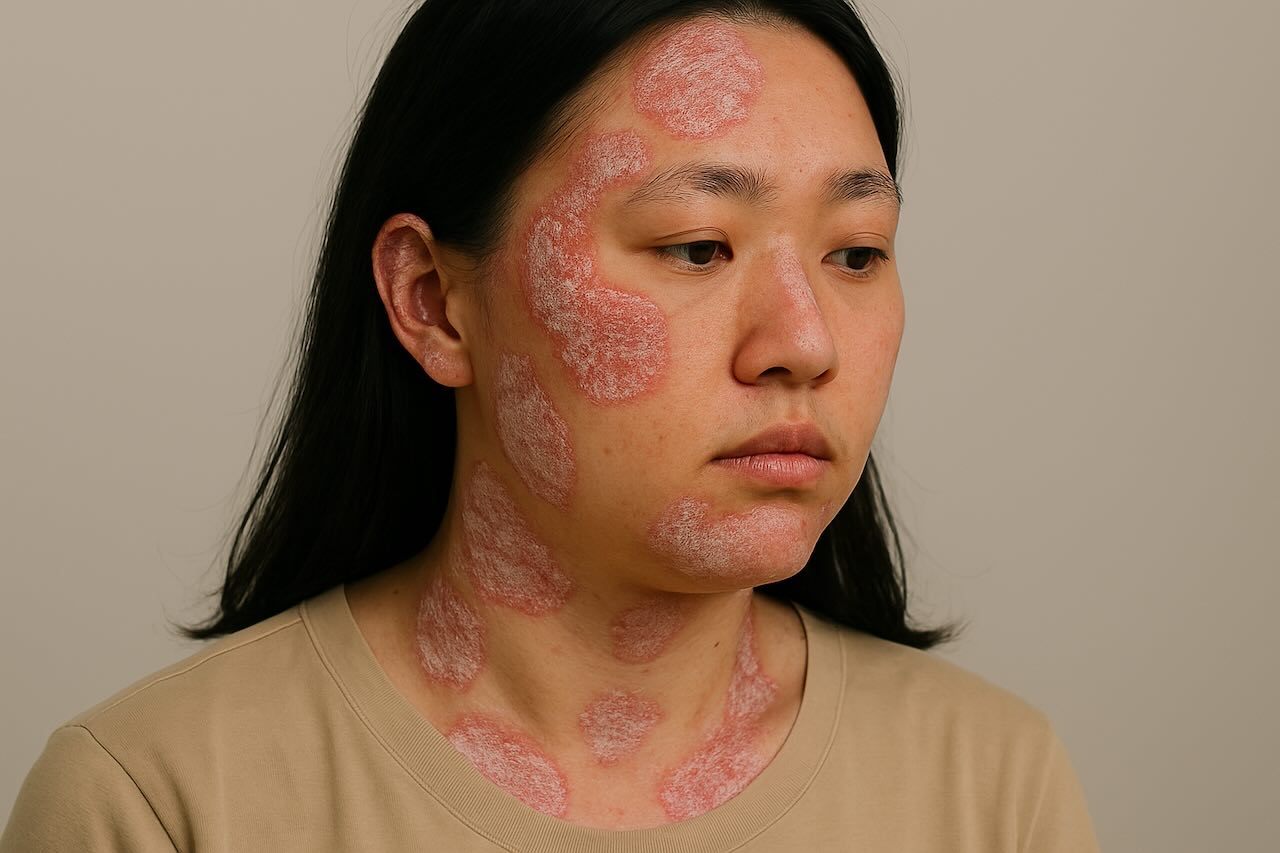
Adakah anda perasan terdapat tompok merah bersisik pada kulit anda yang tidak hilang dan kadangkala merebak tanpa sebarang amaran? Anda mungkin mengalami psoriasis, sejenis keadaan autoimun kronik yang menjejaskan berjuta-juta orang di seluruh dunia.
Walaupun tidak berjangkit, psoriasis boleh menyebabkan ketidakselesaan fizikal dan tekanan emosi. Memahami bagaimana ia berkembang dan cara menguruskannya boleh membantu anda mengawal semula kesihatan kulit dan kesejahteraan keseluruhan anda.
Apakah Psoriasis?
Psoriasis ialah penyakit yang dimediasi oleh imun di mana sistem imun badan secara tersilap menyerang sel-sel kulit yang sihat. Ini mencetuskan pertukaran sel-sel kulit yang cepat, menyebabkan ia terkumpul di permukaan dan bukannya gugur secara normal.
Akibatnya, penghidap psoriasis sering mengalami sisik tebal berwarna keperakan dan tompok merah pada kulit mereka, yang juga boleh menyebabkan ketidakselesaan dan kerengsaan pada individu yang mempunyai kulit sensitif.
Keadaan ini menjejaskan sekitar 2-3% populasi global dan boleh muncul hampir di mana-mana sahaja pada badan, termasuk kulit kepala, siku, lutut, bahagian bawah belakang, muka, tapak tangan, tapak kaki dan kuku.
Walaupun ia terutamanya merupakan keadaan kulit, ia juga boleh memberi kesan kepada sendi dan menyebabkan keradangan yang meluas, menjadikan penjagaan yang betul amat penting bagi mereka yang terdedah kepada reaksi kulit sensitif.
Jenis-jenis Psoriasis yang Berbeza
Psoriasis terdapat dalam beberapa bentuk yang berbeza, setiap satunya dengan ciri dan kesan unik terhadap kehidupan seharian. Mengetahui jenis yang anda alami adalah penting untuk rawatan dan pengurusan yang berkesan.
- Psoriasis plak menyebabkan tompok merah dan bersisik, selalunya pada siku, lutut, kulit kepala dan bahagian bawah belakang.
- Psoriasis kuku menyebabkan lubang, perubahan warna atau pemisahan kuku.
- Psoriasis guttate menunjukkan tompok kecil seperti titisan, selalunya selepas tekak strep.
- Psoriasis inverse menjejaskan lipatan kulit dengan tompok merah yang licin dan sedikit bersisik.
- Psoriasis pustular membentuk lepuh berisi nanah, kadangkala memerlukan rawatan segera.
- Psoriasis eritrodermik jarang berlaku, meliputi sebahagian besar badan dengan kulit merah yang mengelupas dan memerlukan rawatan segera.
- Artritis psoriatik menyebabkan sakit sendi, bengkak dan potensi kerosakan jika tidak dirawat.
Punca dan Pencetus Psoriasis
Psoriasis tidak mempunyai satu punca pun. Sebaliknya, ia didorong oleh campuran faktor genetik, persekitaran dan sistem imun. Orang yang mewarisi gen tertentu lebih cenderung untuk menghidap psoriasis, tetapi pencetus tertentu selalunya menentukan bila dan sejauh mana keparahan psoriasis berlaku. Pencetus biasa termasuk:
1, Jangkitan
Jangkitan tertentu, terutamanya radang tekak, boleh mencetuskan atau memburukkan psoriasis. Apabila sistem imun melawan jangkitan, ia mungkin secara tersilap menyerang sel kulit yang sihat, yang membawa kepada keradangan dan tompok psoriasis baharu. Rawatan jangkitan yang cepat adalah penting untuk membantu mencegah keparahan.
2. Kecederaan Kulit
Kecederaan seperti luka, calar, gigitan serangga, tatu atau selaran matahari boleh menyebabkan lesi psoriasis baharu muncul. Malah kecederaan kecil boleh mencetuskan keparahan pada mereka yang terdedah kepada psoriasis. Melindungi kulit anda daripada trauma adalah kunci untuk mengurangkan risiko ini.
3. Tekanan
Tekanan adalah pencetus biasa yang boleh memburukkan lagi gejala psoriasis. Tekanan emosi mengganggu sistem imun, menyebabkan keparahan dan menjadikannya lebih sukar untuk menguruskan keadaan. Mencari cara yang sihat untuk menguruskan tekanan, seperti senaman atau teknik relaksasi, boleh membantu mengawal gejala.
4. Cuaca
Cuaca sejuk dan kering boleh memburukkan lagi simptom psoriasis dengan mengeringkan kulit dan menyebabkan kerengsaan. Ramai orang melihat peningkatan dalam keadaan cerah dan lebih panas, walaupun terlalu banyak cahaya matahari boleh menyebabkan selaran matahari dan lesi baharu. Mengekalkan kelembapan kulit dan melindungi daripada cuaca yang teruk membantu mencegah suar.
5. Tabiat Gaya Hidup
Merokok dan penggunaan alkohol yang banyak boleh memburukkan lagi psoriasis dan menjadikan rawatan kurang berkesan. Tabiat ini meningkatkan keradangan dalam badan, meningkatkan risiko simptom yang lebih teruk dan masalah kesihatan lain. Berhenti merokok dan mengurangkan alkohol boleh meningkatkan psoriasis dan kesihatan keseluruhan.
6. Ubat-ubatan Tertentu
Sesetengah ubat, seperti litium, penyekat beta, antimalaria dan NSAID, boleh mencetuskan atau memburukkan lagi psoriasis. Orang yang menghidap psoriasis harus memaklumkan doktor mereka tentang keadaan mereka supaya pilihan alternatif boleh dipertimbangkan. Jangan sekali-kali menghentikan ubat yang ditetapkan tanpa nasihat perubatan.
7. Kekurangan VItamin D
Tahap vitamin D yang rendah boleh menyumbang kepada suar psoriasis, walaupun ia bukan punca langsung. Vitamin D menyokong kesihatan kulit dan keseimbangan imun, dan pendedahan cahaya matahari atau suplemen yang selamat mungkin membantu menguruskan simptom. Sentiasa berunding dengan doktor sebelum memulakan suplemen.
Pilihan Rawatan untuk Psoriasis
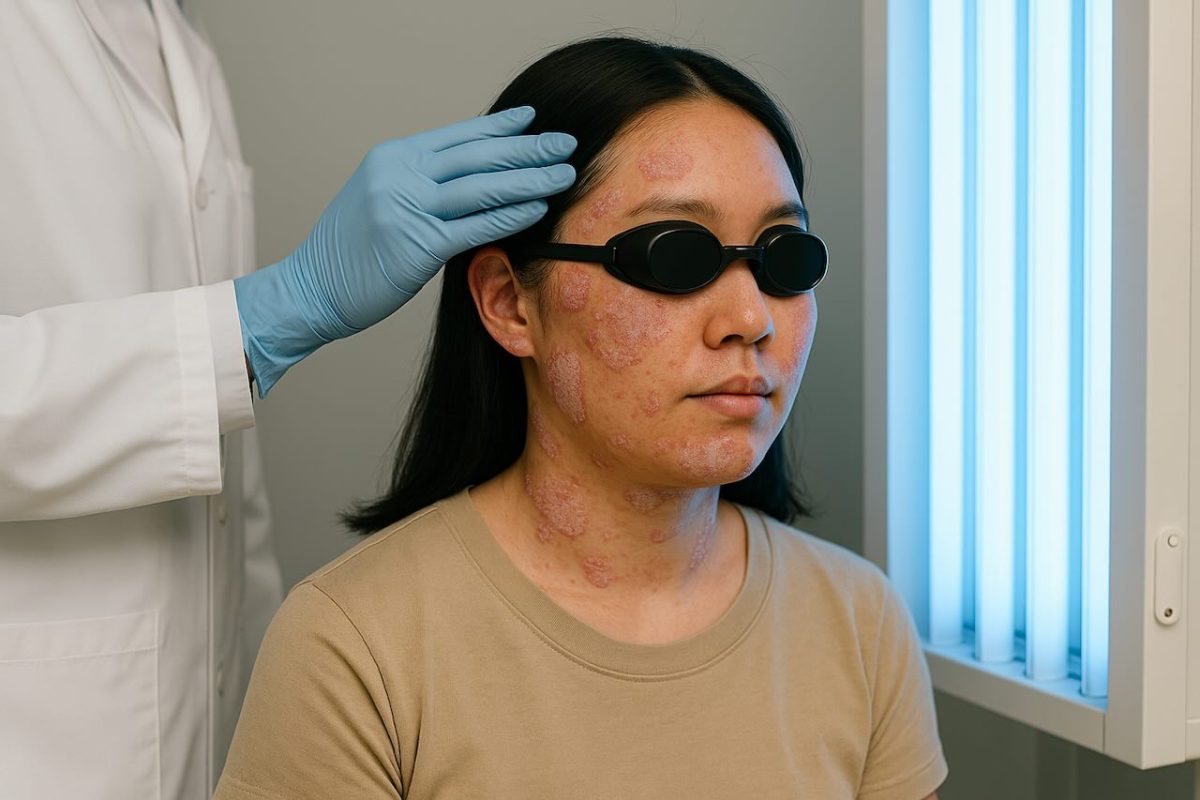
Walaupun pada masa ini tiada penawar untuk psoriasis, pelbagai rawatan tersedia yang boleh membantu menguruskan gejala, mengurangkan keradangan dan meningkatkan kualiti hidup seseorang. Pelan rawatan terbaik selalunya bergantung pada betapa teruknya psoriasis, jenis psoriasis yang ada dan kesihatan keseluruhan serta sejarah perubatan individu.
Rawatan Topikal
Rawatan topikal selalunya merupakan pilihan pertama untuk psoriasis ringan hingga sederhana, disapu terus pada kulit yang terjejas untuk mengurangkan gejala. Kortikosteroid membantu mengurangkan keradangan dan kegatalan, manakala analog vitamin D memperlahankan pertumbuhan sel kulit yang cepat.
Pilihan lain termasuk anthralin untuk menghilangkan sisik, retinoid topikal untuk menormalkan pergantian sel dan perencat calcineurin untuk kawasan sensitif seperti muka atau lipatan kulit. Asid salisilik melicinkan tompokan kasar, tar arang batu mengurangkan kegatalan dan penskalaan dan pelembap mengekalkan kulit terhidrat dan selesa.
Light Therapy
Terapi cahaya atau terapi fotodinamikmenggunakan cahaya ultraungu terkawal untuk memperlahankan pertumbuhan sel kulit dan meredakan keradangan. UVB jalur sempit adalah perkara biasa kerana keberkesanannya dan kesan sampingan yang lebih sedikit.
Terapi PUVA menggabungkan cahaya UVA dengan psoralen, sejenis ubat yang menjadikan kulit lebih sensitif terhadap cahaya, sekali gus meningkatkan hasil. Laser excimer menyasarkan tompokan psoriasis kecil yang degil tanpa menjejaskan kulit sihat di sekelilingnya.
Rawatan Sistemik
Psoriasis sederhana hingga teruk mungkin memerlukan rawatan sistemik yang berfungsi di seluruh badan. Ubat tradisional seperti methotrexate, cyclosporine dan retinoid oral menyekat tindak balas imun dan mengurangkan penghasilan sel kulit yang berlebihan.
Terapi biologi ialah suntikan lanjutan yang menyasarkan bahagian tertentu sistem imun yang memacu psoriasis, membantu ramai pesakit yang tidak bertindak balas terhadap pilihan lain. Molekul kecil oral seperti apremilast juga membantu mengurangkan keradangan dengan menyekat enzim tertentu dalam badan.
Memulihkan Kulit Anda daripada Psoriasis
Psoriasis tidak semestinya mengawal keyakinan atau kualiti hidup anda. Dengan rawatan perubatan lanjutan hari ini dan panduan profesional, kulit yang lebih licin dan kelegaan yang berkekalan dapat dicapai.
Di Klinik Dr Chong, pasukan berpengalaman kami pakar dalam mendiagnosis dan mengurus keadaan kulit yang kompleks seperti psoriasis. Kami menawarkan pelan rawatan yang diperibadikan, daripada penyelesaian topikal dan terapi cahaya moden hinggalah kepada ubat sistemik canggih, semuanya disesuaikan dengan keperluan unik dan jenis kulit anda.
Jangan biarkan psoriasis menghalang anda. Tempah janji temu dengan Klinik Dr Chong untuk pemeriksaan diagnostik dan pilihan rawatan yang komprehensif. Perjalanan anda ke kulit yang lebih sihat bermula di sini.
*Semua imej yang digunakan dalam artikel ini adalah dijana AI.