

Rosacea Explained: Symptoms, Causes, and Treatment Options

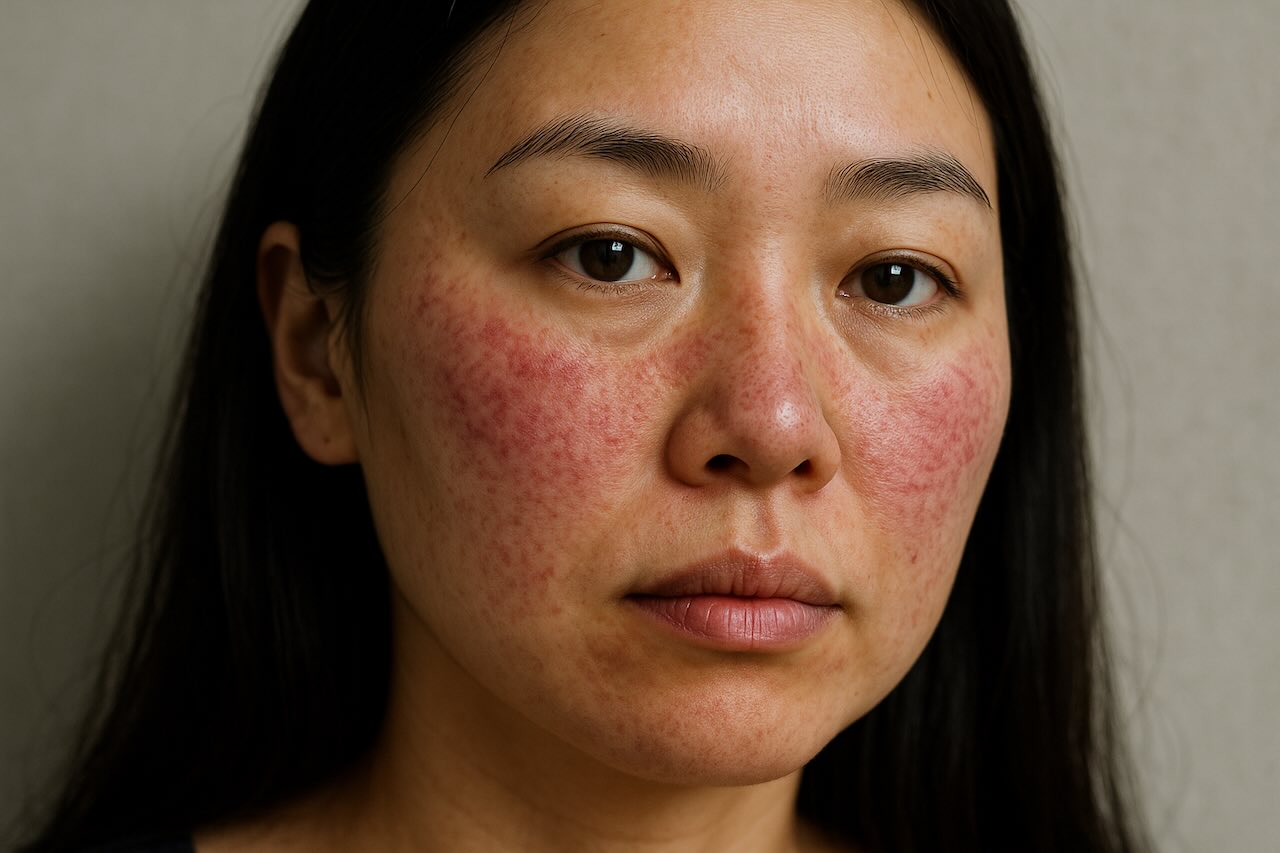
Rosacea is a chronic inflammatory skin condition that mostly affects the face, leading to redness, flushing, visible blood vessels, and sometimes acne-like bumps. It is more common in middle-aged or older adults and is often seen in fair-skinned individuals, though it can appear in all skin tones.
Some people also experience eye involvement, known as ocular rosacea, which can cause discomfort and vision problems if untreated. Although there is no cure, rosacea can be managed effectively with proper treatment, skincare adjustments, and lifestyle changes. Identifying triggers and seeking professional care can help prevent flare-ups and reduce long-term damage to the skin.
Symptoms of Rosacea
Rosacea symptoms differ from person to person, and some may only experience mild redness while others develop more advanced changes. The key signs include:
- Flushing: Sudden blushing or flushing, often triggered by stress, heat, or certain foods.
- Persistent redness: Redness across the nose, cheeks, chin, or forehead that resembles a sunburn.
- Papules and pustules: Acne-like bumps, often mistaken for acne-prone skin, but without blackheads.
- Visible blood vessels: Broken capillaries or telangiectasias often appear on the cheeks and nose.
- Thickened skin: In severe cases, particularly in men, the nose can become enlarged (rhinophyma).
- Eye irritation: Ocular rosacea can cause dryness, redness, swelling, or blurred vision.
- Burning or stinging: Skin sensitivity with discomfort when applying products.
What Causes Rosacea?
Researchers believe rosacea develops from a combination of genetic, immune, and environmental factors. These elements work together to create the visible redness, bumps, and flare-ups that many people experience. By exploring the potential triggers, it becomes easier to understand why symptoms appear and how they can be managed more effectively.
Overactive Immune System
Research suggests that rosacea may be linked to an overactive immune response. Inflammation caused by the immune system can lead to persistent redness, swelling, and bumps on the skin. This heightened sensitivity makes the skin react strongly to everyday triggers such as sunlight, stress, or certain foods.
Genetic Predisposition
Rosacea often runs in families, which indicates a genetic component. If your parents or siblings have rosacea or other inflammatory skin conditions, you may be more likely to develop it as well. While genetics cannot be changed, early diagnosis and treatment can help keep symptoms under control.
Abnormal Blood Vessel Function
Visible blood vessels, or telangiectasias, are one of the hallmark signs of rosacea. This is believed to occur due to irregularities in how facial blood vessels function. They may dilate too easily, leading to flushing and persistent redness that gradually becomes more noticeable over time.
Microscopic Skin Mites (Demodex folliculorum)
Everyone has tiny skin mites called Demodex folliculorum, but people with rosacea often have them in higher numbers. These mites live in hair follicles and sebaceous glands. When their population grows excessively, it can irritate the skin and contribute to inflammation, worsening rosacea symptoms.
Common Triggers of Rosacea Flare-Ups
Rosacea symptoms often worsen due to external or lifestyle triggers, making flare-ups difficult to manage. Common culprits include sun and wind exposure, extreme hot or cold weather, stress and strong emotions, as well as dietary factors such as spicy foods, caffeine, hot drinks, and alcohol.
Vigorous exercise can also intensify redness, while certain skincare products containing fragrances, alcohol, or harsh exfoliants may irritate sensitive skin. Because triggers vary from person to person, identifying your own is essential. Keeping a symptom diary can be a helpful way to track patterns and gain better control over flare-ups.
Treatments for Rosacea
While rosacea cannot be completely cured, there are many effective professional treatments that can help control symptoms, minimize flare-ups, and improve the skin’s overall appearance. The right approach often depends on the severity of the condition and individual skin concerns.
Medications
Prescription medications are often the first line of treatment for managing rosacea. Topical creams and gels containing ingredients like metronidazole, azelaic acid, or ivermectin help reduce redness, swelling, and bumps by calming inflammation and targeting underlying causes.
Oral antibiotics such as doxycycline may be prescribed for moderate to severe flare-ups, as they work internally to reduce inflammation. In more persistent or severe cases, dermatologists may consider oral isotretinoin, which is highly effective for controlling resistant symptoms.
Laser and Light Therapy
Energy-based treatments are particularly effective for visible blood vessels, chronic redness, and skin thickening caused by rosacea. Dual yellow laser therapy is often recommended to reduce redness and inflammation, while skin laser resurfacing treatments can address long-term changes in the skin.
These resurfacing procedures not only improve overall skin texture and smooth scarring left behind by repeated flare-ups, but also help reduce pigmentation and uneven tone that sometimes accompany rosacea. By stimulating collagen renewal, skin laser resurfacing restores a healthier, more balanced appearance.
Pengelupasan Kimia
Gentle chemical peels are a valuable option for patients with rosacea who also experience uneven skin tone, rough texture, or pigmentation. Unlike harsher peels, those designed for sensitive skin use milder acids to exfoliate dead skin cells without causing irritation.
Chemical peels tailored for rosacea can help reduce surface redness, brighten the complexion, and improve product absorption, making them a safe and effective option when performed under professional supervision.
Skin Rejuvenation Treatments
Advanced skin rejuvenation procedures can calm sensitive skin, repair damage, and strengthen the skin’s natural barrier against external irritants. Treatments such as radiofrequency microneedling (with carefully adjusted settings for rosacea-prone skin) or soothing LED light therapy can reduce inflammation and enhance collagen production.
Facials
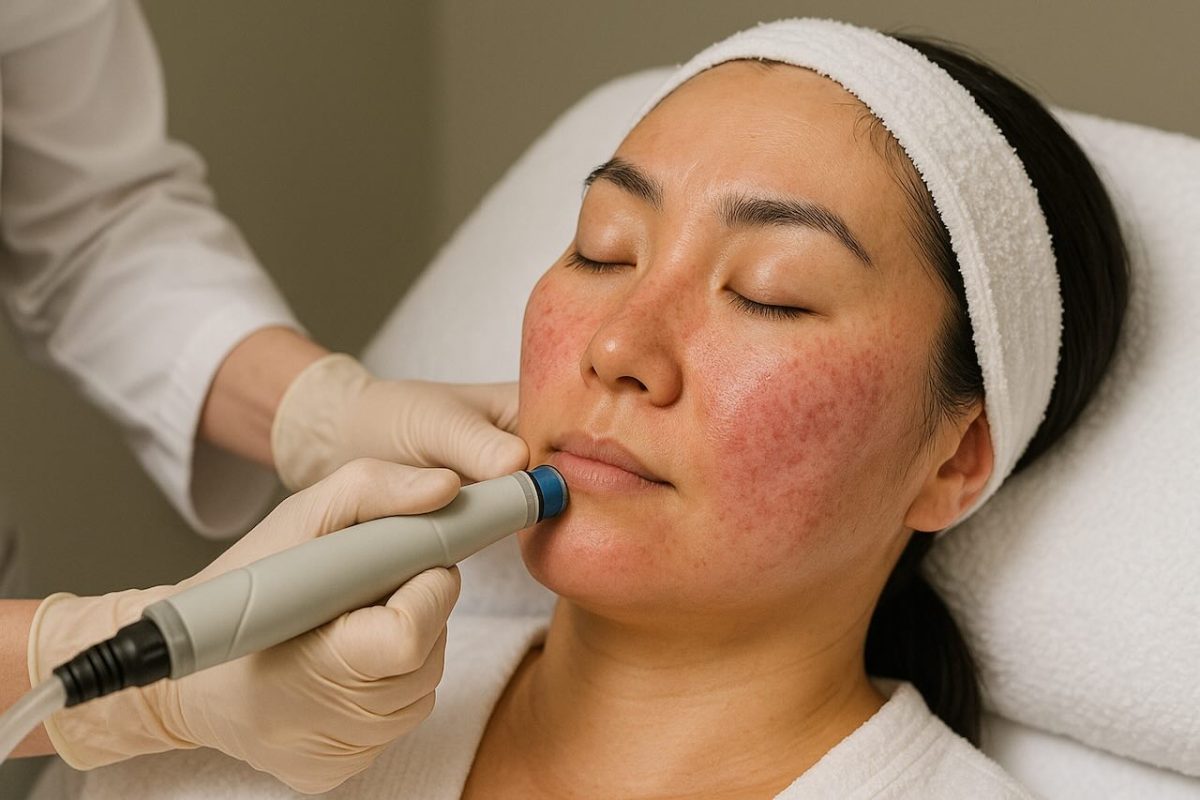
For patients seeking gentler treatments, professional facials designed for sensitive skin can provide much-needed relief. Hydrating facials such as Hydrafacial atau oxy facials deliver soothing serums, hydration, and oxygen infusion to calm irritation and restore balance.
These facials are non-invasive, making them ideal for ongoing maintenance and long-term skin health support. Regular sessions can help reinforce professional medical treatments and keep the skin hydrated and comfortable.
Lifestyle and Skincare Adjustments
Professional treatments are most effective when combined with consistent lifestyle and skincare adjustments. Daily sunscreen use is essential to protect sensitive skin from UV-induced flare-ups. Patients are also encouraged to avoid known triggers such as spicy foods, alcohol, and excessive sun exposure.
Sticking to gentle, fragrance-free products can prevent irritation, while oil-free and non-comedogenic formulas are beneficial for those with rosacea who also have acne-prone skin. Dermatologists may also recommend barrier-strengthening moisturizers to protect against dryness and irritation.
Managing Rosacea with Professional Care
Although rosacea is a long-term condition, it does not have to limit your confidence. With lifestyle management, professional treatments, and the right skincare routine, redness and flare-ups can be brought under control.
Dr Chong Clinic’s medical team provides comprehensive solutions for rosacea and other skin diseases, including dermatological conditions. They combine LCP-certified expertise, advanced technology, and customised treatment plans to suit each individual’s skin type and sensitivity.
With more than 20 branches nationwide, expert care is always within reach. Hubungi Klinik Dr Chong hari ini and discover the most effective way to manage rosacea while restoring clarity and confidence in your skin.
Soalan Lazim (FAQ)
1. How is rosacea diagnosed?
Rosacea can resemble acne, eczema, or sensitive skin, so a dermatologist’s evaluation is key. Diagnosis usually includes a skin exam, discussion of symptoms, and ruling out other conditions to confirm the right treatment.
2. Can rosacea cause scarring?
Rosacea rarely causes deep scars, but repeated inflammation may leave marks or pigmentation. Treatments such as microneedling for acne scars in Malaysia can improve texture, while dermatologists provide tailored long-term care.
3. Can rosacea be cured?
There is no permanent cure for rosacea, but professional treatments and lifestyle adjustments can effectively control flare-ups, reduce redness, and improve overall skin health.
4. What is ocular rosacea?
Ocular rosacea affects the eyes, leading to dryness, redness, irritation, and sometimes swelling. Early diagnosis and treatment are important to relieve discomfort and prevent complications.
All images used in this article are AI-generated.


