

Saggy Cheeks: Causes, Treatments & How to Lift Sagging Cheek Skin


Cheek fullness is often associated with youth and vitality. When cheeks begin to lose volume and firmness, the face can appear tired, aged or out of balance. Saggy cheeks are a common concern as we grow older, and while they’re a natural part of the ageing process, they can also affect self-confidence.
The good news is that sagging cheeks can be addressed with a range of modern aesthetic treatments, without surgery or major downtime. In this article, we’ll explore the causes of saggy cheeks, signs to watch for, and the best ways to restore facial lift and definition safely.
What are Saggy Cheeks?
Saggy cheeks refer to the downward shifting of skin and soft tissue in the mid-face region. This change often results in a flattening of the upper cheeks and the appearance of heaviness or drooping around the mouth and jawline.
This condition may include:
- Loss of volume in the cheekbones
- Deepening of nasolabial folds (lines between nose and mouth)
- Jowling or drooping skin on the lower face
- A less defined facial contour
While sagging cheeks are commonly seen in people aged 40 and above, some may notice these changes earlier due to factors like weight loss, genetics or sun damage.
What Causes Saggy Cheeks
There are several contributing factors to cheek sagging, many of which are linked to the natural ageing process and lifestyle habits.
1. Loss of Collagen and Elastin
As the skin ages, it produces less collagen and elastin, which are the proteins that provide structure and elasticity. This loss leads to thinner, looser skin that is more prone to drooping.
2. Fat and Muscle Depletion
With age, facial fat pads shrink and descend, particularly in the cheeks. Muscle tone also weakens, resulting in less support for the overlying skin.
3. Bone Resorption
Even the facial bones change with age. The cheekbones may recede or lose projection, causing the overlying soft tissue to sag downward.
4. Sun Exposure
Chronic UV exposure accelerates collagen breakdown, making skin less resilient and more prone to sagging.
5. Lifestyle Habits
Smoking, poor diet, dehydration and stress all contribute to early skin ageing and facial volume loss.
6. Rapid Weight Loss
Losing weight too quickly can leave the face looking hollow or droopy due to a sudden loss of fat support.
Early Signs of Sagging Cheeks
Sagging cheeks develop gradually. Here are some subtle changes to look out for:
- Flattening or deflation in the upper cheek area
- More visible smile lines (nasolabial folds)
- A heavier lower face with early jowls
- Loss of cheek definition when smiling
- Drooping corners of the mouth
Catching these signs early allows for better intervention with non-invasive techniques before more dramatic changes occur.
Can Saggy Cheeks be Prevented
While ageing cannot be stopped, there are ways to slow the progression of sagging and maintain facial firmness:
- Use sunscreen daily to protect collagen from UV damage
- Moisturise regularly to keep skin plump and elastic
- Avoid smoking and limit alcohol, both of which age skin prematurely
- Eat a diet rich in antioxidants like vitamins C and E
- Stay hydrated and get adequate sleep
- Consider preventive treatments like collagen-boosting facials or ultrasound therapy
Preventive care supports the skin’s structure and helps you age more gracefully over time.
Non-Surgical Treatments for Saggy Cheeks
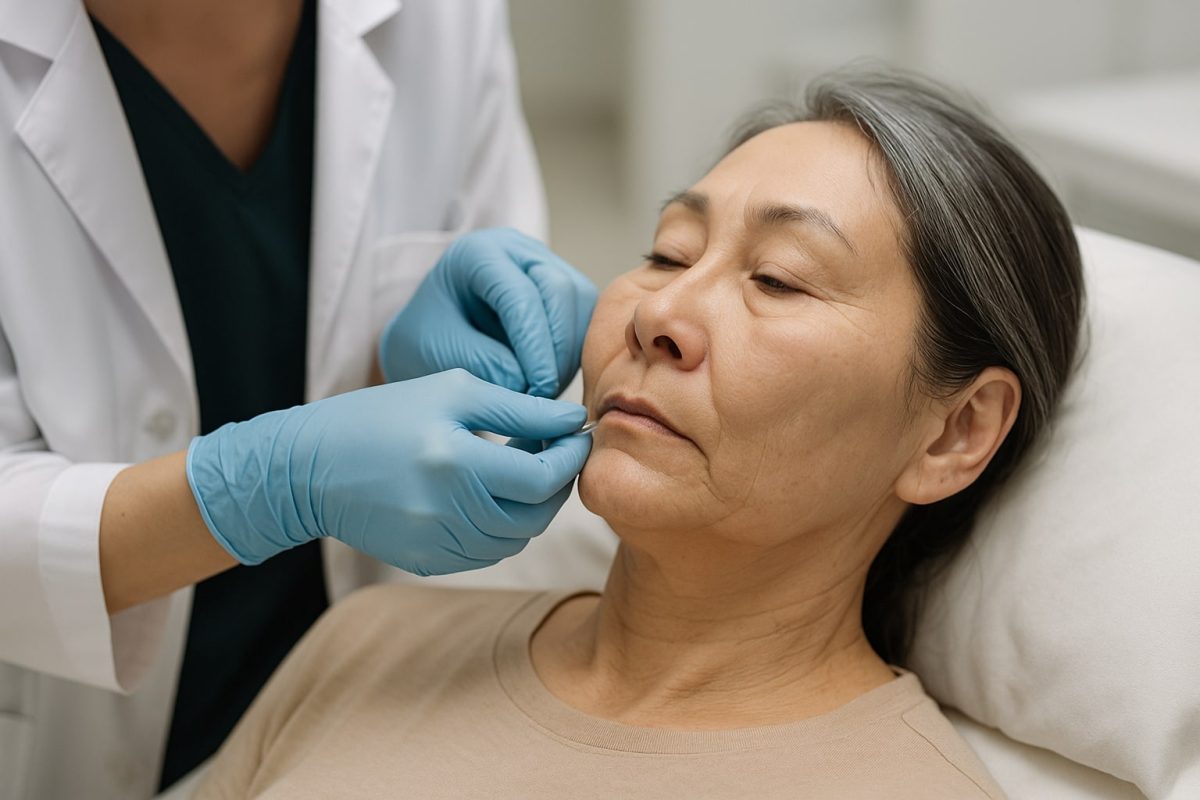
Modern aesthetic medicine offers several non-invasive and minimally invasive options to lift sagging cheeks, restore volume and improve skin quality. The choice depends on your skin condition, age and desired results.
1. Dermal Fillers
Hyaluronic acid fillers are used to restore volume in the mid-face and lift sagging tissue. When injected strategically along the cheekbones, they can recreate natural contours and reduce the appearance of droopiness. Results are instant and can last 12 to 18 months.
2. Thread Lift
A thread lift uses absorbable threads to physically lift sagging skin. The procedure also stimulates collagen over time for longer-lasting firmness. It is ideal for moderate sagging and offers visible lift without incisions.
3. High-Intensity Focused Ultrasound (HIFU)
HIFU targets deeper layers of the skin to stimulate collagen production and tighten tissue. It is non-invasive, with gradual improvement seen over 2 to 3 months.
Learn more: Does HIFU facelift work for lifting and firming.
4. Radiofrequency (RF) Treatments
RF energy gently heats the dermis to improve skin laxity and stimulate new collagen. Suitable for mild to moderate sagging, it can be combined with jarum mikro for enhanced results.
5. Laser Skin Tightening
Fractional laser treatments help improve skin texture and firmness by resurfacing the upper layers and boosting collagen below. Best for patients also concerned with pigmentation or uneven tone.
6. Collagen Stimulators
Injectable collagen stimulators like poly-L-lactic acid help restore deep tissue volume and structure over time. These are especially effective for age-related facial hollowing.
Each of these treatments can be tailored or combined based on your unique facial structure and skin health.
Is It Too Late to Treat Sagging Cheeks
It is never too late to seek treatment. While younger patients tend to respond faster due to better skin elasticity, older patients can still achieve meaningful results. A comprehensive treatment plan, guided by an experienced medical professional, can address both the volume loss and the skin quality issues contributing to sagging.
Realistic Results and Maintenance
Non-surgical treatments offer natural-looking lift and rejuvenation. However, maintenance is key. Follow-up treatments, good skincare and healthy lifestyle habits will help you prolong the results and delay further sagging.
Many patients opt for annual or biannual touch-ups to stay ahead of facial ageing without overcorrecting.
Rediscover Facial Lift with Expert Care at Dr Chong Clinic
If saggy cheeks are making you feel less confident in your appearance, you are not alone — and you do not need to settle for it. At Klinik Dr Chong, we offer advanced non-surgical treatments that restore volume, improve skin elasticity and lift the mid-face naturally.
From dermal fillers and HIFU to thread lifts and skin-tightening facials, our doctors use safe, medical-grade technologies in a clinical setting that puts your comfort and results first.
We do more than improve appearances. We help you feel good when you look in the mirror. Our treatment plans are personalised, our consultations are honest, and our results speak for themselves.
You don’t have to look tired when you feel vibrant. Let us help you bring back the lift and definition your face deserves. Book your consultation today and experience the care trusted by thousands across Malaysia.
Soalan Lazim
1. Can I fix saggy cheeks without surgery?
Yes. Non-surgical treatments like fillers, thread lifts and HIFU can effectively lift and contour sagging cheeks with little to no downtime.
2. How long do results last?
Depending on the treatment, results can last from 6 months to 2 years. Maintenance sessions help prolong the effect.
3. Is there any downtime?
Most non-invasive treatments have minimal to no downtime. You can usually return to daily activities on the same day.
4. Are treatments painful?
Most treatments involve minimal discomfort and are well-tolerated. Topical numbing cream or local anaesthesia may be used to enhance comfort.


