

Sebaceous Filaments: Causes, Treatments & Prevention (Expert Verified)

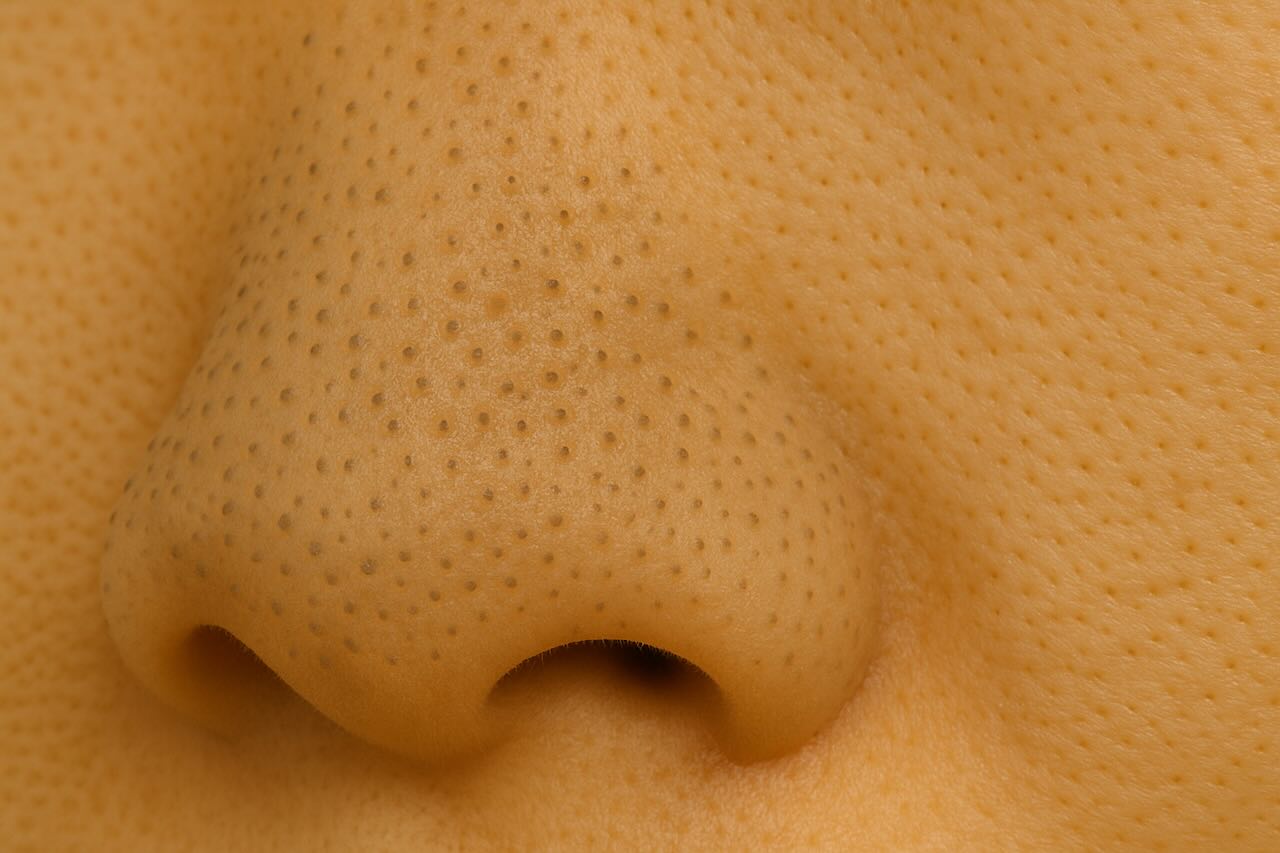
Ever noticed tiny dots on your nose, chin, or forehead and worried they were blackheads? You’re definitely not alone. Those little specks might actually be sebaceous filaments, a completely normal feature of healthy skin.
They’re not a sign of poor hygiene or acne, but part of your skin’s natural oil system. Understanding the difference between sebaceous filaments and blackheads, and how to keep them less noticeable, can help you manage your skincare routine with confidence.
What Are Sebaceous Filaments?
They are tiny, tube-like structures inside your pores. Their job is to help oil, called sebum, travel from the sebaceous glands to your skin’s surface. This oil keeps your skin moisturised and protected.
These filaments are made up of a mix of oil and dead skin cells. Everyone has them, but they’re more visible if you have oily skin or pori membesar. They often look like small grey, yellowish, or even dark dots, especially across the T-zone, which includes your nose, chin, and forehead.
Sebaceous Filaments vs Blackheads: What’s the Difference?
It’s easy to confuse sebaceous filaments and blackheads, especially since they can look quite similar on your skin. However, they are not the same thing, and understanding the difference is key to treating your skin properly.
Sebaceous Filaments
These filaments are normal parts of your skin’s structure and are not a type of acne. They play an essential role in helping oil flow naturally to the skin’s surface, keeping it healthy and moisturised.
They often appear as tiny grey, yellow, or flesh-coloured dots, particularly on areas like the nose, chin, and forehead. Unlike blackheads, sebaceous filaments do not involve a blocked pore, and even if extracted, they will refill because they’re a permanent part of how your pores function.
Blackheads (Open Comedones)
Blackheads, on the other hand, are a type of acne caused by clogged pores filled with a mixture of oil, dead skin cells, and sometimes bacteria. When the debris inside the pore is exposed to air, it oxidises and develops a dark surface, giving blackheads their characteristic appearance.
Blackheads often feel slightly raised and can usually be extracted as a solid plug. Unlike sebaceous filaments, they often require targeted acne treatments to manage and prevent them.
In short, while blackheads are clogged pores, sebaceous filaments are simply normal structures that help your skin stay healthy.
What Causes Sebaceous Filaments to Form?
While they are a normal part of your skin’s anatomy, certain factors influence how much they develop and how visible they become. Understanding what causes them can help you manage their appearance and keep your skin looking smoother and clearer.
1. Oily Skin
One of the primary causes of it is excess oil production. People with oily skin have more active sebaceous glands, producing higher amounts of sebum that fill the pores and create these visible filaments.
2. Large Pores
Larger pores naturally accommodate more sebum and dead skin cells. When pores are bigger, the filaments inside them become more apparent, particularly in areas like the T-zone where oil production is highest.
3. Hormones
Hormonal fluctuations significantly affect oil production in the skin. During puberty, menstruation, pregnancy, or periods of stress, hormones can stimulate sebaceous glands to produce more oil, leading to more noticeable filaments.
4. Genetics
Genetics play a big role in how your skin behaves. If your family members have prominent sebaceous filaments, you’re more likely to develop them as well. Your natural skin type, pore size, and oil production are all inherited traits that influence how visible these filaments may become.
How to Manage Sebaceous Filaments
While you can’t completely get rid of sebaceous filaments because they’re a natural part of your skin, you can make them less visible. A gentle, consistent skincare routine that keeps pores clear and controls oil production can help minimise their appearance, and you can also follow specific steps below to better manage them.
Don’t Squeeze or Pick
It can be tempting to squeeze them to make it less visible, but this usually does more harm than good. Squeezing can damage skin tissue, stretch and enlarge pores, introduce bacteria that cause infections, and even lead to scarring or turn harmless filaments into clogged pores or pimples.
Proper Skincare
It starts with gentle, consistent skincare. Cleanse twice daily and use non-comedogenic products to avoid clogging pores. Ingredients like salicylic acid help clear oil and debris, while retinoids boost cell turnover and reduce oil.
Whereas niacinamide balances oil and soothes skin, clay masks absorb excess oil, and oil cleansing removes buildup gently. Always moisturise, even if your skin is oily, and avoid harsh scrubbing to keep pores healthy and filaments less visible.
When to See a Dermatologist
Sebaceous filaments are harmless for most people, but there are times when seeking professional advice is wise. Consult a dermatologist if you feel self-conscious despite your skincare efforts, or if you notice redness, pain, or swelling, which could indicate infection or another skin concern.
Professional Treatments for Sebaceous Filaments
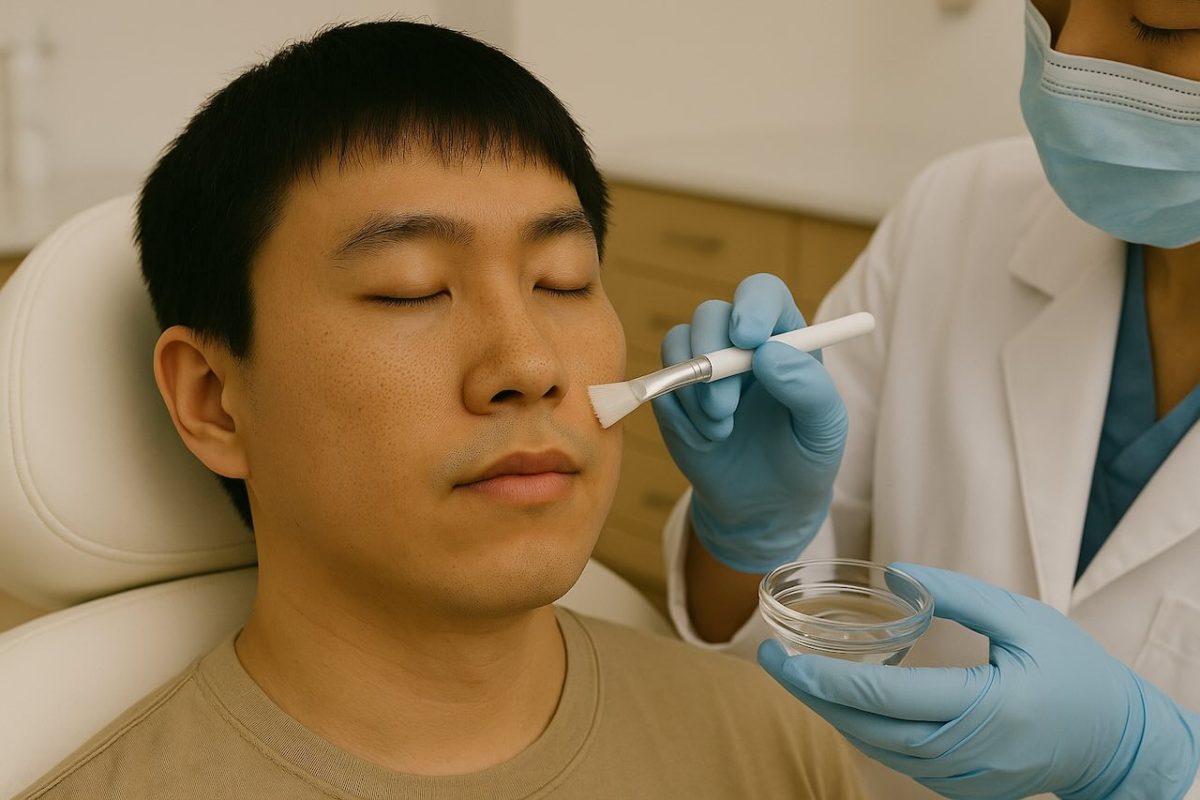
If they continue to bother you despite good skincare habits, professional treatments are available. A dermatologist can offer chemical peels to exfoliate the skin deeply and improve overall texture. Microneedling is another option, gently removing the skin’s top layer to help pores look less noticeable.
For more stubborn cases, prescription-strength retinoids may be prescribed to regulate oil production and encourage healthy skin turnover. These professional options can significantly improve skin texture and reduce the appearance of sebaceous filaments for those seeking more dramatic results.
Take Control of Your Skin’s Health
Sebaceous filaments may be normal, but if they’re making your pores look more visible or affecting your confidence, it’s time to take action. At Klinik Dr Chong, we offer advanced treatments and personalised skincare plans to help you achieve smoother, clearer skin and feel more confident in your complexion.
Don’t wait to take charge of your skin. Contact us today to schedule a consultation and explore the best options for managing them and keeping your skin healthy.
Soalan Lazim (FAQ)
1. Why do sebaceous filaments seem more noticeable on my nose?
Sebaceous filaments appear more visible on your nose because there are more oil glands and larger pores in that area as compared to other parts of your face.
2. Do sebaceous filaments mean my skin is dirty?
Sebaceous filaments are normal structures that help move oil to your skin’s surface and are not caused by dirt or poor hygiene.
3. Will washing my face more often get rid of sebaceous filaments?
Over-washing does not help with sebaceous filaments and can actually irritate your skin and increase oil production. Gentle cleansing twice a day is enough to help manage them.
4. Can makeup make sebaceous filaments worse?
Certain makeup products can clog pores and make blackheads appear more prominent so it’s best to choose non-comedogenic makeup to reduce this risk.
*Semua imej yang digunakan dalam artikel ini adalah dijana AI.


