

Pembersihan Kulit vs Jerawat: Apakah Perbezaannya?

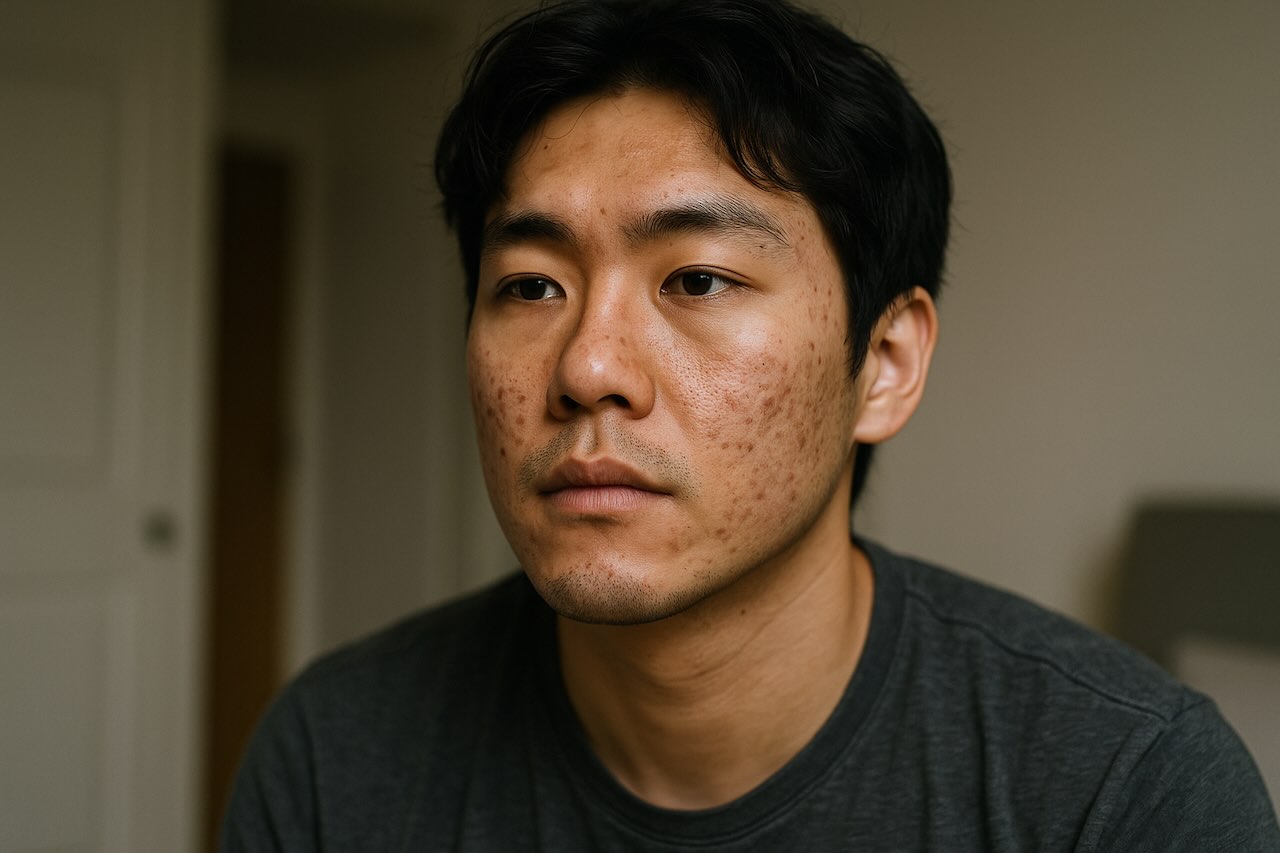
When starting a new skincare product, it’s common to notice small bumps or pimples appearing. But how can you tell if it’s a normal skin purge or a breakout? While both may look similar, their causes and treatments are completely different.
Understanding the difference between skin purging and breakouts helps you avoid unnecessary irritation and make smarter skincare choices. With the right knowledge, you can determine whether to stick with a new product or stop before it causes more harm.
Skin Purging vs Breakouts
Both purging and breakouts involve pimples, clogged pores, and inflammation, but the main difference lies in their cause. Skin purging is a temporary reaction that occurs when active ingredients accelerate cell turnover, bringing impurities to the surface faster.
Breakouts, on the other hand, result from irritation, clogged pores, or unsuitable products that disrupt the skin barrier and trigger inflammation. Understanding these distinctions is key to managing your skin effectively and avoiding unnecessary damage. Let’s take a closer look at what sets them apart.
What Is Skin Purging?
Skin purging occurs when active ingredients like retinoids, AHAs, BHAs, or vitamin C speed up the skin’s renewal process. This brings hidden congestion, such as excess oil on the skin, dead skin, and bacteria, to the surface more quickly. As a result, you may experience small pimples or bumps that appear suddenly but fade as the skin adjusts.
These purging pimples usually show up in areas where you normally experience breakouts and typically last 2–6 weeks. While it may feel frustrating, purging often signals that the product is doing its job by clearing out impurities and revealing smoother, clearer skin underneath. Common ingredients that cause purging include:
- Retinol and tretinoin
- Salicylic acid and glycolic acid
- Lactic acid and mandelic acid
- Vitamin C serums
What Are Breakouts?
Breakouts are the skin’s reaction to blocked pores, excess oil, bacteria, or irritation. They can occur when skincare products are too harsh, too oily, or simply not suited for your skin type. Unlike purging, breakouts often appear in new areas of the face where you don’t typically get pimples.
These blemishes may persist for several weeks or longer and can result in scarring or hiperpigmentasi if not properly treated. Breakouts are a sign that your skin barrier is irritated or that your skincare routine needs adjusting. Common causes of breakout can include:
- Heavy, comedogenic skincare or makeup
- Dirty pillowcases or makeup tools
- Hormonal changes and stress
- Diet high in sugar or dairy
Key Differences Between Skin Purging and Breakouts
Although purging and breakouts may look similar at first glance, they follow very different patterns in how they develop, behave, and heal. Recognizing these distinctions can help you determine whether your skin is adjusting to a new product or reacting negatively to one.
Cause
Purging occurs when active ingredients like retinoids, AHAs, BHAs, or vitamin C speed up skin cell turnover, pushing impurities to the surface faster. This often results in temporary pimples as the skin adjusts. Breakouts, however, happen when pores are blocked or irritated by unsuitable or harsh products, leading to inflammation and imbalance rather than renewal.
Lokasi
Purging usually happens in areas where you already tend to break out, such as the forehead, chin, or cheeks. It’s your skin’s way of pushing impurities out from its usual problem zones. Breakouts, however, can occur in new or random areas like the temples, hairline, or neck, suggesting irritation or pore congestion from certain products.
Duration
A skin purge usually lasts two to six weeks, depending on your skin’s renewal cycle and product tolerance. Breakouts, however, can persist or worsen if the cause isn’t addressed. Flare-ups lasting beyond six weeks often indicate that the product is too strong or unsuitable for your skin.
Appearance
Purging usually appears as small, uniform pimples like whiteheads or tiny red bumps that heal faster than regular acne. These spots come to a head quickly and fade within days. Breakouts, however, vary in size and severity, from large cysts to inflamed pustules or blackheads, healing more slowly and often leaving marks or scars.
Outcome
Once purging ends, skin appears clearer, smoother, and more refined because clogged pores have been cleared out and cell turnover has normalized. It’s a temporary setback that leads to long-term improvement. Breakouts, however, can cause prolonged irritation, hyperpigmentation, and acne scarring, often requiring additional treatments.
How to Manage Skin Purging and Treat Breakouts
If you’re dealing with skin purging or breakouts, the key is patience, consistency, and gentle care. Start new active products slowly, using them two to three times a week before increasing frequency.
Keep your skincare routine simple with a mild cleanser, hydrating moisturizer, and daily sunscreen. Avoid picking or scrubbing, as this delays healing and can lead to scarring. Instead, soothe your skin with calming ingredients such as niacinamide, centella asiatica, and aloe vera.
If your skin is experiencing true breakouts, discontinue any irritating products and switch to gentle, non-comedogenic alternatives. Use acne-fighting ingredients like benzoyl peroxide, salicylic acid, or azelaic acid to clear pores and reduce bacteria.
Maintain clean habits by washing your face regularly, changing pillowcases weekly, and keeping your hands away from your face. Lastly, support your skin from within by reducing sugar and dairy intake, managing stress, and getting enough rest. With consistent care, your skin will gradually calm, heal, and regain its natural clarity.
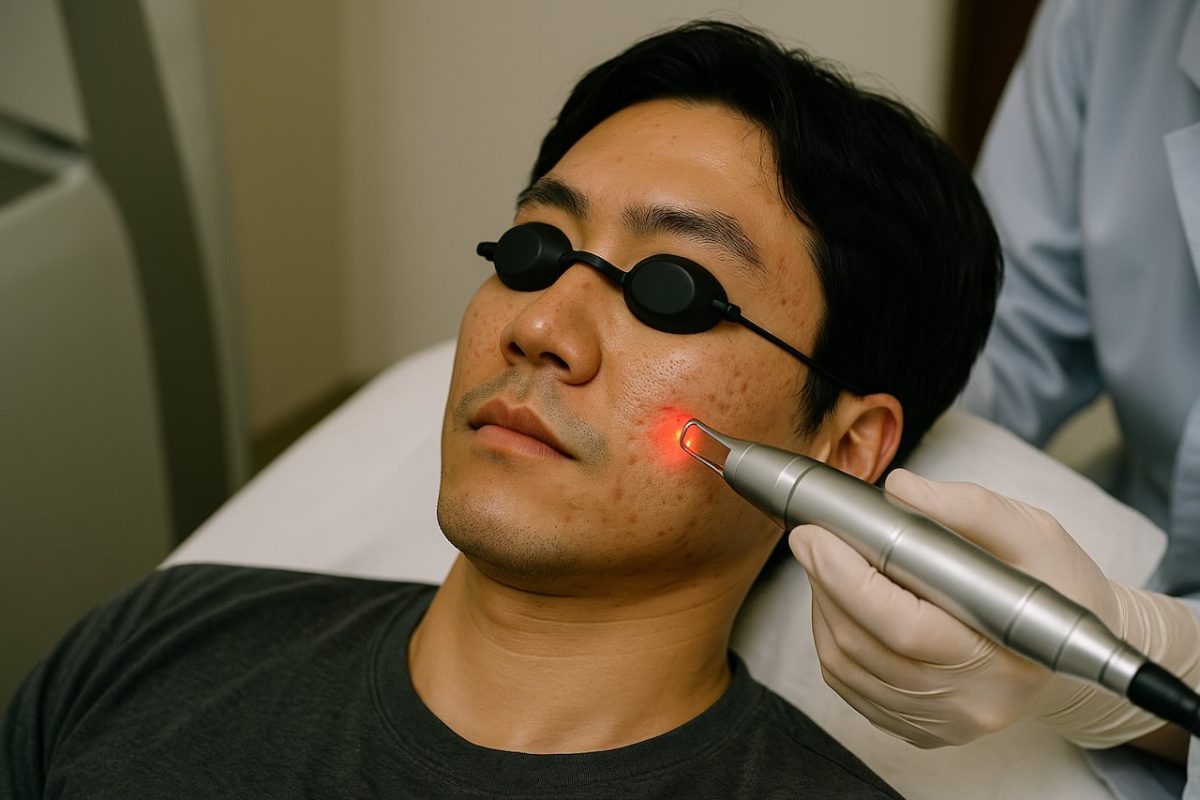
Professional Treatments for Persistent Breakouts
If purging or breakouts persist despite consistent home care, professional treatments can help speed up healing, balance oil production, and prevent future flare-ups. These advanced solutions target the root causes of acne, such as bacteria, clogged pores, and pigmentation, while promoting smoother, healthier skin.
Laser Pico
The Laser Pico uses ultra-short bursts of energy to shatter acne pigmentation, scars, and blemishes deep within the skin without damaging surrounding tissue. Unlike traditional lasers that rely on heat, Laser Pico uses mechanical energy, making it safer for sensitive and Asian skin types.
The treatment also stimulates collagen production, helping to smooth rough texture, minimize pores, and brighten dull skin. Over a few sessions, it effectively fades acne marks and uneven tone, revealing a clearer, more refined complexion with minimal downtime.
Dual Yellow Laser
The Dual Yellow Laser combines two wavelengths, yellow and green light, to treat both active acne and post-acne pigmentation. The yellow light kills acne-causing bacteria, reduces inflammation, and shrinks overactive oil glands, while the green light lightens dark spots and evens out skin tone.
This gentle, non-invasive laser is ideal for those with redness, sensitive skin, or recurring breakouts. It promotes faster healing and gives the skin a brighter, calmer appearance. Regular sessions can also help strengthen the skin barrier and maintain long-term clarity.
Pengelupasan Kimia
Kulit kimia use controlled exfoliating acids such as glycolic, lactic, or salicylic acid to dissolve dead skin cells and unclog pores. This process smooths skin texture, reduces blackheads and whiteheads, and encourages cell renewal.
Beyond treating acne, chemical peels help fade dark spots and scars, restoring a smoother, more radiant complexion. They can be customized from mild to deep exfoliation based on your skin type and concerns. Regular treatments keep skin healthy, glowing, and more resilient.
These professional options, when guided by an experienced aesthetic doctor, deliver safe and effective results. Combining them with proper at-home care ensures long-term improvement and a balanced, blemish-free complexion.
When to See a Dermatologist
If your acne lasts more than six weeks or worsens with time, consult a qualified dermatologist. They can determine whether your reaction is purging or a breakout and recommend a tailored treatment plan. Early intervention helps prevent scarring and long-term pigmentation.

Achieve Clear, Healthy Skin Safely
Skin purging and breakouts may look alike, but they have very different causes and treatments. Learning to distinguish between them helps you avoid unnecessary irritation and find a routine that truly benefits your skin.
Pada Klinik Dr Chong, our LCP-certified doctors specialize in acne management and skin rejuvenation using FDA-approved technologies. Whether you’re dealing with purging, persistent acne, or pigmentation, we create personalized treatment plans to restore your skin’s clarity and balance.
Contact Dr. Chong Clinic today to schedule your consultation and start your journey toward smoother, healthier, and glowing skin.
Soalan Lazim (Soalan Lazim)
1. How long does skin purging last?
Skin purging usually lasts 2 to 6 weeks, depending on your skin cycle and the active ingredients used.
2. Can purging happen with all skincare products?
No. Only products that increase cell turnover, like retinoids or acids, can cause purging. Moisturizers or sunscreens should not.
3. Should I stop using a product if my skin is purging?
If your skin shows mild breakouts that fade within weeks, continue use. If irritation worsens or spreads, stop immediately.
4. Can I use makeup during purging?
Yes, but choose lightweight, non-comedogenic formulas and remove makeup thoroughly to prevent further clogging.
*Semua imej yang digunakan dalam artikel ini adalah dijana AI.


