

Understanding Skin Types: How to Identify and Care for Yours


Every person’s skin is unique, but dermatologists generally recognise five main skin types: normal, dry, oily, combination, and sensitive. Your skin type is largely determined by genetics and how much sebum (oil) your skin produces. Sebum levels affect hydration, pore size, and how well your skin’s natural barrier protects against irritation.
Identifying your skin type is crucial when building an effective skincare routine. Using products suited for your skin helps maintain balance, prevent common issues like acne-prone skin or dryness, and support overall skin health. In this guide, we will explore the characteristics of each skin type, how to determine yours, and the best ways to care for it.
The Five Skin Types
Understanding the five main skin types is the first step in building a routine that truly works for your complexion. Each skin type has its own characteristics, challenges, and needs. By identifying whether your skin is normal, dry, oily, combination, or sensitive, you can choose products and treatments that support healthier, more balanced skin.
Normal Skin
Normal skin is considered the most balanced of all skin types. It is not overly oily or excessively dry, which makes it easier to manage on a daily basis. This skin type usually feels comfortable throughout the day without tightness or greasiness. The texture is smooth, pores are small and less visible, and blemishes or sensitivity are uncommon.
That being said, having normal skin does not mean it should be neglected. Without proper care, even normal skin can become dehydrated, develop pigmentation, or show early signs of aging. The key is to maintain its natural balance and protect it from external damage. To keep normal skin at its healthiest, here are some essential care tips:
- Keep it simple: Stick to a routine with a gentle cleanser, a lightweight moisturiser, and broad-spectrum sunscreen to maintain your skin’s natural balance.
- Add protection: Incorporate antioxidant serums with ingredients like vitamin C to protect against environmental stressors and keep skin glowing.
- Prevent premature aging: Treatments such as skin rejuvenation can help maintain elasticity and prevent early fine lines.
- Pamper your skin occasionally: Indulge in facials like Hydrafacial, which deeply cleanse, hydrate, and refresh the skin for long-lasting radiance.
Normal skin may not require as much targeted treatment as other types, but maintaining consistency is key. With the right balance of daily care and occasional professional treatments, normal skin can stay youthful, smooth, and healthy over time.
Dry Skin
Dry skin produces less sebum than normal skin, which means it struggles to retain enough natural oils to keep the barrier healthy and hydrated. As a result, it often feels tight and uncomfortable, especially after cleansing or exposure to cold, dry air. Visually, dry skin may appear dull and rough, with flakes or patches that can make makeup application difficult.
Dry skin can be managed effectively with the right daily care and targeted treatments. The focus should be on replenishing moisture, repairing the barrier, and protecting against external stressors that worsen dryness. Here are some care tips to help keep dry skin nourished and comfortable:
- Use gentle, creamy cleansers: Avoid foaming cleansers that strip away natural oils. Cream or milk-based cleansers clean the skin without over-drying.
- Choose hydrating moisturisers: Look for formulas rich in ceramides, glycerin, or hyaluronic acid to repair and strengthen the skin barrier while locking in moisture.
- Limit exfoliation: Exfoliate no more than once a week, using mild chemical exfoliants instead of harsh scrubs that can cause micro-tears and irritation.
- Boost hydration professionally: Treatments like Rejuran atau Salmon DNA injections help restore skin elasticity, improve barrier function, and deeply hydrate the skin for long-term results.
With consistent care, dry skin can regain its softness and glow. Building a routine that focuses on hydration and barrier repair is the best way to protect it from premature aging and maintain a smoother, healthier appearance.
Oily Skin
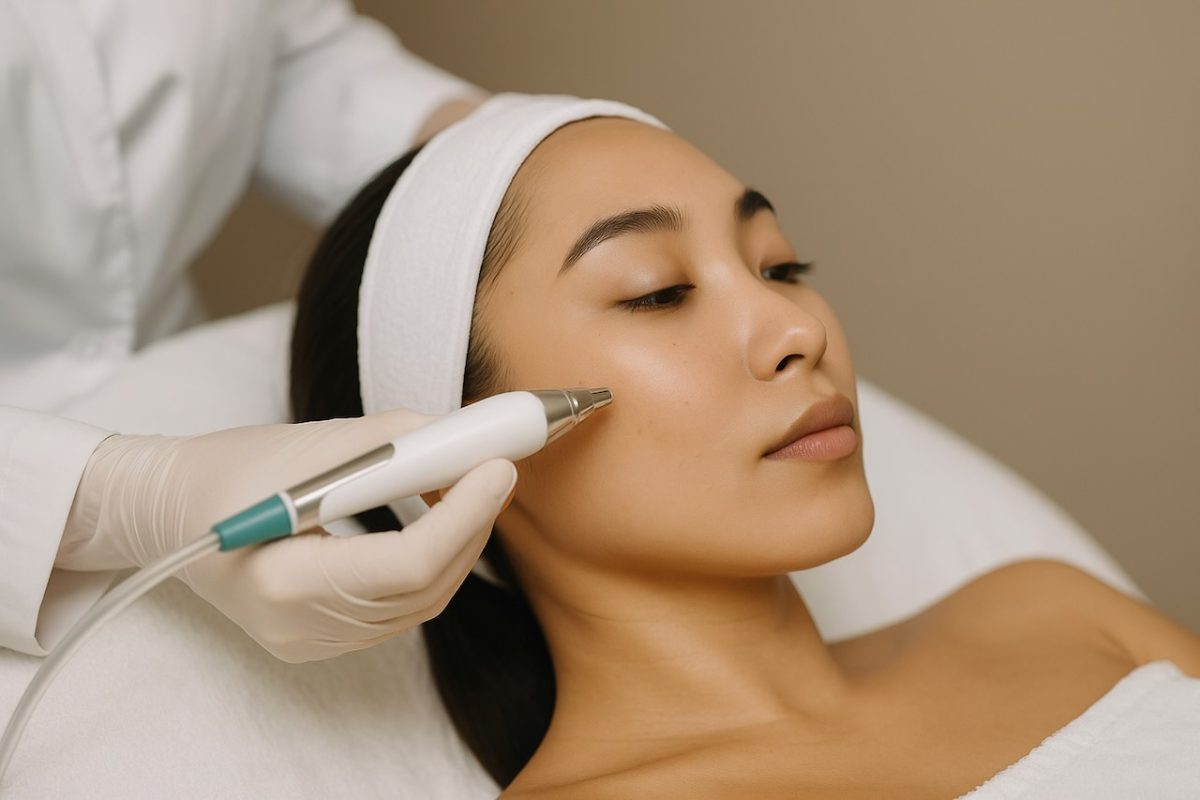
Oily skin is caused by overactive sebaceous glands that produce more sebum than the skin needs. This excess oil often creates a glossy or greasy shine, especially in the T-zone, and contributes to enlarged pores that are more prone to clogging. As a result, oily skin has a higher likelihood of developing blackheads, whiteheads, and acne.
However, balance is key. Stripping oily skin with harsh cleansers or skipping moisturiser can actually backfire, as the skin may respond by producing even more oil. A thoughtful skincare routine and the right professional treatments can help regulate sebum production, refine pores, and reduce breakouts.
- Wash twice daily: Use gel or foaming cleansers with BHA or salicylic acid to deeply cleanse pores and remove excess sebum without over-drying.
- Hydrate wisely: Choose oil-free, water-based moisturisers and sunscreens that are labelled non-comedogenic to avoid clogging pores.
- Manage shine: Blotting papers are a quick way to absorb excess oil during the day, while clay masks help detoxify and minimise shine when used once or twice weekly.
- Explore professional treatments: Options such as chemical peels, jarum mikro, or Laser Pico can refine pores, regulate oil production, and improve skin texture over time.
With the right approach, oily skin can be managed effectively. Instead of fighting against the oil, focus on keeping it balanced, clear, and healthy.
Combination Skin
Combination skin is a mix of different skin types, which makes it one of the trickier types to manage. Typically, the T-zone (forehead, nose, and chin) produces more oil and appears shiny, while the cheeks and jawline may feel normal or even dry.
This imbalance can make it difficult to find products that work well across the entire face. The key to caring for combination skin is balance. By tailoring your routine to address the needs of both oily and dry areas, you can keep the skin clear, hydrated, and even-toned.
- Cleanse gently: Use a balancing cleanser that removes excess oil without stripping drier areas of essential moisture.
- Moisturise smartly: Apply lightweight, oil-free moisturiser to the T-zone, while using slightly richer creams on drier spots like the cheeks.
- Avoid heavy products: Stay away from thick, pore-clogging skincare or makeup that can worsen oiliness in the T-zone.
- Try multi-masking: Use a clay mask on oily areas and a hydrating mask on drier patches to target each zone effectively.
- Explore professional treatments: Options like hydrafacials deeply cleanse and hydrate the skin, while skin laser resurfacing can refine texture, reduce excess oil, and improve overall tone.
By adapting your routine to the different needs of each area, combination skin can be kept clear, comfortable, and balanced. Professional treatments can also help harmonise the skin, making it easier to manage in the long run.
Sensitive Skin
Sensitive skin is not defined by how much oil it produces but rather by its tendency to react easily to various triggers. It may become red, itchy, or inflamed when exposed to certain skincare products, fragrances, or harsh environmental factors. Sensitive skin often has a weakened barrier, which makes it more vulnerable to irritation.
The main focus for sensitive skin is protection and soothing care. Choosing the right products and treatments can help strengthen the skin barrier, reduce inflammation, and keep flare-ups under control.
- Use gentle products: Stick to fragrance-free, hypoallergenic, and alcohol-free skincare to minimise the risk of irritation.
- Avoid harsh actives: Steer clear of strong exfoliants or aggressive active ingredients that may inflame the skin further.
- Soothe and strengthen: Incorporate calming ingredients like aloe vera, niacinamide, or ceramides to restore comfort and protect the barrier.
- Protect daily: Always wear sunscreen, as UV rays can worsen sensitivity and trigger redness.
- Try gentle professional treatments: Options like oxy facials provide hydration and calming benefits, while dual yellow laser helps reduce redness, inflammation, and pigmentation without stressing the skin.
With the right approach, sensitive skin can be kept comfortable and resilient. A consistent routine and dermatologist-guided treatments are key to maintaining balance and preventing unnecessary irritation.
How to Determine Your Skin Type
Not sure which skin type you have? Identifying it does not need to be complicated. A few simple methods can help you better understand your skin and choose the right products and treatments.
Visual Inspection
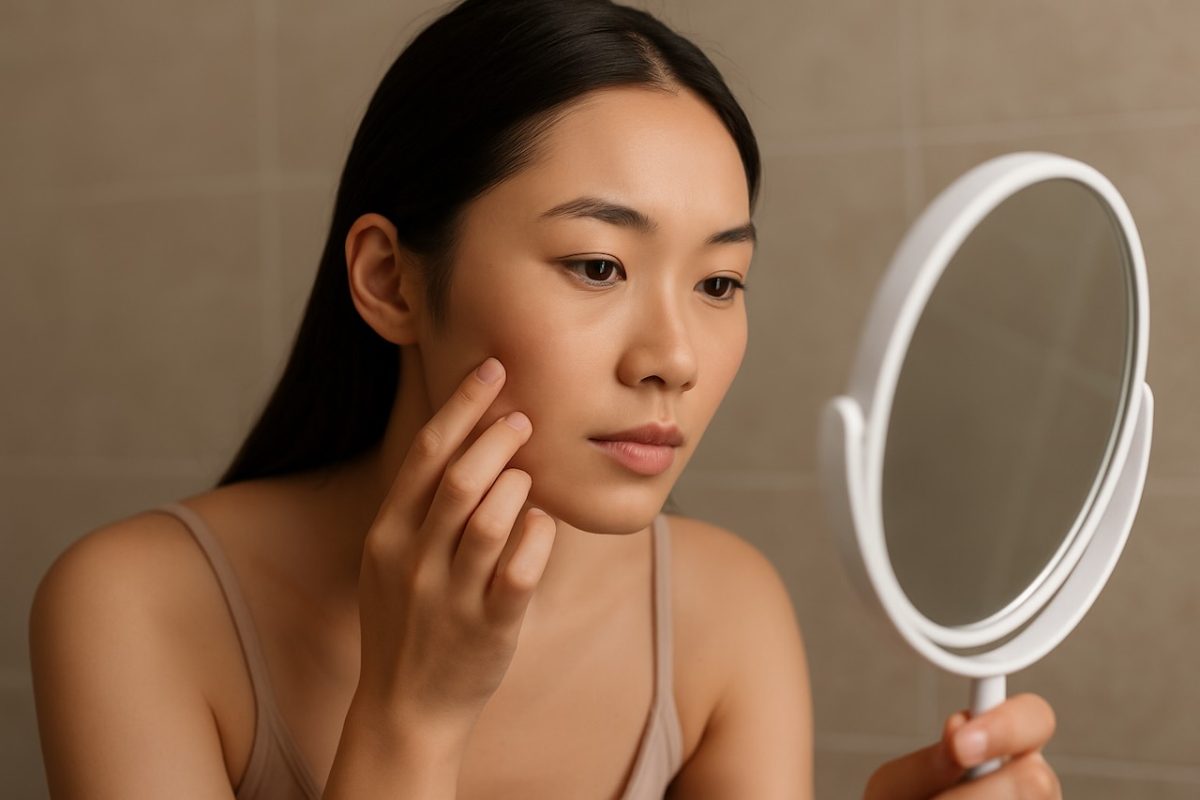
Start by cleansing your face with a gentle cleanser and leaving it bare for about an hour without applying any products. Then, observe how your skin feels and looks throughout the day. If your skin feels tight and flaky, it is most likely dry. If your face appears shiny all over, you probably have oily skin.
When the T-zone looks shiny but the cheeks feel dry, this usually indicates combination skin. If your skin feels comfortable and balanced, it is considered normal. Skin that becomes red, itchy, or easily irritated suggests sensitivity.
Blotting Paper Test
Another simple way to determine your skin type is by using blotting paper. Gently press the paper onto different areas of your face and then hold it up to the light. If the paper absorbs oil from all parts of your face, you have oily skin. If oil only appears on the T-zone, you likely have combination skin. Little to no oil on the paper indicates either dry or normal skin.
Professional Analysis
For the most accurate results, consider a professional skin analysis. Dermatologists or licensed estheticians can examine your skin using advanced tools and expertise, helping you identify your exact skin type and recommending treatments that are best suited to your unique needs.
Discover Your Skin Type and the Right Care
Understanding your skin type is the first step toward healthier, clearer, and more radiant skin. By identifying whether your skin is normal, dry, oily, combination, or sensitive, you can select the right products, build an effective routine, and explore treatments that support your skin’s unique needs.
Pada Klinik Dr Chong, they go beyond one-size-fits-all solutions. Their team offers LCP-certified expertise, advanced technologies, and personalised treatment plans tailored to every skin type. With over 20 branches nationwide, they make expert dermatological care convenient and accessible, helping you achieve visible, lasting results.
Hubungi Klinik Dr Chong hari ini and let us guide you on a skincare journey designed just for you
Frequently Asked Questions (FAQ) .
1. Can my skin type change over time?
Yes. Age, hormones, climate, and lifestyle can shift your skin from oily to dry or vice versa.
2. Which skin type is most prone to acne?
Oily and combination skin are most acne-prone due to excess sebum, but any type can break out.
3. How often should I check my skin type?
Reassess every few months or when you notice changes, like seasonal shifts or new medications.
4. What routine works if I am unsure of my skin type?
Start simple with a gentle cleanser, lightweight non-comedogenic moisturiser, and broad-spectrum sunscreen.
*Semua imej yang digunakan dalam artikel ini adalah dijana AI.


