

Types of Acne Scars: Causes, Classifications, and Best Treatments

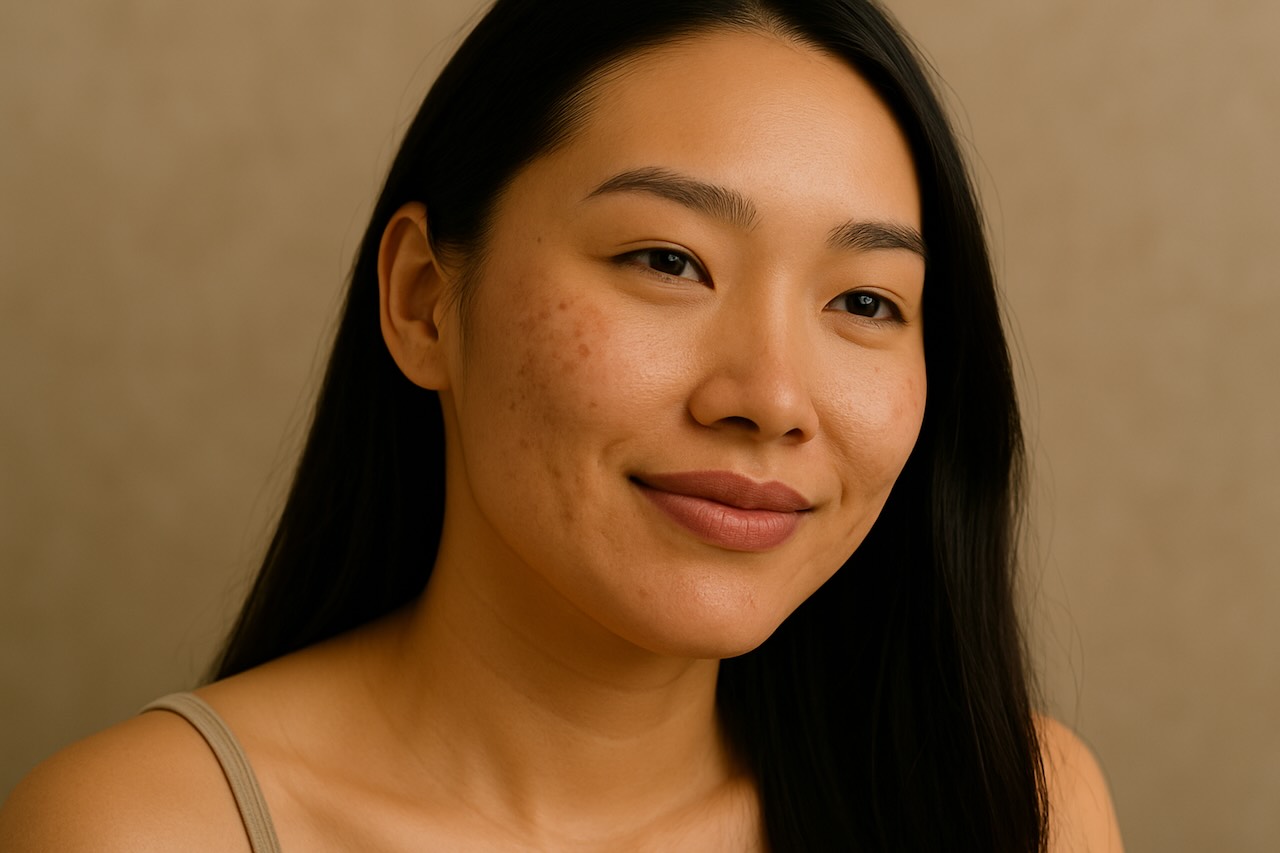
Acne scars can last long after breakouts have cleared, often leaving behind uneven tekstur kulit and discoloration. These marks can affect confidence just as much as acne itself. Not all scars are the same, and each requires a different treatment approach. Some are indented, while others are raised or discolored.
By understanding the different types of acne scars, you can find the most effective treatments to restore smoother, healthier-looking skin. Whether you are considering chemical peels or advanced laser therapies, knowing which scar type you have is the first step toward choosing the right treatment.
Why Do Acne Scars Form?
Acne scars form when inflammation damages the deeper layers of the skin during the healing process. Severe types of acne, such as jerawat kistik atau nodular acne, are more likely to leave permanent marks, especially if blemishes are picked or squeezed. When the skin produces too little collagen, it results in depressed, indented scars, while too much collagen leads to raised, lumpy scars.
In addition, pigment changes can cause dark or red marks that, although not true scars, are often mistaken for them. Factors such as lifestyle, genetics, and delayed acne treatment can increase the likelihood of scarring, which is why managing acne-prone skin early is so important.
Types of Acne Scars
Acne scars form when breakouts damage the skin and the body’s natural healing process produces too little or too much collagen. These scars can appear in different forms, ranging from shallow indentations to thick raised growths. Recognizing the type of acne scar is an important step toward choosing the right treatment, as each type responds differently to medical and cosmetic procedures.
Atrophic (Indented) Scars
Atrophic scars are the most common type of acne scar. They occur when the skin does not produce enough collagen during healing, leaving behind depressions or pits in the surface. These scars are frequently found on the cheeks, temples, and forehead, giving the skin a pitted appearance. Because they sit below the surface, treatments often focus on stimulating collagen production
Ice Pick Scars
Ice pick scars are deep, narrow punctures that look like tiny holes in the skin, often with sharp, defined edges. They are caused by severe tissue loss from inflamed or infected acne lesions. Due to their depth, they can be difficult to treat with surface-level procedures.
Boxcar Scars
Boxcar scars appear as wide, round, or oval depressions with steep vertical edges. They are caused by localized collagen loss that prevents the skin from healing evenly. These scars are typically found on the cheeks and lower jawline, creating a crater-like appearance.
Rolling Scars
Rolling scars create a wave-like texture on the skin, making the surface appear uneven or bumpy. They are broad, shallow depressions with sloping edges caused by fibrous bands of tissue pulling the skin downward.
Raised (Hypertrophic and Keloid) Scars
Raised scars form when the body produces too much collagen during the healing process, leading to thick, firm scars that sit above the surface of the skin. They are more common in individuals with darker skin tones and may be challenging to manage.
Hypertrophic Scars
Hypertrophic scars are raised, thickened scars that develop as part of the body’s healing response. Unlike keloids, they remain within the boundaries of the original acne lesion. These scars may feel firm to the touch and often appear pink, red, or slightly darker than the surrounding skin.
Keloid Scars
Keloid scars are more pronounced and extend beyond the original acne site. They can continue to grow even after the skin has healed, sometimes becoming large and irregular in shape. Keloids may appear shiny, dark, or reddish, and are often more common in people with darker skin tones.
Other Post-Acne Skin Changes
Not all marks left behind by acne are permanent scars. Some are temporary changes in skin color or tone that gradually fade with time, but they are often mistaken for scarring.
- Post-Inflammatory Hyperpigmentation (PIH): PIH appears as dark spots or patches that develop when excess melanin is produced after acne heals. These marks are more noticeable on medium to darker skin tones and can linger for several months before gradually lightening.
Post-Inflammatory Erythema (PIE): PIE shows up as pink or red spots caused by dilated blood vessels following acne inflammation. They are more common in lighter skin tones and may take weeks to months to fade as the skin recovers.
Best Treatments for Acne Scars
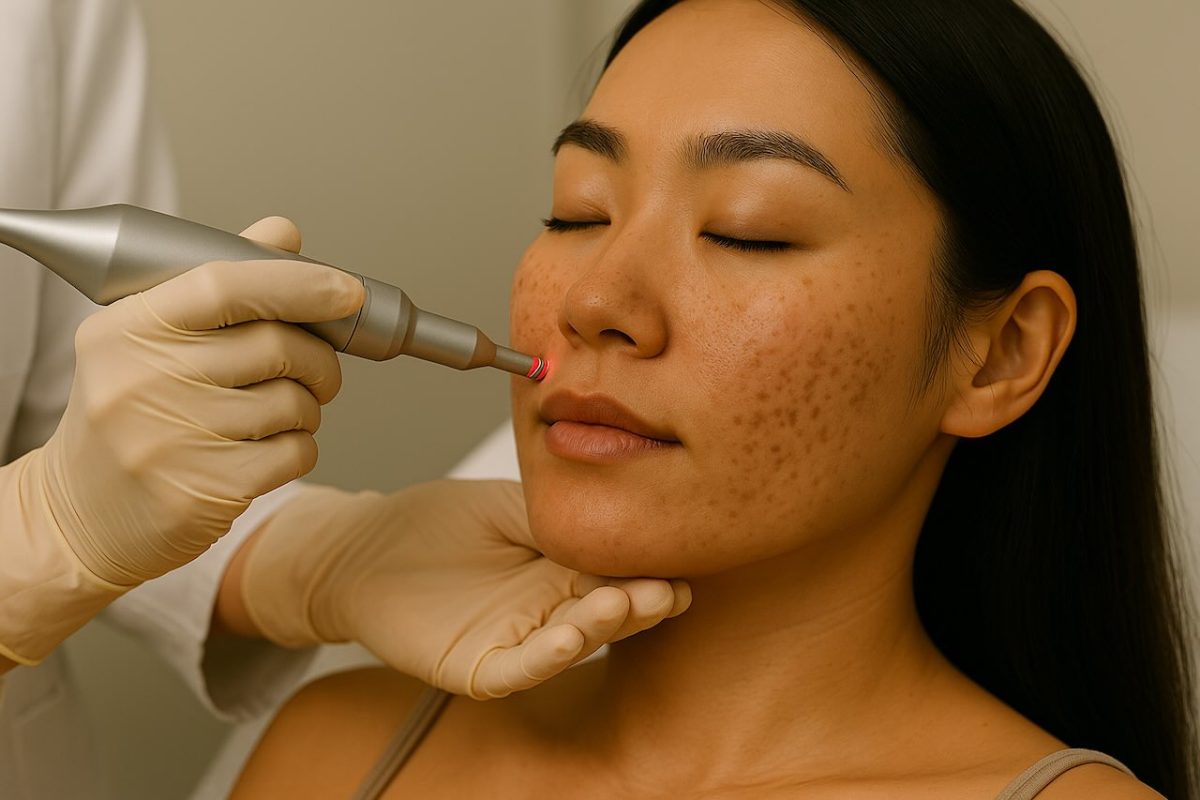
The most effective approach to treating acne scars depends on the type and severity of the scar. Since no single method works for every case, dermatologists often recommend a combination of treatments to achieve the best possible results. Each technique targets scars in different ways, either by stimulating collagen, resurfacing the skin, or improving skin texture and smoothness.
Microneedling
Microneedling works by creating tiny controlled injuries in the skin to stimulate collagen production. This process gradually helps to improve the texture of depressed scars, particularly rolling and boxcar scars. Over time, the skin becomes firmer and smoother, making scars less noticeable.
Pengelupasan Kimia
Kulit kimia use specially formulated solutions to exfoliate the outer layers of skin, encouraging new cell turnover. This treatment can reduce the appearance of mild atrophic scars and even out overall skin tone. It is often used for more superficial scarring where gentle resurfacing is effective.
Laser Resurfacing
Penurapan semula laser is one of the most advanced treatments for acne scars, targeting deeper layers of skin to remodel collagen and smooth irregular textures. Options like Laser Pico and fractional CO2 laser are especially effective for stubborn scars such as ice pick or boxcar. These treatments can significantly reduce scar depth and improve overall skin clarity.
Subcision
Subcision is a minor surgical technique used to release fibrous bands that tether rolling scars beneath the skin’s surface. By breaking these bands, the skin is lifted, creating a smoother and more even appearance. It is often combined with other treatments for better long-term results.
Pengisi Dermal
Dermal fillers are injected beneath indented scars to lift and plump the skin from below. This creates an immediate improvement in the appearance of depressed scars. While the effects are temporary, fillers can be a useful option for those seeking quick results or as part of a larger treatment plan.
Combination Therapy
Because acne scars often vary in type and severity across different areas of the face, many dermatologists recommend combination therapy. This approach uses two or more treatments together, such as subcision with microneedling or laser resurfacing with fillers, to maximize results and provide a more comprehensive improvement.
Preventing Acne Scars
Prevention is always better than cure, and taking the right steps early can greatly reduce the risk of permanent scarring. It is important to treat acne promptly rather than waiting until it becomes severe, as early intervention minimizes skin damage. Avoid picking or squeezing pimples, since this can worsen inflammation and increase the likelihood of scars.
Daily use of sunscreen helps protect the skin and prevents post-inflammatory hyperpigmentation (PIH) from becoming more noticeable. Choosing the right skincare products for acne-prone skin also plays a key role in prevention. Finally, consider whether home remedies are sufficient for your condition or if professional treatments may provide better long-term results
Restore Smoother Skin with Expert Care
Acne scars come in many forms, from indented ice pick and rolling scars to raised hypertrophic and keloid scars, but all can be improved with the right treatment plan. Options like microneedling, chemical peels, and skin laser treatment/resurfacing have helped countless patients achieve smoother skin and renewed confidence.
Dr Chong Clinic’s LCP-certified dermatologists specialise in personalised acne scar solutions. By combining advanced technology with safe, effective techniques, they provide the best treatment for acne scars in Malaysia tailored to your skin type and scar condition. Hubungi Klinik Dr Chong hari ini and take the first step toward clearer, healthier skin.
Soalan Lazim (FAQ)
1. Can acne scars be removed permanently?
Many people ask, can acne scars be removed permanently? While complete removal is rare, advanced treatments can significantly reduce their appearance.
2. Which acne scars are the hardest to treat?
Ice pick scars are the most challenging due to their depth, but options like fractional CO2 lasers and TCA cross treatments can improve them.
3. How long does it take to see results from treatment?
Mild scars may improve after a few sessions, while deeper scars often require several months of combined treatments.
4. Are home remedies effective for acne scars?
No. While they can improve skin health, only professional options like microneedling, lasers, or peels deliver visible improvement.
*Semua imej yang digunakan dalam artikel ini adalah dijana AI.


