

Warts: Symptoms, Causes, Diagnosis & Treatment

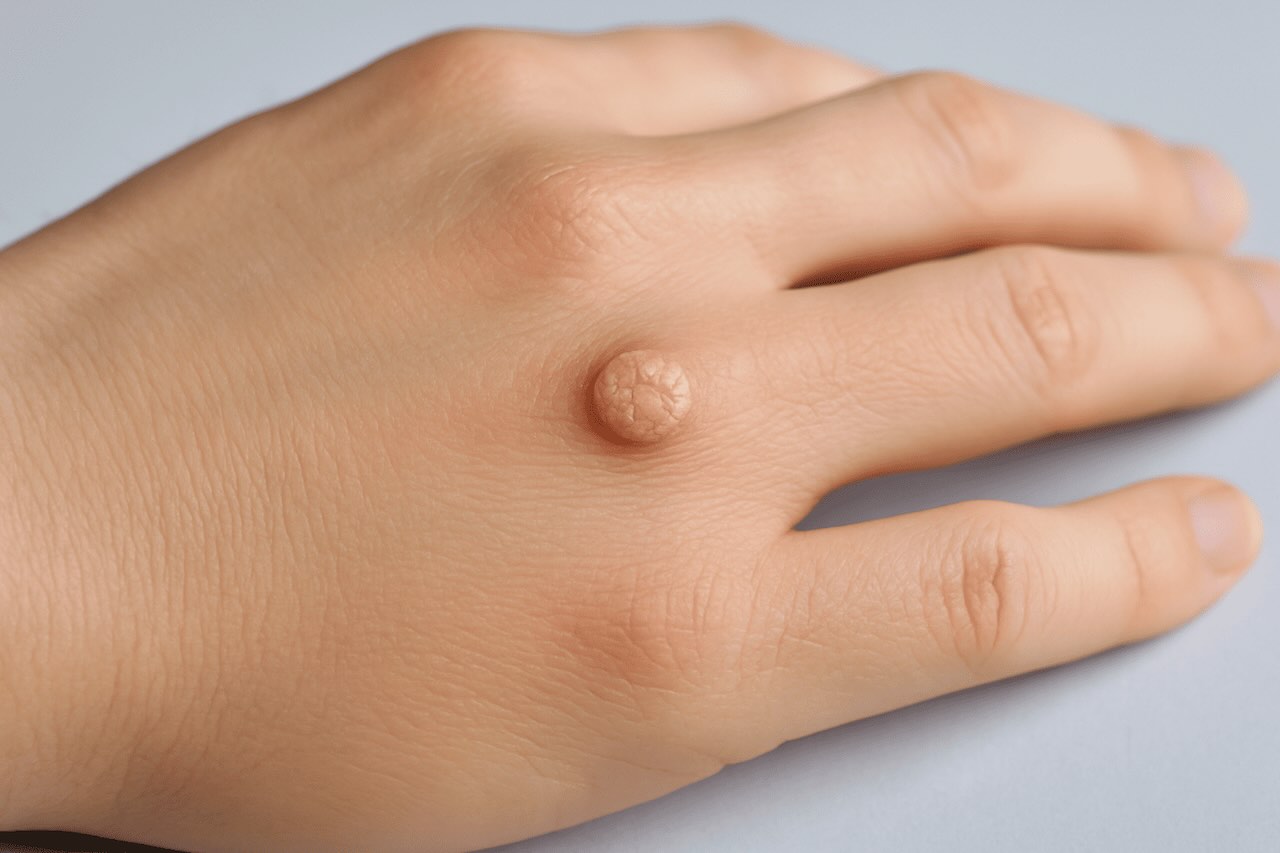
Warts are an incredibly common dermatological condition, affecting approximately 10% of the worldwide population. This prevalence increases significantly among school-aged children, with rates reaching 10% to 20% in this age group. While generally harmless, these growths can be bothersome, sometimes painful, and may impact an individual’s self-esteem.
What are Warts?
Warts are benign (non-cancerous) growths that can develop on the skin and mucous membranes, such as inside the mouth. They are caused by an infection with certain strains of the human papillomavirus (HPV). There are over 100 known subtypes or strains of HPV, but only a select few are responsible for causing warts on specific parts of the body.
When HPV infects the squamous epithelium, typically of the skin or genitals, it causes an excessive development of keratin—a hard protein—in the top layer of the skin (epidermis). This overproduction of keratin results in the characteristic rough, hard texture of a wart.
Types of Warts
Warts are classified based on their appearance, the specific HPV strain involved, and the areas of the body they affect. Several distinct types of warts have been identified:
1. Common Warts (Verruca vulgaris)
These are raised warts with a roughened surface, often appearing on the hands, especially the fingers and knuckles, but they can grow anywhere. They can range in size from under 1 millimetre to over 1 centimetre in diameter. They often feel like rough bumps and may contain small black or brownish dots, which are actually clotted, dead blood vessels, sometimes referred to as “wart seeds”.
2. Plantar Warts (Verruca plantaris)
Plantar warts typically form on the soles of the feet, particularly on pressure-bearing areas like the heels and balls of the feet. Unlike common warts, plantar warts tend to grow inward due to pressure from walking or standing, which can lead to pain and discomfort. They often appear flat and may have a white colour with a black dot in the centre. There are two main types:
- Myrmecial-type plantar warts: Caused by HPV type 1, these are deep, tender warts that grow inward and can feel like stepping on pebbles. They often have yellowish, callus-like skin and may feature black dots.
- Mosaic-type plantar warts: Caused by HPV type 2, these are smaller, surface-level warts that appear in tightly clustered groups, forming a ’tile-like’ pattern. They are generally less painful than myrmecial-type plantar warts.
3. Flat Warts (Verruca plana)
Flat warts are small, smooth, and flattened warts that can appear in large numbers, sometimes 20 to 100 at a time. They are often flesh-coloured, pink, brownish, or slightly yellow, and typically measure 2 to 4 millimetres in diameter. Flat warts commonly occur on the face, neck, hands, wrists, knees, and legs.
4. Filiform or Digitate Warts (Verruca filiformis)
Characterised by their long, slender, thread- or finger-like appearance, filiform/digitate warts commonly develop on the face, especially near the eyelids, lips, around the mouth or nose, and sometimes on the neck or under the chin. They are typically skin-coloured and painless unless located in a sensitive area.
5. Genital Warts (Condyloma acuminatum)
Genital warts occur on the genitalia and rectum and are a sexually transmitted infection (STI). They are small, hard nodules with rough surfaces.
Contagion and Risk Factors
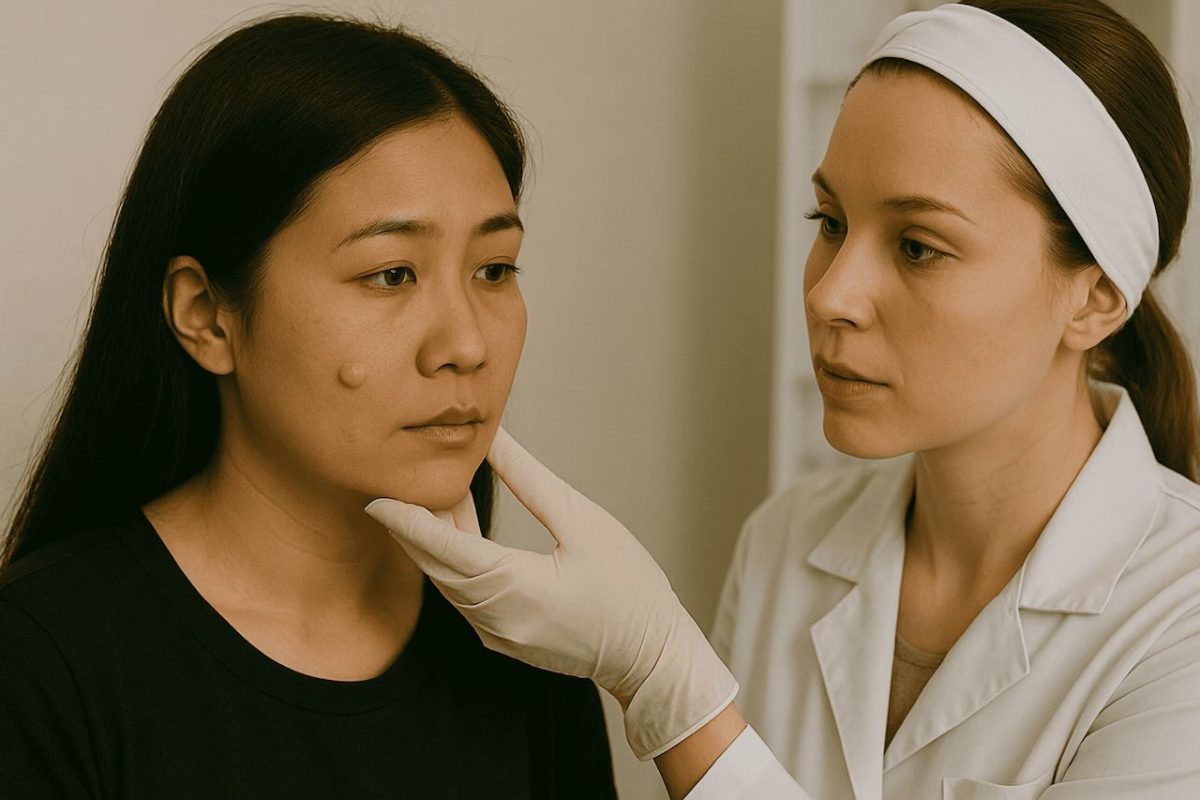
Warts are contagious because HPV spreads easily. The virus can be transmitted through direct skin-to-skin contact or indirectly by contact with contaminated objects such as towels, washcloths, razors, nail clippers, shoes, and socks. The virus can enter the body through tiny cuts or breaks in the skin. You are more susceptible to infection if your skin is wet, soft, or damaged.
Warts can also be spread to other parts of your own body if you scratch, knock, or bite an existing wart, or if you bite your nails, chew cuticles, or shave over a wart. After infection, it can take weeks or even months for a wart to appear.
Factors that increase the risk of developing warts include:
- Using public showers and pools. HPV thrives in warm, moist environments.
- Having eczema or other skin conditions.
- Having a weakened or compromised immune system.
- Occupations involving frequent exposure to raw meat or cold, moist environments (e.g., butchers).
- Suffering from hyperhidrosis, a medical condition causing excessive sweating, which makes the skin damp and soft, increasing HPV infection risk.
Treatments for Warts
While warts often resolve spontaneously within months to a few years, particularly in individuals with healthy immune systems, treatment may be sought if they are painful, in an awkward position, causing distress or embarrassment, or if they persist or spread.
Common treatment options include:
- Over-the-Counter (OTC) Products: Many products containing salicylic acid are available in creams, gels, paints, or medicated plasters.
- Cryotherapy: This involves freezing the wart, typically with liquid nitrogen, which is applied by a healthcare provider. The freezing creates a blister under the wart, causing it and the surrounding dead skin to fall off.
- Chemical Treatments: Healthcare providers can apply stronger chemical mixtures. For example, cantharidin can be applied to create a blister that cuts off the wart’s blood supply. Trichloroacetic acid is another option if salicylic acid or cryotherapy is ineffective.
- Immunotherapy: These treatments aim to stimulate the body’s immune system to fight the wart virus. This can involve topical chemicals like diphencyprone (DCP) that induce a mild allergic reaction, or intralesional injections of purified Candida, MMR, or tuberculin protein.
- Laser Treatment: Lasers, such as pulse dye or carbon dioxide (CO2) lasers, can be used to heat and destroy tiny blood vessels within the wart, cutting off its blood supply.
How to Prevent Warts

While it can be difficult to prevent warts completely due to the widespread nature of HPV, several precautions can reduce the likelihood of developing and spreading them:
- Avoid Contact: Do not touch other people’s warts.
- Practice Good Hygiene: Wash your hands frequently, especially after touching a wart.
- Wear Protective Footwear: Wear flip-flops or pool shoes in moist public areas such as locker rooms, pool decks, gyms, and public showers, as HPV thrives in these environments.
- Keep Skin Healthy: Prevent dry, cracked skin, as HPV can easily enter through skin cracks or breaks. Clean and cover cuts and scrapes.
- Avoid Nail Biting and Cuticle Chewing: These habits can create tiny tears in the skin, making it easier for HPV to enter the body.
- HPV Vaccine: Discuss the HPV vaccine with a healthcare provider. While primarily aimed at preventing cervical and other cancers caused by high-risk HPV types, it also protects against HPV types 6 and 11, which cause 90% of genital warts.
Wart Treatments at Dr Chong Clinic
Klinik Dr Chong is a leading aesthetic clinic in Malaysia, offering professional care for wart removal and other skin concerns. With LCP-certified doctors, personalised treatment plans, and advanced medical technologies across nationwide branches, patients can expect safe, effective results.
Visit a Dr Chong Clinic near you today to explore your treatment options.
Soalan Lazim (FAQ)
1. Are warts contagious?
Yes, warts are contagious and caused by certain strains of the human papillomavirus (HPV). They can spread through direct skin contact or indirectly via shared items like towels, razors, or shoes—especially in moist environments like gyms or public showers.
2. Do warts go away on their own?
In many cases, warts resolve on their own, particularly in individuals with healthy immune systems. However, this process can take months or even years. Medical treatment is recommended if warts are painful, spreading, or affecting your quality of life.
3. What is the most effective wart treatment?
Cryotherapy and laser treatments are among the most effective options for stubborn or painful warts. However, effectiveness depends on wart type, location, and individual response. A professional assessment at a certified clinic ensures the best course of treatment.
4. What other aesthetic services does Dr Chong Clinic offer?
Dr Chong Clinic, an LCP-certified aesthetic clinic in Malaysia known for its expert-led care and nationwide branches, provides a wide range of treatments beyond wart removal. These include Laser Pico for pigmentation and skin rejuvenation, acne and scar treatments, and non-surgical anti-ageing solutions such as HIFU and dermal fillers.
*Semua imej yang digunakan dalam artikel ini adalah dijana AI.


