

Kenapa Anda Tidak Patut Menimbulkan Jerawat: Bahaya Tersembunyi dan Alternatif yang Lebih Baik

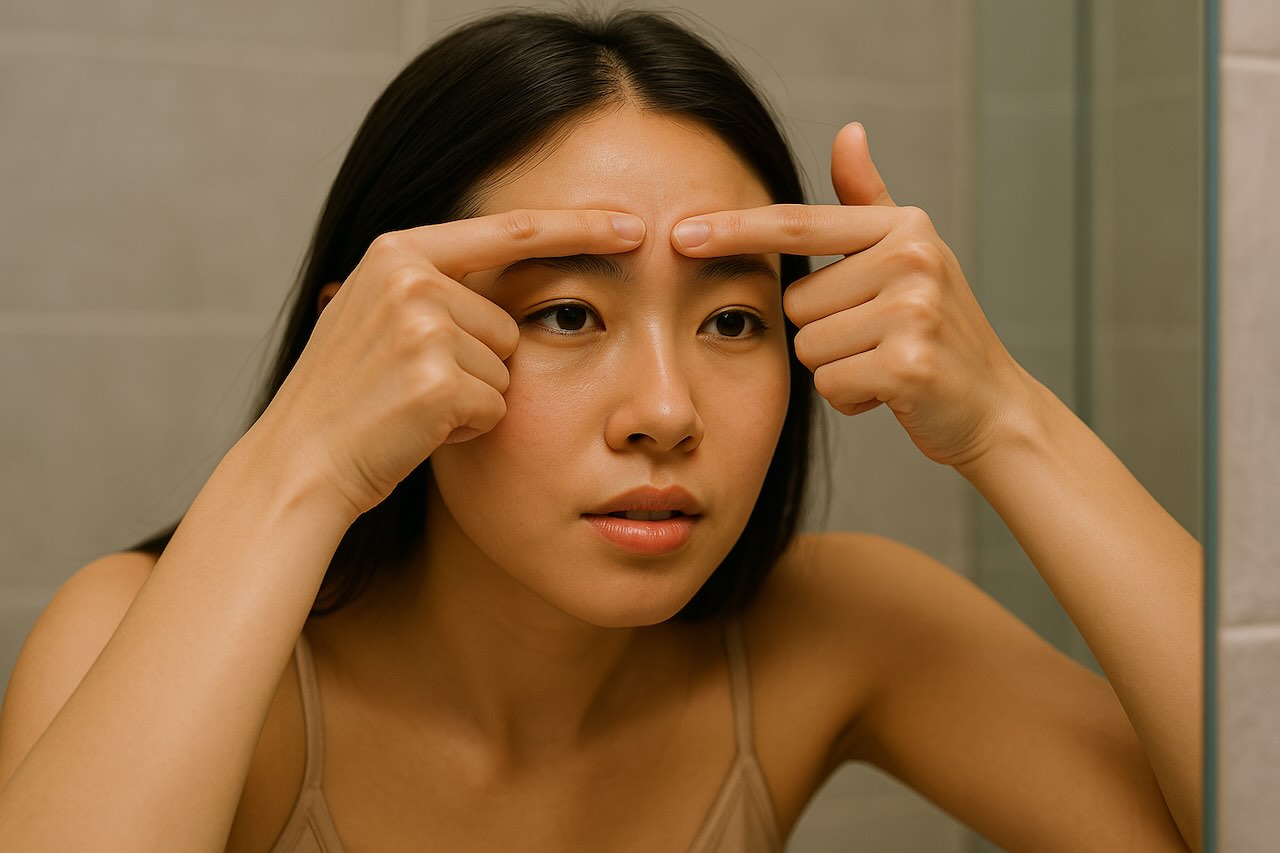
Acne is one of the most common skin concerns affecting both teenagers and adults. Whether it’s a small whitehead or a painful cyst under the skin, the urge to pop a pimple can be hard to resist. Unfortunately, what may seem like a quick fix often does more harm than good.
Popping pimples can lead to scarring, infection, and long-term pigmentation that are far harder to treat than the acne itself. Understanding why this happens and learning safer, dermatologist-approved solutions is the first step toward achieving clear, healthy skin.
Why Pimples Form in the First Place
Pimples form when pores become clogged with excess sebum, dead skin cells, and bacteria. This blockage causes inflammation, resulting in whiteheads, blackheads, papules, or cystic acne. Hormonal changes, stress, and improper skincare can also make these breakouts more frequent.
When you squeeze or pop a pimple, you force this trapped material deeper into the skin, spreading bacteria and worsening inflammation. Your skin’s natural healing process is disrupted, increasing the risk of irritation, scarring, and further breakouts. This can turn a small pimple into a larger, more painful lesion that takes longer to heal.
The Hidden Dangers of Popping Pimples
Even though popping may feel satisfying, the long-term consequences can be severe. Here’s why dermatologists strongly recommend against it. What seems like quick relief can actually lead to lasting skin damage and more stubborn acne over time.
1. It Makes Acne Worse
When you pop a pimple, bacteria and debris can spread to nearby pores, triggering new breakouts. You may also cause the pimple to become more inflamed, leading to larger, more painful lesions that take longer to heal. This often results in clusters of new pimples forming around the same area.
2. It Causes Permanent Scarring
Squeezing pimples can tear the skin and damage collagen fibers underneath, resulting in scars or pits. These scars can be permanent without professional treatment. People with darker skin tones are particularly prone to post-inflammatory hyperpigmentation (PIH), where dark spots remain long after the pimple has healed.
3. It Increases Risk of Infection
Even if you wash your hands, bacteria from your nails can enter the open wound when you pop a pimple. This can lead to an infection, swelling, and pus buildup. In severe cases, deep cysts or abscesses may form, requiring medical intervention. Infections like these can also leave lasting marks or cause painful inflammation beneath the skin.
4. It Delays Healing
Popping a pimple damages the surrounding skin, prolonging recovery. The area becomes red, scabbed, or discolored, and the skin barrier weakens, making it more vulnerable to further breakouts and environmental damage. This slows down the skin’s natural healing process and increases the risk of scarring or dark spots.
5. It Can Lead to Acne Excoriée
This condition occurs when individuals habitually pick or squeeze their pimples, often from stress or anxiety. Over time, this leads to open wounds, scabs, and scars. Treating acne excoriée often requires both dermatological care and behavioral therapy to stop the picking cycle.
What to Do Instead of Popping Pimples
Thankfully, there are safe and effective ways to treat acne without causing long-term damage. Here’s what you can do instead. These gentle methods help your skin heal naturally while preventing new breakouts from forming.
1. Apply a Warm Compress
For whiteheads or inflamed pimples, a warm compress helps open pores and encourage natural drainage. Apply it for 10 to 15 minutes twice a day to reduce swelling and speed up healing. It also soothes discomfort and helps bring the pimple to the surface more safely.
2. Use Acne Spot Treatments
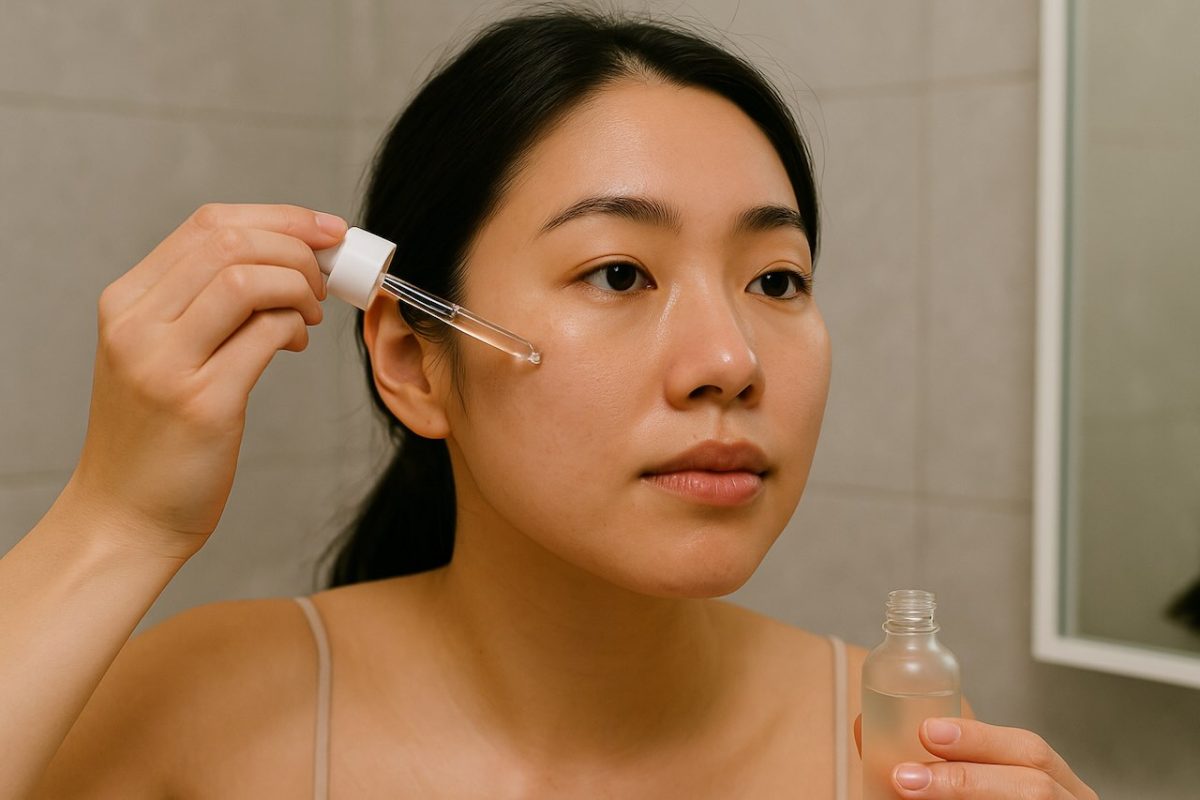
Look for active ingredients like salicylic acid, benzoyl peroxide, or sulfur. These help dry out excess oil, reduce inflammation, and fight bacteria. Be patient, as spot treatments work best when applied consistently over several days, not instantly.
3. Keep Hands Away from Your Face
Avoid touching your face or picking at pimples. Hands carry oils and bacteria that can clog pores. If you tend to touch your face unconsciously, try keeping tissues nearby or using a hydrocolloid patch to protect active pimples.
4. Follow a Gentle Skincare Routine
Use a mild, pH-balanced cleanser and oil-free moisturizer daily. Incorporate exfoliation one to two times a week with mild acids like lactic or mandelic acid to remove dead skin. Always wear sunscreen to prevent dark marks from forming after pimples heal.
Professional Acne Treatments in Malaysia
If over-the-counter skincare isn’t enough, professional acne treatments can deliver faster, safer, and more lasting results. These medical-grade procedures target acne at its root by reducing inflammation, controlling bacteria, and repairing post-acne damage. Here are some of the most effective acne treatments.
Pico Laser for Acne and Pigmentation
The Laser Pico uses ultra-short pulses of energy to break down acne pigmentation, scars, and blemishes without harming the surrounding skin. Unlike traditional lasers, it relies on mechanical energy instead of heat, which helps reduce discomfort and downtime.
Pico Laser not only helps fade acne marks but also stimulates collagen regeneration, improving skin texture and tone. It’s suitable for most skin types, including sensitive skin, and requires minimal recovery time. The treatment effectively reduces acne scars and dark spots, enhances skin smoothness, and boosts collagen for long-term clarity.
Dual Yellow Laser for Active Acne and Redness
The Dual Yellow Laser combines two light wavelengths, yellow and green, to target both active acne and post-acne marks. The yellow light kills acne-causing bacteria and reduces inflammation, while the green light lightens pigmentation and calms redness.
It’s especially effective for sensitive or redness-prone skin, as the treatment is gentle, painless, and requires no downtime. It helps reduce acne inflammation and redness, brightens dull, uneven skin tone, and is safe for all skin types, including sensitive skin.
Chemical Peels for Clearer Skin
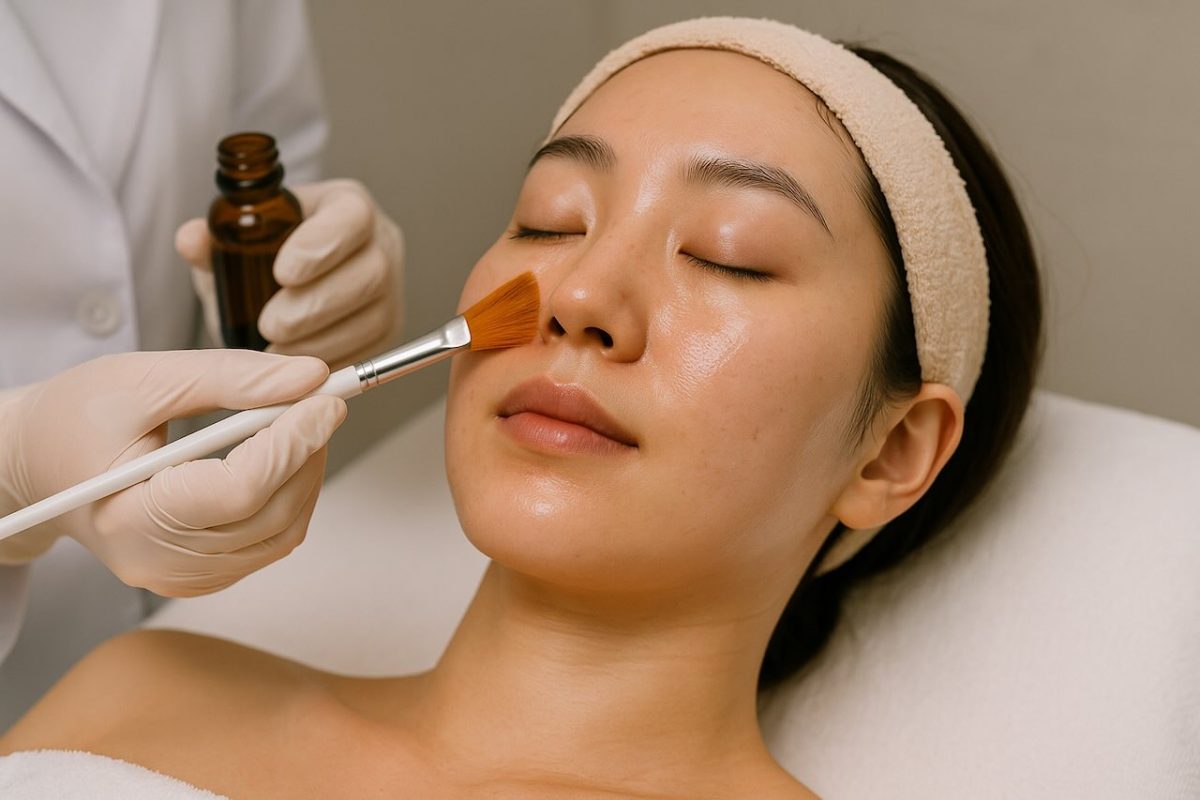
Medical-grade chemical peels use controlled exfoliating acids such as salicylic, glycolic, or lactic acid to remove dead skin and clear clogged pores. This helps reduce blackheads, whiteheads, and mild acne scars.
Peels can be customized according to your skin type and condition, ranging from gentle brightening options to deeper resurfacing treatments for scar repair. Kulit kimia help unclog pores, fade pigmentation and acne marks, and promote smoother, more radiant skin.
LED Light Therapy for Healing and Recovery
LED Light Therapy uses red and blue light to treat acne naturally. Blue light eliminates acne-causing bacteria, while red light promotes healing and reduces inflammation. This treatment is non-invasive and ideal for ongoing maintenance or post-laser recovery.
LED Light Therapy effectively controls acne-causing bacteria, calms inflammation and swelling, and provides a safe, gentle solution for all skin types without downtime. With regular sessions, it helps improve skin clarity, balance oil production, and enhance overall skin health.
Professional Extraction and Medical Facials
Unlike home extractions, medical facials are performed in sterile conditions using professional techniques to safely remove blackheads and whiteheads. Combined with antibacterial serums and soothing masks, they cleanse pores deeply without damaging the skin.
Regular sessions help maintain clear pores, reduce breakouts, and prepare the skin for better absorption of active ingredients. They also promote long-term skin balance, keeping the complexion smooth, refreshed, and less prone to congestion.
Cortisone Injections for Emergency Pimples
For painful cystic pimples that appear suddenly, a cortisone injection administered by a doctor can reduce inflammation and flatten the pimple within 24 to 48 hours. It’s an ideal solution for urgent situations before important events.
This fast-acting treatment helps prevent scarring, reduces pain, and promotes faster healing. It also stops jerawat kistik from worsening or spreading, making it a reliable option for sudden, deep breakouts that don’t respond to regular spot treatments.
When to See a Dermatologist
If your acne is persistent, painful, or leaves marks, it’s best to seek professional help. A dermatologist or qualified aesthetic doctor can identify the root cause, whether hormonal, bacterial, or environmental, and recommend a personalized treatment plan suited to your skin.
Professional acne care focuses on reducing inflammation, preventing scarring, and improving overall skin health using safe and effective medical-grade treatments tailored to individual needs.

Regain Clear, Healthy Skin the Right Way
Popping pimples may feel like a quick fix, but it often causes long-term damage, such as scars, infections, and stubborn pigmentation that can take months to heal. Choosing the right treatment approach through gentle skincare and expert medical care ensures your skin heals properly and remains smooth, healthy, and radiant.
Klinik Dr Chong is one of Malaysia’s leading aesthetic clinics, known for its personalized acne care, advanced technology, and proven results. Our LCP-certified doctors use FDA-approved treatments and tailor each plan to your specific skin needs, ensuring effective, safe, and lasting improvements.
Take the first step toward clearer, confident skin. Hubungi Klinik Dr. Chong hari ini to schedule your consultation and discover advanced acne treatments designed to restore your skin’s clarity and natural glow.
Soalan Lazim (Soalan Lazim)
1. Why shouldn’t I pop pimples?
Popping pimples pushes bacteria and debris deeper into the skin, leading to more inflammation, infection, and even scarring. It can also spread bacteria to nearby pores, causing new breakouts.
2. How can I treat pimples safely at home?
Cleanse your face gently twice a day, use non-comedogenic products, and apply spot treatments with salicylic acid or benzoyl peroxide. Avoid touching or squeezing pimples, and always keep your skin hydrated and protected with sunscreen.
3. When should I see a dermatologist for acne?
If your pimples are persistent, painful, or leave marks, it’s time to consult a dermatologist. Professional evaluation helps identify the root cause and ensures you receive targeted treatments that work effectively for your skin type.
4. What acne treatments are available at Dr. Chong Clinic?
Dr. Chong Clinic offers a range of advanced acne solutions, including Pico Laser, Dual Yellow Laser, chemical peels, and LED Light Therapy. Each treatment is customized to reduce inflammation, fade acne scars, and improve overall skin clarity and health.
*Semua imej yang digunakan dalam artikel ini adalah dijana AI.


