Blog
Crabs (Pubic Lice): Symptoms, Causes, Treatment, and Prevention


Crabs, medically known as pubic lice, are a common but often misunderstood parasitic infestation. Although they are not dangerous, pubic lice can cause significant discomfort, itching, and distress if left untreated. Understanding how crabs spread, recognising symptoms, and knowing when to seek medical care are crucial for effective treatment.
Pubic lice are commonly associated with sexual contact, but they are different from bacterial or viral sexually transmitted diseases (STDs). With prompt diagnosis and appropriate treatment, crabs can be eliminated successfully. Early treatment also helps relieve symptoms quickly and reduces the risk of spreading lice to others.
What Are Crabs (Pubic Lice)?
Crabs are tiny parasitic insects that infest coarse body hair, most commonly in the pubic region. They are called “crabs” because of their crab-like appearance and clawed legs, which they use to cling to hair shafts. Pubic lice feed on human blood and survive close to the skin.
In addition to the pubic area, lice can also be found in armpit hair, chest hair, facial hair, and, less commonly, eyelashes or eyebrows. They do not live on the scalp, as head lice are a different species. Identifying the affected area helps guide appropriate treatment and prevents unnecessary use of scalp lice products.
How Do Pubic Lice Spread?
Pubic lice are most commonly spread through close physical contact, particularly sexual contact. Because lice move by crawling rather than flying or jumping, prolonged skin-to-skin contact is usually required for transmission. This is why pubic lice are often classified as a sexually transmitted infection.
Less commonly, pubic lice can be spread through the sharing of contaminated items, such as towels, bedding, or clothing, although this is not the primary route of transmission. Pubic lice cannot survive long away from the human body. As a result, casual contact and brief exposure to shared items pose a much lower risk.

Symptoms of Crabs (Pubic Lice)
Symptoms of pubic lice can take several days to weeks to appear after exposure. Common signs include:
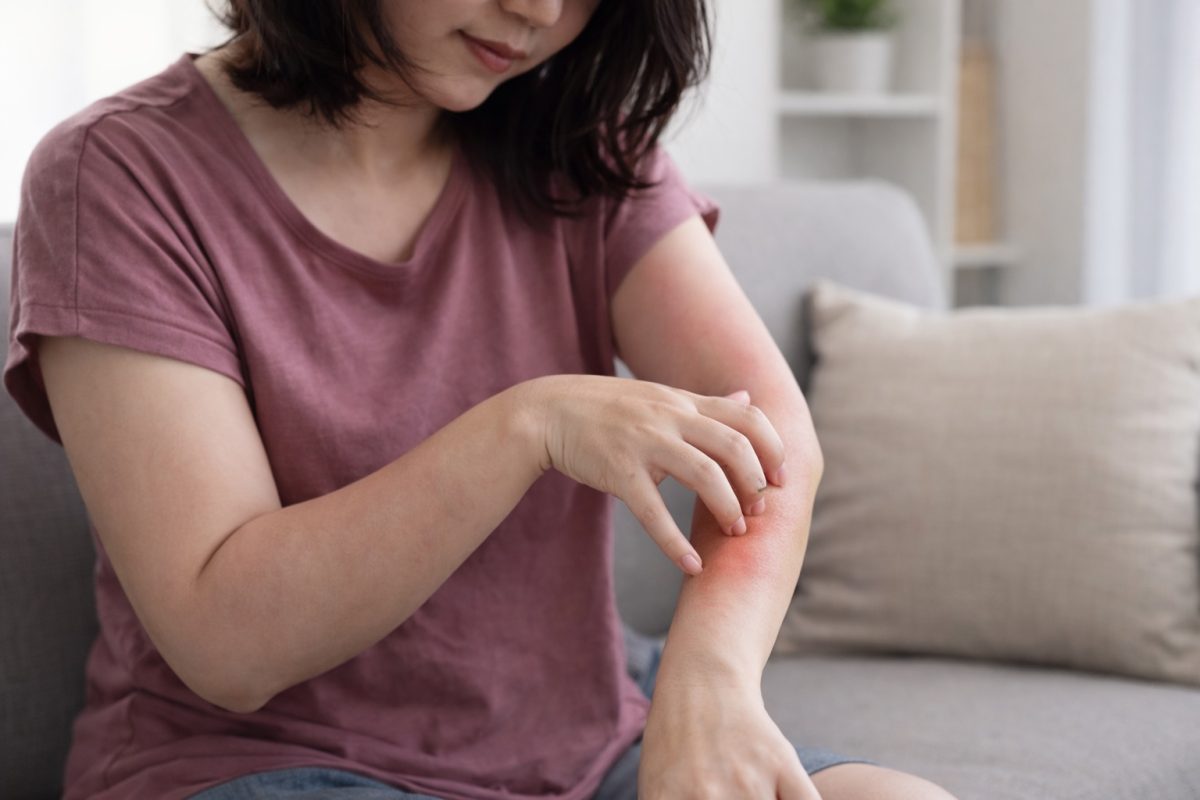
- Intense itching in the pubic or affected area
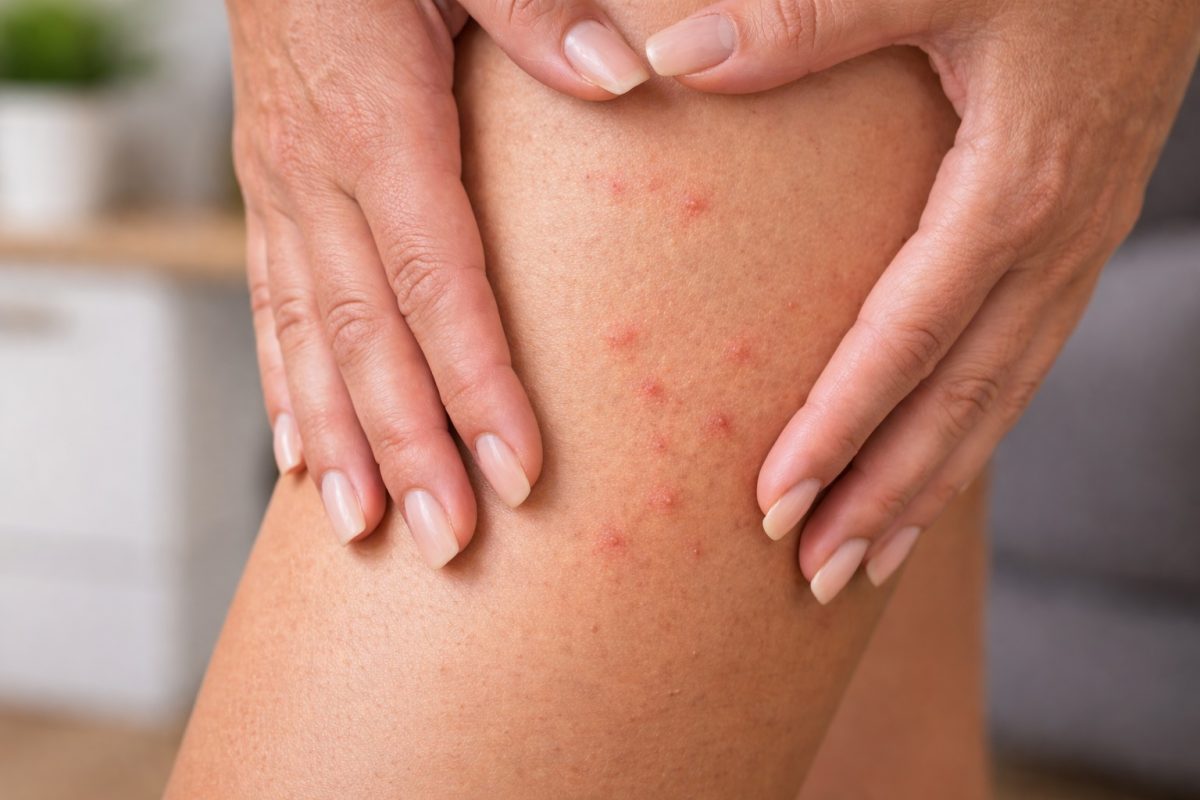
- Redness, irritation, or inflammation of the skin
- Small blue or grey spots on the skin caused by lice bites
- Visible lice or tiny eggs (nits) attached to hair shafts
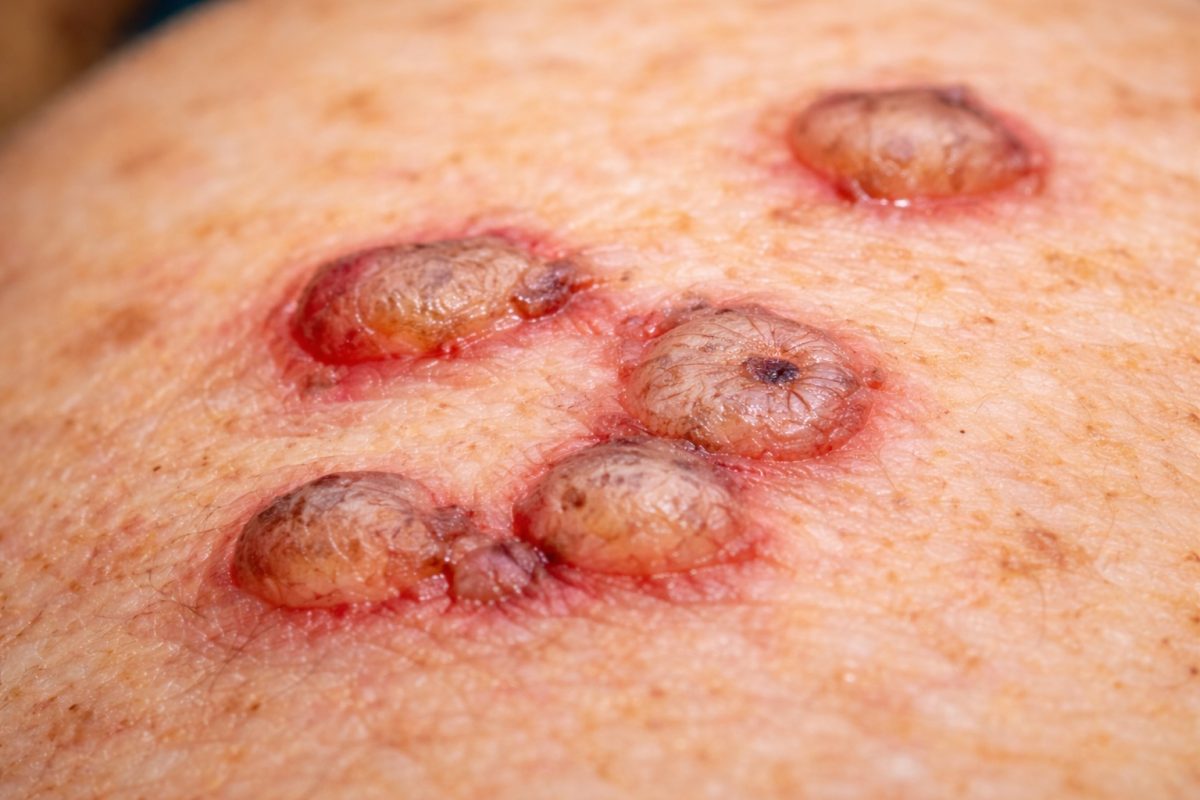
- Irritated or crusted skin from scratching
Itching is often worse at night, as lice are more active in warmer conditions. In cases where eyelashes are affected, eye irritation or redness may occur.
Crabs vs Other STDs and Skin Conditions
Crabs are considered a sexually transmitted infection (STI) because they are commonly spread through sexual contact, but they are not caused by bacteria or viruses. Symptoms such as itching and skin irritation may overlap with other conditions, including scabies, fungal infections, allergic reactions, or certain STDs.
Because symptoms can be similar, proper medical evaluation is important to confirm the diagnosis and rule out other infections that may require different treatment. Accurate diagnosis ensures appropriate care and prevents unnecessary or ineffective treatment.
How Crabs Are Diagnosed
Diagnosis of pubic lice usually involves a physical examination. A healthcare professional may look for live lice or nits attached to hair shafts using magnification or specialised lighting. This visual confirmation helps ensure an accurate diagnosis before treatment begins.
In some cases, additional screening for other STDs may be recommended, especially if the infestation was acquired through sexual contact. This ensures a comprehensive sexual health assessment and appropriate follow-up care. Screening also helps identify any coexisting infections that may not cause immediate symptoms.
Treatment Options for Pubic Lice
Treatment for crabs is generally straightforward when followed correctly. With proper use of prescribed medications and attention to hygiene measures, most infestations can be cleared effectively without long-term complications.
Medicated Lotions or Shampoos
Pubic lice are treated with medicated lotions or shampoos specifically designed to kill lice and their eggs. These treatments are applied to affected areas and left on for a prescribed period before being washed off. A second application may be required after several days to eliminate newly hatched lice.
Treating Clothing and Bedding
All clothing, towels, and bedding used within the previous few days should be washed in hot water and dried on high heat. Items that cannot be washed can be sealed in plastic bags for at least two weeks to ensure lice are eliminated.
Partner Treatment
Sexual partners should be informed and treated at the same time to prevent reinfestation. Avoiding close physical contact until treatment is complete is important. This coordinated approach helps break the cycle of transmission and supports effective recovery.

Eyelash or Eyebrow Infestation
If pubic lice affect the eyelashes or eyebrows, specialised treatment may be required. Over-the-counter lice treatments should not be used near the eyes, and medical supervision is essential. Targeted management helps ensure complete removal while minimising the risk of ocular complications.
Preventing Pubic Lice
Preventive measures can help reduce the risk of crabs, particularly when combined with early recognition of symptoms and prompt treatment:
- Avoid close contact with individuals known to have pubic lice
- Do not share towels, bedding, or clothing
- Practise safe sex and limit the number of sexual partners
- Seek prompt treatment if symptoms appear
- Inform partners if diagnosed to prevent reinfestation
Maintaining awareness and addressing symptoms early are key to prevention. Early recognition allows timely treatment, reduces discomfort, and helps prevent spreading pubic lice to others.
When to See a Doctor
Medical advice should be sought if intense genital itching persists or worsens, if lice or eggs are visible but symptoms do not improve, or if symptoms affect the eyes or eyelashes. Consultation is also recommended when there is uncertainty about the diagnosis or when symptoms occur after sexual contact.
Emotional and Social Impact of Pubic Lice
Although pubic lice are treatable, the diagnosis can cause embarrassment, anxiety, or stress, particularly due to misconceptions surrounding sexually transmitted infections. It is important to understand that crabs are common and do not reflect personal hygiene or behaviour.
Emotional distress may also affect relationships or self-confidence, especially if symptoms persist or reinfestation occurs. Healthcare professionals provide confidential care and support to help manage both physical symptoms and emotional concerns, offering reassurance, clear guidance, and appropriate treatment in a respectful environment.

Getting the Right Care for Pubic Lice
Crabs (pubic lice) are uncomfortable but treatable with the right approach. Early diagnosis and proper treatment help relieve symptoms quickly and prevent reinfestation or spread to others. Dr Chong Clinic provides private screening and treatment for STDs and STIs in a professional, discreet, and supportive environment.
Our experienced medical team is committed to accurate diagnosis and clear guidance. We prioritise patient comfort, confidentiality, and personalised care throughout the consultation process. Book an appointment with Dr Chong Clinic today to get effective treatment and reassurance for your sexual health.
Frequently Asked Questions (FAQs)
1. Are pubic lice considered an STD or STI?
Pubic lice are considered a sexually transmitted infection (STI) because they are most commonly spread through sexual contact. However, they are not caused by bacteria or viruses like many STDs.
2. Can pubic lice spread through casual contact?
Casual contact such as hugging, shaking hands, or sharing seats does not usually spread pubic lice. Lice cannot jump or fly and require close contact to move from one person to another.
3. How are pubic lice diagnosed?
Diagnosis is usually made through a physical examination, where a healthcare professional looks for live lice or eggs attached to hair shafts. In some cases, magnification or specialised lighting may be used.
4. Can crabs (pubic lice) go away on their own?
No. Pubic lice do not go away without treatment. Symptoms may fluctuate, but the infestation will persist until lice and eggs are eliminated, and delaying treatment increases discomfort and the risk of spreading lice to others.
*All images used in this article are AI-generated.