Blog
How to Know If You Have an STD: Signs, Symptoms, and Testing


Sexually transmitted diseases (STDs), also known as sexually transmitted infections (STIs), are more common than many people realise. While some STDs cause noticeable symptoms, others may remain silent for weeks, months, or even years. During this time, infections can still be transmitted and may continue to affect the body without obvious signs.
Knowing how to recognise potential warning signs and understanding when testing is necessary are key steps in protecting your sexual and overall health. Many people delay testing because they feel well or assume symptoms will resolve on their own. Unfortunately, relying on symptoms alone is not a reliable way to determine whether you have an STD.
Why STDs Are Often Hard to Detect
One of the biggest challenges with STDs is that many infections do not cause obvious symptoms, especially in their early stages. Conditions such as chlamydia, gonorrhea, and HIV may remain asymptomatic while still causing internal damage and being transmissible to others.
Even when symptoms do appear, they can be mild, vague, or mistaken for other conditions such as yeast infections, urinary tract infections, or skin irritation. This makes awareness and regular screening essential. Early testing helps clarify the cause of symptoms and ensures timely medical care.
Common Signs and Symptoms of STDs
Although symptoms vary depending on the type of infection, certain warning signs should never be ignored. These signs may indicate an underlying STD or STI that requires prompt medical assessment.
Genital Discomfort or Itching
Persistent genital itching, irritation, or discomfort may be linked to infections such as chlamydia, gonorrhea, genital herpes, or trichomoniasis. While itching alone does not confirm an STD, it should be assessed if it does not resolve. Ongoing irritation may worsen over time if the underlying cause is not identified.
Unusual Genital Discharge
Changes in colour, consistency, or smell of genital discharge can indicate an STD or STI. Discharge may appear thick, watery, yellow, green, or cloudy, depending on the infection and may be accompanied by irritation or pain. Any new or unusual discharge should be medically evaluated.
Pain During Urination
A burning or painful sensation when urinating can be a sign of chlamydia, gonorrhea, or other infections affecting the urinary tract. This symptom is often mistaken for a urinary tract infection, which is why testing is important. Accurate diagnosis helps ensure the correct treatment is given.
Genital Ulcers, Sores, or Warts
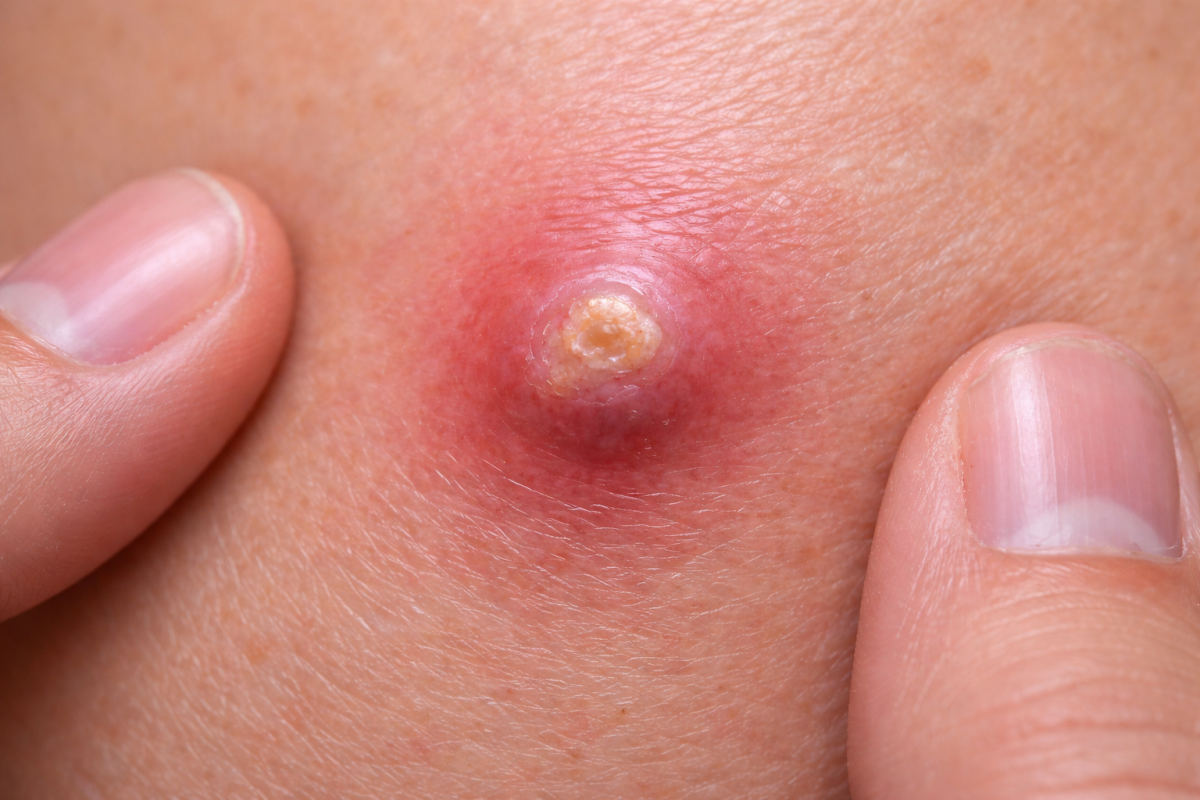
Open sores, blisters, ulcers, or wart-like growths around the genitals, anus, or mouth are common warning signs. These may be associated with conditions such as genital herpes, syphilis, or HPV. Some sores may be painless and heal on their own, leading to delayed diagnosis. Medical assessment is important even if symptoms seem mild or temporary.
Genital Swelling or Pain
Swelling of the testicles, groin, or genital area, as well as pelvic pain in women, may indicate an underlying infection affecting the reproductive or urinary system. These symptoms should be evaluated promptly, as untreated genital swelling can worsen, cause discomfort, and lead to complications.

STD Symptoms Can Differ Between Men and Women
STD symptoms do not always present the same way in everyone. Biological differences between men and women can influence how infections affect the body, where symptoms appear, and how noticeable they are. Understanding these differences helps individuals recognise potential warning signs and seek timely medical care.
STD Symptoms in Men
In men, STD symptoms may involve the penis, testicles, groin, or urinary tract. Common signs include penile discharge, burning or pain during urination, genital itching, testicular swelling, or discomfort in the groin area. Some infections may cause sores or rashes, while others may not show symptoms initially, increasing the risk of delayed diagnosis.
STD Symptoms in Women
Women may experience STD symptoms affecting the vagina, cervix, or pelvic area. These can include abnormal vaginal discharge, pelvic pain, bleeding between periods, pain during intercourse, or genital swelling. Many STDs in women may not cause noticeable symptoms early on, which makes routine screening essential to prevent complications.
When You Might Have an STD Without Symptoms
You may have an STD even if you feel completely well. Asymptomatic infections are common and still carry health risks. You should consider STD testing if you:
- Had unprotected sex
- Have a new or multiple sexual partners
- Have been informed that a partner tested positive
- Previously tested positive for an STD
- Planning a pregnancy or are pregnant
- Want reassurance about your sexual health
Regular screening is recommended even in the absence of symptoms, as many STDs and STIs can remain silent while still affecting health and being transmitted to others.
How STDs Are Diagnosed
Diagnosis begins with a medical consultation where symptoms, sexual history, and risk factors are discussed. Depending on the situation, a healthcare provider may recommend:
- Urine tests
- Blood tests
- Swab tests from the genitals, throat, or anus
- Physical examination for visible lesions or warts
Many clinics offer comprehensive STD screening, allowing multiple infections to be checked at the same time. This helps streamline testing, reduce the need for repeat visits, and provide faster clarity on overall sexual health.
What Happens If STDs Are Left Untreated
Untreated STDs can lead to serious long-term health problems, as infections may continue to progress silently and cause lasting damage to the body, including the following complications:
- Infertility
- Chronic pelvic pain
- Complications during pregnancy
- Increased risk of HIV transmission
- Damage to the heart, nerves, or organs in certain infections
Early detection allows infections to be managed before complications develop, reducing the risk of long-term health problems and further transmission.

Taking the Right Step Forward
Knowing whether you have an STD is not about fear or judgment. It is about protecting your health and the health of your partners. Paying attention to symptoms, understanding risk factors, and choosing regular screening are responsible and proactive steps. Early action also helps prevent complications and supports informed decisions about sexual health.
Dr Chong Clinic provides confidential STD and STI testing and treatment in a professional and supportive environment. Our experienced medical team is committed to accurate diagnosis, clear guidance, and personalised care. Book an appointment with Dr Chong Clinic today to get clarity and take control of your sexual health with confidence.
Frequently Asked Questions (FAQs)
1. Can I have an STD without any symptoms?
Yes. Many STDs and STIs can be asymptomatic, meaning they do not cause noticeable symptoms, especially in the early stages. Even without symptoms, infections can still affect health and be transmitted to others, which is why regular screening is important.
2. What are the early signs that may indicate an STD?
Early signs of an STD can include genital itching, unusual discharge, pain during urination, genital sores, ulcers, warts, or unexplained swelling in the genital area. Symptoms vary depending on the infection and may be mild or temporary.
3. How often should I get tested for STDs?
STD screening is commonly recommended at least once a year for sexually active individuals, and more frequently for those with multiple partners, after unprotected sex, when starting a new relationship, or when symptoms appear.
4. Why is self-diagnosis for STDs risky?
Self-diagnosis is risky because many STDs share symptoms with other conditions. Treating symptoms without testing can delay diagnosis, mask infection, and increase the risk of complications or transmission.
*All images used in this article AI-generated.