Blog
Hepatitis B: Symptoms, Transmission, Testing, Treatment & Prevention


Hepatitis B is a viral infection that affects the liver and can lead to serious long-term health complications if left undiagnosed or unmanaged. It remains a significant public health concern worldwide and is relatively common in many parts of Asia, including Malaysia.
Understanding how Hepatitis B spreads, recognising symptoms, and knowing when to get tested are essential for protecting individual and public health. Because the infection can remain silent for years, awareness, early detection, and proper medical follow-up are especially important.
What Is Hepatitis B?
Hepatitis B is caused by the Hepatitis B virus (HBV), which infects liver cells and causes inflammation of the liver. The infection can be acute, lasting a short period, or chronic, where the virus remains in the body long term. Because Hepatitis B can be transmitted through sexual contact, it is considered a sexually transmitted infection (STI).
Some people can clear the virus naturally, while others develop chronic Hepatitis B. Chronic infection can gradually damage the liver and increase the risk of cirrhosis, liver failure, or liver cancer. Because symptoms are not always present, many individuals only discover the infection through routine blood tests.
How Hepatitis B Is Transmitted
Hepatitis B is spread through contact with infected blood or certain bodily fluids. Common routes of transmission include:
- Unprotected sexual contact
- Sharing needles or syringes
- Mother-to-child transmission during childbirth
- Contact with open wounds or blood
- Sharing personal items such as razors or toothbrushes
Hepatitis B is not spread through casual contact such as hugging, sharing food, coughing, or shaking hands. Understanding how the virus spreads helps reduce stigma and supports effective prevention.

Symptoms of Hepatitis B
Symptoms of Hepatitis B vary and may not appear immediately after infection. Some individuals experience no symptoms at all, especially in the early stages. When symptoms do occur, they may include:
- Persistent fatigue or weakness
- Loss of appetite
- Nausea or vomiting
- Abdominal discomfort, particularly on the right side
- Dark-coloured urine
- Pale stools
- Yellowing of the skin or eyes (jaundice)
In chronic Hepatitis B, symptoms may develop slowly or only appear after significant liver damage has occurred, making regular screening important even when you feel well.
Acute vs Chronic Hepatitis B
Acute Hepatitis B refers to a short-term infection that occurs within the first six months after exposure. Many people recover fully from acute infection without lasting liver damage. During this phase, symptoms may be mild or absent, which is why medical follow-up is important to confirm recovery and monitor liver health.
Chronic Hepatitis B occurs when the virus remains in the body for more than six months. Chronic infection may progress silently, causing ongoing liver inflammation and increasing the risk of serious complications later in life. Early diagnosis helps determine the stage of infection and guides appropriate care.
Who Is at Higher Risk?
Certain groups have a higher risk of Hepatitis B infection due to increased exposure to blood or bodily fluids, including:
- People with multiple sexual partners
- Individuals who do not consistently use condoms
- Healthcare workers exposed to blood
- People who share needles or syringes
- Individuals with a family history of Hepatitis B
- Babies born to mothers with Hepatitis B
Knowing your risk factors helps determine when testing and vaccination are needed, allowing early intervention and better long-term protection.
How Hepatitis B Is Diagnosed
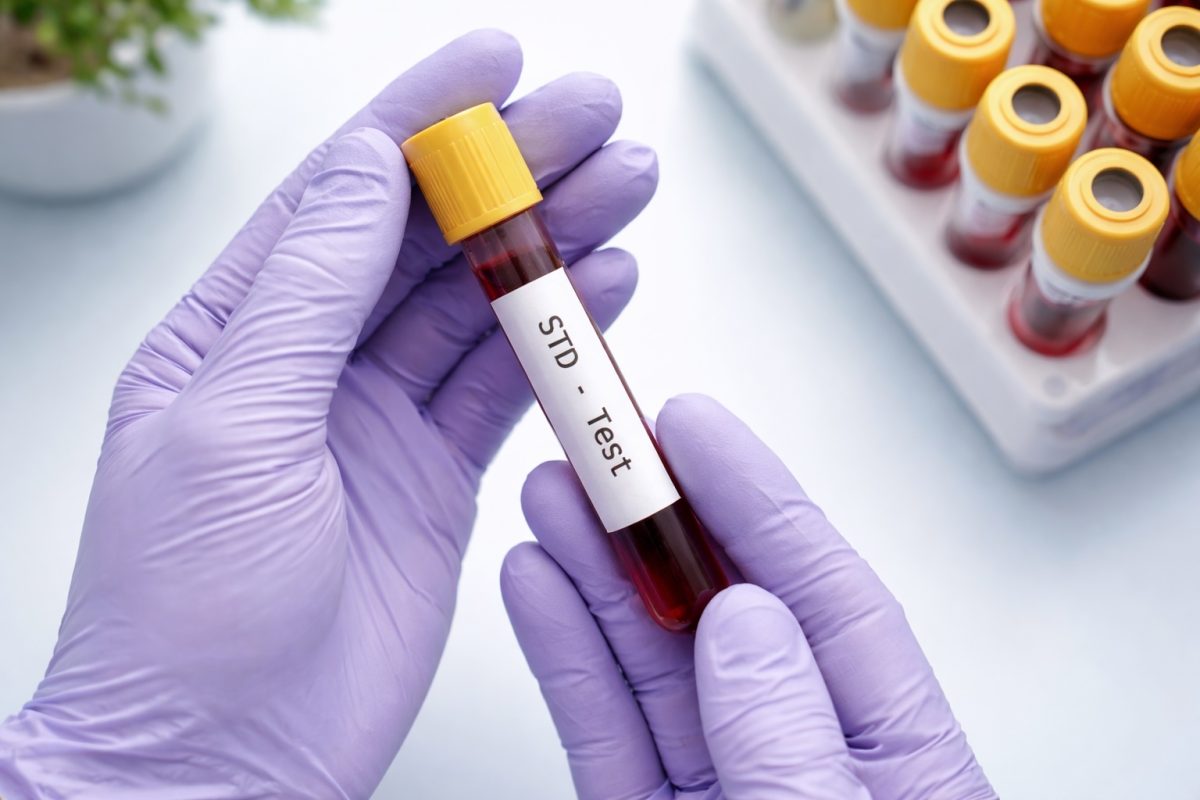
Hepatitis B is diagnosed through blood tests that detect viral markers and antibodies. These tests can determine whether you are currently infected, whether the infection is acute or chronic, and whether you have immunity from vaccination or a past infection. Because Hepatitis B may not cause symptoms, testing is the only reliable way to detect the infection.
Treatment Options for Hepatitis B
Treatment for Hepatitis B depends on whether the infection is acute or chronic, as well as the degree of liver involvement. Not everyone diagnosed with Hepatitis B requires immediate medication, but ongoing medical monitoring is essential.
Acute Hepatitis B
Most people with acute Hepatitis B recover on their own without specific antiviral treatment. Management usually focuses on supportive care, including adequate rest, proper hydration, and avoiding alcohol or medications that may place strain on the liver. Medical follow-up is important to ensure the infection resolves fully and does not progress to chronic Hepatitis B.
Chronic Hepatitis B
Chronic Hepatitis B may require long-term medical management to control viral activity and protect liver health. In certain cases, antiviral medications may be prescribed to suppress the virus, reduce liver inflammation, and lower the risk of complications such as cirrhosis or liver cancer.
Not all individuals with chronic Hepatitis B need immediate treatment. Decisions are based on factors such as viral load, liver enzyme levels, imaging findings, and overall liver function. Regular monitoring allows healthcare providers to determine when treatment is necessary.
Long-Term Monitoring and Lifestyle Management
For individuals living with Hepatitis B, long-term monitoring plays a key role in preventing complications. Regular blood tests and liver assessments help track disease activity, even when no symptoms are present. Maintaining a healthy lifestyle, avoiding alcohol, and managing other medical conditions help support liver function and overall well-being.
Early diagnosis, appropriate monitoring, and timely treatment allow Hepatitis B to be managed effectively and significantly reduce the risk of long-term liver damage.
Hepatitis B and Other STDs or STIs
Hepatitis B can be transmitted through sexual contact, placing it within the broader context of sexually transmitted infections (STIs). Individuals diagnosed with Hepatitis B may be advised to undergo screening for other STDs or STIs based on their risk profile. Comprehensive screening helps identify co-existing infections early and supports better overall sexual health.

Prevention of Hepatitis B
Hepatitis B is largely preventable with the right precautions. Vaccination, safe behaviours, and early screening play a key role in reducing the risk of infection and long-term liver complications.
Vaccination
Vaccination is the most effective way to prevent Hepatitis B. The Hepatitis B vaccine is safe, effective, and provides long-term protection when the full course is completed. Vaccination is recommended for infants, unvaccinated adults, and individuals at higher risk.
Safe Practices
Additional preventive measures include practising safe sex and using condoms consistently, avoiding sharing needles or personal items that may come into contact with blood, ensuring sterile equipment is used for medical or cosmetic procedures, and undergoing screening during pregnancy to prevent mother-to-child transmission.
Combining vaccination with safe practices offers strong protection against Hepatitis B. This approach reduces the risk of infection, limits transmission, and supports long-term liver health.
Living With Hepatitis B
A diagnosis of Hepatitis B can be emotionally challenging, but many people live healthy lives with proper medical care. Regular monitoring, healthy lifestyle choices, and ongoing communication with healthcare providers help individuals manage the condition confidently and reduce complications.
When to See a Doctor
Medical advice should be sought if you have risk factors, possible exposure, or symptoms that raise concern about Hepatitis B, including:
- You have risk factors for Hepatitis B
- You experience symptoms such as jaundice or persistent fatigue
- You have been exposed to blood or bodily fluids
- A sexual partner has Hepatitis B
- You are unsure of your vaccination status
Early consultation ensures timely testing, appropriate guidance, and peace of mind, while helping prevent complications and reduce uncertainty.

Protect Your Liver and Your Health
Hepatitis B is preventable, detectable, and manageable when identified early. Awareness, vaccination, screening, and appropriate treatment play vital roles in reducing long-term complications and protecting others from infection.
Dr Chong Clinic provides private screening, evaluation, and ongoing care for Hepatitis B, STDs, and STIs in a professional and discreet environment. Our experienced medical team is committed to accurate diagnosis, clear guidance, and personalised care. Book an appointment with Dr Chong Clinic today to protect your liver and long-term health.
Frequently Asked Questions (FAQs)
1. Who should get tested for Hepatitis B?
Testing is recommended for individuals with risk factors such as unprotected sex, multiple sexual partners, exposure to blood, family history of Hepatitis B, or uncertainty about vaccination status.
2. Is Hepatitis B curable?
There is no cure for chronic Hepatitis B, but the condition can be effectively managed with regular monitoring and, in some cases, antiviral treatment. Many people with Hepatitis B live healthy lives with proper care.
3. Is the Hepatitis B vaccine safe?
Yes. The Hepatitis B vaccine is safe, effective, and provides long-term protection when the full vaccination course is completed.
4. Why is early detection of Hepatitis B important?
Early detection allows timely monitoring, guidance, and treatment if needed. It helps protect liver health, reduce transmission risk, and prevent long-term complications.
*All images used in this article are AI-generated.