Blog
Scabies Mite Infestation: Symptoms, Diagnosis & Treatment


Scabies is a contagious skin condition caused by microscopic mites that burrow into the skin, leading to intense itching and visible rashes. Although scabies is not always linked to poor hygiene, it spreads easily through close physical contact and can affect people of all ages.
Without proper diagnosis and treatment, symptoms may worsen and spread to others. Because scabies can resemble other skin conditions, early medical evaluation is important to ensure accurate diagnosis and effective treatment. Prompt assessment also helps rule out other causes of persistent itching and prevents unnecessary or ineffective treatments.
What Is Scabies?
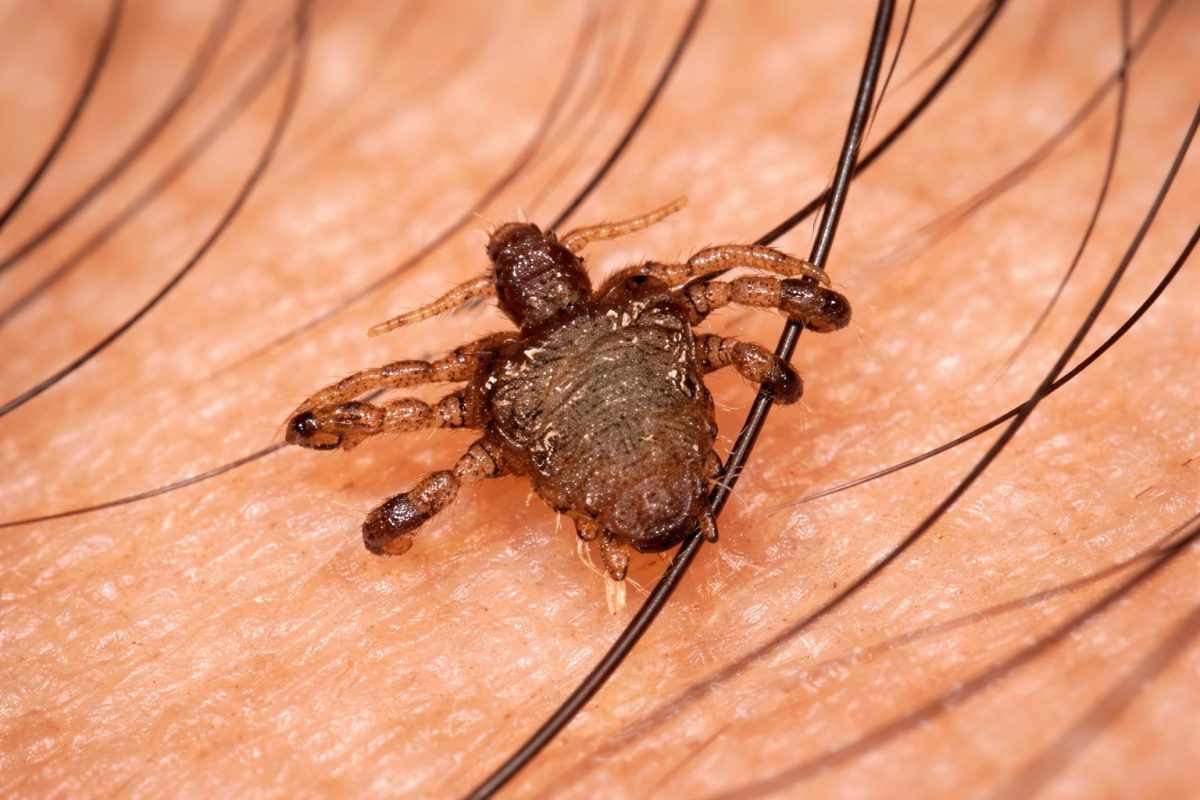
Scabies is caused by the mite Sarcoptes scabiei, which lives on the surface of the skin and burrows into the upper layer to lay eggs. The body’s immune response to the mites, their eggs, and waste products causes the characteristic itching and rash.
Scabies can affect anyone and is commonly seen in households, childcare settings, dormitories, and healthcare facilities due to close contact between individuals. Outbreaks are more likely in environments where people live or work closely together, making early identification and coordinated treatment important to prevent wider spread.
How Scabies Spreads
Scabies spreads mainly through prolonged skin-to-skin contact, including close physical or sexual contact, and less commonly through sharing bedding, towels, or clothing. The mites crawl rather than jump or fly, so brief or casual contact is unlikely to transmit scabies. This is why close and repeated contact poses the greatest risk.
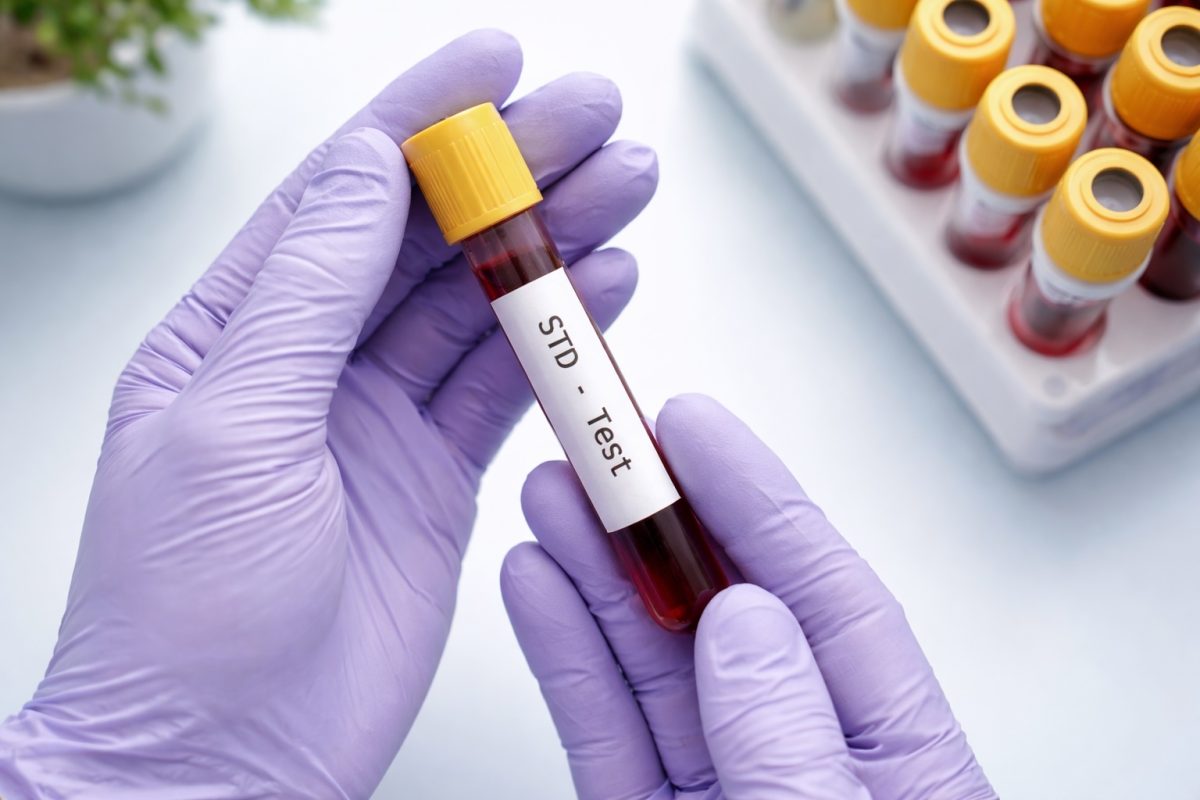
Is Scabies an STD or STI?
Scabies is not classified as a sexually transmitted disease or infection. However, it can be spread through sexual contact because this involves skin-to-skin exposure. For this reason, scabies may be identified during sexual health assessments, particularly when genital itching or rashes are present, but it can also spread through non-sexual close contact.
Common Symptoms of Scabies
Symptoms of scabies usually appear 2 to 6 weeks after initial exposure, but may develop sooner in individuals who have had scabies before. Common symptoms include:
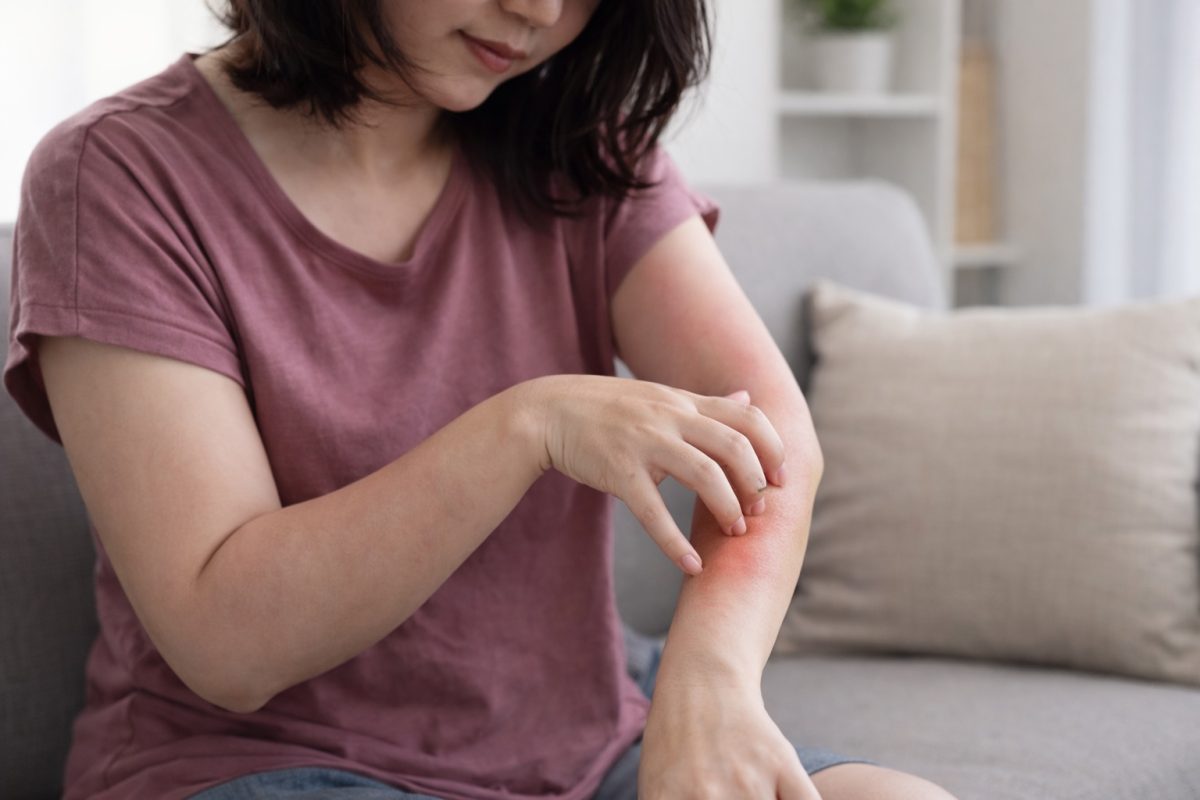
- Intense itching, especially at night
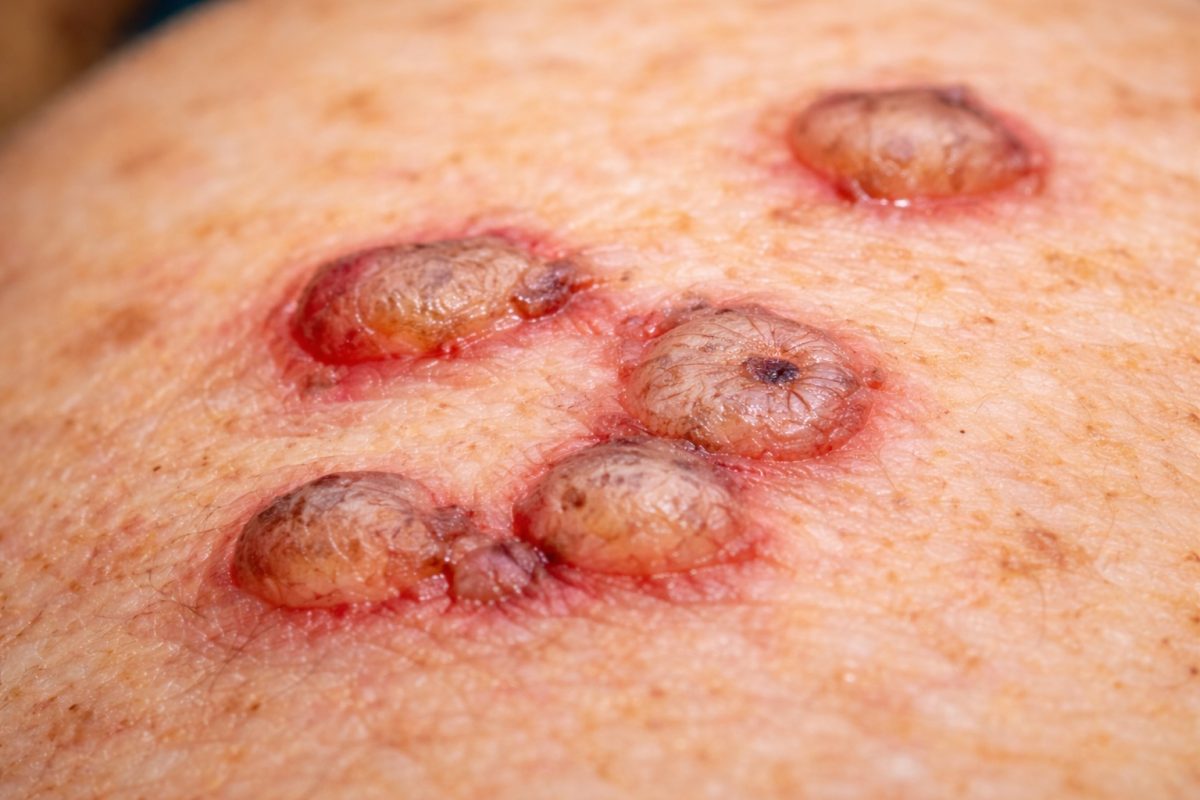
- Red, bumpy rash or small blisters
- Thin, wavy burrow lines on the skin
- Sores caused by scratching
- Crusting in severe cases
The itching often worsens at night and can interfere with sleep and daily activities. Persistent scratching may also lead to skin irritation, sores, or secondary infections if left untreated.
Areas Commonly Affected
Scabies can affect many parts of the body, commonly involving the fingers and wrists, elbows and armpits, waistline and buttocks, groin and genital area, breasts, ankles, and feet. In infants and older adults, scabies may also affect the scalp, face, or neck, which can make diagnosis more challenging and requires careful medical assessment.

Crusted (Norwegian) Scabies
Crusted scabies is a more severe form of the condition and usually occurs in individuals with weakened immune systems. It involves thick crusts of skin that contain large numbers of mites and is highly contagious. Crusted scabies requires urgent medical treatment and careful infection control to prevent outbreaks.
How Scabies Is Diagnosed
Diagnosis begins with a medical consultation and physical examination of the affected skin. A healthcare provider may identify scabies based on the appearance and distribution of the rash and symptoms. In some cases, diagnosis may involve:
- Skin scraping to identify mites or eggs
- Dermatoscopy (skin examination with magnification)
- Ruling out other skin conditions such as eczema, fungal infections, or allergic reactions
Accurate diagnosis is important, as incorrect treatment may allow symptoms to persist or worsen. Proper assessment also helps avoid unnecessary medications and ensures the most effective treatment is given from the start.
Treatment Options for Scabies
Scabies is treatable, and prompt treatment usually leads to complete resolution. Following medical instructions carefully and treating close contacts at the same time are important to prevent reinfestation and ongoing symptoms.
Topical Medications
Prescription creams or lotions are commonly used to kill the mites. These are applied to the entire body from the neck down, and sometimes the scalp, depending on age and severity. The medication is usually left on for several hours before washing off.
Oral Medication
In certain cases, oral medication may be prescribed, especially for crusted scabies or when topical treatment is ineffective. This option is determined by a healthcare professional based on individual circumstances.
Treating Close Contacts
All household members and close contacts should be treated at the same time, even if they do not have symptoms. This helps prevent reinfestation and ongoing transmission. Coordinated treatment ensures the mites are fully eliminated from the shared environment.
Managing Itching After Treatment
Itching may persist for several weeks after successful treatment due to the body’s immune response. This does not necessarily indicate treatment failure, and additional medications may be recommended to relieve discomfort.
Why Early Treatment Matters
Leaving scabies untreated can result in persistent itching, skin damage, secondary bacterial infections from scratching, and spread to family members or partners, leading to outbreaks in shared living environments. Early treatment shortens recovery time, reduces complications, and helps prevent further transmission.
Preventing Scabies
Preventive measures focus on reducing exposure to scabies mites and limiting reinfestation through practical steps such as:
- Avoid close contact with infected individuals until treatment is completed
- Wash clothing, bedding, and towels in hot water
- Avoid sharing personal items
- Treat all close contacts simultaneously
- Seek early medical evaluation for persistent itching
Prompt attention to symptoms helps stop transmission early and protects others by allowing timely diagnosis and appropriate treatment.
Emotional and Social Impact
Persistent itching and visible rashes can cause embarrassment, anxiety, or distress. It is important to understand that scabies is a medical condition and does not reflect poor hygiene or personal behaviour. Healthcare professionals provide confidential care and reassurance to help manage both physical symptoms and emotional concerns.
When to See a Doctor
Medical advice should be sought if symptoms suggest scabies, worsen over time, or there is concern about possible spread to others, including:
- Intense itching persists or worsens
- Rash spreads or becomes infected
- Symptoms affect the genital area
- Other household members develop symptoms
- There is uncertainty about the diagnosis
Early consultation ensures timely treatment and prevents complications, while also reducing discomfort and limiting the spread to others.

Finding Relief and Preventing Recurrence
Scabies is uncomfortable but treatable with the right approach. Accurate diagnosis, proper treatment, and attention to prevention measures help ensure full recovery and reduce the risk of reinfestation. Following medical advice and treating close contacts at the same time are key to stopping the cycle of infection.
Dr Chong Clinic provides private assessment and treatment for scabies and other skin-related and sexual health concerns in a professional and supportive environment. Our experienced medical team is committed to accurate diagnosis, clear guidance, and personalised care. Book an appointment with Dr Chong Clinic today.
Frequently Asked Questions (FAQs)
1. Is scabies an STD or STI?
No. Scabies is not classified as a sexually transmitted disease (STD) or sexually transmitted infection (STI). However, it can be spread during sexual contact because this involves prolonged skin-to-skin exposure.
2. Why does scabies itch more at night?
The itching tends to worsen at night due to increased immune activity and warmth, which can make symptoms more noticeable and disrupt sleep.
3. Can scabies be mistaken for other skin conditions?
Yes. Scabies can resemble eczema, fungal infections, allergic reactions, or other causes of skin irritation. Accurate diagnosis is important to ensure the correct treatment is given.
4. Can itching continue after treatment?
Yes. Itching may persist for several weeks after successful treatment due to the body’s immune response. This does not always mean the treatment has failed, but medical follow-up may be needed if symptoms persist.
*All images used in this article are AI-generated.