Blog
STD vs STI: Key Differences and Why the Terms Matter


Sexually transmitted diseases and sexually transmitted infections are commonly discussed in healthcare, yet many people remain unsure about the difference between the two terms. STDs and STIs are often used interchangeably, but they do not mean the same thing. Understanding the distinction can help reduce confusion and encourage earlier testing.
Knowing how STDs and STIs differ also helps individuals recognise why testing may be recommended even when no symptoms are present. With the right knowledge, people are more likely to seek timely screening, prevent complications, and protect both themselves and their partners.
STD vs STI
STDs and STIs both refer to infections passed through sexual contact, including vaginal, anal, and oral sex. The key difference lies in whether symptoms or disease have developed. An STI refers to the presence of an infection in the body, while an STD refers to a condition where that infection has progressed to cause signs, symptoms, or disease.
In simple terms, all STDs begin as STIs, but not all STIs develop into STDs. This distinction is important because many people carry infections without knowing it, allowing transmission to occur silently. Early testing helps identify infections before symptoms or long-term complications develop.
What Is an STI?
An STI (sexually transmitted infection) occurs when bacteria, viruses, or parasites enter the body through sexual contact. At this stage, a person may have no symptoms at all, and the infection may only be detected through screening tests.
Common STIs include chlamydia, gonorrhea, HPV, HIV, genital herpes, and trichomoniasis. Because STIs can remain silent for long periods, regular screening is essential even when no symptoms are present.
What Is an STD?
An STD (sexually transmitted disease) refers to an infection that has progressed to cause noticeable symptoms or health complications. Disease occurs when the infection leads to inflammation, tissue damage, or functional problems in the body.
For example, a person may have chlamydia without symptoms, which is considered an STI. If the infection later causes pelvic inflammatory disease, infertility, or chronic pain, it is classified as an STD. Similarly, HPV infection may exist silently, but once it causes genital warts or abnormal cervical changes, it is considered an STD.

STD vs STI: Key Differences Explained
Understanding the key differences between STDs and STIs helps clarify how sexually transmitted conditions develop, how they are detected, and why early screening is often recommended. While the terms are closely related, they describe different stages of infection and have important implications for diagnosis, treatment, and long-term health.
Definition
An STI refers to the presence of a virus, bacteria, or parasite in the body following sexual contact. An STD occurs when the infection progresses to cause symptoms or disease-related complications.
Symptoms
STIs often cause no symptoms, particularly in the early stages. Many people feel completely well despite being infected. STDs, on the other hand, usually present with clear signs, such as pain, genital discharge, sores, or inflammation.
Stage of Infection
STIs represent the early stage of infection, before illness develops. STDs represent a later stage, where the infection has caused physical disease or complications. Without timely testing and treatment, an untreated STI may progress silently into an STD.
Diagnosis
STIs are commonly identified through laboratory testing, such as urine tests, blood tests, or swabs, even when symptoms are absent. STDs are diagnosed based on both symptoms and test results.
Health Impact
While STIs may not immediately affect health, untreated infections can progress into STDs. STDs are more likely to cause long-term complications, including infertility, chronic pain, organ damage, or increased susceptibility to other infections.
Transmission Risk
Both STIs and STDs can be transmitted to sexual partners. People with asymptomatic STIs may unknowingly spread infections because they are unaware they are infected. This is why regular screening plays a critical role in preventing further transmission.
Early Signs That May Indicate an STI or STD
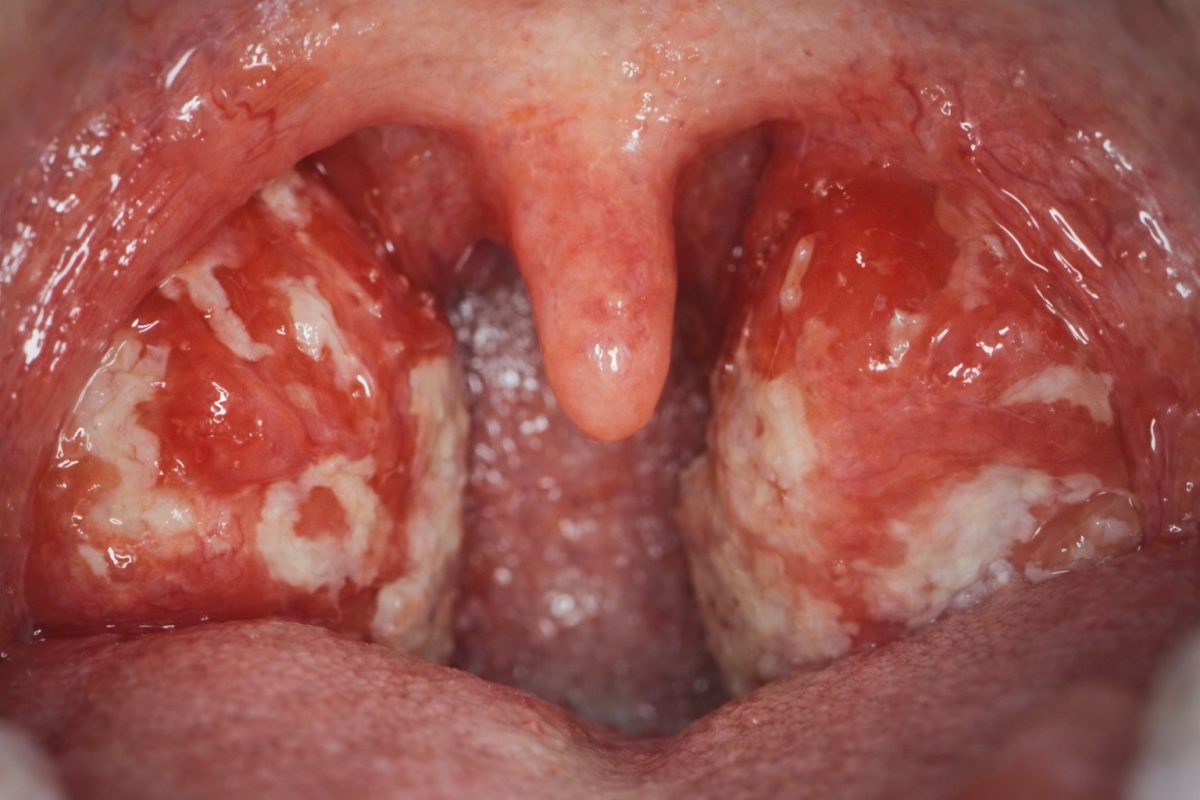
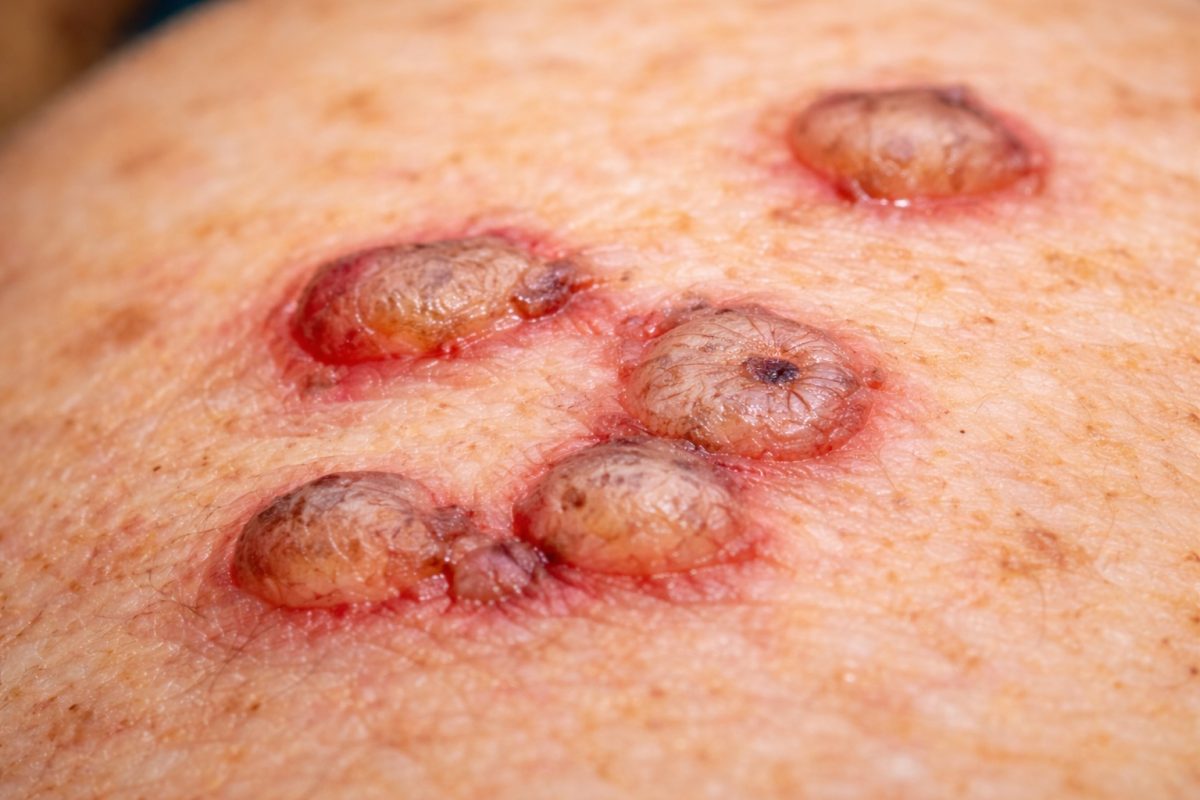
Although many infections are silent, some early warning signs should never be ignored. These may include pain during urination, unusual genital discharge, genital ulcers or blisters, genital warts, persistent itching, or genital swelling. These symptoms are not specific to one condition and may resemble other medical issues.
Why the Term “STI” Is Used More Often Today
Healthcare professionals increasingly use the term STI because it reflects the early and often symptom-free nature of infections. The word “disease” can imply visible illness, which may discourage testing when symptoms are absent. Using “STI” helps reduce stigma, encourages routine screening, and supports earlier detection before complications develop.

How STIs and STDs Are Diagnosed
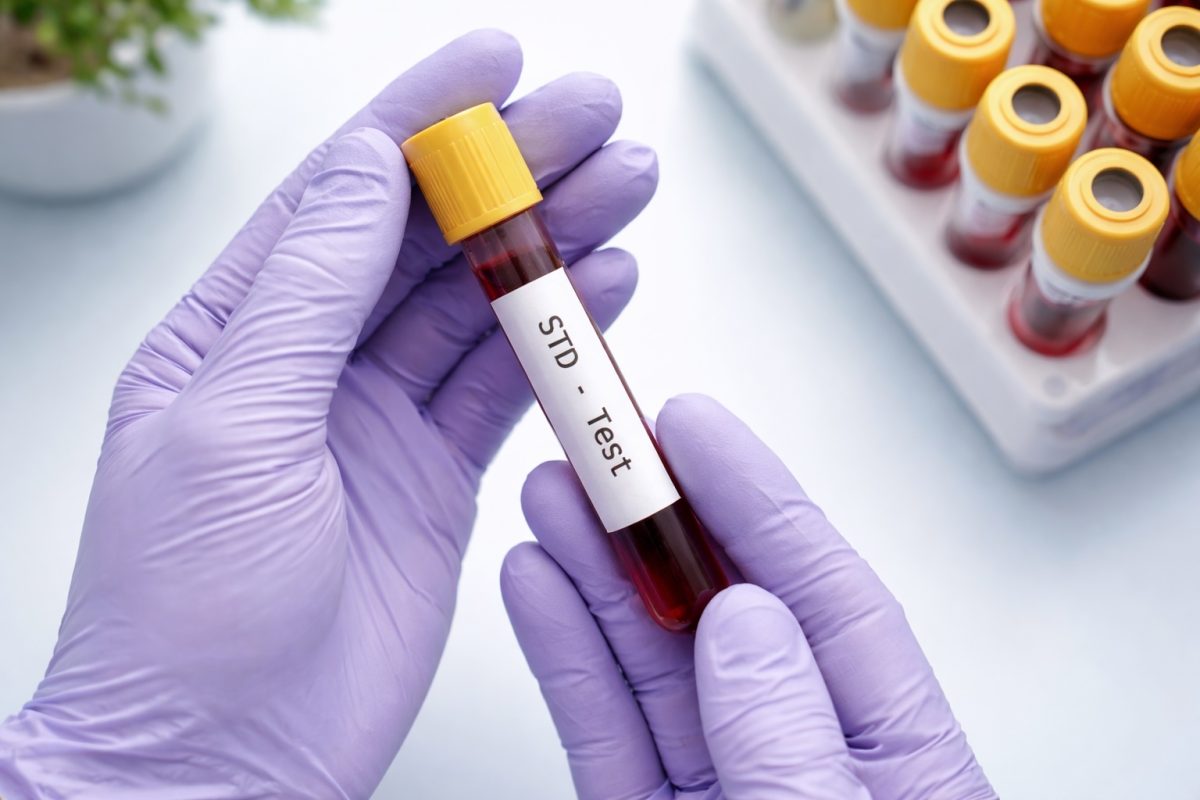
Diagnosis begins with a medical consultation where symptoms, sexual history, and risk factors are discussed. Depending on the situation, a healthcare provider may recommend urine tests, blood tests, swab tests from the genitals, throat, or anus, or a physical examination for visible lesions or warts.
Treatment: STI vs STD
Treatment approaches for STIs and STDs depend on the type of infection and whether symptoms or complications have developed. Early-stage infections are often easier to manage, while more advanced conditions may require longer treatment or ongoing medical care.
Treating STIs
Bacterial STIs such as chlamydia and gonorrhea are usually treated with antibiotics, while parasitic infections require targeted medication. Early treatment prevents progression and reduces transmission.
Managing STDs
When infection has progressed to disease, treatment may involve longer courses of medication, symptom control, or ongoing monitoring. Viral STDs such as HIV, genital herpes, and HPV cannot be cured but can be effectively managed to protect health and reduce transmission risk.
Partner testing and treatment are essential in both cases to prevent reinfection. Treating only one partner may allow the infection to continue circulating, increasing the risk of ongoing transmission and repeated illness.
Why Early Detection Matters
Leaving an STI undetected allows it to progress silently into an STD. Untreated infections may lead to infertility, chronic pain, organ damage, or an increased risk of acquiring other infections such as HIV. Early detection allows infections to be managed before complications develop and protects long-term reproductive and overall health.
Prevention of STIs and STDs
Preventive measures focus on reducing exposure and maintaining sexual health awareness. Practising safe sex, limiting the number of sexual partners, avoiding sharing needles, getting vaccinated for HPV and hepatitis B, and attending regular screenings all play an important role. Prompt attention to symptoms and routine testing helps stop transmission early.

Understanding STD vs STI for Better Sexual Health
Understanding the difference between STDs and STIs empowers individuals to take control of their sexual health. An STI refers to an infection, often without symptoms, while an STD reflects a disease that has developed. Both require medical attention, testing, and responsible follow-up.
Dr Chong Clinic provides private screening, diagnosis, and treatment for STIs and STDs in a professional and discreet environment. Our experienced medical team offers clear guidance and personalised care to support your health and peace of mind. Book an appointment with Dr Chong Clinic today to take proactive steps toward sexual wellbeing.
Frequently Asked Questions (FAQs)
1. What is the difference between an STD and an STI?
An STI (sexually transmitted infection) refers to the presence of an infection in the body, often without symptoms. An STD (sexually transmitted disease) occurs when the infection progresses to cause symptoms or health complications.
2. Can you have an STI without knowing it?
Yes. Many STIs do not cause noticeable symptoms, especially in the early stages. This is why regular screening is important, even if you feel well.
3. Do all STIs eventually become STDs?
No. Not all STIs progress into STDs. With early detection and appropriate treatment, many infections can be cleared or managed before causing disease.
4. Can STIs and STDs be transmitted even without symptoms?
Yes. Both STIs and STDs can be transmitted to sexual partners. People with asymptomatic infections may unknowingly spread them without regular testing.
*All images used in this article are AI-generated.