Blog
Ashy Knees and Elbows: Causes & Treatments

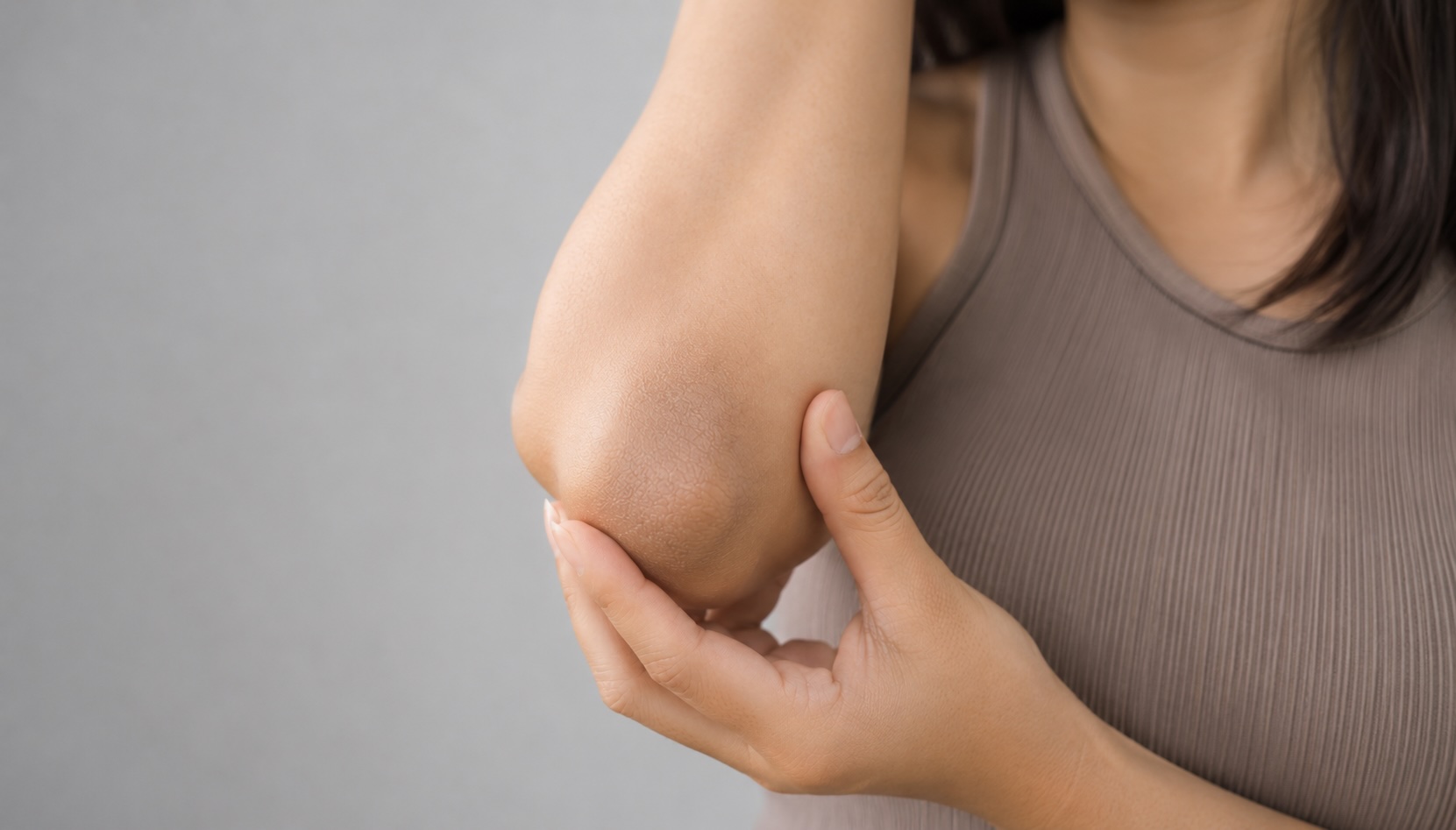
Ashy knees and elbows usually happen when the skin becomes dry, rough, thickened, or darker due to friction, dead skin buildup, or lack of moisture. While this is often not serious, persistent roughness or dark patches may need more than basic moisturiser to improve.
These areas naturally experience more pressure and movement, which can make the skin look dull, greyish, flaky, or uneven. Understanding the cause helps determine whether home care, skincare adjustments, or professional treatment may be more suitable.
Why Do Knees and Elbows Become Ashy?
Knees and elbows have thicker skin and fewer oil glands compared to other areas. This makes them more likely to become dry, rough, and dull-looking, especially when exposed to frequent friction.
Ashiness may also become more obvious after bathing, shaving, sun exposure, or using harsh soaps. If the skin barrier becomes weak, moisture escapes more easily and the area may feel tight, flaky, or uncomfortable.
Common Causes of Ashy Knees and Elbows
Several factors can contribute to dry or darkened knees and elbows. Understanding the possible cause can help determine the most suitable approach for improving skin texture and appearance.
Dry Skin
Dryness is one of the most common causes of ashy-looking knees and elbows. When the skin lacks moisture, it may appear grey, flaky, rough, or cracked. People with naturally dry skin or recurring dry skin or dry patches may notice similar concerns on other parts of the body as well.
Friction and Pressure
Leaning on elbows, kneeling often, wearing tight clothing, or exercising frequently may cause repeated rubbing. Over time, this can make the skin thicker, rougher, and darker. This type of darkening may not improve with whitening products alone if friction continues.
Dead Skin Buildup
Dead skin cells can accumulate on thicker areas such as the knees and elbows. This buildup may make the skin look dull, uneven, and rough to the touch. Gentle exfoliation may help, but aggressive scrubbing can worsen irritation and pigmentation.
Skin Sensitivity or Eczema
Some people develop ashy patches because their skin barrier is easily irritated. Conditions such as allergic eczema may cause itching, dryness, redness, or thickened skin after repeated inflammation. If the area is itchy, inflamed, or cracked, medical assessment may be needed before using active skincare.
Post-Inflammatory Hyperpigmentation
Repeated scratching, dryness, friction, or irritation can trigger dark marks after inflammation. This is known as post-inflammatory hyperpigmentation. For knees and elbows, pigmentation often develops slowly and may take time to fade.
Can Skincare Improve Ashy Knees and Elbows?
Consistent skincare may help improve ashy knees and elbows, especially when dryness and dead skin buildup contribute to rough texture. Moisturisers containing ingredients such as urea, glycerin, ceramides, lactic acid, or hyaluronic acid may help support the skin barrier, soften rough patches, and reduce flaking.
Gentle exfoliation can also help remove accumulated dead skin cells and improve skin smoothness. However, over-exfoliating or harsh scrubbing may worsen dryness, irritation, and pigmentation. A balanced routine focused on hydration and mild exfoliation is often more effective than aggressive treatments.
If skin thickening or darkening is caused by long-term friction or pigmentation, skincare alone may not always be enough.
When Should You Consider Professional Treatment?
Professional treatment may be helpful when knees or elbows remain rough, dark, or uneven despite skincare. This is especially true if the concern has lasted for months or continues to worsen. A doctor can assess whether the issue is mainly dryness, thickened skin, pigmentation, or inflammation. This helps reduce the risk of choosing the wrong treatment.
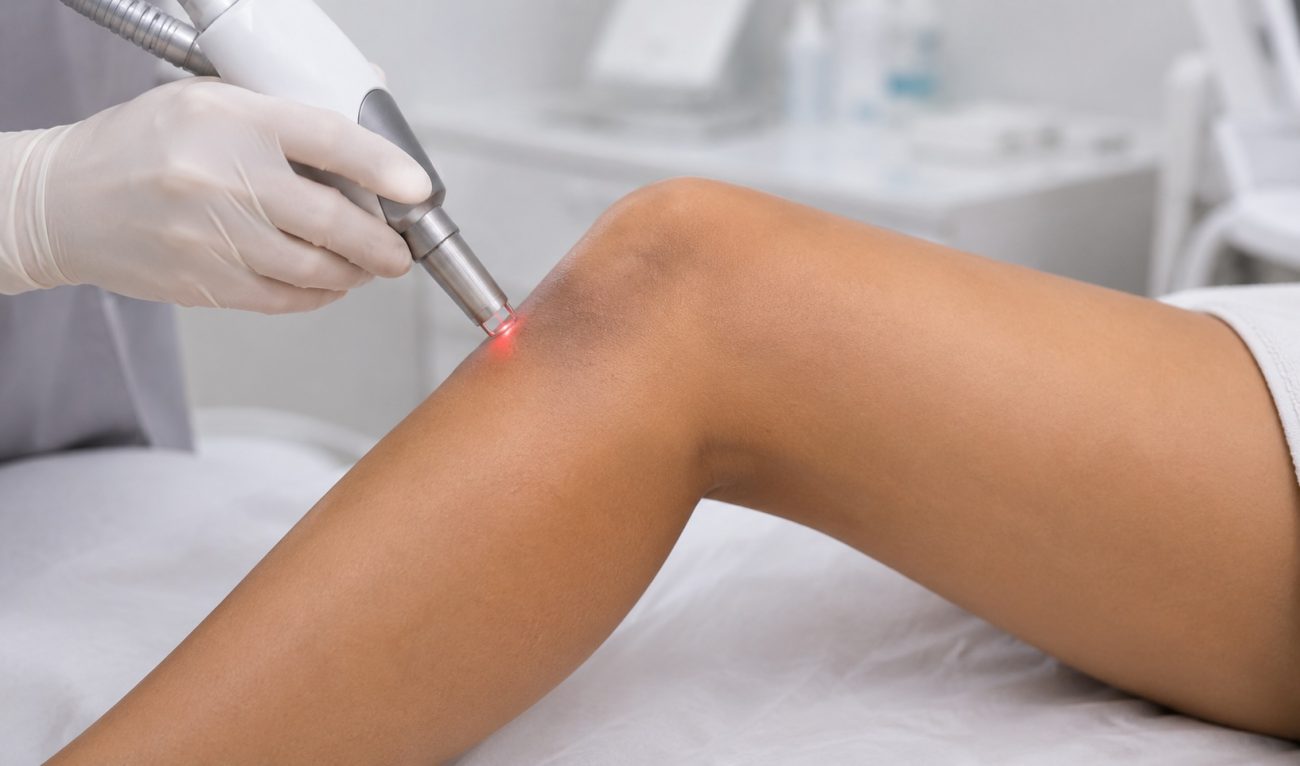
Professional Treatments for Ashy Knees and Elbows
Treatment depends on the cause and severity of the concern. While some cases may improve with skincare, persistent roughness, dryness, or darkening may require additional treatment approaches.
Chemical Peels
Chemical peel treatments may help remove dead skin buildup and improve rough texture. For knees and elbows, mild peels may be considered when the skin appears thickened, dull, or uneven. The peel type and strength should be selected carefully to avoid irritation.
Skin Rejuvenation Treatment
A skin rejuvenation treatment may help improve overall skin quality, hydration, and texture. This can be useful when the area looks dull, dry, or rough despite moisturising. Treatment suitability depends on skin condition and sensitivity.
Laser Treatment for Pigmentation
If the main concern is darkening, selected laser treatments may help target excess pigment. Options such as pico laser may be considered when pigmentation is more prominent than dryness. However, not all dark knees and elbows are caused by pigment alone. If friction and dryness continue, pigmentation may return.
How to Prevent Ashy Knees and Elbows
Prevention focuses on reducing dryness, friction, and irritation. Moisturise regularly, avoid harsh scrubbing, use gentle cleansers, and protect exposed areas from the sun. It may also help to avoid leaning on elbows for long periods or kneeling without protection. Consistent care is important because knees and elbows are high-friction areas.
Smoother Knees and Elbows Start with the Right Approach
Ashy knees and elbows are often caused by dryness, friction, dead skin buildup, or pigmentation. Mild cases may improve with consistent moisturising and gentle exfoliation, but persistent roughness or darkening may require professional assessment.
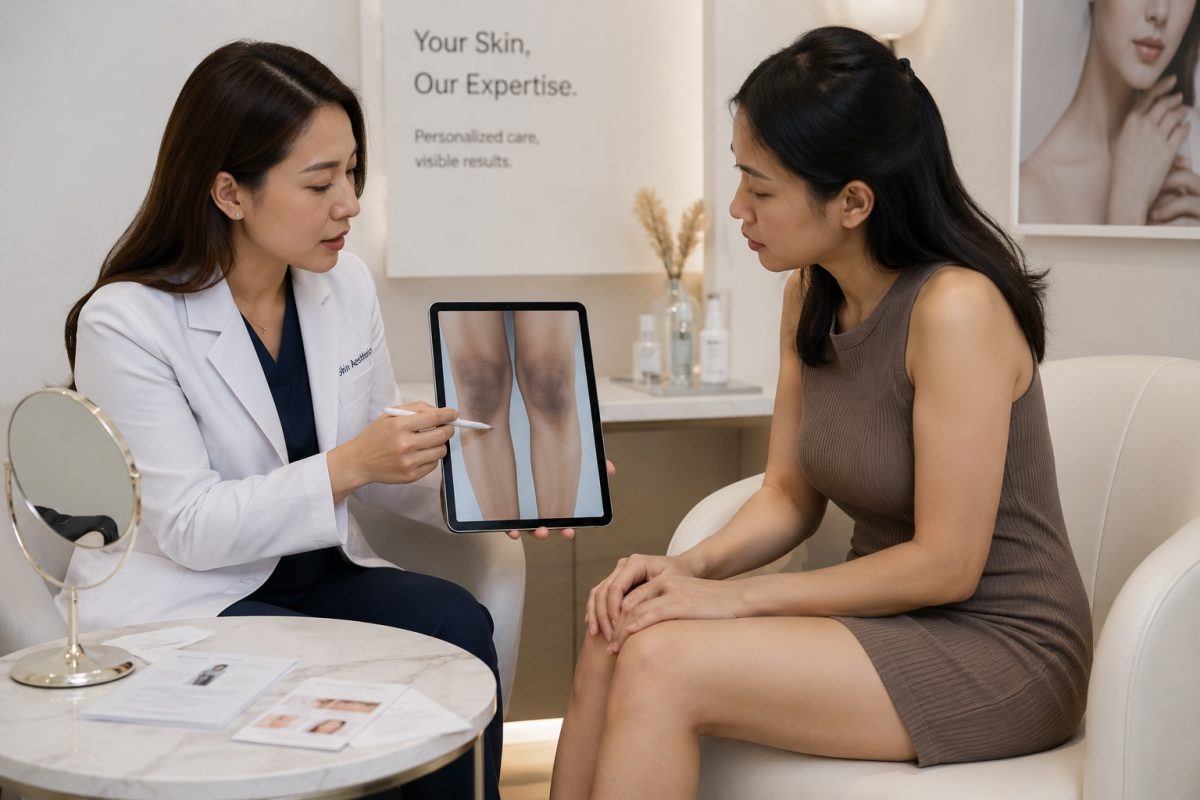
At Dr Chong Clinic, treatment recommendations are tailored according to skin condition, dryness severity, pigmentation risk, and sensitivity. The clinic provides skin-focused and aesthetic treatments that may help improve rough texture, hydration, and uneven skin tone.
If your knees or elbows remain dry, rough, or dark despite home care, consider booking a consultation or appointment for a personalised assessment and suitable treatment plan.
Frequently Asked Questions (FAQs)
1. What causes ashy knees and elbows?
Ashy knees and elbows are usually caused by dry skin, friction, dead skin buildup, or pigmentation after irritation. These areas have thicker skin and experience frequent pressure, making them more prone to roughness and darkening.
2. Can moisturiser get rid of ashy knees and elbows?
Moisturiser can improve ashiness caused by dryness by softening the skin and supporting the skin barrier. However, if darkening is caused by pigmentation or thickened skin, additional treatment may be needed.
3. Should I scrub dark knees and elbows?
No, harsh scrubbing is not recommended because it can irritate the skin and worsen pigmentation. Gentle exfoliation and moisturising are safer options for improving rough texture over time.
4. When should I seek treatment for ashy knees and elbows?
You should seek treatment if the patches are painful, itchy, cracked, spreading, or do not improve with consistent home care. A professional assessment can identify whether dryness, eczema, pigmentation, or friction is the main cause.
*All images used in this article are AI-generated.