Blog
Can Laser Treatment Remove Injury Scars?

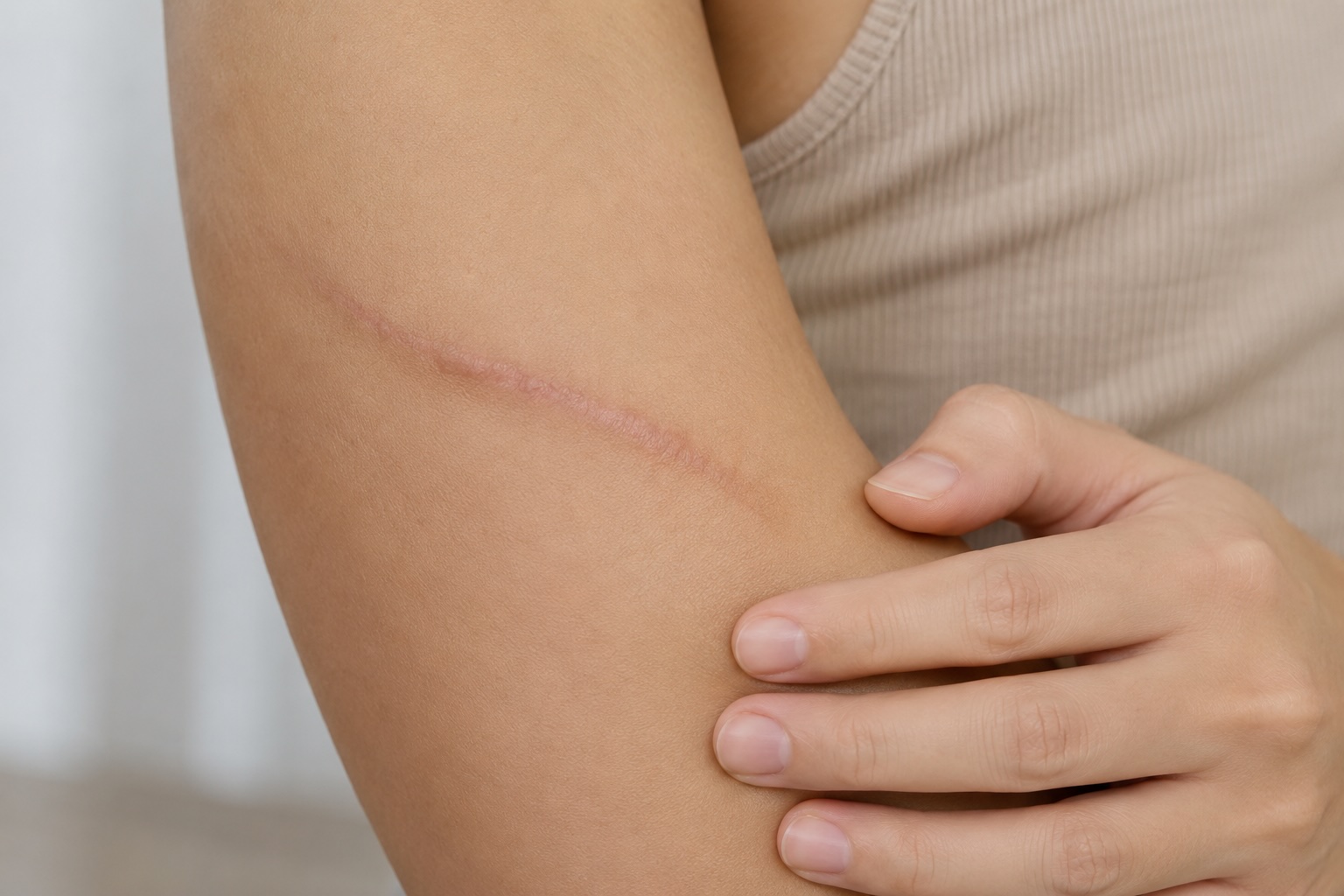
Laser treatment can help reduce the appearance of injury scars, but it may not completely remove them. The results depend on the scar type, depth, age, skin condition, and how the skin heals after treatment. For many people, laser treatment can improve the colour, texture, thickness, and overall visibility of scars over time.
Injury scars may form after cuts, burns, surgery, accidents, or trauma to the skin. While some scars fade naturally, others remain raised, dark, red, uneven, or textured. Professional scar assessment is important to determine whether laser treatment is suitable or whether another treatment approach may work better.
What Are Injury Scars?
Injury scars form when the skin repairs itself after damage. During healing, the body produces collagen to close the wound. If collagen production is uneven, excessive, or insufficient, the scar may become more noticeable.
Scars may appear flat, raised, sunken, dark, red, or rough. Some may also feel tight, itchy, or sensitive, depending on the severity of the original injury and the healing process.
Can Laser Treatment Fully Remove Injury Scars?
Laser treatment can improve injury scars, but complete scar removal is not always realistic. The goal is usually to make the scar less visible by improving skin texture, colour, and smoothness.
A skin laser treatment approach may help stimulate skin renewal and collagen remodelling. Over multiple sessions, this may soften scar edges, smooth uneven areas, and improve the overall appearance of the skin. However, deeper scars, thick scars, and older scars may need a combination of treatments for better results.
How Laser Treatment Helps Injury Scars
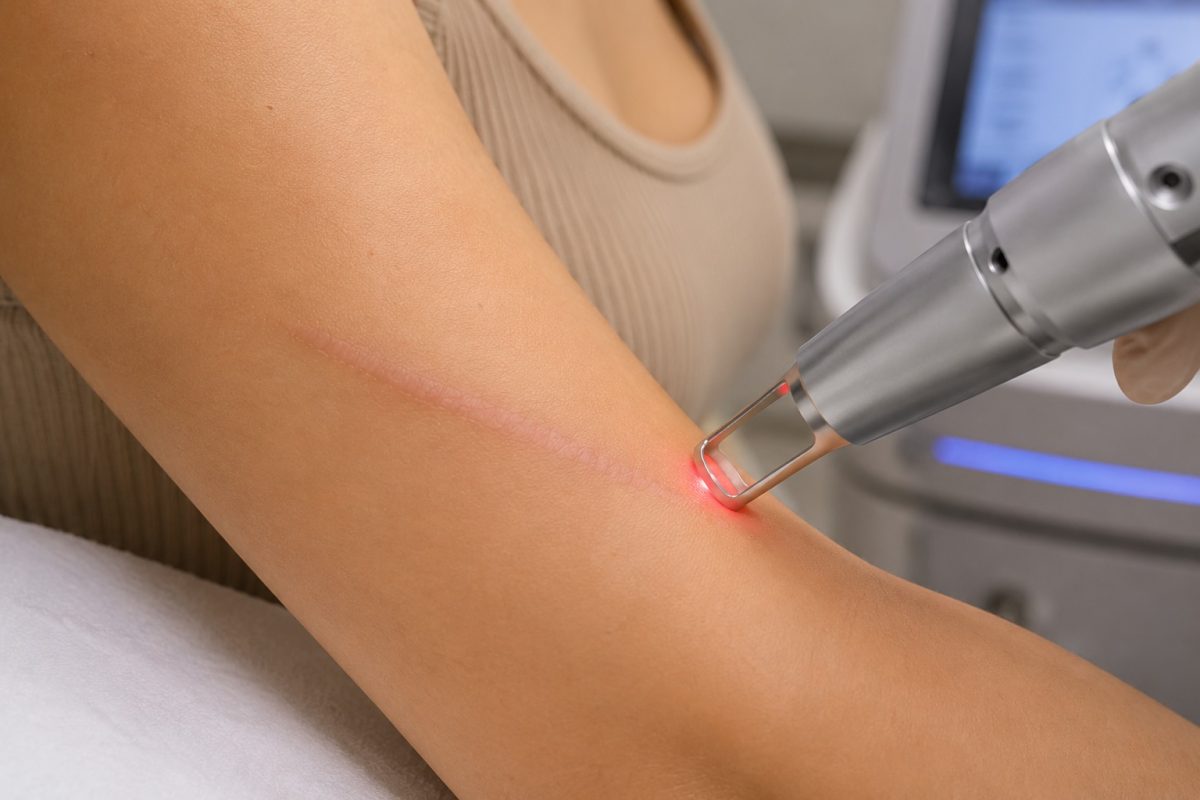
Laser treatments work by using controlled energy to target scar tissue or surrounding skin. Depending on the laser type, treatment may focus on resurfacing uneven texture, reducing redness, improving pigmentation, or stimulating collagen production.
This can be helpful for scars that look rough, dark, red, or raised. In some cases, laser treatment may also support broader skin rejuvenation treatment by improving skin quality around the scar. Results usually develop gradually because collagen remodelling takes time.
Different Types of Laser Treatments Used for Injury Scars
Laser treatments for injury scars are not one-size-fits-all. The most suitable option often depends on whether the scar is raised, indented, pigmented, red, or textured. Some lasers focus on collagen stimulation, while others target pigmentation or uneven skin tone.
Pico Laser for Pigmented Injury Scars
Pico laser benefits may include helping reduce pigmentation left behind by injuries. Pico laser uses ultra-short pulses of energy to target excess pigment, making it more suitable for scars that appear darker than the surrounding skin, rather than deeply indented scars.
For scars with post-inflammatory darkening, pico laser may help improve overall skin tone and make scars less noticeable over time. Multiple sessions are often needed, as scar improvement tends to develop gradually depending on pigmentation severity and individual skin healing response.
Fractional CO2 Laser for Textured or Indented Scars
Fractional CO2 laser is commonly considered for scars with uneven texture, thickening, or depressed appearance because it works by stimulating collagen remodelling beneath the skin.
When comparing the pico laser with the fractional CO2 laser, the fractional CO2 is often associated with improving scar texture, while the pico laser may focus more on pigmentation. This type of laser may be recommended for older scars or scars with visible surface irregularities.
Carbon Laser for Mild Surface Scars
Carbon laser treatment may help improve overall skin smoothness and superficial textural irregularities surrounding minor scars, although it is generally not the first-line option for deeper injury scars. Understanding the difference between carbon laser and pico laser may help explain why treatment choice depends heavily on scar depth and appearance.
Dual Yellow Laser for Red or Vascular Scars
Some newer injury scars remain red due to increased blood vessels beneath healing skin. Dual yellow laser treatment may be considered for reducing persistent redness associated with healing scars. Treatment suitability depends on scar age, inflammation level, and skin assessment.
No single laser works best for every scar type, which is why professional assessment is important before choosing treatment.
Types of Injury Scars That May Improve With Laser Treatment
Different scars respond differently to treatment. A doctor will usually assess the scar before recommending a suitable method.
Flat Dark Scars
Some injury scars leave behind brown or dark marks, especially after inflammation or trauma. These marks may be linked to post-inflammatory hyperpigmentation, where excess pigment remains after the skin heals. Laser treatment may help lighten the appearance of these marks, but sun protection is important to prevent the scar from darkening again.
Red or Pink Scars
Fresh scars may appear red or pink due to increased blood vessels and inflammation during healing. Some redness improves naturally, while persistent redness may benefit from treatments that target vascular changes. Concerns similar to post-inflammatory erythema (PIE) may require a different treatment approach from brown pigmentation.
Raised Scars
Raised scars occur when the body produces too much collagen during healing. Laser treatment may help soften texture and reduce thickness, but raised scars may also require injections, silicone therapy, or other scar management methods.
Sunken or Indented Scars
Some injury scars appear sunken because the skin loses underlying support during healing. Laser resurfacing may help stimulate collagen, but deeper indentations may require a combination treatment. This is similar to how certain acne-related depressions, such as pockmarks, often need more than one approach.
Burn Scars
Burn-related scars may be thick, tight, discoloured, or uneven. Treatment planning depends on scar severity and whether the area is still actively healing. For more complex cases, guidance on burn mark treatments may be relevant before choosing laser treatment.
How Many Sessions Are Needed?
Most injury scars require multiple sessions for visible improvement. The number of sessions depends on the scar’s age, depth, colour, thickness, and response to treatment. Mild scars may improve after a few sessions, while deeper or older scars may need a longer treatment plan.
Results are gradual because the skin needs time to rebuild collagen and repair itself after each session. A doctor may also recommend spacing treatments several weeks apart to allow safe healing.
What to Expect After Laser Scar Treatment
After laser treatment, the skin may appear red, warm, dry, or mildly swollen. Some treatments may cause peeling or temporary darkening before the skin improves. Recovery depends on the laser type and treatment intensity.
Gentle treatments may involve minimal downtime, while resurfacing lasers may require more aftercare. Post-treatment care usually includes moisturiser, sunscreen, avoiding harsh active ingredients, and protecting the treated area from sun exposure.
When Should You Consider Laser Treatment for Injury Scars?
Laser treatment may be considered when injury scars remain visible after the wound has fully healed. It may be suitable if the scar is dark, red, rough, raised, uneven, or affecting confidence.
However, treatment should not be performed on open wounds, infected skin, or scars that are still actively healing unless advised by a doctor. Proper timing is important to reduce irritation and improve results.

Choosing the Right Laser Treatment for Injury Scars
Laser treatment can improve injury scars by reducing discolouration, smoothing texture, and supporting collagen remodelling. While it may not completely erase every scar, it can make many scars less noticeable with the right treatment plan.
At Dr Chong Clinic, treatment recommendations are tailored according to scar type, skin tone, healing history, pigmentation risk, and treatment goals. The clinic offers professional laser and skin-focused treatments designed to address pigmented scars, uneven texture, and visible skin irregularities through personalised treatment planning.
Different scar types may require different approaches, including pigment-targeting lasers, resurfacing treatments, or collagen-stimulating procedures to support improvement. If an injury scar continues affecting your confidence, consider booking a consultation or appointment for a personalised scar assessment and treatment recommendation.
Frequently Asked Questions (FAQs)
1. Can laser treatment completely remove injury scars?
Laser treatment can reduce the appearance of injury scars, but it may not completely remove them. It usually helps improve scar colour, texture, thickness, and overall visibility over time.
2. How many laser sessions are needed for injury scars?
The number of sessions depends on the scar’s depth, age, colour, and skin response. Mild scars may need fewer sessions, while deeper or older scars often require a longer treatment plan.
3. Is laser treatment suitable for old injury scars?
Yes, laser treatment may still improve old injury scars, although results can vary. Older scars may need multiple sessions or combination treatments for better improvement.
4. Can laser treatment make scars worse?
Laser treatment is generally safer when performed by trained professionals using suitable settings. If the treatment is too aggressive or aftercare is poor, irritation or pigmentation changes may occur.
*All images used in this article are AI-generated.