Blog
Can STDs Affect the Menstrual Cycle?


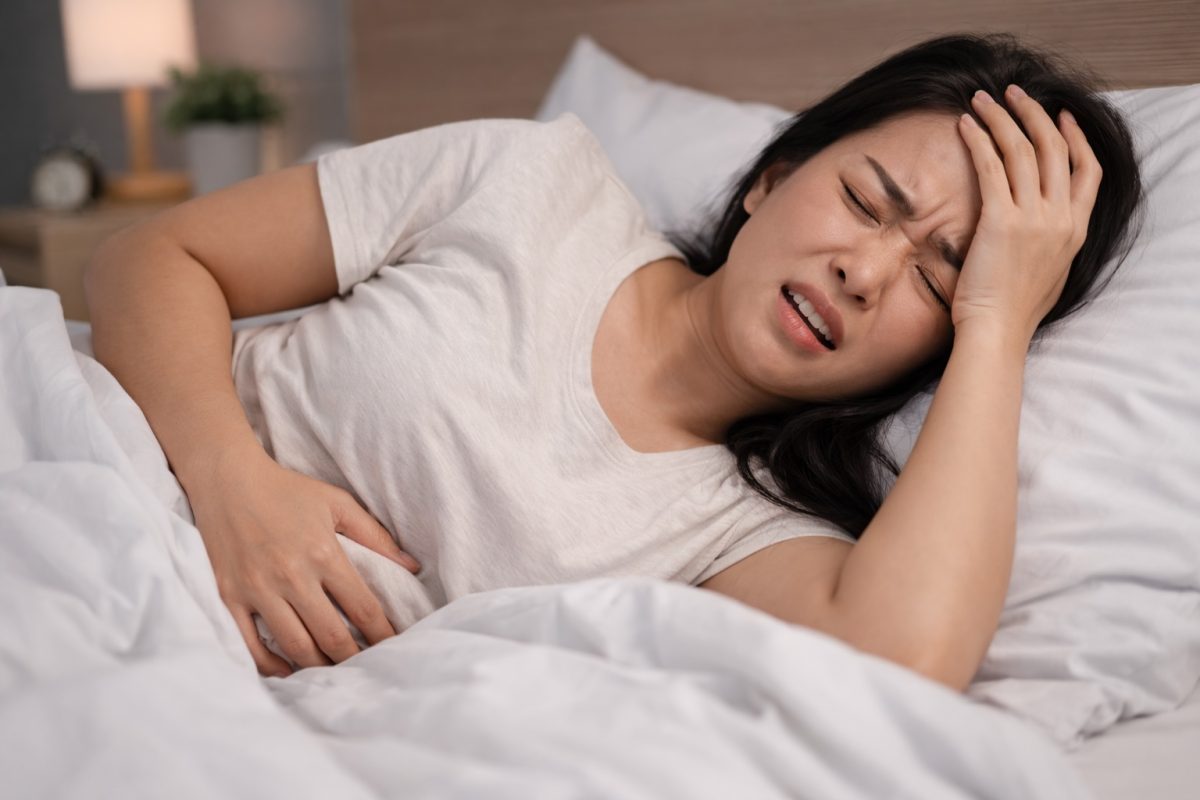
The menstrual cycle is an important part of a woman’s reproductive health. Typically, it occurs every 21 to 35 days, although the length may vary between individuals. However, when changes such as irregular periods, abnormal bleeding, or pelvic pain occur, many women begin to wonder whether these changes are linked to an underlying health condition.
One possible cause that is often overlooked is sexually transmitted diseases (STDs). Although STDs do not always cause changes in the menstrual cycle, certain infections can affect the reproductive system and disrupt the body’s normal balance.
This article explains how STDs may influence the menstrual cycle, the symptoms to watch for, and the importance of seeking medical evaluation.
What Is the Menstrual Cycle?
The menstrual cycle is a natural process regulated by female reproductive hormones such as:
- Estrogen
- Progesterone
- Luteinizing hormone (LH)
- Follicle-stimulating hormone (FSH)
These hormones control processes such as:
- Egg maturation
- Ovulation
- Thickening of the uterine lining
- Menstruation
When there is a disruption in the reproductive system or hormonal balance, the menstrual cycle may become irregular.
Can STDs Affect the Menstrual Cycle?
In most cases, STDs do not directly alter the hormones that regulate menstruation. However, certain infections can cause inflammation or complications in the reproductive organs, which may indirectly affect the menstrual cycle. For example, infections involving the uterus, cervix, or fallopian tubes may lead to:
- Abnormal bleeding
- Irregular periods
- Pelvic pain
- Bleeding after sexual intercourse
These changes are sometimes mistaken for normal menstrual irregularities.

STDs That May Cause Menstrual Changes
Some sexually transmitted infections are known to affect the female reproductive system if left untreated.
1. Chlamydia
Chlamydia is one of the most common STDs and often shows no symptoms. However, if the infection spreads to the reproductive organs, it may cause:
- Bleeding between periods
- Bleeding after sexual intercourse
- Pelvic pain
If untreated, chlamydia can lead to pelvic inflammatory disease (PID).
2. Gonorrhea
Gonorrhea can infect the cervix and uterus. Symptoms may include:
- Abnormal bleeding
- Unusual vaginal discharge
- Pelvic pain
These symptoms may affect normal menstrual patterns.
3. Pelvic Inflammatory Disease (PID)
PID is a serious complication that can occur when STDs such as chlamydia or gonorrhea are left untreated. This infection may affect:
- Uterus
- Fallopian tubes
- Ovaries
Symptoms of PID include:
- Irregular menstruation
- Abnormal bleeding
- Severe pelvic pain
PID can also increase the risk of infertility if not treated promptly.
4. HPV
HPV does not usually affect the menstrual cycle directly. However, in some cases, it may cause changes in the cervix that lead to:
- Bleeding after sexual intercourse
- Bleeding between periods
Menstrual Changes to Watch For
While minor changes in the menstrual cycle can be normal, certain symptoms may require medical evaluation, including:
- Bleeding between periods
- Bleeding after sexual intercourse
- Very heavy periods
- Persistent pelvic pain
- Abnormal vaginal discharge
If these symptoms occur alongside potential exposure to STDs, medical assessment is important.
Are All Menstrual Changes Caused by STDs?
No. Many other factors can also cause changes in the menstrual cycle, including:
- Stress
- Hormonal fluctuations
- Polycystic ovary syndrome (PCOS)
- Use of hormonal contraception
- Weight changes
However, if menstrual changes occur together with symptoms of infection, STDs should be considered as a possible cause.
When Should You See a Doctor?
You are advised to seek medical evaluation if you experience:
- Abnormal bleeding between periods
- Persistent pelvic pain
- Unusual vaginal discharge
- STD-related symptoms after sexual activity
Early assessment helps ensure accurate diagnosis and appropriate treatment.

How Do Doctors Diagnose This Condition?
To determine the cause of menstrual changes, doctors may perform tests such as:
- STD testing
- Pelvic examination
- Blood tests
- Pap smear
These tests help identify whether the symptoms are related to an infection or another health condition.
How to Reduce the Risk of STDs
Several steps can help reduce the risk of sexually transmitted infections:
- Use condoms during sexual activity
- Limit the number of sexual partners
- Undergo regular sexual health screenings
- Get vaccinated for HPV
These measures help protect reproductive health.
Conclusion: STDs Can Affect the Menstrual Cycle in Some Cases
Although STDs do not always directly affect the menstrual cycle, certain infections can cause inflammation or complications in the reproductive system, leading to abnormal bleeding or irregular periods.
If you experience changes in your menstrual cycle along with symptoms such as pelvic pain or abnormal genital discharge, seeking medical evaluation is important. Early detection ensures timely treatment and reduces the risk of long-term complications.
If you have concerns about STDs or your reproductive health, visit Dr Chong Clinic for accurate diagnosis and appropriate care.
Frequently Asked Questions (FAQ)
1. Can STDs cause irregular periods?
Yes. Some STDs may cause abnormal bleeding or changes in menstrual patterns.
2. Is bleeding after sex a sign of an STD?
It can be a symptom of infections such as chlamydia or gonorrhea, but medical evaluation is needed for an accurate diagnosis.
3. Are all menstrual changes related to STDs?
No. Menstrual changes can be caused by various factors such as hormones, stress, or other health conditions.
4. When should I get tested for STDs?
Testing is recommended if you have symptoms, have had unprotected sex, or have a new sexual partner.
*All images used in this article are AI-generated.