Blog
UTI vs STD Symptoms: How to Tell the Difference?


Urinary tract infections (UTIs) and sexually transmitted diseases (STDs) can cause very similar symptoms. Common signs include pain during urination, a burning sensation, or discomfort in the genital area.
Because of these overlapping symptoms, many individuals are unsure whether they are experiencing a UTI or an STD. While both conditions affect the urinary or reproductive systems, their causes, treatments, and health risks are different.
Understanding the differences between UTIs and STDs is important so that the correct treatment can be provided promptly. This article explains the differences in symptoms, causes, and how to identify whether you may have a UTI or an STD.
What Is a UTI?
A urinary tract infection (UTI) is a bacterial infection that affects parts of the urinary system, including:
- Bladder
- Urethra
- Kidneys
This infection is usually caused by bacteria from the digestive tract entering the urinary system. UTIs are more common in women because the female urethra is shorter, making it easier for bacteria to reach the bladder.
What Is an STD?
A sexually transmitted disease (STD) is an infection spread through sexual contact, including vaginal, oral, or anal sex. Common examples of STDs include:
Some STDs can cause symptoms affecting the urinary tract, which is why they are sometimes mistaken for UTIs.
Symptoms of a UTI
UTIs typically cause symptoms related to the urinary system. Common symptoms include:
- Pain or burning during urination
- Frequent urge to urinate
- Cloudy or strong-smelling urine
- Discomfort in the lower abdomen
- Dark urine or urine mixed with blood
In more severe cases, the infection may spread to the kidneys, causing:
- Fever
- Back pain
- Nausea and vomiting

Symptoms of an STD
STD symptoms can vary depending on the type of infection, but common signs include:
- Pain during urination
- Abnormal discharge from the penis or vagina
- Sores or blisters on the genitals
- Itching or rashes in the genital area
- Pain during sexual intercourse
- Unusual bleeding
Some STDs may not show symptoms in the early stages, but can still lead to complications if left untreated.
Key Differences Between UTI and STD
Although both conditions may cause pain during urination, several important differences can help identify the cause.
1. Cause of Infection
UTIs are typically caused by bacteria entering the urinary tract. STDs, on the other hand, are caused by bacteria, viruses, or parasites transmitted through sexual contact.
2. Additional Symptoms
UTIs usually cause symptoms related only to urination. In contrast, STDs often present additional symptoms such as:
- Genital sores
- Abnormal discharge
- Rashes in the genital area
3. Mode of Transmission
UTIs are not considered sexually transmitted and are generally not spread through sexual activity. STDs are transmitted through sexual contact with an infected individual.
4. Risk of Complications
If left untreated, UTIs can lead to kidney infections. Untreated STDs may result in complications such as:
- Infertility
- Pelvic infections
- Increased risk of HIV infection
This is why accurate diagnosis is essential.
When Should You See a Doctor?
You are advised to seek medical evaluation if you experience symptoms such as:
- Persistent pain during urination
- Abnormal genital discharge
- Sores or blisters in the genital area
- Fever or pelvic pain
- Symptoms that appear after sexual contact
A medical examination helps identify the exact cause and ensures appropriate treatment.
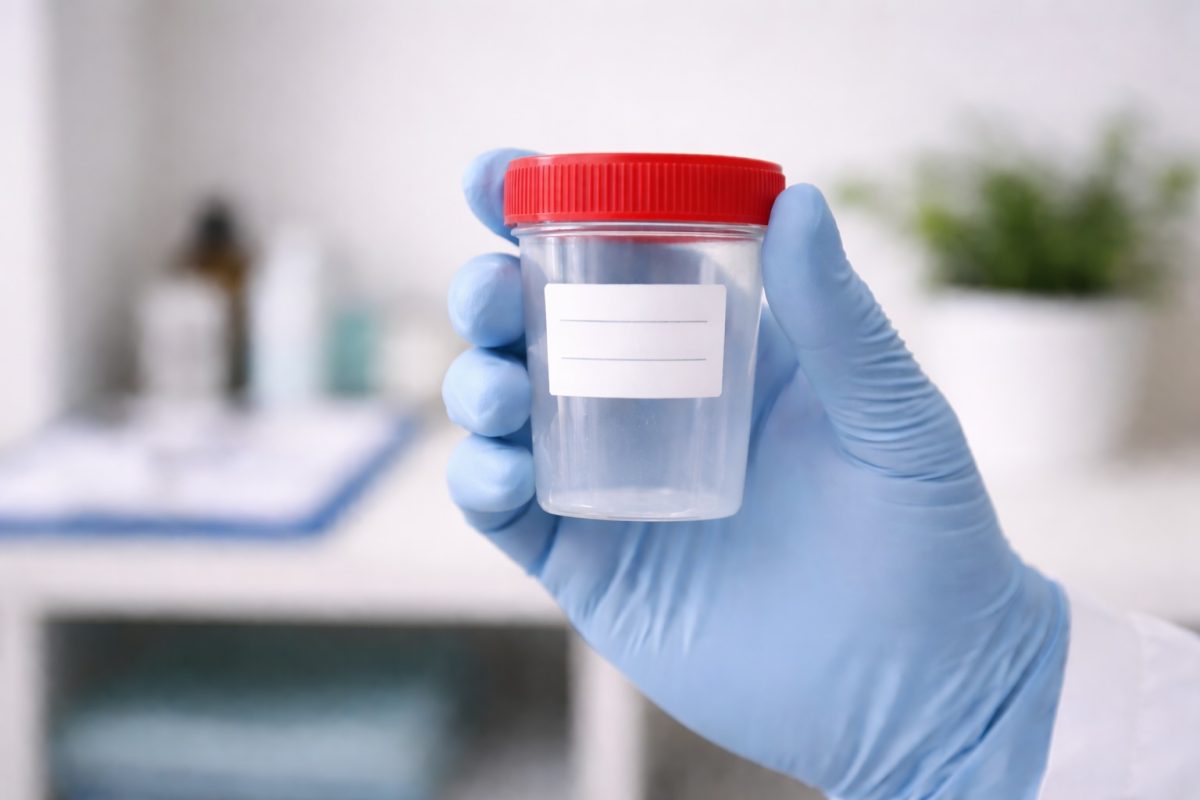
How Do Doctors Diagnose UTI or STD?
To determine the cause of symptoms, doctors may perform several tests, including:
- Urine test
- Swab test from the genital area
- Blood tests for certain infections
These tests help distinguish whether the symptoms are caused by a UTI or an STD.
Treatment for UTI and STD
Treatment for UTI
UTIs are usually treated with antibiotics to eliminate the bacteria causing the infection. Patients are also advised to drink plenty of water to help flush bacteria from the urinary tract.
Treatment for STD
STD treatments depend on the type of infection. For example:
- Antibiotics for bacterial infections such as chlamydia or gonorrhoea
- Antiviral medication for viral infections such as herpes
Early treatment is essential to prevent long-term complications.
How to Reduce the Risk of UTI and STD
Several steps can help reduce the risk of both infections:
- Maintain proper genital hygiene
- Drink sufficient water
- Use protection during sexual activity
- Avoid holding urine for long periods
- Undergo regular sexual health check-ups
These measures help protect both urinary and reproductive health.
Conclusion: UTI and STD Have Similar Symptoms but Different Causes
UTIs and STDs can cause similar symptoms, such as pain during urination or genital discomfort. However, they differ in causes, transmission, and treatment.
If you experience persistent symptoms or are unsure whether your condition is caused by a UTI or an STD, seeking medical evaluation is the safest approach.
Early diagnosis allows prompt treatment and helps prevent health complications.
If you have symptoms related to urinary tract infections or sexually transmitted diseases, visit Dr Chong Clinic for an accurate diagnosis and appropriate treatment.
Frequently Asked Questions (FAQ)
1. Is a UTI a sexually transmitted disease?
No. UTIs are usually caused by bacteria in the urinary tract and are not sexually transmitted infections.
2. Can STDs cause pain during urination?
Yes. Many STDs, such as chlamydia and gonorrhoea, can cause pain or burning during urination.
3. How can I tell the difference between a UTI and an STD?
UTIs usually cause urinary symptoms only, while STDs often include abnormal discharge, genital sores, or rashes.
4. Should I see a doctor if I have pain during urination?
Yes. Pain during urination can be a sign of either a UTI or an STD, so a medical evaluation is important to determine the cause.
*All images used in this article are AI-generated.