Blog
Can Condoms Prevent STDs and STIs?

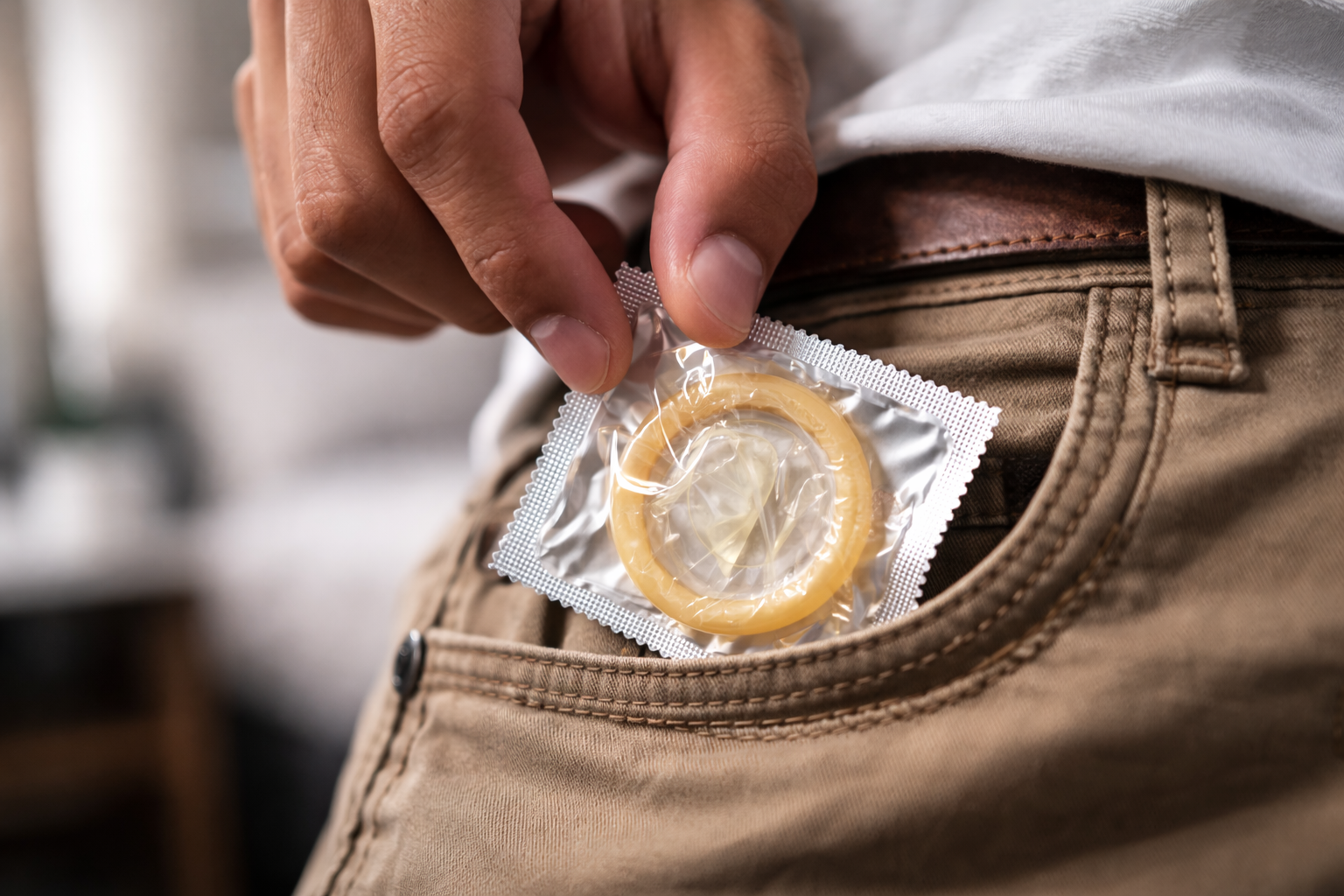
Condoms are often the first thing people think of when it comes to safer sex. They are widely recommended because they work. But one question still comes up quite often: Do condoms completely prevent sexually transmitted diseases and infections?
The honest answer is this. Condoms significantly reduce the risk, but they do not eliminate it. To understand why, it helps to look at how they work, what they protect against, and where their limitations come in.
How Do Condoms Work?
At the most basic level, condoms act as a barrier. When used properly, they prevent the exchange of bodily fluids such as semen, vaginal fluids, and blood. Since many infections spread through these fluids, this barrier plays a big role in reducing transmission. There are two common types:
- Male (external) condoms
- Female (internal) condoms
Both serve the same purpose, which is to limit exposure during vaginal, anal, or oral sex. When used correctly from start to finish, they are very effective in lowering the risk of infections like HIV, chlamydia, and gonorrhoea.
STDs That Condoms Help Prevent
Condoms are especially effective against infections that spread through fluids. When used consistently, they provide strong protection.
1. HIV
HIV spreads through blood, semen, and vaginal fluids. Because condoms block these fluids, they are highly effective in reducing transmission. Regular testing and treatment also play an important role in lowering risk.
2. Gonorrhea and Chlamydia
Bacterial infections like gonorrhoea and chlamydia are transmitted through genital fluids. Condom use greatly lowers the chance of infection and helps prevent complications when combined with early testing and treatment.
3. Trichomoniasis
This infection spreads through genital contact and fluids. Condoms reduce the risk, although symptoms are sometimes mild or absent, which makes screening important.
4. Hepatitis B
Hepatitis B can also spread through sexual fluids. Condoms reduce exposure, and vaccination offers long-term protection.
STDs That Condoms Reduce but Do Not Fully Prevent
Some infections spread through skin-to-skin contact rather than fluids. In these cases, condoms still help, but they cannot cover all areas.
1. HPV (Human Papillomavirus)
HPV spreads through intimate skin contact. Condoms reduce exposure but may not fully prevent it. Vaccination and regular screening are still important.
2. Genital Herpes
Genital herpes can spread through contact with infected skin, even when there are no visible sores. Condoms lower the risk but cannot fully eliminate it.
3. Syphilis
Syphilis spreads through contact with sores. If those sores are outside the area covered by a condom, transmission can still happen.

Why Condoms Are Not 100 Per cent Effective
Several factors affect how effective condoms are in preventing STDs and STIs. Although condoms offer strong protection when used correctly, improper use or Condoms work well, but their effectiveness depends on how they are used. Small mistakes can increase the risk without people realising it. Some common factors include:
- Incorrect usage
- Breakage or slipping
- Using expired condoms
- Not wearing a condom from the beginning
- Skin contact outside the covered area
Even something as simple as putting a condom on late can reduce its effectiveness. To get the most protection:
- Use a new condom every time
- Put it on before any contact
- Use proper lubricants (water or silicone-based)
- Check expiry dates
- Store condoms in a cool, dry place
When used properly, condoms remain one of the most reliable tools available.
Do Condoms Protect During Oral Sex?
Yes, condoms can reduce risk during oral sex as well. Some people use flavoured condoms for this purpose. Dental dams can also be used for oral-vaginal or oral-anal contact. While the risk of HIV is lower during oral sex, infections like gonorrhoea, herpes, syphilis, and HPV can still be transmitted.
Are Internal Condoms Effective?
Internal condoms offer similar protection when used correctly. They line the vaginal canal and reduce fluid exchange. In some cases, they may cover slightly more of the external skin than external condoms, which could provide additional protection against certain infections.
What About Using Two Condoms?
Using two condoms at the same time is not recommended. It might seem safer, but it actually increases friction, which can cause tearing. This applies to:
- Two external condoms
- One external and one internal condom together
One properly used condom is always the better option.
Can You Still Get an STD While Using Condoms?
Yes, although the risk is much lower with correct and consistent use. Condoms significantly reduce the transmission of many STDs and STIs, but they do not Yes, it is still possible, although the risk is much lower. Some infections can spread through areas not covered by a condom. For example:
- HPV through exposed skin
- Herpes through viral shedding
- Syphilis if sores are outside the covered area
Even so, condoms still reduce risk significantly and are an important part of protection.
How Effective Are Condoms Overall?
When used correctly and consistently, condoms are highly effective.
- They reduce HIV transmission by over 90 per cent
- They significantly lower the risk of gonorrhoea and chlamydia
- They reduce the likelihood of HPV and herpes transmission
Effectiveness drops mainly when usage is inconsistent or incorrect.
Additional Ways to Prevent STDs
Condoms work best when combined with other preventive steps.
- Regular STD/STI screening
- Limiting the number of sexual partners
- HPV vaccination
- Hepatitis B vaccination
- Open communication with partners
- Avoiding sex when symptoms are present
A combined approach offers stronger and more reliable protection.
Why Testing Still Matters
Even if you use condoms regularly, testing is still important. Some infections do not show symptoms, and some may have been acquired earlier. Routine screening is recommended:
- Once a year for sexually active individuals
- Every 3 to 6 months for higher-risk individuals
Testing remains the only way to be sure of your status.
Protect Your Sexual Health with Complete Prevention and Screening
Condoms are one of the most effective tools for reducing the risk of STDs and STIs. They provide strong protection, especially for infections spread through bodily fluids. However, they are not perfect, particularly for infections that spread through skin contact.
The best protection comes from combining condom use with regular testing, vaccination, and open communication. If you have concerns, notice symptoms, or simply want peace of mind, getting tested is always the safest step. Dr Chong Clinic offers confidential STD and STI screening, accurate diagnosis, and personalised treatment in a discreet setting.
Frequently Asked Questions (FAQs)
1. Can condoms completely prevent STDs and STIs?
No. They significantly reduce risk, but they do not provide full protection, especially for infections spread through skin contact.
2. Are condoms effective against HIV?
Yes. When used correctly, condoms reduce HIV transmission by more than 90 per cent.
3. Can you still get an STD if you use condoms every time?
Yes, but the risk is much lower. Some infections can spread through skin contact outside the condom.
4. Do I still need STD testing if I use condoms regularly?
Yes. Regular testing is important because some infections do not show symptoms or may still be transmitted despite protection.
*All images used in this article are AI-generated.