Blog
Folliculitis: Causes, Symptoms, and Treatments

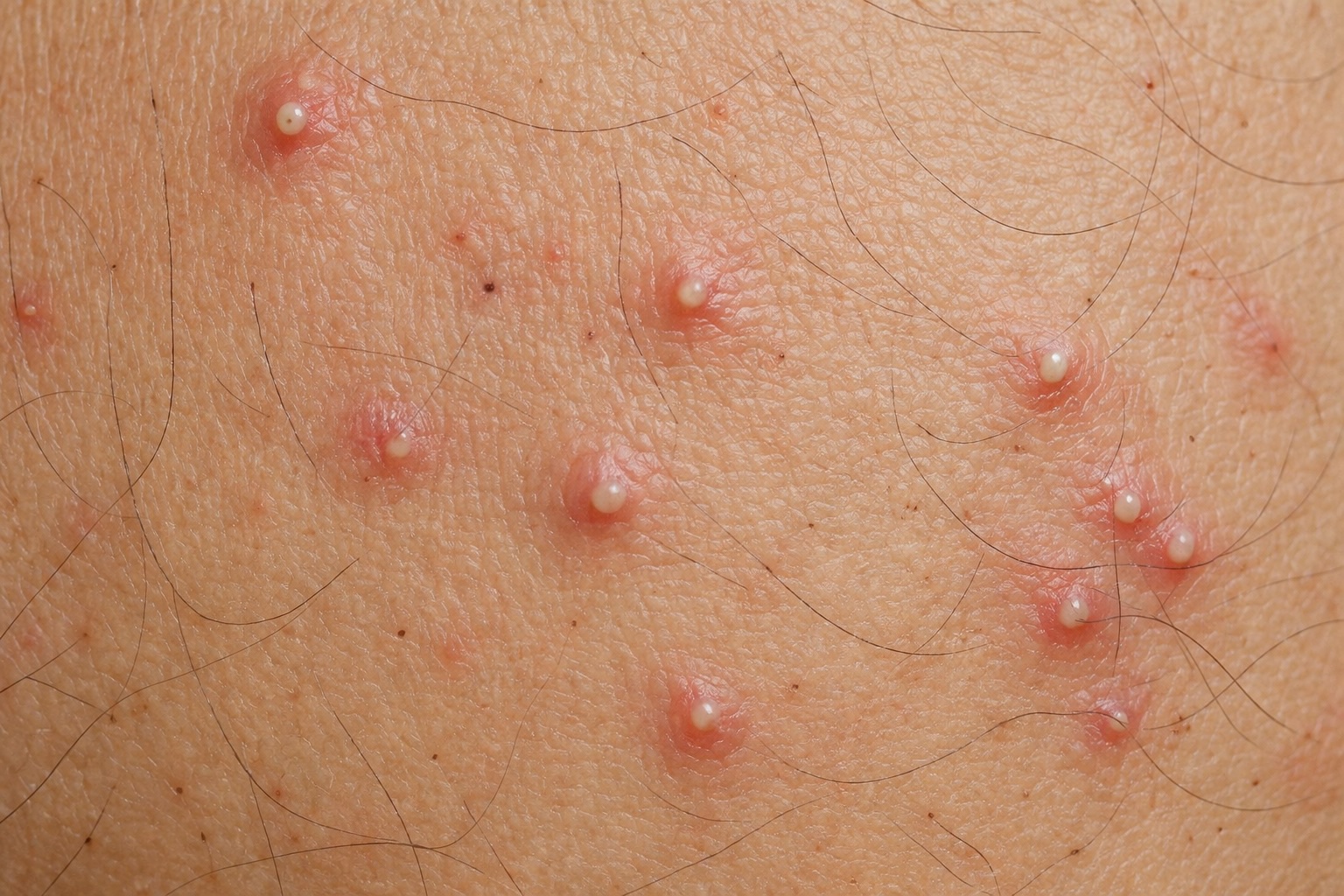
Folliculitis is a common skin condition that occurs when hair follicles become inflamed or infected. It can appear as small red bumps, pus-filled pimples, or irritated skin around hair follicles. While it may look similar to acne, folliculitis has different causes and requires a targeted approach for treatment.
In Malaysia’s hot and humid climate, factors such as sweating, friction, and bacterial growth can increase the risk of developing folliculitis. The good news is that with proper care and treatment, this condition can be effectively managed and prevented.
What Is Folliculitis
Folliculitis is the inflammation of one or more hair follicles, often caused by bacteria, fungi, or irritation. It commonly appears in areas with hair growth, such as the face, scalp, chest, back, thighs, and underarms.
The condition may resemble acne, especially when bumps look similar to a blackhead or an inflamed pimple. However, folliculitis is specifically linked to hair follicles rather than clogged pores alone.
Common Causes of Folliculitis
Understanding the causes of folliculitis is essential for choosing the right treatment.
1. Bacterial Infection
The most common cause of folliculitis is a bacterial infection, particularly from Staphylococcus bacteria. This can occur when bacteria enter the skin through small cuts or irritation.
2. Ingrown Hairs
Ingrown hairs are a major trigger for folliculitis, especially after shaving or waxing. When hair grows back into the skin, it can cause inflammation and infection. Learn more about ingrown hair and how it contributes to skin irritation.
3. Sweat and Humidity
Excessive sweating can trap bacteria and oil around hair follicles, increasing the risk of infection. This is especially common in Malaysia’s climate, where sweat buildup can lead to irritation and skin conditions similar to breakouts.
4. Friction from Clothing
Tight clothing or repeated friction can irritate hair follicles, leading to inflammation. Areas such as the thighs, underarms, and back are particularly prone to this type of irritation.
5. Fungal Infections
In some cases, folliculitis may be caused by fungal infections rather than bacteria. Conditions like fungal acne are often confused with bacterial folliculitis, making proper diagnosis important.
Symptoms of Folliculitis
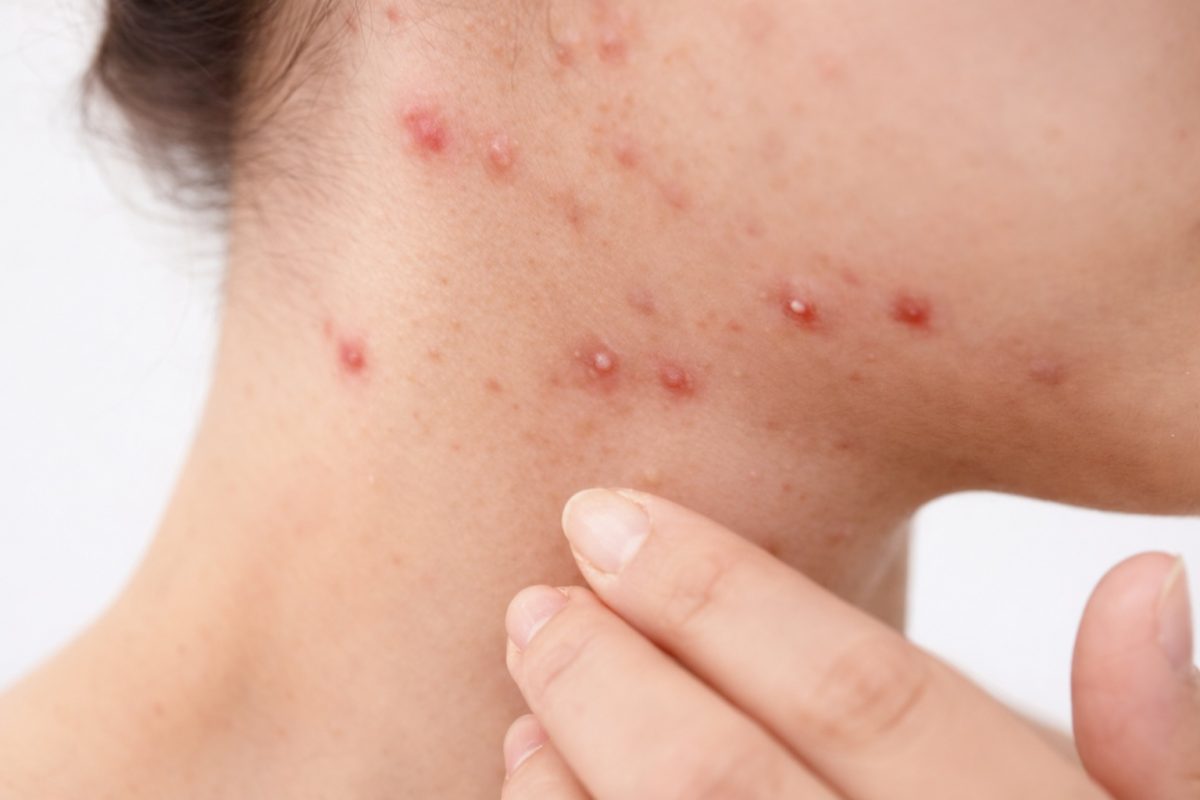
Folliculitis can present in different ways depending on its severity. Common symptoms include:
- Small red bumps around hair follicles
- Pus-filled pimples or whiteheads
- Itching or burning sensation
- Tender or inflamed skin
In more severe cases, folliculitis may resemble acne conditions such as cystic acne or nodular acne, which is why accurate diagnosis is important.
Types of Folliculitis
There are different types of folliculitis depending on the cause and depth of infection.
1. Superficial Folliculitis
This affects the upper part of the hair follicle and usually appears as small red or pus-filled bumps.
2. Deep Folliculitis
This occurs deeper within the follicle and may cause larger, more painful bumps or swelling.
3. Razor Bumps
Also known as pseudofolliculitis, this type is caused by ingrown hairs after shaving.
How to Treat Folliculitis
Treatment for folliculitis depends on its cause and severity.
1. Keep the Skin Clean
Maintaining good hygiene is essential to prevent the spread of bacteria and reduce inflammation. Use gentle cleansers and avoid harsh scrubbing, which can worsen irritation.
2. Avoid Shaving and Irritation
If shaving is the cause, it is important to stop temporarily to allow the skin to heal. Switching to alternative hair removal methods can help prevent recurrence.
3. Use Suitable Skincare Products
Avoid products that clog pores or irritate the skin. Tools like a pore clogging checker can help you choose suitable products. Keeping the skin balanced can also reduce the risk of developing conditions like clogged pores.
4. Medical Treatments
In more persistent cases, a doctor may prescribe:
- Antibiotic creams for bacterial infections
- Antifungal treatments for fungal folliculitis
- Anti-inflammatory medications to reduce irritation
Professional care ensures proper diagnosis and effective treatment.
How to Prevent Folliculitis
Preventing folliculitis is possible with the right habits and skincare routine. Practical prevention tips include:
- Avoid tight clothing that causes friction
- Shower after sweating to remove bacteria
- Use clean razors and proper shaving techniques
- Keep the skin dry and well-ventilated
These steps can significantly reduce the risk of follicle irritation and infection.
When Should You See a Doctor
You should consult a professional if:
- The condition does not improve after a few days
- The bumps become painful or swollen
- There are signs of a spreading infection
Early treatment helps prevent complications such as scarring or recurring infections.
Can Folliculitis Cause Scarring
Mild folliculitis usually heals without leaving marks. However, severe or untreated cases may lead to scarring or pigmentation. Repeated inflammation may also result in uneven skin texture, similar to pockmarks.
Manage Folliculitis for Healthier Skin
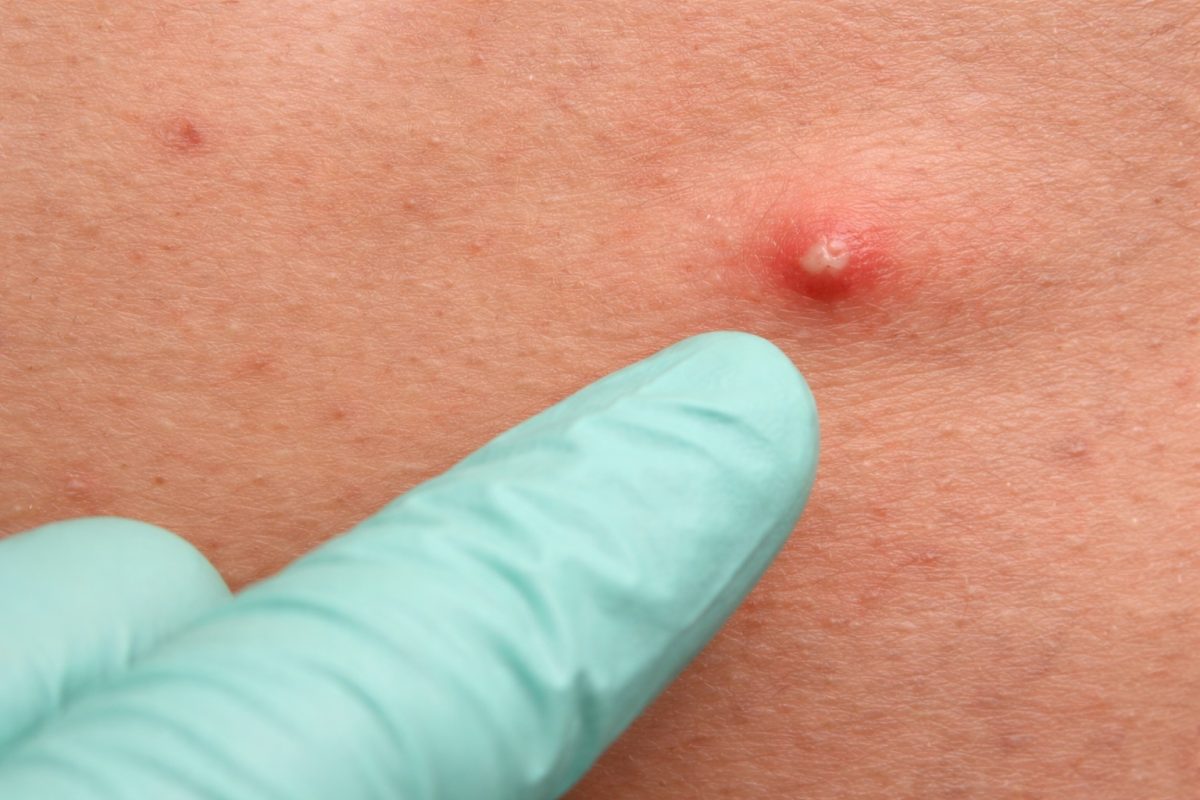
Folliculitis is a common but manageable skin condition. With proper care, hygiene, and treatment, it can be effectively controlled and prevented. Understanding the causes and taking early action can help reduce discomfort and improve overall skin health.
If you are experiencing persistent or worsening symptoms, it is important to seek professional advice. At Dr Chong Clinic, experienced doctors provide personalised treatment plans to address skin conditions and restore healthy skin. Book a consultation today for expert diagnosis and effective treatment solutions.
Frequently Asked Questions (FAQs)
1. Is folliculitis the same as acne?
No, folliculitis affects hair follicles, while acne is caused by clogged pores and excess oil.
2. Can folliculitis go away on its own?
Mild cases may resolve on their own, but proper care helps speed up recovery and prevent recurrence.
3. Is folliculitis contagious?
Some forms caused by bacteria or fungi can spread through contact, so hygiene is important.
4. How can I prevent folliculitis after shaving?
Use clean razors, shave gently, and avoid tight clothing to reduce irritation and ingrown hairs.
*All images used in this article are AI-generated.