Blog
Heat Rash (Miliaria): Causes, Symptoms, and Effective Treatments

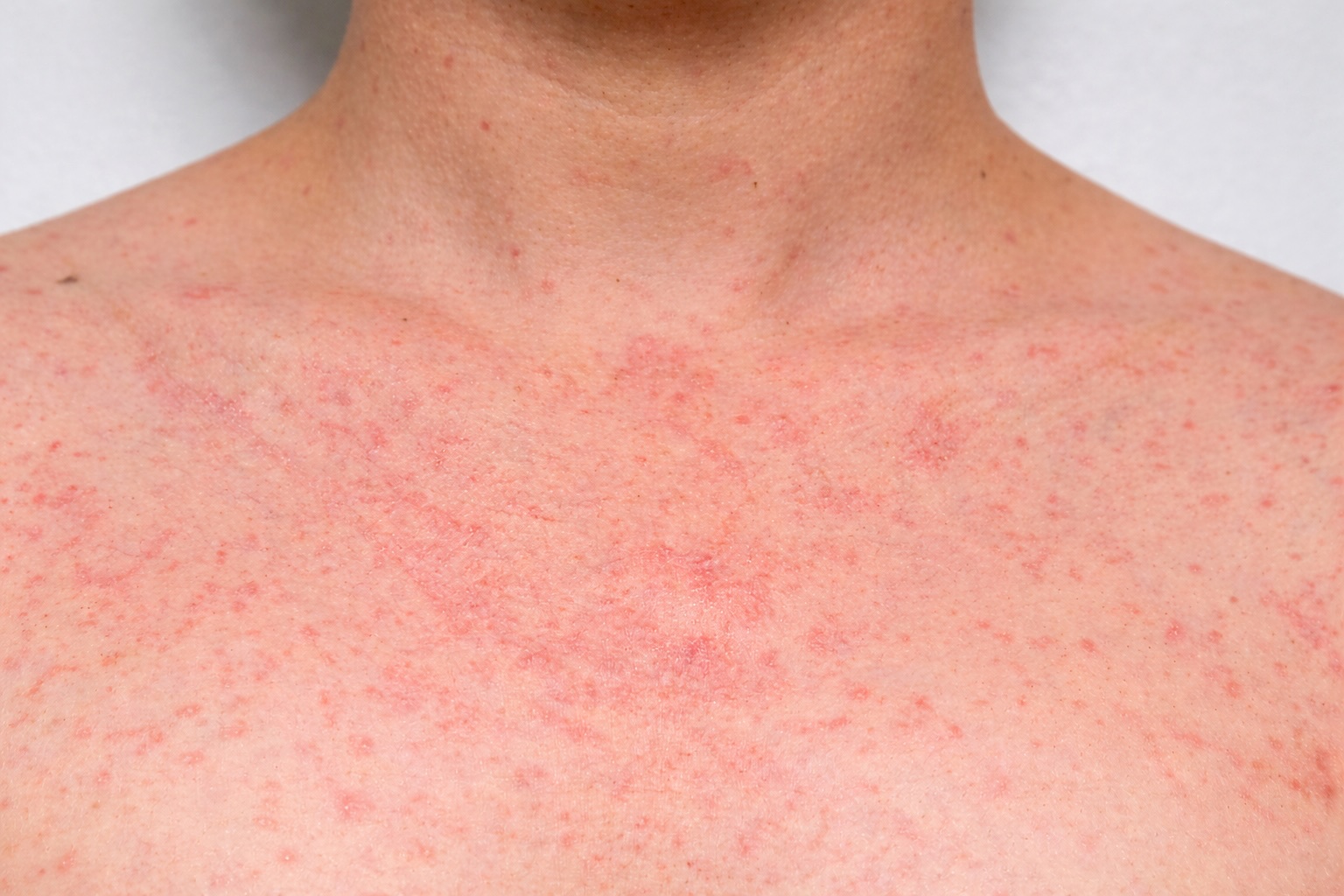
Heat rash, also known as miliaria, is a common skin condition in hot and humid climates like Malaysia. It occurs when sweat becomes trapped under the skin, leading to small bumps, redness, and irritation.
Although heat rash is usually harmless, it can be uncomfortable and may interfere with daily activities, especially during prolonged exposure to heat. Understanding the causes and treatment options can help you manage and prevent this condition effectively.
What Is Heat Rash (Miliaria)
Heat rash develops when sweat ducts become blocked, preventing sweat from reaching the surface of the skin. This causes sweat to leak into surrounding skin tissue, resulting in inflammation and visible rashes.
It commonly appears in areas where sweat accumulates, such as the neck, chest, back, underarms, and skin folds. In some cases, it may resemble other skin concerns like breakouts or mild irritation, making proper identification important.
Types of Heat Rash
There are different types of heat rash, depending on how deeply the sweat ducts are blocked.
1. Miliaria Crystallina
This is the mildest form, presenting as small, clear blisters on the surface of the skin. It is usually not itchy or painful.
2. Miliaria Rubra
Also known as prickly heat, this is the most common type. It causes red bumps, itching, and a prickling sensation on the skin.
3. Miliaria Profunda
This is a less common but more severe form that occurs deeper in the skin. It may cause larger, flesh-coloured bumps and discomfort.
What Causes Heat Rash
Heat rash is primarily caused by blocked sweat glands, but several factors can contribute to its development.
1. Hot and Humid Weather
Malaysia’s tropical climate creates the perfect environment for excessive sweating, increasing the risk of sweat duct blockage.
2. Excessive Sweating
Activities that cause heavy sweating, such as exercise or prolonged outdoor exposure, can lead to heat rash.
3. Tight Clothing
Wearing tight or non-breathable fabrics can trap sweat against the skin, increasing irritation and blockage.
4. Skin Irritation and Sensitivity
Individuals with sensitive skin or conditions like rosacea or allergic eczema may be more prone to developing heat rash.
Common Symptoms of Heat Rash
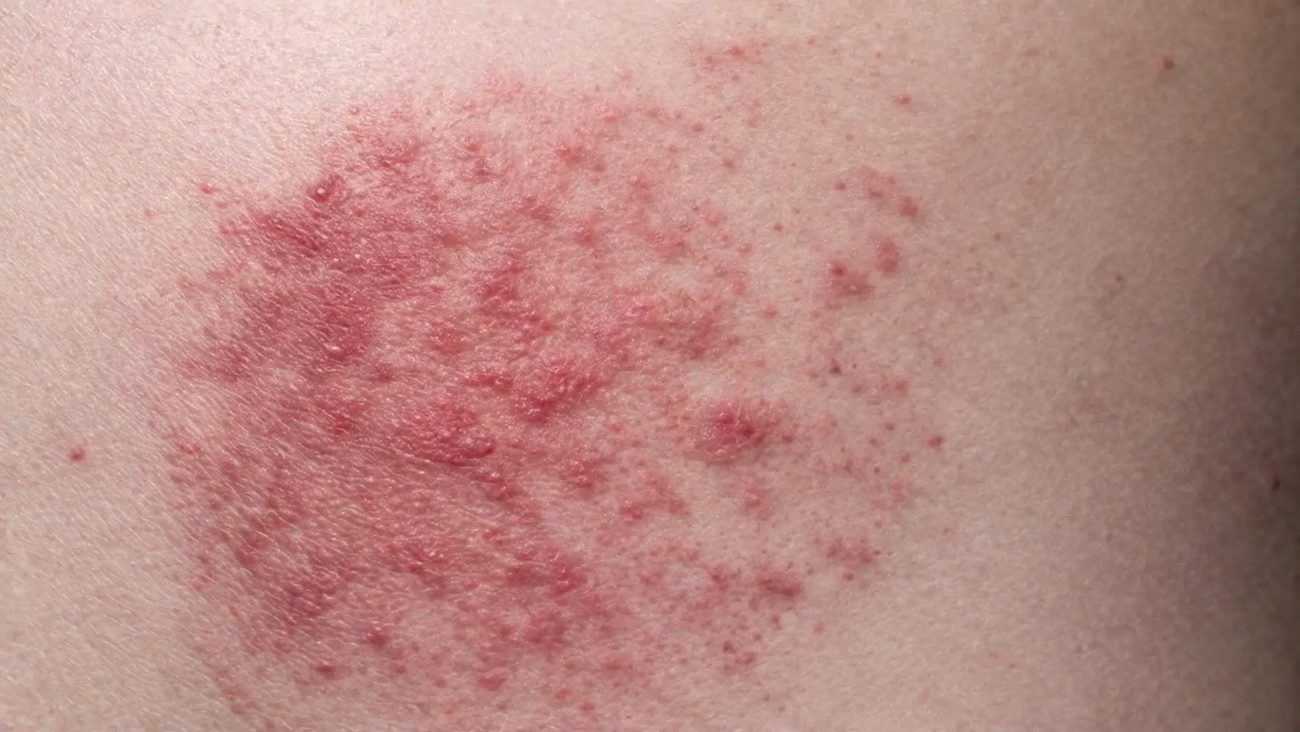
Heat rash can present with a range of symptoms depending on its severity.
- Small red or clear bumps on the skin
- Itching or prickling sensation
- Mild swelling or redness
- Skin irritation in sweaty areas
In some cases, heat rash may be confused with other skin issues such as clogged pores or textured skin, especially if the rash persists.
How to Treat Heat Rash
Heat rash often resolves on its own, but proper care can speed up recovery and reduce discomfort.
1. Keep the Skin Cool and Dry
The most effective way to treat heat rash is to reduce sweating and keep the affected area cool.
- Stay in air-conditioned environments
- Use fans to improve airflow
- Avoid excessive heat exposure
This helps prevent further blockage of sweat glands.
2. Wear Loose and Breathable Clothing
Choose lightweight fabrics such as cotton to allow the skin to breathe. This reduces friction and helps sweat evaporate more easily.
3. Gentle Skincare Routine
Avoid heavy or pore-clogging products that may worsen the condition. Using tools like a pore clogging checker can help you select suitable products. Stick to gentle cleansers and avoid harsh exfoliation while the skin is irritated.
4. Avoid Further Irritation
Try not to scratch the affected area, as this can worsen inflammation and lead to secondary skin issues. It is also important to differentiate between skin purging and irritation-relatedbreakouts, as improper treatment can delay healing.
5. Medical Treatments
In more severe cases, a doctor may recommend medicated creams or treatments to reduce inflammation and prevent infection. Professional evaluation ensures that the condition is correctly diagnosed and treated.
How to Prevent Heat Rash
Prevention is key, especially in a hot climate like Malaysia. Practical prevention tips include:
- Shower regularly to remove sweat and impurities
- Avoid tight clothing that traps heat
- Stay hydrated to regulate body temperature
- Take breaks in cool environments during outdoor activities
Maintaining good hygiene and proper skincare can significantly reduce the risk of recurrence.
When Should You See a Doctor
While heat rash is usually mild, you should seek medical advice if:
- The rash does not improve after a few days
- There is severe itching or pain
- Signs of infection, such as pus or swelling, appear
A professional diagnosis helps rule out other conditions, such as fungal infections or eczema.
Can Heat Rash Leave Permanent Marks
Heat rash typically does not cause permanent damage. However, excessive scratching or improper care may lead to temporary pigmentation or irritation. With proper treatment and care, the skin usually returns to normal without lasting effects.

Manage Heat Rash Effectively in Malaysia
Heat rash is a common condition in Malaysia’s warm and humid climate, but it can be managed effectively with the right care. By keeping the skin cool, avoiding irritation, and maintaining proper hygiene, you can reduce discomfort and prevent future outbreaks.
Early intervention and consistent care are essential to ensure a quick recovery and maintain healthy skin. If your symptoms persist or worsen, it is important to seek professional advice for proper diagnosis and treatment.
At Dr Chong Clinic, experienced doctors provide personalised care to address skin concerns and help restore healthy skin. Book a consultation today for expert advice and effective treatment solutions.
Frequently Asked Questions (FAQs)
1. What is heat rash
Heat rash is a skin condition caused by blocked sweat glands, leading to small bumps, redness, and irritation.
2. How long does heat rash last
Mild heat rash usually resolves within a few days if the skin is kept cool and dry.
3. Is heat rash contagious
No, heat rash is not contagious and cannot spread from person to person.
4. Can heat rash be prevented
Yes, by keeping the skin cool, wearing breathable clothing, and avoiding excessive sweating, you can reduce the risk of heat rash.
*All images used in this article are AI-generated.