Blog
Genital Fungal Infection: Types, Symptoms, Diagnosis, and Treatment

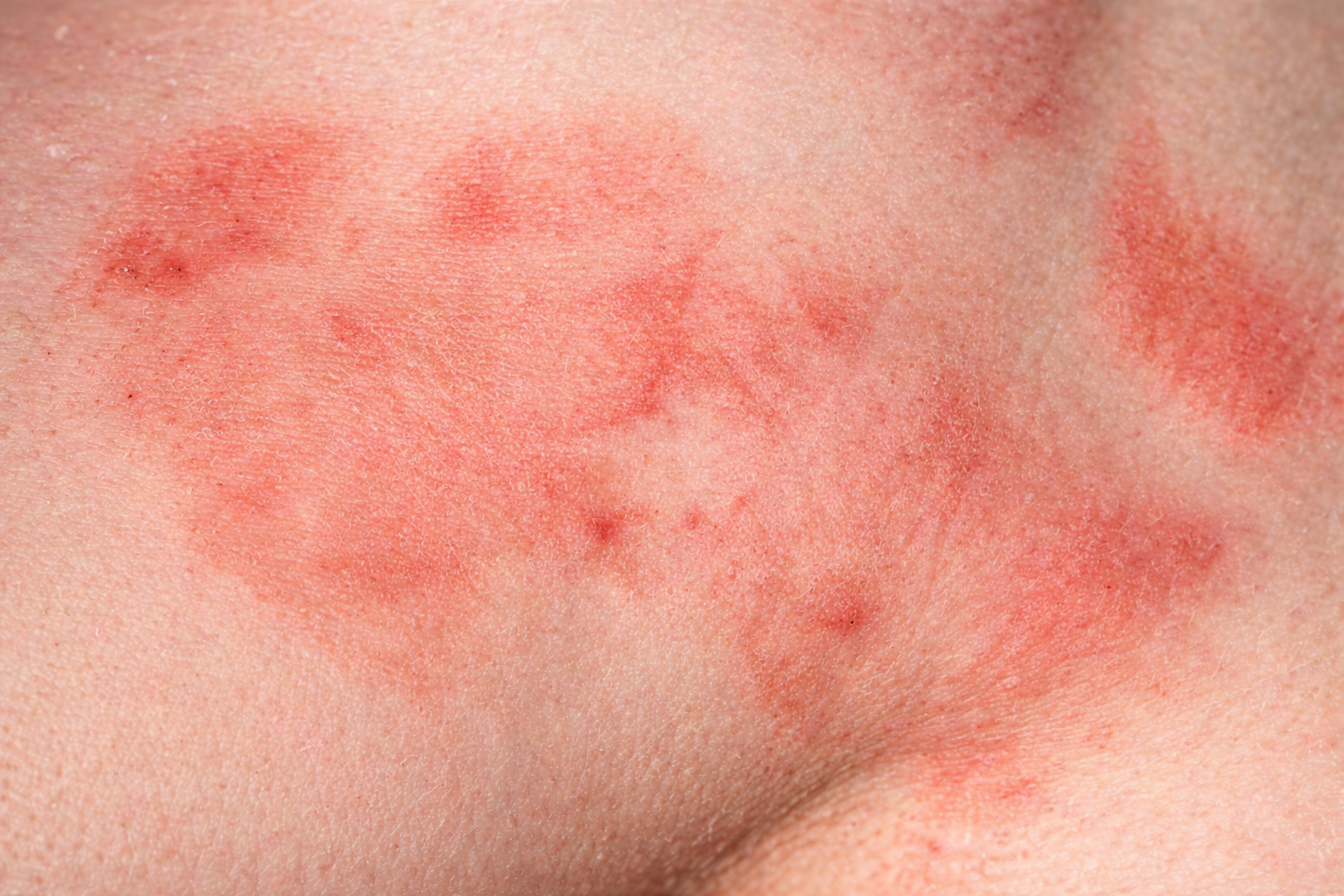
Genital fungal infections are common conditions that affect the skin and mucous membranes of the genital area. They occur when fungi that normally live on the body multiply excessively, leading to irritation, inflammation, and discomfort. While yeast infection is the most well-known type, it is only one of several forms of genital fungal infection.
Because symptoms of genital fungal infection can resemble early signs of sexually transmitted diseases or infections, proper diagnosis is essential to ensure correct treatment and to rule out other conditions. Learning to recognise symptoms and tell possible causes apart makes it easier to understand what’s happening and seek appropriate care.
What Is a Genital Fungal Infection?
A genital fungal infection occurs when fungi overgrow in the genital region, often thriving in warm, moist environments. These infections primarily affect the skin surface rather than the bloodstream and are not classified as STDs or STIs, although they may coexist with or mimic sexually transmitted infections. Genital fungal infections can affect:
- The vulva and vagina
- The penis and foreskin
- The groin and inner thighs
- Skin folds around the genital area
While sexual activity may trigger symptoms through friction or moisture, fungal infections themselves are not transmitted in the same way as sexually transmitted diseases, and they often develop due to imbalances in the body’s natural environment rather than direct sexual contact.
Different Types of Genital Fungal Infections
Genital fungal infections are caused by different fungi, each with slightly different characteristics, symptoms, and triggers, which can affect how the condition appears, spreads, and responds to treatment.
Yeast Infection (Candidiasis)
Yeast infection, also known as candidiasis, is the most common type of genital fungal infection and is caused by Candida species, particularly Candida albicans. Symptoms may include intense genital itching, redness and swelling, a thick white discharge in vaginal infections, burning or irritation, and discomfort during urination or intercourse.
Many people wonder whether men can get yeast infections, and the answer is yes. In men, the infection commonly affects the foreskin, head of the penis, or groin area, and is more likely to occur in individuals with diabetes, weakened immune systems, or poor ventilation in the genital region.
Tinea Cruris (Jock Itch)
Tinea cruris is a fungal skin infection caused by dermatophytes, the same group of fungi responsible for athlete’s foot. It commonly affects the groin and upper thighs and may spread toward the genital region. The warm, moist environment in these areas makes the infection more likely to develop and persist, especially with sweating or tight clothing.
Symptoms often include a red, scaly rash with clearly defined edges, itching or a burning sensation, and skin cracking or flaking. Unlike yeast infections, tinea cruris usually does not involve the penis or scrotum, but it can still cause significant discomfort in the surrounding areas.
Intertrigo with Fungal Overgrowth
Intertrigo with fungal overgrowth occurs when skin folds rub together, creating moisture and irritation that allows fungi to thrive. This type of genital fungal infection is more common in individuals who sweat heavily, are overweight, or frequently wear tight clothing. Poor airflow and prolonged dampness in these areas further increase the risk of fungal growth.
Symptoms may include raw, inflamed skin, persistent itching, red or darkened patches, and secondary yeast overgrowth that can worsen discomfort if left untreated. Without proper care, the affected skin may become painful, develop an unpleasant odour, or be more prone to recurrent infections, making early management and good hygiene especially important.
Why Genital Fungal Infections Are Often Confused With STDs
Many genital fungal infections resemble STDs or STIs, leading to confusion and delayed treatment. Symptoms such as genital discharge, pain during urination, redness, or swelling can overlap with infections like chlamydia, gonorrhea, genital herpes, or syphilis. Other conditions that may cause similar symptoms include:
- Genital ulcers are seen in chancroid or syphilis
- Genital warts caused by HPV
- Scabies or crabs (pubic lice), which cause intense itching
- Bacterial infections or untreated STDs
Understanding the difference between sexually transmitted diseases and infections can help clarify that fungal infections are neither, but testing may still be required to exclude sexually transmitted causes.
Risk Factors for Genital Fungal Infections
Several factors increase the likelihood of developing a genital fungal infection. Excess moisture and sweating in the groin area create an ideal environment for fungal growth, especially when combined with tight or non-breathable clothing. Recent antibiotic use can disrupt the natural balance of microorganisms on the skin, allowing fungi to multiply.
Medical conditions such as diabetes, pregnancy, or a weakened immune system further increase susceptibility. Poor genital hygiene and prolonged friction during sexual activity may also contribute. Having one condition does not mean another is present, but individuals with immune suppression or chronic illness may experience more severe infections.

How Genital Fungal Infections Are Diagnosed
Accurate diagnosis is important because genital fungal infections can present with symptoms similar to STDs or STIs. Diagnosis usually begins with a medical consultation and physical examination to assess symptoms, risk factors, and medical history. Depending on the presentation, a healthcare provider may recommend:
- Skin or genital swabs to identify fungal species, helping confirm fungal overgrowth such as yeast infection.
- Microscopic examination to detect fungal cells and distinguish them from bacterial or skin conditions.
- Urine tests to rule out urinary infections, especially when pain during urination is present.
- STD/STI screening when symptoms overlap with early signs of an STD or STI, such as genital discharge, ulcers, or swelling.
Testing helps avoid unnecessary antibiotics, ensures appropriate antifungal treatment, and confirms that no underlying STD or STI is contributing to symptoms.
Treatment Options for Genital Fungal Infections
Treatment depends on the type and severity of the fungal infection, as well as individual factors such as overall health and recurrence risk. Effective management usually involves a combination of antifungal treatment and lifestyle adjustments to relieve symptoms, clear the infection, and reduce the chance of it returning.
Antifungal medications
Most cases are managed with topical antifungal creams, ointments, or suppositories, which are applied directly to the affected area to relieve symptoms and eliminate the infection. Oral antifungal medication may be prescribed for severe, widespread, or recurrent infections, particularly when topical treatment alone is not effective.
Addressing underlying factors
Managing contributing conditions such as diabetes is important to prevent recurrence. Improving daily hygiene, reducing moisture and friction, and wearing loose, breathable clothing can help create an environment that discourages fungal growth.
Lifestyle and skin care adjustments
Keeping the affected area clean and dry, changing out of damp clothing promptly, and avoiding irritants such as scented soaps can support healing and reduce irritation during treatment. Maintaining good airflow to the area and following treatment instructions consistently can also help speed recovery and prevent further discomfort.
Follow-up and prevention
Completing the full course of treatment and monitoring for recurring symptoms helps prevent reinfection. In some cases, a healthcare provider may recommend preventive antifungal use for individuals with frequent flare-ups.
Fungal infections do not respond to antibiotics, which are reserved for bacterial STDs such as gonorrhea or chlamydia.
When to Seek Medical Advice
Medical evaluation is recommended if symptoms persist or recur, if there is genital swelling, discharge, or ulcers, or if pain worsens or spreads. It is also important to seek medical advice when symptoms appear after sexual contact or if you are concerned. Early assessment helps prevent complications and ensures an accurate diagnosis.
Prevention and Long-Term Care
Preventive measures play an important role in reducing the risk of recurrence and maintaining long-term genital health, especially for individuals who are prone to fungal infections. Simple daily habits and early attention to changes in the body can help minimise moisture, irritation, and conditions that allow fungi to thrive. Preventive measures include:
- Keeping the genital area clean and dry
- Changing out of sweaty clothing promptly
- Avoiding harsh soaps or douching
- Using breathable underwear
- Addressing underlying medical conditions early
Genital fungal infections are real, common, and treatable medical conditions when identified early and managed appropriately.

Getting the Right Care for Genital Fungal Infections
Genital fungal infections are common, manageable, and often misunderstood. While a yeast infection is the most recognised form, other fungal conditions, such as tinea cruris and intertrigo, can also affect the genital area. Because symptoms can closely resemble STDs or STIs, an accurate medical diagnosis is essential to avoid confusion and unnecessary worry.
Early evaluation allows prompt treatment, relieves discomfort, and reduces the risk of recurrence while preventing anxiety caused by misinformation or STD myths. Dr Chong Clinic provides private, professional screening and treatment for genital fungal infections, STDs, and STIs in a confidential and supportive setting.
If you are unsure whether your symptoms are related to a fungal infection or an STD or STI, booking an appointment with Dr Chong Clinic offers clear answers, appropriate care, and peace of mind.
Frequently Asked Questions (FAQs)
1. Is a genital fungal infection the same as a yeast infection?
Yeast infection is one of the most common types of genital fungal infection. Still, other fungal conditions, such as tinea cruris (jock itch) and intertrigo, can also affect the genital region.
2. Are genital fungal infections considered STDs or STIs?
No. Genital fungal infections are not classified as STDs or STIs. However, their symptoms can closely resemble early signs of an STD or STI, which is why medical evaluation is important.
3. How can I tell if my symptoms are fungal or an STD?
It is not always possible to tell based on symptoms alone. Conditions such as chlamydia, gonorrhoea, genital herpes, or other STDs can cause similar symptoms. Testing is the only reliable way to confirm the cause.
4. Can fungal infections be passed to sexual partners?
Genital fungal infections are not typically sexually transmitted, but close skin contact may occasionally contribute to symptom development, particularly if a partner is prone to fungal overgrowth.
*All images used in this article are AI-generated.