Blog
Signs You May Have Syphilis and When to Get Tested


Syphilis is a sexually transmitted infection (STI) that can progress silently and cause serious health complications if left untreated. Although it is entirely treatable in its early stages, many people delay testing because symptoms may be mild, painless, or mistaken for other conditions. This makes syphilis one of the most commonly missed STDs worldwide.
Recognising the early signs of an STD or STI is crucial for timely diagnosis, effective treatment, and preventing long-term damage. Understanding how syphilis presents, how it differs from other infections, and when to get tested helps protect both individual and public health.
What Is Syphilis?
Syphilis is caused by the bacterium Treponema pallidum and is transmitted through direct contact with infectious sores during vaginal, anal, or oral sex. It can also be passed from mother to child during pregnancy, leading to congenital syphilis. Early stages may be mild or unnoticed, which is why regular testing is important for timely detection.
Unlike viral infections such as HIV, HPV, or genital herpes, syphilis is a bacterial infection. However, if untreated, it can remain in the body for years, causing progressive damage to multiple organ systems. Prompt antibiotic treatment can fully cure the infection when diagnosed early, preventing long-term complications.
Why Syphilis Is Often Missed
Syphilis is often referred to as “the great imitator” because its signs and symptoms can closely resemble a wide range of other medical conditions, making it difficult to recognise without proper testing. Many people initially mistake syphilis for common or less serious issues, including:
- Yeast infection
- Chlamydia or gonorrhea
- Genital herpes
- Chancroid
- Skin rashes, allergies, or fungal infections
- Other causes of genital itching or genital discharge
Because symptoms may appear briefly and then disappear without treatment, many individuals believe the infection has resolved on its own. In reality, syphilis continues to progress silently within the body, increasing the risk of serious complications and ongoing transmission if it remains undiagnosed.

Signs You May Have Syphilis at Different Stages
Syphilis causes different symptoms depending on how long the infection has been present. Some signs are subtle, painless, or temporary, which is why many cases go undetected. Understanding the stage-specific signs helps you recognise when testing is necessary, even if symptoms seem mild.
Primary Stage: Painless Sores You Might Ignore
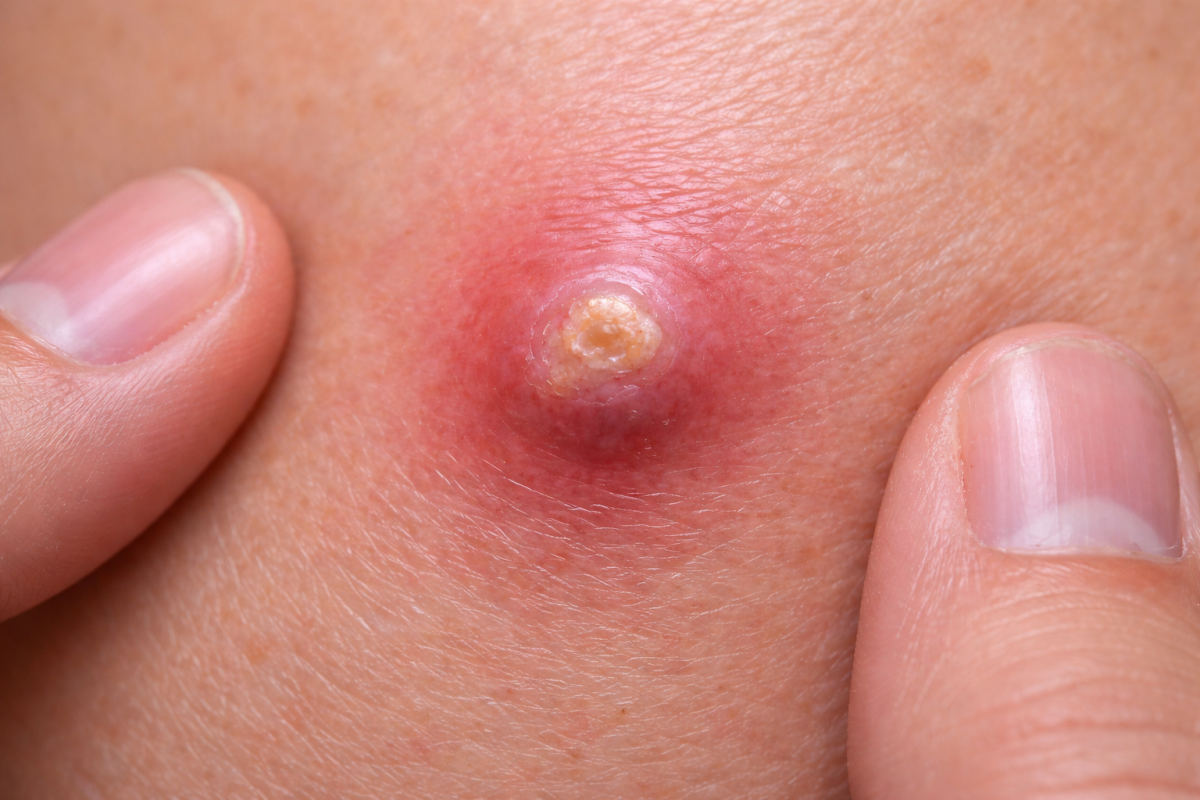
One of the earliest signs you may have syphilis is the appearance of a painless genital ulcer, known as a chancre. This sore typically develops at the site where the bacteria entered the body and may appear on the penis, vagina, vulva, cervix, anus, or mouth.
Because the ulcer does not usually hurt and may heal on its own within a few weeks, many people mistake it for a minor skin issue, ingrown hair, or irritation. Healing does not mean the infection is gone. At this stage, syphilis is highly contagious, even if the sore is small or unnoticed.
Secondary Stage: Rashes and General Symptoms
If untreated, syphilis progresses to the secondary stage, where symptoms become more widespread. A common sign at this stage is a non-itchy skin rash, often affecting the palms of the hands or soles of the feet, though it can appear elsewhere on the body.
Other signs you may notice include fever, fatigue, headaches, muscle aches, swollen lymph nodes, or sore throat. Some people develop moist, wart-like lesions around the genitals or mouth, which can be mistaken for genital warts or other STDs. These symptoms may come and go, leading many to delay testing.
Latent Stage: No Symptoms but Ongoing Infection
During the latent stage, syphilis may cause no visible symptoms at all. This stage can last for months or even years, which is why syphilis is often discovered during routine STD or STI screening rather than due to symptoms.
Even without signs, the infection remains in the body and can still progress. This stage highlights why relying on symptoms alone is not a reliable way to determine if you have an STD. Regular screening and medical testing are essential for early detection and effective treatment.
Late Stage: Serious and Long-Term Health Effects
In some cases, untreated syphilis advances to a late stage, causing severe complications. Signs at this stage may include neurological symptoms, vision or hearing problems, memory changes, or heart and organ damage.
These symptoms can appear many years after the initial infection and may be irreversible. Early stages often pass unnoticed, which is why late-stage syphilis is still seen despite the infection being treatable when detected early.
Syphilis Compared to Other STDs
Understanding STD vs STI distinctions helps clarify how syphilis progresses and why it is often overlooked. Syphilis is frequently confused with other STDs because its symptoms overlap with many conditions, including:
- Genital herpes, which typically causes painful blisters or sores rather than painless ulcers
- Chancroid infection, which causes deep, painful genital ulcers and tender groin swelling
- Chlamydia or gonorrhea, which more commonly cause pain during urination or genital discharge rather than skin ulcers
- Scabies or crabs (pubic lice), which cause intense genital itching without ulcers
Unlike many STDs, syphilis sores are often painless and may heal on their own, creating a false sense of recovery while the infection continues internally. Because symptoms can be subtle, temporary, or mistaken for other infections, only proper medical testing can confirm the diagnosis and determine the appropriate treatment.
Syphilis and HIV Risk
Open syphilitic sores significantly increase the risk of acquiring or transmitting HIV by providing direct entry points for the virus. Inflammation and breaks in the skin also make transmission more efficient during sexual contact.
For this reason, individuals diagnosed with syphilis are strongly advised to undergo comprehensive STD and STI screening to check for co-infections such as Hepatitis B, HIV, gonorrhea, and other sexually transmitted infections. Identifying and managing co-infections early helps reduce complications, improve treatment outcomes, and limit transmission.
When Should You Get Tested?
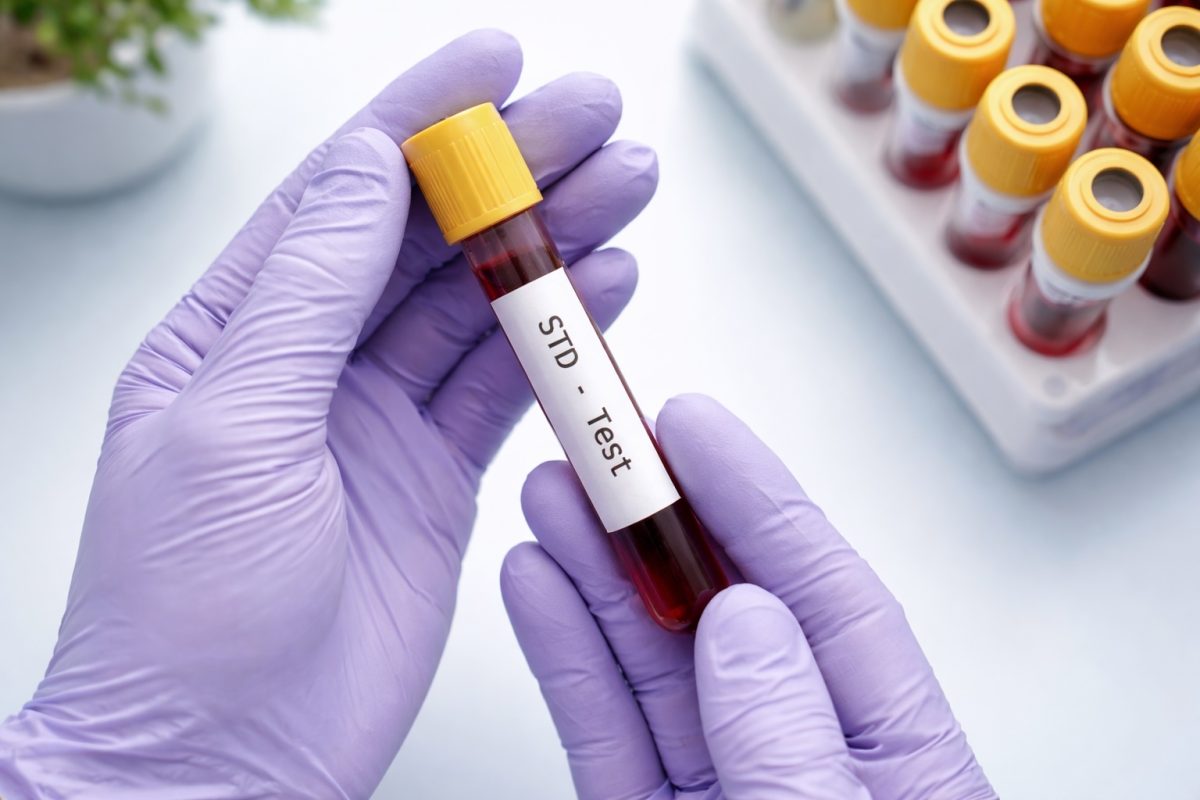
Knowing when to get tested is an important step in protecting your sexual health, especially since syphilis can be present without obvious symptoms in its early stages. Testing helps ensure early diagnosis, timely treatment, and reduces the risk of long-term complications or transmission to others. You should consider syphilis testing if you experience:
- Genital ulcers or unexplained sores
- Skin rashes on the palms or soles
- Genital discharge or swelling
- Pain during urination
- A partner diagnosed with an STD or STI
- Unprotected sex or multiple partners
Routine screening is recommended even without symptoms, as syphilis may remain silent for long periods. Regular testing provides reassurance, supports early intervention, and plays a key role in preventing the spread of infection.

Pay Attention to the Signs and Take Action
Syphilis is a serious condition, but it is highly treatable when identified early. Paying attention to changes in your body, even mild or painless ones, is crucial, as symptoms can be subtle, temporary, or easy to overlook. Ignoring early signs or relying on assumptions or online myths can delay proper care and allow the infection to progress unnoticed.
Taking action through timely testing is the most reliable way to protect your health and prevent further transmission. Early diagnosis enables effective treatment, reduces the risk of long-term complications, and provides clarity when symptoms are uncertain.
Dr Chong Clinic offers discreet, professional screening and treatment for syphilis and other STDs and STIs in a confidential and supportive environment. If you have concerns about symptoms or possible exposure, booking an appointment with Dr Chong Clinic ensures accurate diagnosis, appropriate care, and peace of mind.
Frequently Asked Questions (FAQs)
1. What are the earliest signs you may have syphilis?
The earliest sign is often a painless sore (chancre) at the site of infection, commonly on the genitals, anus, or mouth. Because it does not hurt and may heal on its own, it is frequently missed.
2. Can syphilis symptoms go away without treatment?
Yes, symptoms can disappear on their own, but this does not mean the infection is cured. Syphilis continues to progress internally and can cause serious complications if left untreated.
3. Is syphilis an STD or an STI?
Syphilis starts as a sexually transmitted infection (STI) and becomes a sexually transmitted disease (STD) once symptoms or complications develop. This distinction explains why early infection may go unnoticed.
4. Can syphilis be confused with yeast infections or fungal conditions?
Yes. Early syphilis symptoms may resemble yeast infection, fungal rashes, or other causes of genital itching or irritation, which is why testing is essential for accurate diagnosis.
*All images used in this article are AI-generated.