Blog
How Effective Are Chemical Peels Compared to Skincare?

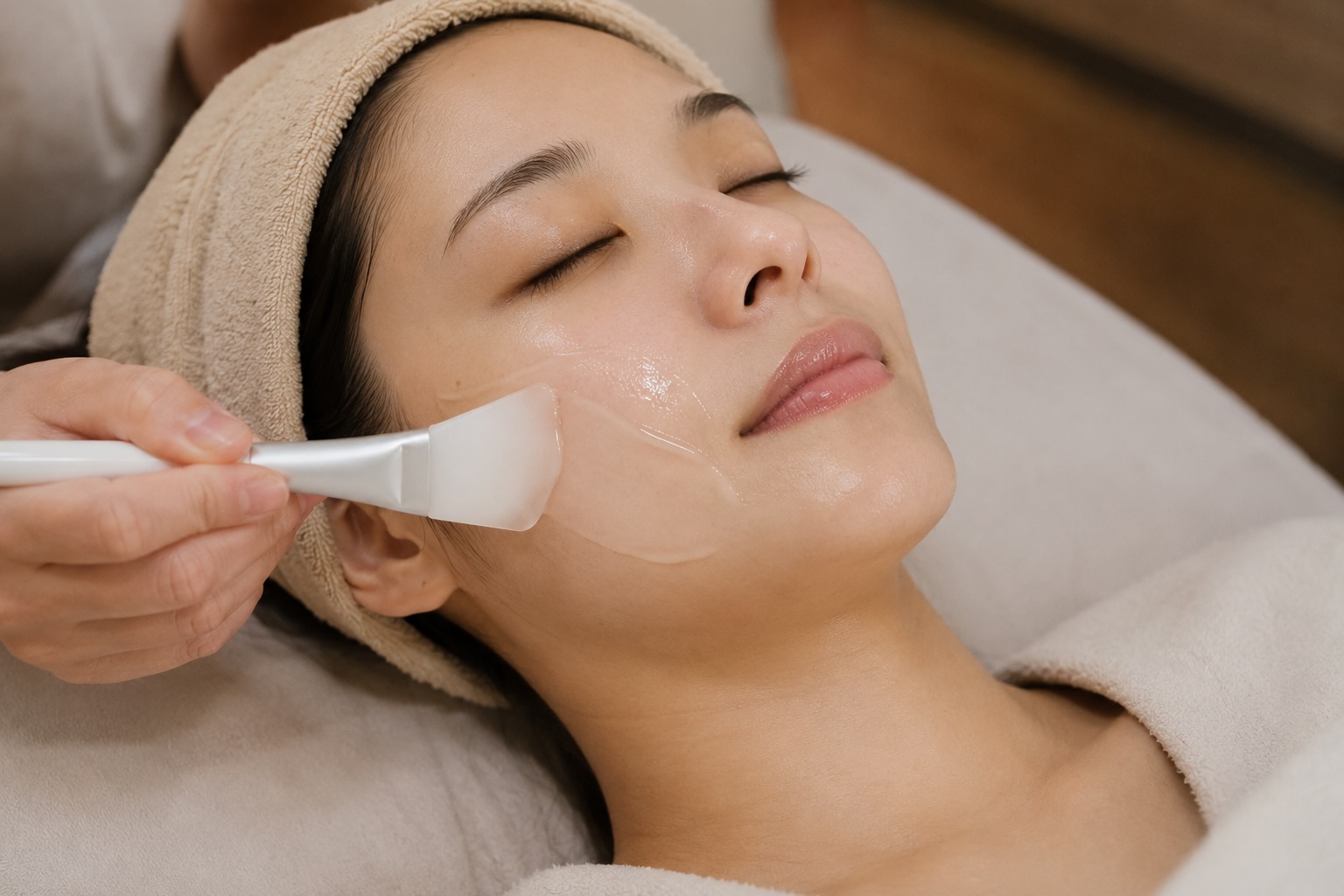
Chemical peels are generally more effective than skincare for improving concerns such as dullness, uneven texture, mild pigmentation, clogged pores, and certain acne marks because they work deeper and faster than daily products.
However, skincare remains important for maintaining results, protecting the skin barrier, and preventing recurring concerns. The best approach depends on your skin condition, goals, and sensitivity level. For many people, chemical peels and skincare work best together rather than as separate options.
What Is a Chemical Peel?
A chemical peel treatment uses controlled exfoliating ingredients to remove damaged surface skin cells and encourage renewal. Depending on the peel type and strength, it may target uneven tone, rough texture, acne congestion, and superficial pigmentation.
Unlike regular exfoliating skincare, a professional peel is performed in a controlled setting and can be adjusted based on skin type, tolerance, and treatment goals.
How Does Skincare Work?
Skincare works gradually through daily use. Products such as cleansers, moisturisers, sunscreen, retinoids, exfoliating acids, and brightening ingredients help support skin health and manage concerns over time.
A good routine can improve hydration, reduce congestion, support barrier repair, and prevent worsening pigmentation. However, skincare usually works more slowly than professional treatments and may be limited when concerns are deeper or more stubborn.
Chemical Peels vs Skincare: What Is the Difference?
The main difference is intensity and depth. Skincare is designed for regular home use, while chemical peels provide a stronger, more targeted exfoliating effect. Skincare is useful for daily maintenance, while chemical peels can accelerate improvement when the skin needs more visible resurfacing.
For example, someone with mild dullness may improve with skincare alone, while someone with persistent roughness, uneven tone, or post-acne marks may benefit from professional treatment.
When Are Chemical Peels More Effective?
Chemical peels may be more effective when the concern involves buildup, uneven surface texture, mild pigmentation, or acne-related congestion. They can help remove dead skin cells more efficiently, allowing the skin to appear smoother and brighter.
For individuals comparing chemical peel and laser treatments for pigmentation, the best choice depends on the type and depth of pigmentation. Peels may help superficial pigmentation, while deeper pigmentation may require laser-based treatment or a combination plan.Chemical peels may also support people with textured skin or mild clogged pores when performed correctly. By promoting faster skin cell turnover, they may help improve smoother-looking skin and reduce surface roughness over time.
When Is Skincare Enough?
Skincare may be enough for mild dryness, early dullness, basic acne prevention, and skin barrier maintenance. A consistent routine with cleanser, moisturiser, sunscreen, and suitable active ingredients can make a visible difference over time.
For people with dry skin, dry patches or sensitivity, jumping straight into stronger treatments may not be ideal. The skin barrier should be stable before considering professional exfoliation. Those learning how to treat sensitive skin should prioritise gentle products first, especially if the skin reacts easily to acids or active ingredients.
Can Chemical Peels Help Acne and Acne Marks?
Yes, chemical peels can help certain acne-related concerns, especially congestion, uneven texture, and superficial post-acne marks. They may reduce buildup inside pores and support smoother skin renewal.
However, peels are not suitable for every acne type. Active inflamed acne, cystic acne, or nodular acne may require medical acne treatment first. For people with acne marks or scars, options such as microneedling or other resurfacing treatments may be more suitable depending on scar depth.
If you are comparing home remedies or professional acne treatment, a professional assessment is often safer when acne is persistent, painful, or leaving marks.
Can Chemical Peels Improve Pigmentation?
Chemical peels may help improve superficial pigmentation, uneven tone, and dullness. They work by encouraging the shedding of pigmented surface cells and supporting skin renewal.
However, pigmentation is not always simple. Concerns such as melasma treatment may require careful management because aggressive exfoliation can sometimes worsen pigmentation, especially if the skin becomes irritated. For deeper pigmentation, pico laser may be considered depending on skin suitability.
Are Chemical Peels Safe for All Skin Types?
Chemical peels can be safe when selected and performed correctly, but not every peel suits every person. Skin tone, sensitivity, active acne, eczema tendency, and pigmentation risk all matter. For darker skin tones, treatment selection should be cautious because irritation may increase the risk of post-inflammatory hyperpigmentation.
Similar caution applies when considering whether laser treatment is safe for dark skin, as both peels and lasers require proper assessment for safety. A professional consultation helps determine peel strength, downtime, and aftercare.
Why Aftercare Matters
Aftercare can affect how well a chemical peel works. The skin may be more sensitive after treatment, so sunscreen, moisturiser, and gentle cleansing are important. Skipping sunscreen may increase the risk of pigmentation, while using strong actives too soon may irritate.
Good aftercare helps protect the skin barrier and maintain results. This is also why skincare is not replaced by chemical peels. Instead, skincare supports healing and extends the benefits of treatment.
Chemical Peels and Skincare Work Best Together
Chemical peels can deliver faster and more visible improvement, while skincare supports long-term skin health. For many people, the most effective plan combines professional treatments with a suitable home routine.
A peel may help reset dull or congested skin, but daily skincare helps maintain hydration, control oil, reduce irritation, and protect against UV damage. Without proper skincare, results may fade faster, or skin concerns may return.
Choosing the Right Option for Your Skin
Chemical peels may be more effective than skincare for specific concerns such as dullness, rough texture, clogged pores, mild acne marks, and superficial pigmentation. Skincare is better for daily maintenance, prevention, hydration, and barrier support.
At Dr Chong Clinic, treatment recommendations are tailored according to skin condition, sensitivity, pigmentation risk, and goals. The clinic offers professional chemical peel treatments to address concerns such as acne, uneven texture, pigmentation, dullness, and enlarged pores using formulations suited to different skin types.
If you are unsure whether your skin would benefit more from a chemical peel, skincare adjustments, or other treatments, consider booking a consultation or appointment at Dr Chong Clinic. A personalised assessment can help identify suitable options based on your skin concerns, sensitivity, and treatment goals.
Frequently Asked Questions (FAQs)
1. Are chemical peels better than skincare?
Chemical peels can be more effective than skincare for faster improvement in dullness, uneven texture, clogged pores, and mild pigmentation. Skincare is still important for daily maintenance and long-term skin health.
2. Can skincare replace chemical peels?
Skincare may be enough for mild concerns, but it may not replace chemical peels for stubborn texture, congestion, or pigmentation. Professional treatments usually work deeper and faster than home products.
3. How often should you get a chemical peel?
The frequency depends on the peel type, skin condition, and treatment goal. Some people may benefit from a series of peels, while others only need occasional maintenance.
4. Do chemical peels damage the skin?
Chemical peels should not damage the skin when performed correctly and matched to your skin type. Problems usually occur when peels are too strong, done too often, or followed by poor aftercare.
*All images used in this article are AI-generated.