Blog
Red Bumps on Private Parts: Causes, Symptoms, and When to Seek Medical Advice

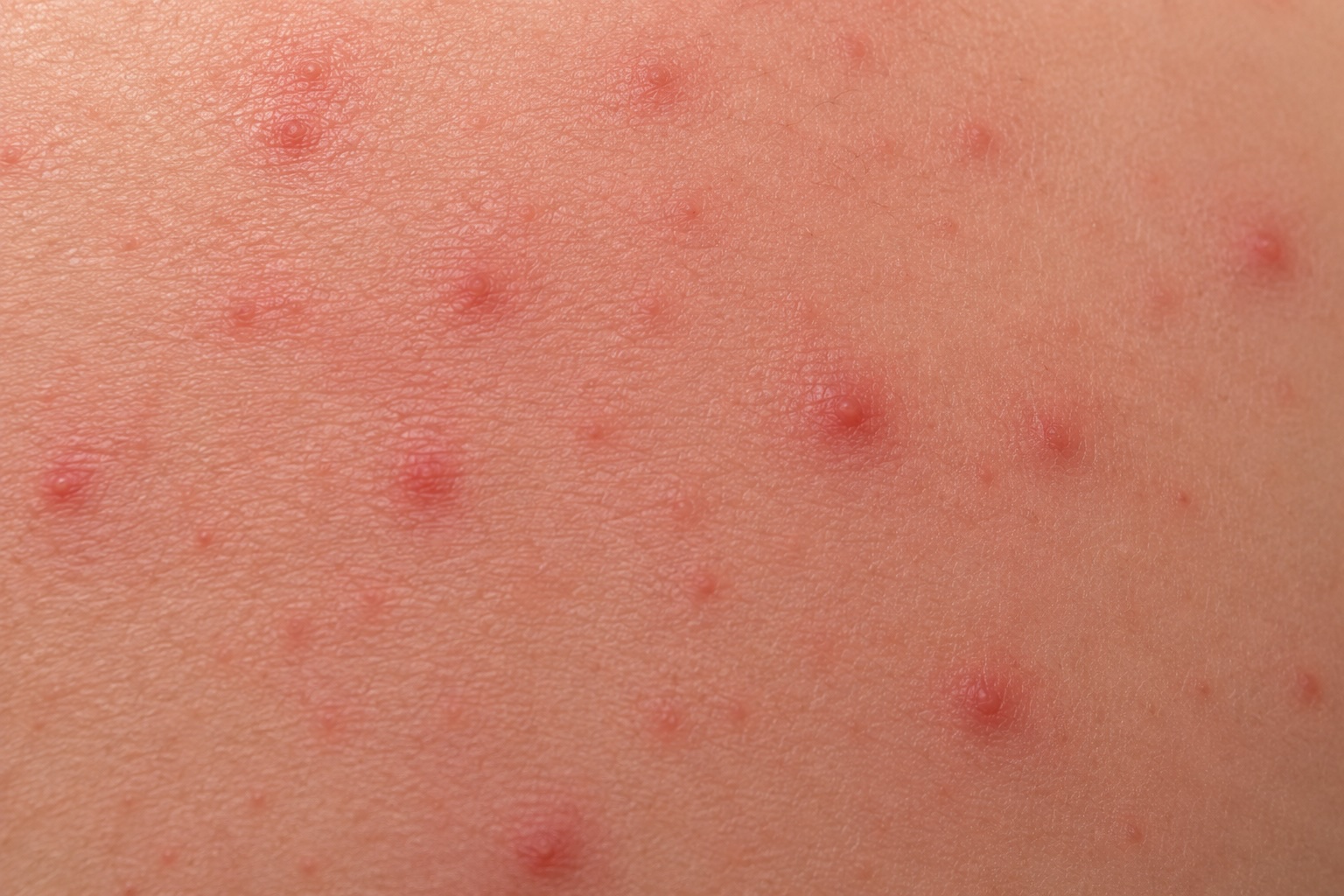
Red bumps on private parts can be alarming, especially when accompanied by itching, pain, swelling, or discharge. While some bumps may result from irritation, shaving, or blocked hair follicles, others could be linked to infections or sexually transmitted diseases (STDs).
Because symptoms often overlap, identifying the exact cause based on appearance alone can be difficult. Early assessment may help prevent complications, reduce discomfort, and determine whether treatment is necessary.
What Do Red Bumps on Private Parts Look Like?
Symptoms vary depending on the underlying condition. Some people may experience:
- Small red or pink bumps
- Pus-filled spots
- Painful blisters or sores
- Itching or irritation
- Burning sensation
- Swelling around the affected area
- Tenderness during movement or urination
Symptoms may appear suddenly or gradually worsen over time.
Common Causes of Red Bumps on Private Parts
Several conditions may contribute to bumps or lesions around the genital area.
Folliculitis
Folliculitis develops when hair follicles become inflamed or infected. Friction, sweating, shaving, and bacterial growth may increase the risk. Symptoms often include small red bumps, tenderness, or pus-filled lesions around hair follicles. Although folliculitis is not always sexually transmitted, it may resemble other genital skin conditions.
Genital Herpes
Genital herpes may cause painful clusters of blisters that later become sores or ulcers. Some individuals experience tingling or burning sensations before outbreaks appear. The virus remains in the body, and symptoms may recur periodically, particularly during stress or illness.
Genital Warts
Certain strains of HPV may lead to genital warts, which can appear as raised bumps around the genital or anal area. These bumps may develop individually or in clusters, feel rough or uneven, and sometimes increase in size over time.
Syphilis
Early syphilis sometimes begins with a painless sore that may be mistaken for a harmless bump or ingrown hair. Recognising signs you may have syphilis early may reduce the risk of long-term complications affecting other parts of the body.
Genital Fungal Infection
A genital fungal infection may trigger redness, itching, irritation, and small, inflamed bumps. Symptoms may overlap with eczema, allergic reactions, or sexually transmitted infections, making an accurate diagnosis important.
Molluscum Contagiosum
This viral skin infection may cause small raised bumps with a central indentation. The condition spreads through close skin contact and may affect the genital region. Although often harmless, the bumps can persist for months and may be mistaken for other skin conditions or sexually transmitted infections.
Skin Irritation or Allergic Reactions
New soaps, detergents, lubricants, condoms, or skincare products may trigger irritation around sensitive skin. This may result in redness, dryness, itching, or mild swelling. Symptoms often improve once the irritant is avoided, although persistent irritation may require further assessment.
When Could Red Bumps Be Related to an STD?
Not every bump indicates an std, but certain symptoms may warrant medical assessment. Possible warning signs include:
- Persistent or worsening bumps
- Painful sores or ulcers
- Genital discharge
- Genital swelling
- Genital itching
- Pain during urination
- Fever or flu-like symptoms
- Bleeding after sex
These symptoms may indicate infections requiring diagnosis and treatment.
Why Self-Diagnosing Can Be Risky
Many people assume red bumps are caused by shaving, irritation, or minor infections. However, conditions such as herpes, fungal infections, folliculitis, and genital warts often appear similar despite requiring different treatments.
Understanding why you should not self-diagnose STDs or STIs is important, as delayed diagnosis may increase complication risks or prolong symptoms unnecessarily.
How Are Red Bumps on Private Parts Diagnosed?
Doctors usually assess symptoms, medical history, and physical findings before recommending further testing. Investigations may include:
- Physical examination
- Swab tests
- Urine tests
- Blood tests
- STD test screening where appropriate
Testing helps determine whether symptoms are linked to infection, inflammation, or another skin condition.
How Are Red Bumps Treated?
Treatment depends entirely on the underlying cause. Some conditions may require antibiotics, antiviral medication, antifungal treatment, topical medication, or changes to reduce irritation and friction. Applying creams without knowing the underlying cause may worsen symptoms or delay recovery.
When Should You Seek Medical Attention?
Consider a medical assessment if red bumps:
- Persist for several weeks
- Become painful or spread
- Recur repeatedly
- Cause swelling, discharge, or ulcers
- Develop after sexual contact
- Are accompanied by fever or worsening discomfort
Early diagnosis may help reduce complications and support faster recovery.

Persistent Red Bumps Should Not Be Ignored
Red bumps on the private parts may result from irritation, infection, or underlying sexual health conditions. Because symptoms often overlap, professional assessment becomes important when bumps persist, worsen, or recur.
At Dr Chong Clinic, experienced doctors provide confidential consultation, diagnosis, and personalised treatment for sexual health concerns. The clinic has experience managing a wide range of STD and STI conditions, offering screening, diagnostic testing, and evidence-based treatment plans tailored to individual needs.
If you notice unusual bumps, persistent irritation, or are concerned about possible exposure, consider booking a consultation or appointment for professional evaluation. Early medical assessment may help prevent complications and support recovery.
Frequently Asked Questions (FAQs)
1. Are red bumps on private parts always caused by an std?
No. Red bumps may result from folliculitis, irritation, fungal infections, allergies, or shaving. Some sexually transmitted infections may also produce similar symptoms.
2. Can shaving cause red bumps near the genitals?
Yes. Shaving may irritate hair follicles or contribute to ingrown hairs, causing small red bumps, tenderness, or discomfort.
3. Should I get tested if I have red bumps but no pain?
Testing may still be recommended because some infections remain painless or cause only mild symptoms during early stages.
4. Can red bumps disappear without treatment?
Some irritation-related bumps may improve naturally, but infections often require treatment. Persistent or recurring symptoms should be assessed by a doctor.
*All images used in this article are AI-generated.