Blog
Rapid STD Testing: How Accurate Is It?


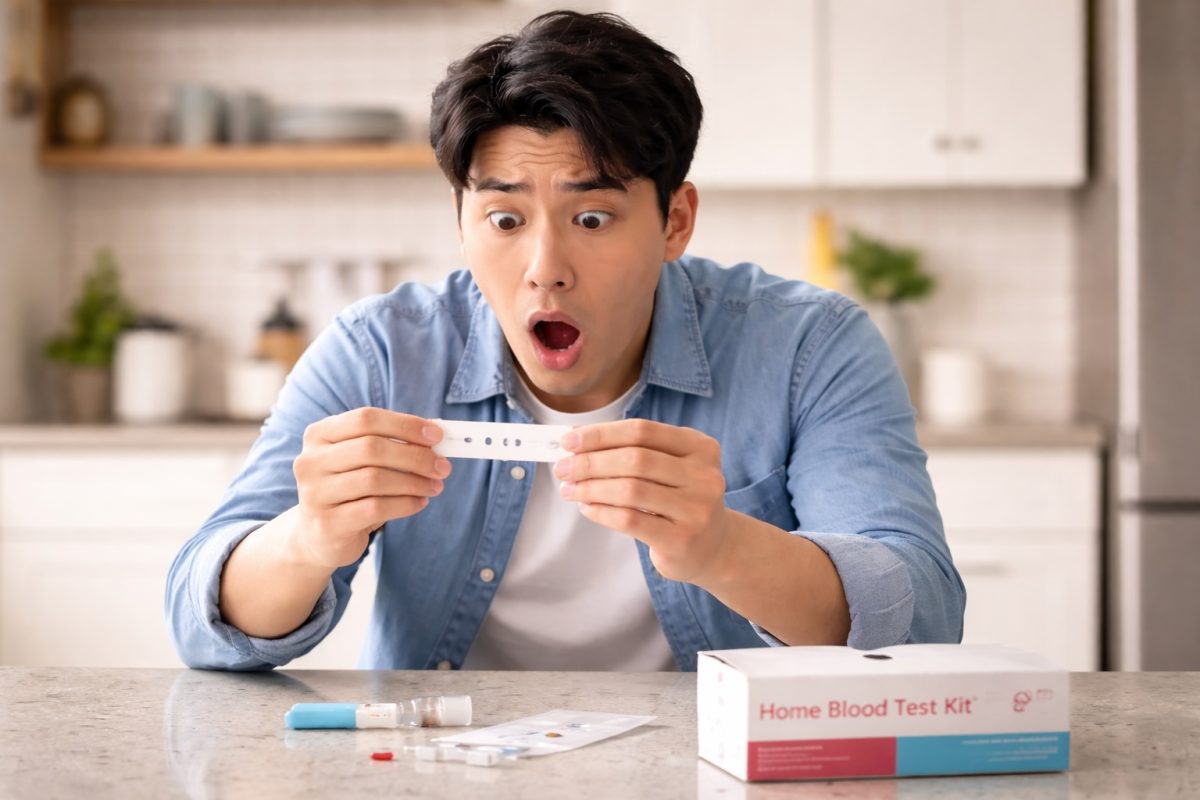
Sexually transmitted disease (STD) testing plays a crucial role in the early detection of infections. With advancements in medical technology, rapid STD tests are now available, providing results in a short time, sometimes within just a few minutes.
For many individuals, these tests offer convenience because they do not have to wait long to know their sexual health status. However, a common question remains: how accurate are rapid STD tests?
Although these tests provide quick results, several factors can influence their accuracy. This article explains how rapid STD tests work, their level of accuracy, and when additional testing may be necessary.
What Is a Rapid STD Test?
A rapid STD test is a screening tool designed to detect sexually transmitted infections within a short time frame. Unlike traditional laboratory tests, which may take several days, rapid tests typically provide results within:
- 10 to 30 minutes
- Less than one hour
These tests are commonly used to detect infections such as:
In some cases, rapid tests may also be used to screen for other infections, depending on the test kit available.
How Are Rapid STD Tests Performed?
Rapid STD tests usually involve collecting a small sample from the patient. Common sample types include:
- Blood sample (finger prick)
- Saliva sample
- Swab from the genital area
These samples are analysed using specialised test kits that detect specific antibodies or antigens associated with infections. Results are typically available within a short period.

How Accurate Are Rapid STD Tests?
In general, rapid STD tests have a high level of accuracy, especially when performed correctly and after an appropriate incubation period. However, accuracy depends on several factors, including:
- Type of infection being tested
- Time since exposure
- Testing method used
- Quality of the test kit
In most cases, rapid tests are used as an initial screening tool. If results indicate a possible infection, further laboratory testing may be required to confirm the diagnosis.
What Is the “Window Period”?
One of the most important factors affecting STD test accuracy is the window period. The window period refers to the time after infection during which the test may not yet detect the infection. For example:
- The body may need time to produce detectable antibodies
- The virus or bacteria may still be present in very low levels
If testing is done too early after exposure, the result may be a false negative. For this reason, doctors may recommend repeating the test after a few weeks.
What Do Positive and Negative Results Mean?
Negative Result
A negative result usually means that no infection was detected. However, if the test is performed during the window period, the result may not be fully accurate.
Positive Result
A positive result indicates that the test has detected signs of infection. In most cases, doctors will recommend confirmatory laboratory testing before starting treatment.
Advantages of Rapid STD Testing
Rapid STD tests offer several advantages that make them a popular option for sexual health screening:
- Fast results
- No long waiting time for initial diagnosis
- Supports early detection of infections
- Allows quicker access to treatment
Early detection is important because many STDs can be effectively treated when identified early.
Limitations of Rapid STD Testing
Despite their advantages, rapid STD tests also have certain limitations:
- Risk of false-negative results if tested too early
- Some tests only detect specific infections
- Positive results may require laboratory confirmation
For this reason, rapid tests are typically used as a first-line screening method.

When Should You Get an STD Test?
You are advised to undergo STD testing if:
- You had unprotected sex
- You have a new sexual partner
- You have multiple sexual partners
- You experience symptoms of an STD
Regular screening is also recommended for sexually active individuals to maintain good sexual health.
How to Reduce the Risk of STDs
In addition to testing, several steps can help reduce the risk of sexually transmitted infections:
- Use condoms during sexual activity
- Limit the number of sexual partners
- Get vaccinated for HPV and Hepatitis B
- Attend regular health check-ups
These preventive measures help protect both you and your partner from infection.
Conclusion: Rapid STD Tests Are Useful for Early Screening
Rapid STD tests are valuable screening tools because they provide results quickly. Although they are generally accurate, factors such as the window period can affect the results.
In some cases, additional laboratory testing may be needed to confirm the diagnosis. Regular STD testing is an important step in maintaining sexual health and preventing the spread of infections.
If you would like to undergo STD testing or have concerns about your sexual health, book an appointment with Dr Chong Clinic for an accurate diagnosis and appropriate treatment.
Frequently Asked Questions (FAQ)
1. How fast can rapid STD test results be obtained?
Most rapid STD tests provide results within 10 to 30 minutes.
2. Are rapid STD tests accurate?
Yes, most rapid tests are highly accurate, but results can be affected by the window period.
3. Do rapid STD test results need confirmation?
In some cases, positive results need to be confirmed with additional laboratory testing.
4. When is the best time to take an STD test?
Testing is usually recommended a few weeks after exposure to ensure more accurate results.
*All images used in this article are AI-generated.