Blog
How Do STDs and STIs Spread? Everything You Need to Know


Sexually transmitted diseases (STDs) and sexually transmitted infections (STIs) are common worldwide and affect individuals of all ages, genders, and backgrounds. Despite widespread awareness, many people are still unsure about how these infections are transmitted.
Understanding how STDs and STIs spread is essential for prevention and early detection. STIs are infections that may not cause symptoms, while STDs occur when symptoms or complications develop. Because many infections begin silently, education and regular screening are crucial.
The Main Ways STDs and STIs Spread
STDs and STIs are primarily transmitted through intimate sexual contact. However, transmission can occur in several different ways depending on the infection.
1. Vaginal Sex
Unprotected vaginal intercourse is a common route of STD transmission. Infections spread through semen, vaginal fluids, blood, and skin contact, even without ejaculation. Common STDs spread this way include:
- Chlamydia
- Gonorrhea
- HIV
- Syphilis
- HPV
- Herpes
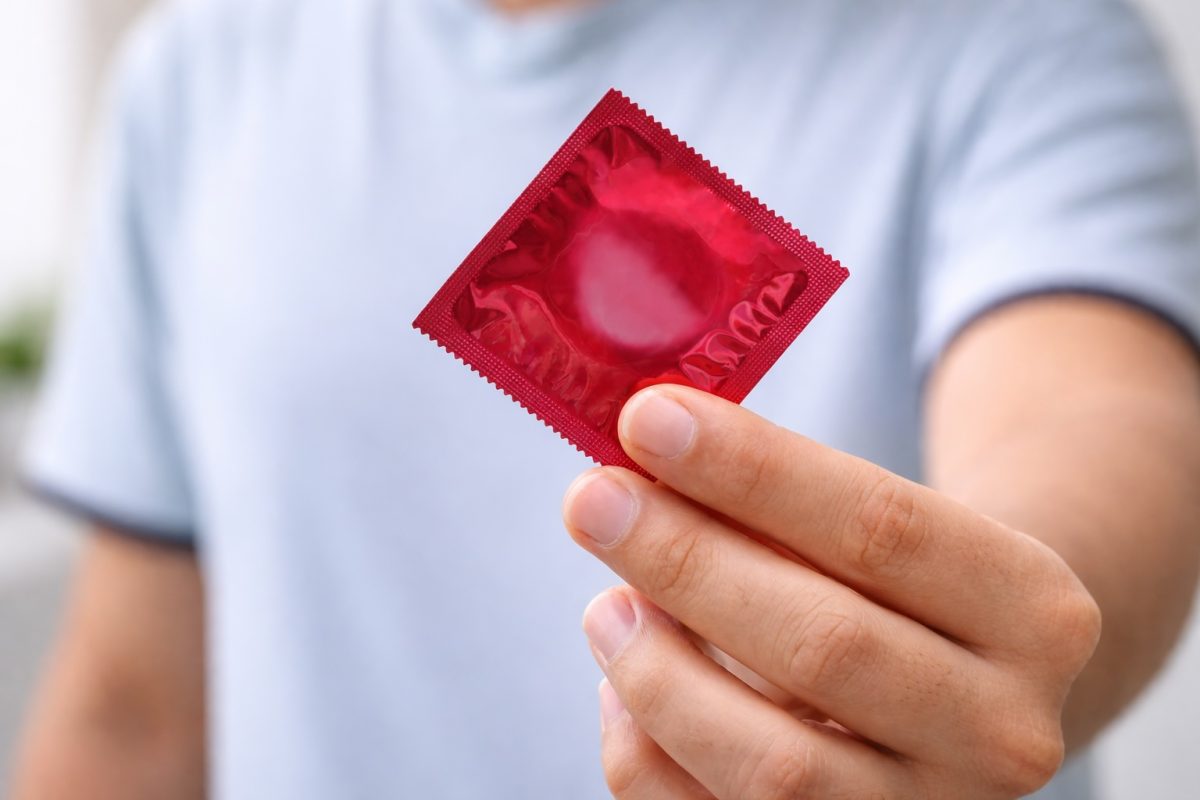
Using condoms significantly reduces the risk but does not eliminate it, particularly for infections transmitted through skin-to-skin contact, such as HPV and genital herpes. Regular screening remains essential for early detection.
2. Anal Sex
Anal intercourse carries a higher risk of transmission for certain infections, particularly HIV. The lining of the rectum is thin and more prone to small tears, making it easier for viruses and bacteria to enter the bloodstream. STDs commonly transmitted through anal sex include:
- HIV
- Gonorrhea
- Chlamydia
- Syphilis
- Herpes
- Hepatitis B
Barrier protection and proper lubrication reduce risk but cannot fully eliminate exposure, making regular testing especially important for those engaging in anal sex.
3. Oral Sex
Many people assume oral sex is “safe,” but STDs can spread through oral-genital and oral-anal contact. Transmission can occur when infected fluids or skin contact allow pathogens to enter through:
- Small cuts in the mouth
- Inflamed gums
- The throat lining
- Genital tissues
STDs that can spread through oral sex include gonorrhea, chlamydia, syphilis, herpes, HPV, and HIV. Many of these infections may cause mild throat symptoms or no symptoms at all, increasing the risk of unnoticed transmission. Symptoms may be mild or absent, especially with throat infections, which increases the risk of unknowingly spreading infection.

4. Skin-to-Skin Contact
Not all STDs require fluid exchange to spread. Some are transmitted through direct skin-to-skin contact with infected areas. Herpes spreads through contact with sores or infected skin, even when lesions are not visible.
HPV spreads through genital or oral skin contact, and while condoms reduce risk, uncovered skin can still transmit the virus. Syphilis spreads through direct contact with a syphilitic sore, which may be painless and go unnoticed. This is why certain infections can still spread even when protection is used.
5. Blood Exposure
Some STDs are spread through infected blood. Examples include HIV and Hepatitis B. Transmission can occur through sharing needles, blood transfusions in areas without proper screening, or direct contact with infected blood through open wounds. These infections are not limited to sexual activity and can spread through other forms of blood exposure.
6. Mother-to-Child Transmission
Certain STDs can pass from a pregnant mother to her baby during pregnancy, childbirth, or breastfeeding. Examples include:
- HIV
- Syphilis
- Hepatitis B
- Herpes
Untreated infections during pregnancy can cause miscarriage, premature birth, birth defects, or newborn infection. Early screening during pregnancy significantly reduces these risks.
Can STDs Spread Without Symptoms?
Yes. Many STIs are asymptomatic, meaning infected individuals may have no noticeable signs. During this silent phase, transmission can still occur. Examples:
- Chlamydia often causes no symptoms in both men and women.
- HPV may persist without visible warts.
- HIV can remain symptom-free for years.
- Gonorrhea may be silent, especially in throat infections.
Because symptoms may be mild or absent, individuals can unknowingly pass infections to partners. Regular screening is essential, as testing is the only reliable way to confirm infection status and prevent complications.
What Increases the Risk of Transmission?
Understanding risk factors helps individuals make informed decisions about prevention and screening. Several factors increase the likelihood of acquiring or spreading an STD:
- Multiple sexual partners
- New sexual partner
- Inconsistent condom use
- Previous history of STDs
- Existing genital sores or ulcers
- Weakened immune system
- Engaging in high-risk sexual behaviours
- Lack of routine screening
These factors can significantly raise the chance of exposure, even when symptoms are not present. Even individuals in long-term relationships may be at risk if either partner has prior untreated infections. Open communication, routine testing, and consistent protection are essential steps in reducing transmission risk.
Why Early Detection Matters
Untreated STDs can lead to serious complications, including infertility, chronic pelvic pain, epididymitis, ectopic pregnancy, increased HIV risk, organ damage from infections such as syphilis and hepatitis, and certain HPV-related cancers. Many of these complications develop silently over time without obvious warning signs.
Early diagnosis and treatment help stop transmission, prevent long-term damage, protect fertility, reduce the risk of complications, and provide reassurance. Delaying treatment often allows infections to worsen, leading to more complex and potentially irreversible medical issues.
How to Reduce the Risk of STDs
While abstinence eliminates STD risk, practical strategies can greatly reduce transmission. These include consistent condom use, limiting sexual partners, open communication about sexual health, HPV and Hepatitis B vaccination, routine screening, avoiding sex during active outbreaks, and not sharing needles.
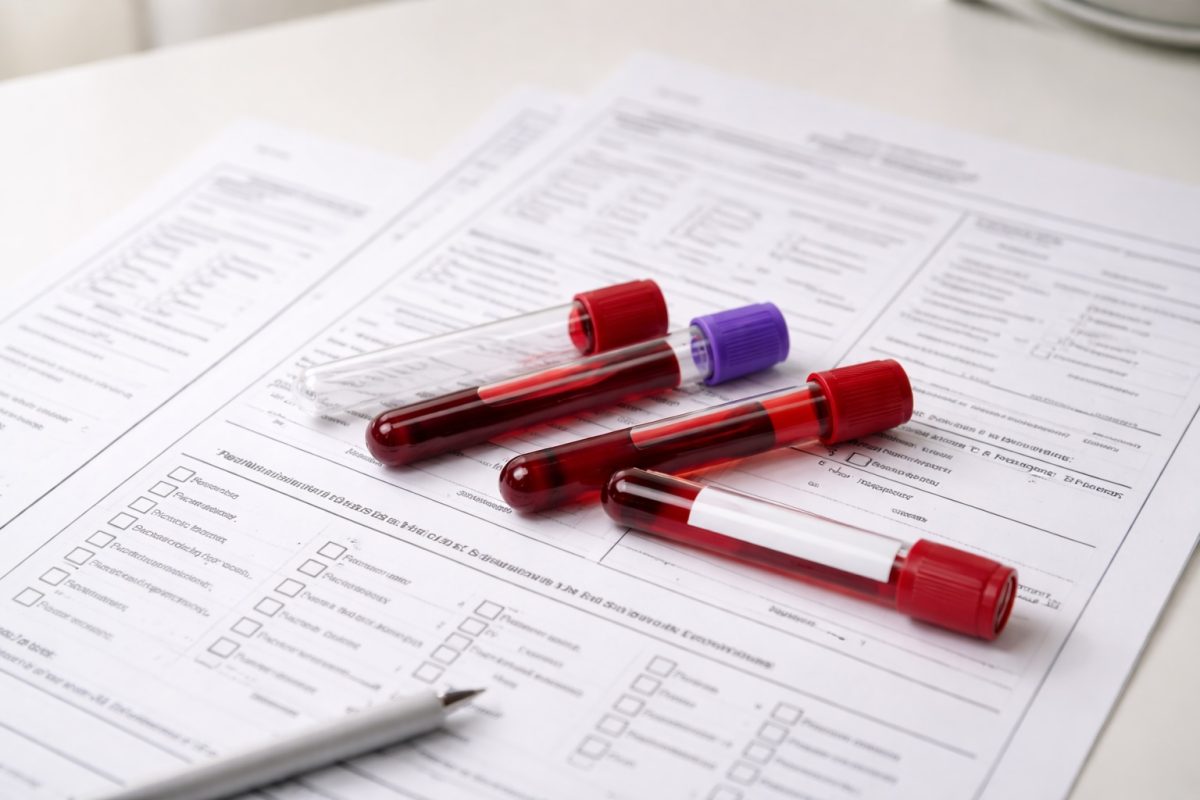
Routine screening is especially important because many infections cause no symptoms and can spread silently. Testing is generally recommended annually for sexually active individuals and every 3 to 6 months for those at higher risk.
When Should You Get Tested?
Consider STD testing if you have unprotected sex, experience genital discharge, sores, itching, pain, a persistent sore throat after oral sex, have a partner diagnosed with an STD, or are planning a pregnancy. Even without symptoms, regular screening is recommended for sexually active individuals to ensure early detection and treatment.

Protect Yourself Through Awareness and Action
STDs and STIs can spread through sexual contact, skin-to-skin exposure, blood transmission, and from mother to child. Many infections remain silent, which is why testing is essential even when no symptoms are present.
Understanding how transmission occurs empowers you to make safer, informed decisions. Prevention strategies, routine screening, vaccination, and early treatment play a crucial role in protecting your long-term health and fertility.
If you are concerned about possible exposure or symptoms, do not delay seeking professional care. Schedule a confidential consultation at Dr Chong Clinic for comprehensive STD screening, accurate diagnosis, and personalised treatment. Early evaluation provides clarity, effective care, and lasting peace of mind.
Frequently Asked Questions (FAQs)
1. Can you get an STD from kissing?
Most STDs are not spread through casual kissing. However, herpes (HSV-1) and, less commonly, syphilis can spread through direct contact with an active sore in the mouth. Deep kissing may increase the risk if open sores are present.
2. Can STDs spread without ejaculation?
Yes. Many STDs can spread even without ejaculation. Infections such as herpes, HPV, gonorrhoea, and chlamydia can be transmitted through skin-to-skin contact, pre-ejaculatory fluid, or genital secretions.
3. How long after exposure should you get tested?
The timing depends on the infection. Some STDs can be detected within days, while others may require weeks for accurate testing. If you suspect exposure, consult a healthcare provider for guidance on appropriate testing timelines.
4. Can you have an STD and not know it?
Yes. Many STIs cause no symptoms, especially in the early stages. You can feel completely healthy and still carry and transmit an infection. Routine screening is the only reliable way to confirm your status.
*All images used in this article are AI-generated.