Blog
Sun-Damaged Skin: Causes, Signs, and Treatments

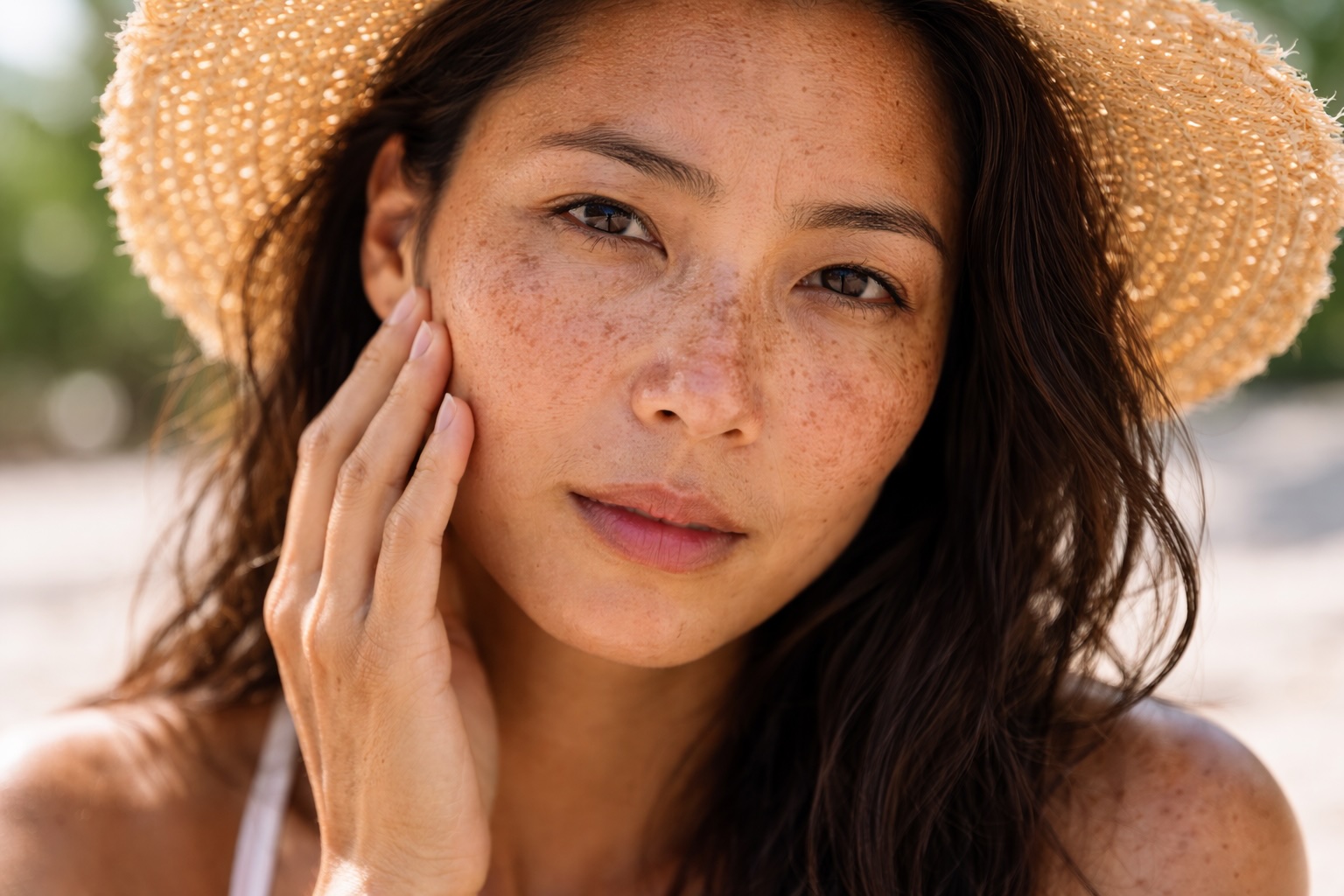
Sun-damaged skin is one of the most common skin concerns in Malaysia due to year-round UV exposure. While sunlight is essential for vitamin D, prolonged and unprotected exposure can lead to premature ageing, pigmentation issues, and long-term skin damage.
If you have noticed blotchy skin, uneven tone, or early signs of ageing, your skin may already be experiencing the effects of sun damage. The good news is that with the right approach, sun-damaged skin can be treated and improved effectively.
What Is Sun-Damaged Skin?
Sun-damaged skin, also known as photoaged skin, occurs when ultraviolet rays penetrate the skin and damage collagen, elastin, and skin cells. Over time, this leads to visible changes such as textured skin, dullness, and pigmentation.
Unlike natural ageing, sun damage accelerates the process, causing concerns like forehead lines, crow’s feet, and even deeper folds such as the nasolabial fold and marionette lines.
Common Signs of Sun Damage
Sun damage does not always appear immediately. It builds up over time and can show up in different ways depending on your skin type.
1. Pigmentation and Dark Spots
One of the earliest signs is uneven pigmentation, including freckles and solar lentigines. These dark patches form due to excess melanin production triggered by UV exposure. Many people also develop post-inflammatory hyperpigmentation, especially if they have acne-prone skin or frequently experience breakouts.
2. Uneven Texture and Clogged Pores
Sun damage can worsen clogged pores, making skin appear rough and uneven. You may notice more blackhead, sebaceous filaments, or even conditions like milia on face. This often leads to textured skin, where the surface no longer feels smooth or refined.
3. Premature Ageing
UV rays break down collagen, leading to visible ageing signs such as:
- Fine lines and frown lines
- sagging jowls and saggy cheeks
- Deep folds like marionette lines
- Loss of firmness around the jawline
In more advanced cases, it can contribute toturkey neck and drooping brows, affecting overall facial harmony.
4. Redness and Skin Sensitivity
Sun-damaged skin may also become more sensitive, leading to redness, irritation, or conditions like rosacea and allergic eczema. Some individuals experience visible blood vessels, also known as spider veins, especially around the nose and cheeks.
How Sun Damage Affects Acne and Skin Conditions
Sun exposure not only affects ageing. It can also worsen acne and other skin concerns. For example, individuals dealing with hormonal acne, cystic acne, or nodular acne may notice increased inflammation after sun exposure.
Ultraviolet rays can also lead to increased oil production in oily skin, more frequent blind pimple formation, and worsening of post-inflammatory erythema (PIE). It is also important to distinguish between skin purging and actual damage-related breakouts, as sun exposure can weaken the skin barrier.
Best Treatments for Sun-Damaged Skin
Treating sun damage requires a combination of skincare and professional treatments. The right option depends on the severity of the damage and your skin goals.
1. Laser Treatments for Pigmentation
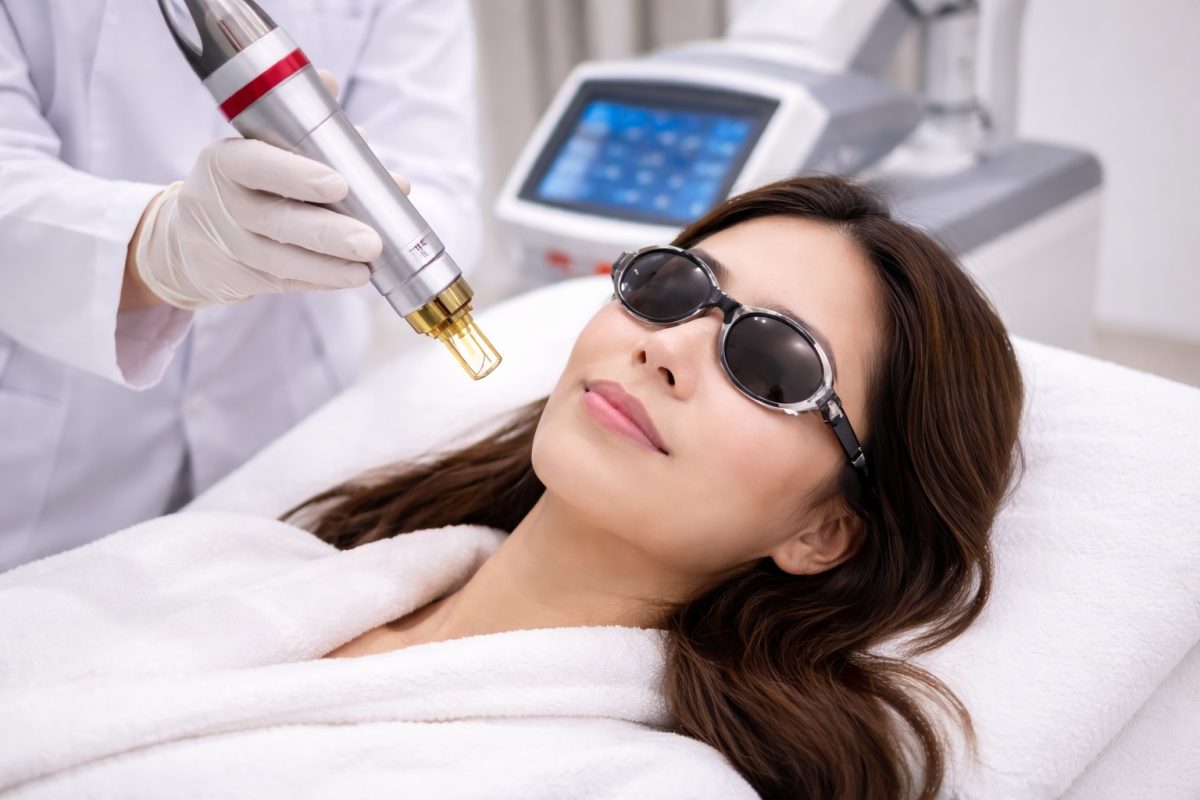
Laser treatments are among the most effective solutions for sun damage, especially for pigmentation concerns. Options like pico laser for pigmentation are widely used to target melanin deposits and improve skin clarity. Some key pico laser benefits include:
- Breaking down stubborn pigmentation
- Improving overall skin tone
- Stimulating collagen production
When comparing carbon laser vs pico laser, pico laser is often preferred for deeper pigmentation and minimal downtime.
2. Skin Rejuvenation Treatments
If your main concern is ageing or dullness, treatments focused on skin rejuvenation vs skin resurfacing can help restore radiance. These treatments improve:
- Skin texture
- Elasticity
- Overall brightness
They are ideal for achieving a smoother, more dewy skin appearance and are often part of treatments for glowing skin.
3. Collagen-Stimulating Procedures
For more advanced sun damage, collagen-boosting treatments may be recommended. Procedures like fillers such as Radiesse Filler or lifting treatments such as Ultherapy, Botox and HIFU. These treatments help improve:
- Skin firmness
- Volume loss
- Sagging areas like the cheeks and jawline
4. Medical Facials and Skin Detox
For mild sun damage, treatments like Baby Facial or Skin Detox can help refresh the skin. These treatments work by:
- Removing impurities
- Improving hydration
- Supporting skin recovery
They are often recommended for individuals looking to improve overall skin health or achieve a natural glow.
Daily Skincare Tips to Repair Sun-Damaged Skin
Professional treatments are effective, but daily care plays a crucial role in recovery. Essential skincare habits include:
- Use sunscreen daily, even indoors
- Follow a structured routine like skin cycling
- Avoid pore-clogging ingredients by using a pore-clogging checker
- Stay hydrated to maintain a healthy skin barrier
For those aiming for clearer skin, routines focused on achieving glass skin or making the face look less tired can also help improve overall appearance.
Can Sun-Damaged Skin Be Reversed?
While severe sun damage cannot be completely reversed, it can be significantly improved with the right treatments and skincare routine. Pigmentation can be lightened, texture can be refined, and collagen can be rebuilt over time. The key is early intervention and consistent care.
When Should You See a Doctor?
You should consult a professional if you notice:
- Rapidly changing pigmentation or moles that may require mole removal
- Persistent redness or irritation
- Severe texture issues, such as pockmarks
- Unusual growths like skin tags or warts
Early diagnosis ensures proper treatment and prevents further complications.

Restore and Protect Your Skin for Long-Term Results
Sun-damaged skin is a gradual process, but its effects can be managed and improved with the right approach. Whether you are dealing with pigmentation, premature ageing, or uneven texture, combining targeted treatments with consistent skincare is key to restoring your skin’s health.
With advancements in aesthetic treatments such as pico laser for pigmentation and skin rejuvenation procedures, achieving clearer, smoother, and more radiant skin is more accessible than ever. The most important step is to start early, stay consistent, and seek professional guidance when needed.
At Dr Chong Clinic, experienced doctors provide personalised treatment plans tailored to your skin concerns, from pigmentation solutions to advanced skin rejuvenation therapies. Book a consultation today and take the first step towards healthier, brighter, and more youthful-looking skin.
Frequently Asked Questions (FAQs)
1. Can sun-damaged skin heal on its own?
Mild sun damage may improve over time with proper skincare, but more serious damage, such as pigmentation and wrinkles, typically requires professional treatments for visible results.
2. What is the best treatment for sun-damaged skin in Malaysia?
The best treatment depends on your condition. Options like pico laser for pigmentation, skin rejuvenation, and medical facials are commonly recommended for improving tone and texture.
3. How long does it take to see results from treatment?
Results vary depending on the treatment. Some improvements can be seen within a few sessions, while collagen-building treatments may take several weeks to months for full results.
4. Can sun damage cause acne or breakouts?
Yes, sun exposure can worsen oily skin, clog pores, and trigger breakouts, especially in individuals with acne-prone skin. Proper sun protection and skincare are essential to prevent this.
*All images used in this article are AI-generated.