Blog
Genital Hygiene Tips: How to Maintain Intimate Health Safely

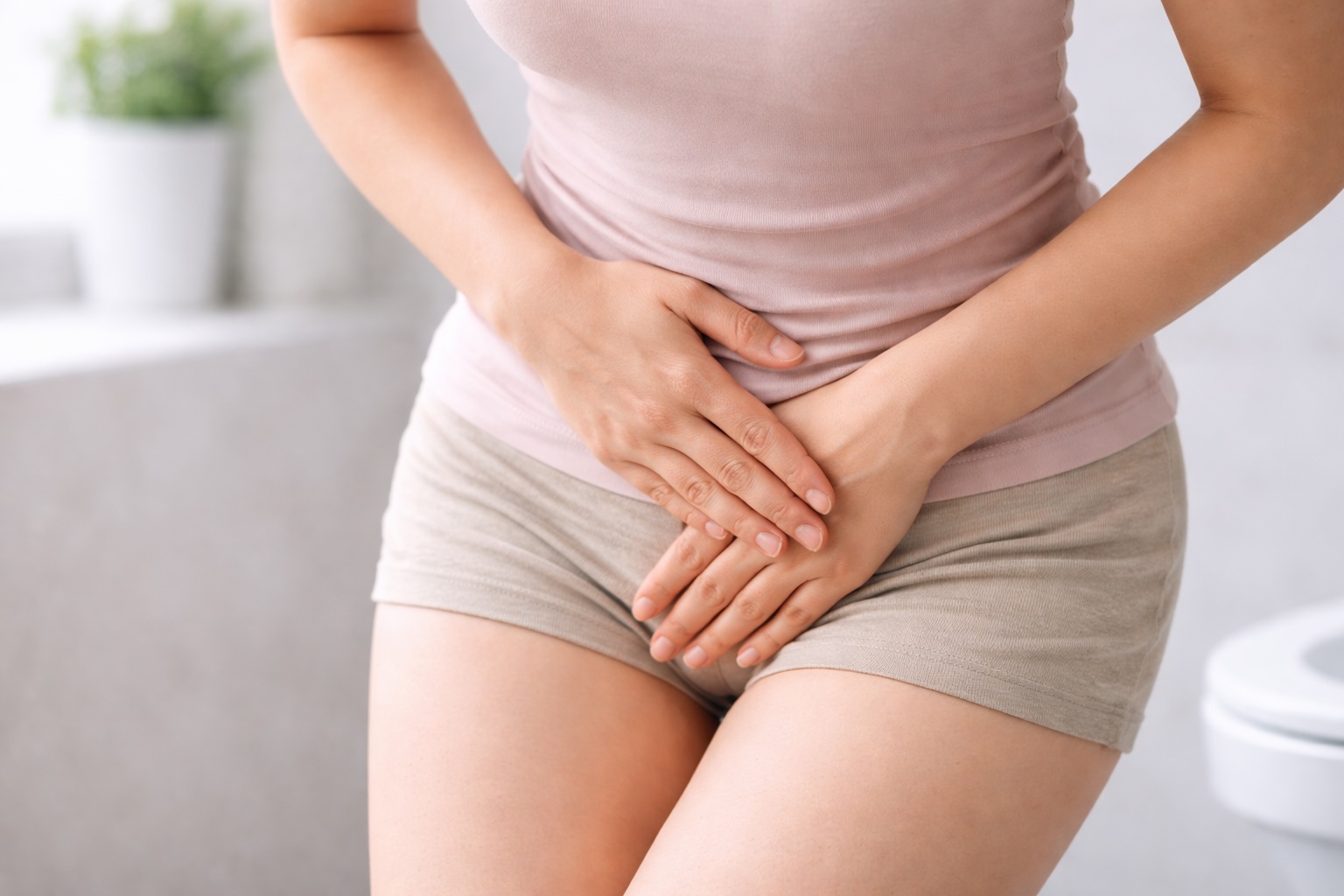
Maintaining proper genital hygiene is an essential part of overall health, yet it is often overlooked or misunderstood. Many people assume that intimate care requires complicated routines or specialised products, but in reality, simple and consistent habits are usually the most effective.
Good hygiene helps prevent irritation, infections, and unpleasant odours while supporting the body’s natural balance. When done correctly, it can also reduce the risk of certain infections, including those discussed in early signs of STD or STI, where subtle symptoms can sometimes be mistaken for hygiene-related issues.
Why Genital Hygiene Matters
The genital area is sensitive and has its own natural protective mechanisms. For example, the vaginal area maintains a delicate pH balance, while the male genital region relies on proper cleaning to prevent bacterial buildup. Poor hygiene can lead to:
- Irritation and itching
- Unpleasant odour
- Bacterial or fungal infections
- Increased vulnerability to infections
At the same time, excessive cleaning or the use of harsh products can disrupt natural protection, causing more harm than good.
Clean Gently and Regularly
One of the most important rules of genital hygiene is to keep things simple. Daily washing with lukewarm water is usually enough to maintain cleanliness. For external areas, you may use a mild, fragrance-free cleanser. However, avoid strong soaps or products that can irritate the skin.
For women, internal cleansing is not necessary. The body naturally maintains cleanliness, and over-cleansing can disrupt the balance. This is why practices like douching are generally discouraged. For men, especially those who are uncircumcised, it is important to gently clean under the foreskin to prevent buildup.
Avoid Harsh or Scented Products
Products marketed for intimate hygiene often contain fragrances or chemicals that can irritate. While they may provide a temporary feeling of freshness, they can disrupt the natural environment of the genital area. It is best to avoid:
- Scented soaps or body washes
- Intimate sprays or deodorants
- Strong antiseptic solutions
These products can increase the risk of irritation and may even contribute to symptoms like a burning sensation on the genitals, which should not be ignored.
Wear Breathable Clothing
Clothing plays a significant role in maintaining hygiene. Tight or non-breathable fabrics can trap moisture and heat, creating an environment where bacteria and fungi thrive. Choosing breathable fabrics such as cotton helps keep the area dry and reduces the risk of irritation. Simple tips include:
- Change underwear daily
- Avoid overly tight clothing for long periods
- Change out of wet or sweaty clothes promptly
These small habits can make a big difference in maintaining comfort and hygiene.
Maintain Hygiene During Menstruation
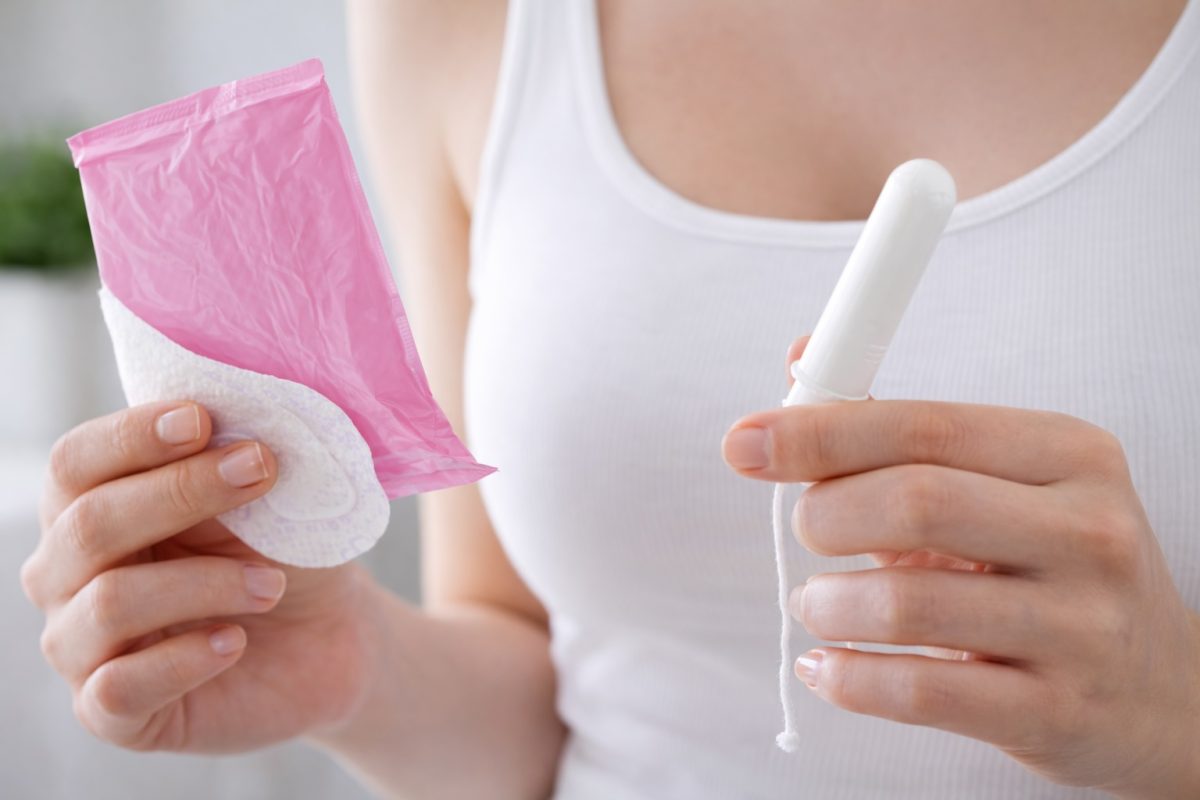
For individuals who menstruate, hygiene becomes even more important during this time. Proper care helps prevent discomfort and reduces the risk of infections. It is recommended to:
- Change sanitary products regularly
- Wash the external area gently
- Avoid leaving tampons or pads on for extended periods
Maintaining cleanliness during menstruation supports overall reproductive health and comfort.
Practice Safe Sexual Hygiene
Hygiene is also closely linked to sexual health. Cleaning the genital area before and after sexual activity can help reduce the risk of irritation and infection.
Using protection is equally important. Understanding whether condoms can prevent STDs and STIs highlights how they play a role not only in protection but also in maintaining overall hygiene. After intercourse, gentle cleaning can help remove fluids and reduce the likelihood of bacterial growth.
Recognise When Something Is Not Normal
Even with good hygiene, certain symptoms should not be ignored. These may indicate an underlying condition rather than a hygiene issue. Watch for signs such as:
- Persistent itching or irritation
- Unusual discharge
- Strong or unusual odour
- Pain or discomfort
In some cases, symptoms that appear to be hygiene-related may actually be linked to infections. Understanding how STDs and STIs spread helps clarify why proper diagnosis is important. If symptoms persist, seeking medical advice is recommended.
Avoid Over-Cleaning
While cleanliness is important, excessive washing can strip the skin of its natural oils and protective bacteria. This can lead to dryness, irritation, and increased susceptibility to infections. Balance is key. Gentle, once-daily cleaning is typically sufficient unless otherwise advised by a healthcare professional.
Stay Hydrated and Maintain Overall Health
General health also affects intimate hygiene. Staying hydrated and maintaining a balanced diet support the body’s natural functions, including skin and immune health. A healthy lifestyle can help reduce the likelihood of infections and improve overall comfort.
Regular Check-Ups Are Important
Routine health check-ups are an important part of maintaining intimate health. Even without symptoms, regular screening helps detect potential issues early. A simple STD test can provide reassurance and ensure that any concerns are addressed promptly. This is especially important for individuals who are sexually active or have changing risk factors.
A Balanced Approach to Intimate Care
Effective genital hygiene is about maintaining balance. It is not about using more products or following complicated routines, but about understanding what your body needs. A good routine includes:
- Gentle daily cleaning
- Avoiding harsh products
- Wearing breathable clothing
- Practising safe hygiene habits
- Seeking medical advice when needed
By keeping things simple and consistent, you can support your body’s natural protection and reduce the risk of discomfort or infection.

Simple Habits for Better Intimate Health
Genital hygiene does not have to be complicated. With the right approach, it becomes a natural part of your daily routine. By practising gentle care, avoiding irritants, and staying aware of changes in your body, you can maintain comfort and support long-term health. At Dr Chong Clinic, patients receive:
- Private and confidential consultations
- Professional advice tailored to individual needs
- Comprehensive screening and treatment options
- Fast and accurate diagnostic services
Take control of your intimate health today by booking a consultation with a trusted medical professional.
Frequently Asked Questions (FAQs)
1. What is the best way to prevent STDs?
Using protection, limiting partners, and regular testing are the most effective strategies.
2. Can STDs be prevented completely?
No method is 100% effective, but combining preventive measures significantly reduces risk.
3. How often should I get tested?
Testing frequency depends on your risk level, but regular screening is recommended.
4. Do symptoms always appear?
No, many infections can remain asymptomatic, making testing essential.
*All images used in this article are AI-generated.