Blog
Bleeding After Sex: Is It Normal or a Sign of an STD?

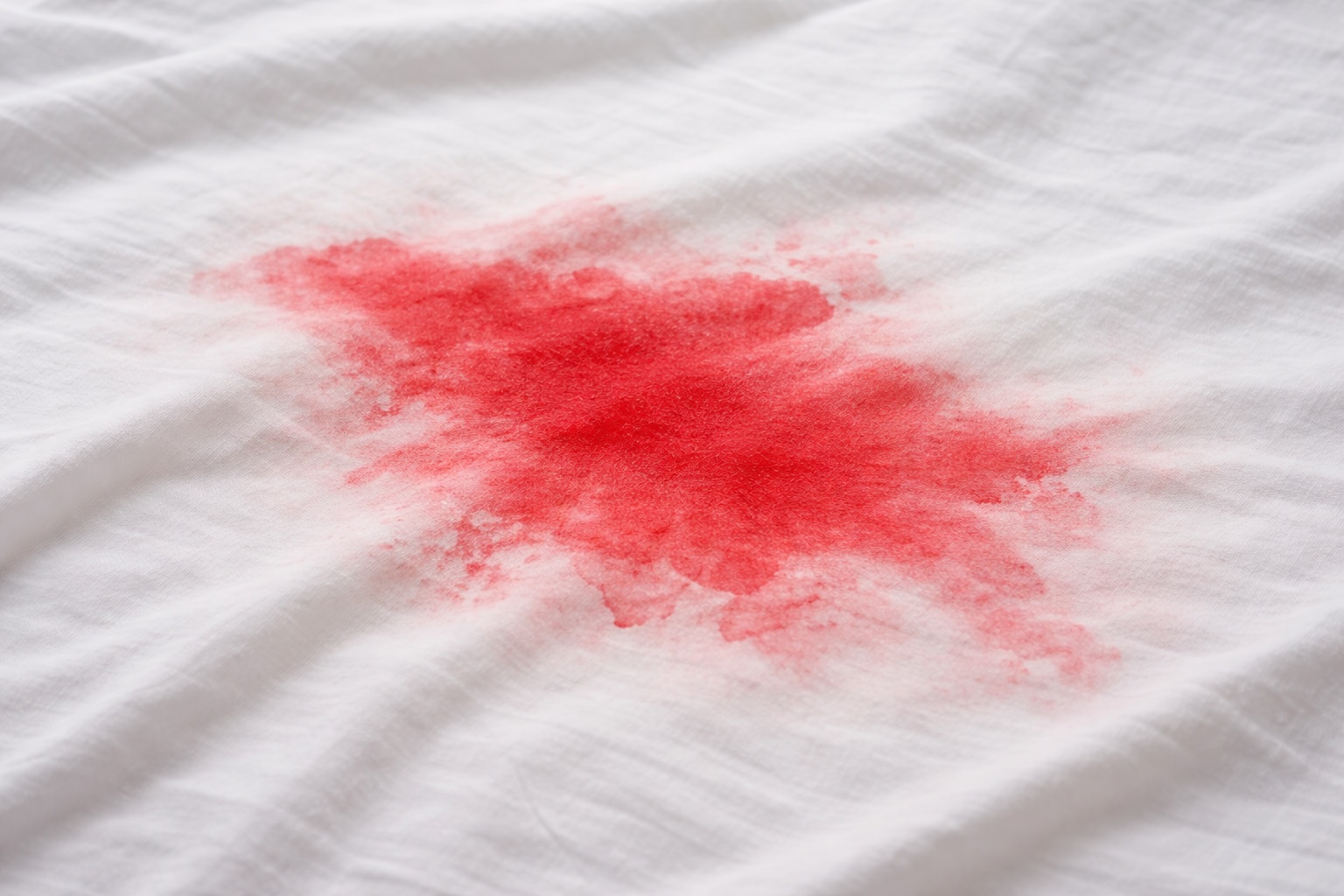
Bleeding after sexual intercourse, also known as postcoital bleeding, can be a surprising and worrying experience for some women. While in many cases it may be caused by non-serious factors such as irritation or hormonal changes, there are also situations where it may signal an underlying health condition that requires medical attention.
Many people wonder whether bleeding after sex is normal or whether it could be a sign of a sexually transmitted disease (STD). To understand this more clearly, it is important to know the possible causes, symptoms to watch for, and when you should seek medical evaluation.
This article explains the possible causes of bleeding after sex, its potential link with sexually transmitted infections, and the available treatment options.
Is Bleeding After Sex Normal?
In certain situations, light bleeding after sexual intercourse may occur and does not necessarily indicate a serious health problem.
Several common factors may cause bleeding, including:
- Vaginal dryness
- Friction during sexual intercourse
- Hormonal changes
- Small tears in vaginal tissue
- Cervical sensitivity
However, if bleeding occurs repeatedly or is accompanied by other symptoms, it may indicate a medical condition that requires further evaluation by a healthcare professional.
Common Causes of Bleeding After Sex
Various factors may cause bleeding after intimate intercourse. Some are related to sensitive tissues or irritation, while others may be associated with infections or reproductive health conditions. Understanding the underlying cause is important to determine whether the condition is temporary or requires medical treatment.
1. Vaginal Dryness
Vaginal dryness is one of the most common causes of bleeding after sex. When the vagina does not produce enough natural lubrication, friction during intercourse may cause:
- Small tears in vaginal tissue
- Irritation
- Mild bleeding
Vaginal dryness can occur due to several factors, such as:
- Hormonal changes
- Menopause
- Breastfeeding
- Stress or emotional tension
- Side effects of certain medications
Using appropriate lubricants may help reduce friction and prevent irritation during intercourse.
2. Vaginal Irritation or Minor Injury
The tissues of the vagina and cervix are very delicate and sensitive. Sexual intercourse that is too rough or occurs without sufficient lubrication may cause small injuries to these tissues.
Possible symptoms include:
- Mild bleeding
- Pain or soreness
- Burning sensation after intercourse
In many cases, these minor injuries heal naturally within a few days.
3. Cervical Polyps
Cervical polyps are small, usually harmless growths on the cervix. Although most polyps do not cause noticeable symptoms, they can sometimes lead to:
- Bleeding after sexual intercourse
- Bleeding between menstrual cycles
- Unusual vaginal discharge
Cervical polyps can usually be treated with a simple medical procedure performed by a doctor.
4. Vaginal Infections
Certain infections may cause inflammation of the vaginal and cervical tissues, making them more prone to bleeding.
Examples of infections include:
- Fungal infections
- Bacterial vaginosis
- Other bacterial infections
Other symptoms that may occur include:
- Vaginal itching
- Unpleasant vaginal odor
- Abnormal vaginal discharge
Treatment typically involves antifungal medication or antibiotics, depending on the type of infection.

Sexually Transmitted Diseases (STDs) That Can Cause Bleeding
Although not all cases of bleeding after sex are related to STDs, some sexually transmitted infections can cause inflammation, tissue damage, or lesions that may lead to bleeding. Recognising these infections early can help prevent complications and protect reproductive health.
1. Chlamydia
Chlamydia is one of the most common sexually transmitted infections. Many individuals infected with chlamydia experience no symptoms in the early stages. However, when symptoms occur, they may include:
- Bleeding after sexual intercourse
- Abnormal vaginal discharge
- Pain during urination
- Pelvic pain
If left untreated, chlamydia can lead to serious reproductive health complications such as pelvic inflammatory disease (PID).
2. Gonorrhea
Gonorrhea is another bacterial infection transmitted through sexual contact. Possible symptoms include:
- Bleeding after sexual intercourse
- Unusual vaginal discharge
- Pain during urination
- Pelvic pain
Diagnosis is usually confirmed through laboratory testing.
3. Genital Herpes
Genital herpes is caused by the Herpes Simplex Virus (HSV). This infection can cause:
- Small blisters in the genital area
- Painful sores
- Vaginal irritation
If these sores become irritated during sexual intercourse, bleeding may occur.
4. HPV (Human Papillomavirus)
HPV can cause changes to cervical cells that may sometimes lead to bleeding after intercourse.
Some types of HPV may also cause:
- Genital warts
- Cellular changes in the cervix
Because certain strains of HPV are linked to cervical cancer, regular screening, such as Pap smear tests, is important for early detection.
When Should You See a Doctor?
Although occasional bleeding may not be serious, there are certain situations where medical evaluation is recommended.
You should consider seeing a doctor if:
- Bleeding occurs every time after sexual intercourse
- Bleeding is heavy or prolonged
- It is accompanied by pelvic pain
- There is abnormal vaginal discharge
- You experience fever or unusual fatigue
Early evaluation can help identify the underlying cause and ensure appropriate treatment.
How Doctors Diagnose Bleeding After Sex
To determine the cause of bleeding, doctors will usually perform several examinations and tests.
These may include:
- Physical examination of the vagina and cervix
- Pap smear test
- STD testing
- Laboratory tests for infections
In some cases, doctors may recommend additional investigations to confirm the diagnosis and rule out more serious conditions.

Treatment for Bleeding After Sex
Treatment depends on the underlying cause of the problem.
1. Treatment for Vaginal Dryness
If bleeding is caused by vaginal dryness, doctors may recommend:
- Water-based lubricants
- Hormone therapy in certain cases
- Treatments that help improve vaginal moisture
These measures help reduce friction and improve comfort during intercourse.
2. Treatment for Infections
If bleeding is caused by bacterial or fungal infections, treatment may include:
- Antibiotics
- Antifungal medication
- Specific treatment for STDs
Early treatment is essential to prevent complications and protect reproductive health.
3. Treatment for Cervical Polyps or Cervical Conditions
If cervical polyps or abnormal cervical changes are detected, doctors may recommend a minor procedure to remove the polyps. These procedures are generally quick, safe, and effective.
How to Reduce the Risk of Bleeding After Sex
Several preventive steps may help reduce the risk of bleeding after sexual intercourse. These include:
- Using lubricants if vaginal dryness occurs
- Avoiding overly rough sexual activity
- Practising safe sex
- Attending regular reproductive health check-ups
- Undergoing STD testing if at risk
Maintaining good sexual health habits can help prevent many reproductive health problems.
Conclusion: Do Not Ignore Bleeding After Sex
Bleeding after sexual intercourse can occur for many reasons, ranging from mild irritation to sexually transmitted infections or cervical conditions.
Although some cases may not be serious, repeated bleeding or bleeding accompanied by other symptoms should not be ignored. Early medical evaluation can help identify the underlying cause and ensure appropriate treatment.
If you experience frequent bleeding after sex, seeking medical evaluation is the best step to protect your reproductive health.
Book a consultation at Dr Chong Clinic for professional examination and appropriate treatment to safeguard your intimate health.
Frequently Asked Questions (FAQ)
1. Is bleeding after sex normal?
Light bleeding may occur in certain situations, such as vaginal dryness or irritation. However, if it happens repeatedly, a medical evaluation is recommended.
2. Is bleeding after sex a sign of an STD?
It can be a symptom of STDs such as chlamydia or gonorrhoea, but not all cases are related to sexually transmitted infections.
3. Is bleeding after sex dangerous?
It depends on the underlying cause. Some cases are not serious, but persistent bleeding should always be evaluated by a doctor.
4. When should I see a doctor for bleeding after sex?
You should seek medical attention if bleeding occurs repeatedly, is heavy, or is accompanied by symptoms such as pelvic pain or abnormal discharge.
*All images used in this article are AI-generated.