Blog
Rash on the Genitals: Could It Be a Sign of a Sexually Transmitted Disease (STD)?

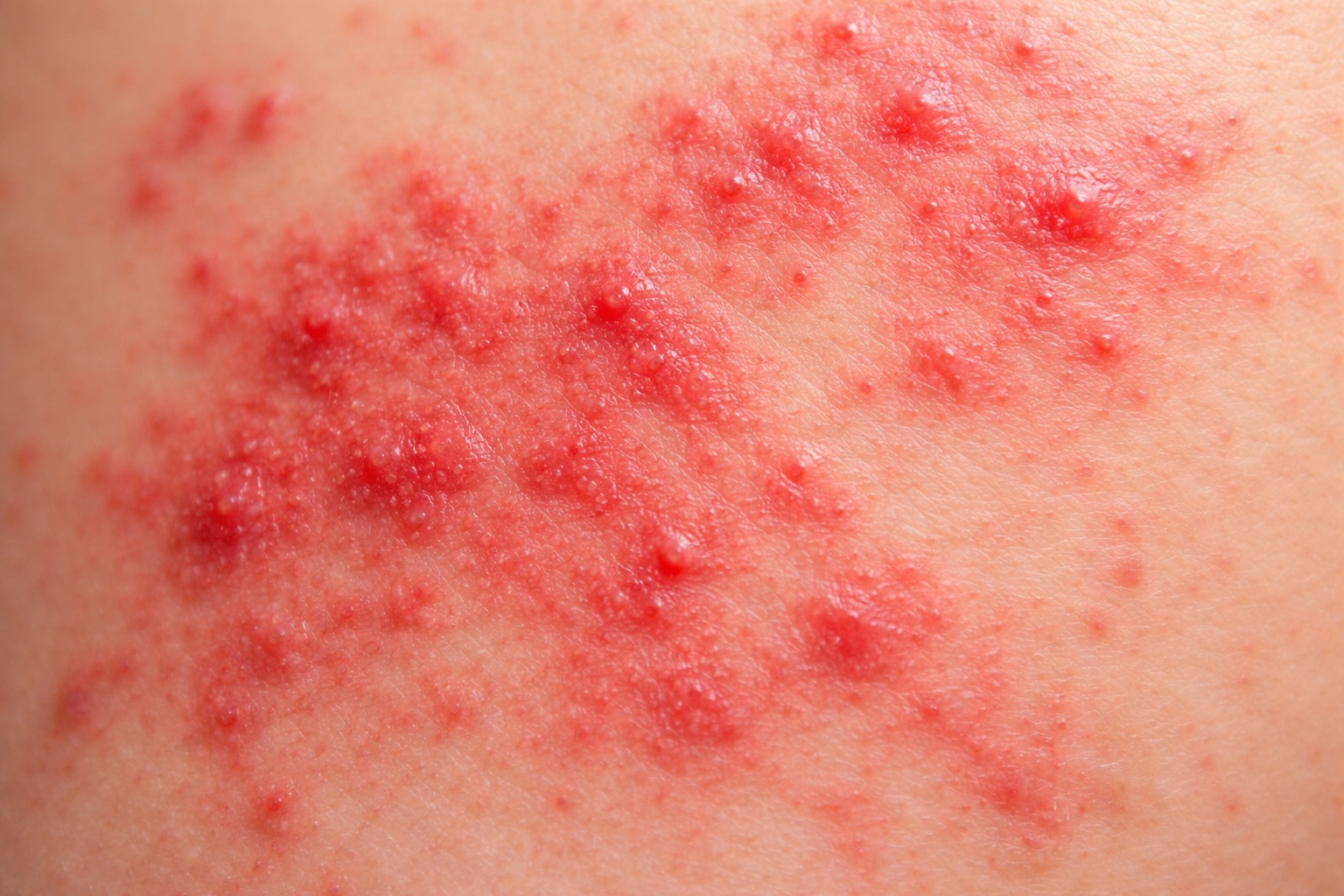
A rash on the genitals can be a worrying experience for many people. It often raises concerns about whether the condition is caused by a sexually transmitted disease (STD) or simply a common skin problem such as irritation, allergies, or a fungal infection.
While not all genital rashes are linked to STDs, it is important to understand the possible causes, symptoms, and warning signs that may indicate an infection requiring medical attention. Recognising these symptoms early can help prevent complications and ensure appropriate treatment.
This article explains the possible causes of genital rashes, their potential relationship with sexually transmitted infections, and the available treatment options.
Is a Genital Rash Always a Sign of an STD?
Not necessarily. A rash in the genital area can occur for many reasons, and in many cases, it is not related to sexually transmitted diseases.
Some common causes include:
- Skin irritation caused by shaving
- Allergic reactions to soap, detergents, or personal care products
- Fungal infections
- Skin conditions such as eczema or psoriasis
- Friction caused by tight clothing
However, in some situations, a rash on the genitals may also be a sign of a sexually transmitted disease (STD) such as genital herpes, syphilis, or HPV. For this reason, it is important to recognise symptoms that may require further medical evaluation by a healthcare professional.
Common Causes of Genital Rash
Rashes in the genital area can be caused by a variety of factors related to lifestyle, hygiene, skin sensitivity, or infection. Understanding these causes can help determine whether the condition is mild irritation or something that requires medical attention. Below are some of the most common causes.
1. Skin Irritation or Allergic Reaction
The skin in the genital area is extremely sensitive. Certain products may trigger irritation or allergic reactions.
Common causes include:
- Scented soap or body wash
- Shower gels
- Feminine hygiene products
- Latex condoms
- Sexual lubricants
Symptoms that may appear include:
- Redness
- Itching
- Dry or peeling skin
- Mild burning sensation
In many cases, symptoms improve once the irritating product is discontinued.
2. Fungal Infection (Candidiasis)
Fungal infections are among the most common causes of genital rashes, especially in women.
They occur when the Candida fungus grows excessively in warm and moist areas such as the genital region.
Common symptoms include:
- Red rash
- Intense itching
- Burning sensation
- Thick white discharge that resembles cottage cheese
In men, fungal infections can cause redness and itching around the head of the penis.
3. Rash Caused by Friction
Friction caused by tight clothing or unsuitable fabrics can irritate the skin and cause a rash.
This situation often occurs when:
- Wearing synthetic underwear
- Excessive sweating
- Engaging in physical activities such as sports
Repeated friction may lead to:
- Red rash
- Burning sensation
- Sensitive skin
Wearing looser clothing made from breathable materials such as cotton may help reduce this problem.
4. Folliculitis (Inflammation of Hair Follicles)
Folliculitis occurs when hair follicles become inflamed or infected by bacteria.
It commonly happens after:
- Shaving pubic hair
- Waxing
- Excessive friction
Common symptoms include:
- Small red bumps
- Small pus-filled pimples
- Mild itching or pain
This condition is usually not serious and often resolves with appropriate care or treatment.

Sexually Transmitted Diseases That Can Cause a Genital Rash
Although many cases of genital rash are not related to STDs, several sexually transmitted infections can cause visible skin changes in the genital area. Understanding these infections helps individuals recognise when medical evaluation may be necessary.
1. Genital Herpes
Genital herpes is caused by the Herpes Simplex Virus (HSV).
Symptoms usually include:
- Small fluid-filled blisters
- Painful sores
- Burning or stinging sensation
- Itching around the genital area
These blisters may burst and form ulcers before eventually healing. However, genital herpes can recur from time to time.
2. Syphilis
Syphilis is a bacterial infection transmitted through sexual contact.
In its early stage, it may cause:
- A small painless sore known as a chancre
- Skin rash
- Swollen lymph nodes
If left untreated, syphilis can lead to serious long-term health complications affecting multiple organs.
3. HPV (Human Papillomavirus)
HPV is one of the most common sexually transmitted infections worldwide.
Certain types of HPV can cause:
- Genital warts
- Small flesh-coloured or grey bumps
- Cauliflower-like growths
Although many HPV infections are harmless, some strains are associated with an increased risk of cervical cancer and other cancers.
4. Chlamydia and Gonorrhea
Although these infections more commonly cause internal symptoms such as pain during urination or abnormal discharge, they may sometimes lead to irritation or rash around the genital area.
Other symptoms that may occur include:
- Pain during urination
- Unusual genital discharge
- Lower abdominal pain
A medical examination is necessary to confirm the diagnosis.
Signs You Should See a Doctor
Not all rashes require immediate treatment. However, certain warning signs indicate that a medical evaluation is necessary.
These include:
- Rash that does not heal after several days
- Rash that continues spreading
- Painful blisters or sores
- Fever or fatigue
- Abnormal genital discharge
- Pain during urination
Early examination can help identify the underlying cause and ensure that appropriate treatment is provided.
How Doctors Diagnose a Genital Rash
Diagnosis usually begins with a physical examination by a doctor.
The doctor may:
- Examine the appearance and location of the rash
- Ask about the symptoms you are experiencing
- Review your medical history and sexual activity
In some cases, additional tests may be required, such as:
- Blood tests
- Swab tests
- Laboratory tests for bacterial or viral infections
These steps are important to ensure an accurate diagnosis.

Treatment for Genital Rash
Treatment depends on the underlying cause of the rash. Several treatment options may be recommended.
1. Topical Creams or Medication
For skin conditions such as irritation, eczema, or fungal infections, doctors may prescribe creams or ointments containing:
- Antifungal medication
- Antibacterial agents
- Anti-inflammatory medication
2. Antiviral Medication
If the rash is caused by genital herpes, antiviral medication may help reduce symptoms and speed up healing.
3. Antibiotics
For bacterial infections such as syphilis, chlamydia, or gonorrhoea, doctors will prescribe appropriate antibiotics. Early treatment can help prevent more serious complications.
How to Reduce the Risk of Genital Rash
Several steps can help maintain healthy skin in the genital area.
These include:
- Using mild fragrance-free soap
- Avoiding products that may cause irritation
- Wearing cotton underwear
- Changing clothes after sweating
- Avoiding overly tight clothing
- Practising safe sexual behaviour
Maintaining good hygiene and being aware of changes in the skin can help prevent more serious problems.
Conclusion: Persistent Genital Rash Should Be Checked
A rash on the genitals is not always a sign of a sexually transmitted disease, but it should not be ignored. This condition may be caused by various factors, such as irritation, fungal infections, or sexually transmitted infections such as herpes and syphilis.
If the rash does not go away, becomes worse, or is accompanied by other symptoms such as sores, pain, or abnormal discharge, seeking medical evaluation is the safest step.
Early detection helps ensure the correct treatment and prevents potential health complications in the future.
If you experience a rash or unusual changes in the skin around the genital area, seek professional evaluation at Dr Chong Clinic for accurate diagnosis and appropriate treatment.
Frequently Asked Questions (FAQ)
1. Is a genital rash always an STD?
No. Skin irritation, fungal infections, or allergic reactions cause many cases of genital rash. However, some STDs can also cause rashes.
2. How long does a genital rash usually take to heal?
If it is caused by mild irritation, the rash may heal within a few days. If it is caused by infection, medical treatment may be necessary.
3. Can a genital rash go away on its own?
Some mild rashes may resolve without treatment. However, if symptoms persist or worsen, medical evaluation is recommended.
4. When should I see a doctor for a genital rash?
You should see a doctor if the rash does not heal, worsens, or is accompanied by symptoms such as sores, fever, or pain when urinating.
*All images used in this article are AI-generated.