Blog
Sensitive Genitalia: Could It Be a Sign of an STD?

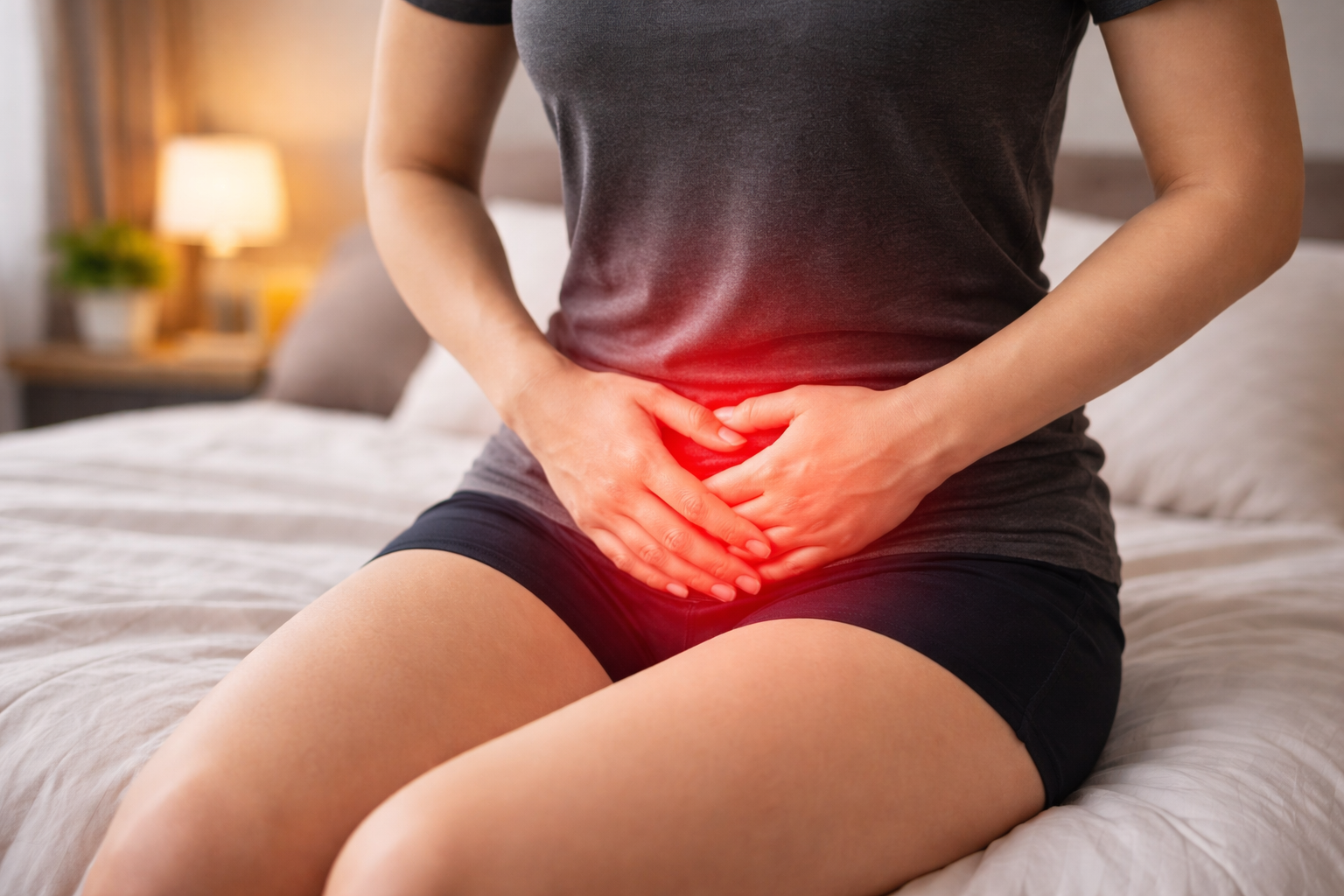
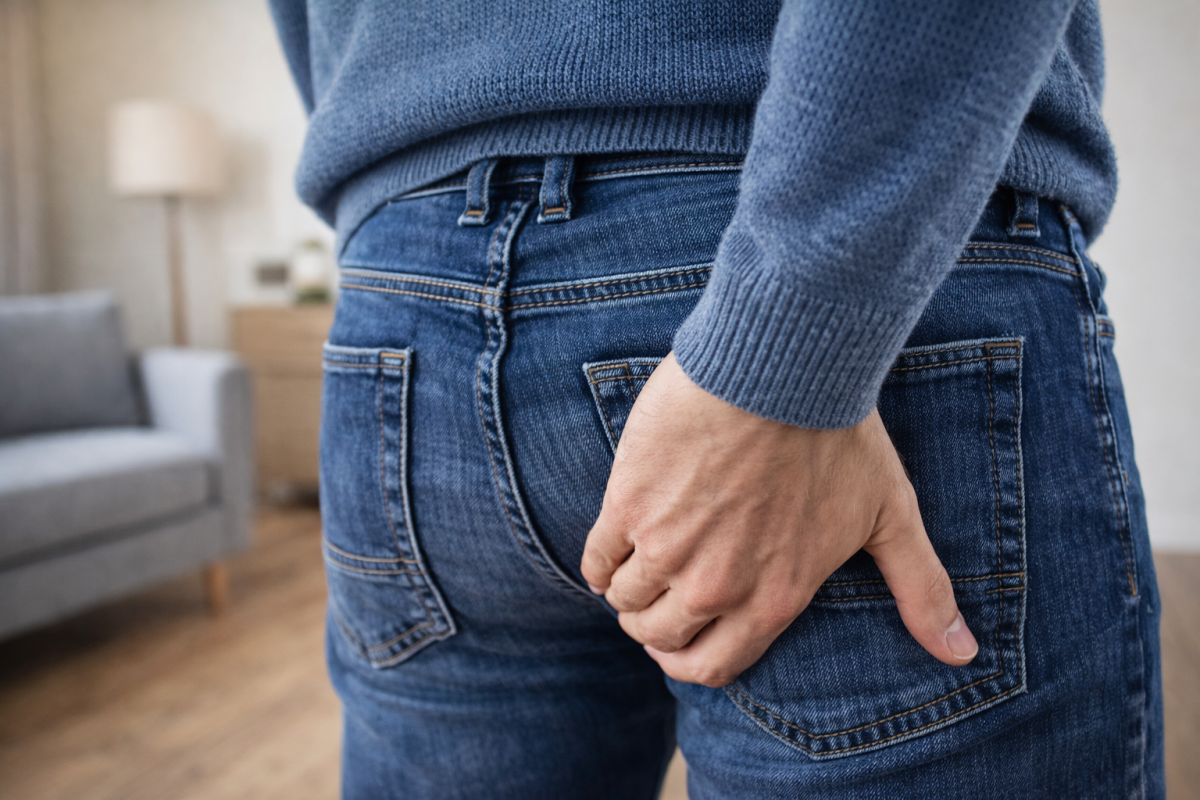
Noticing unusual sensitivity in the genital area can be uncomfortable and, for many people, a little worrying. Sometimes it is something minor, like irritation from tight clothing or a reaction to a product. But in other cases, it may point to something that needs medical attention, including a sexually transmitted infection (STI) or disease (STD).
Because early STD symptoms are often subtle, changes like increased sensitivity are easy to overlook. However, if the discomfort does not go away or feels unusual, it is worth paying attention. Acting early can make a big difference in both treatment and peace of mind.
What Does Sensitive Genitalia Feel Like?
People describe genital sensitivity in different ways. For some, it starts as mild irritation. For others, it becomes more noticeable and starts to interfere with daily comfort or intimacy. You might notice:
- Tenderness or soreness
- A burning or stinging feeling
- Increased sensitivity to touch
- Pain when urinating
- Discomfort during sex
- Redness or slight swelling
- Itching or irritation
This can affect areas such as the vulva, vagina, penis, scrotum, groin, or around the anus. Sometimes it is constant, and sometimes it only happens during certain activities like washing or intercourse. Not every case is caused by an STD, but if the sensation persists or feels out of the ordinary, it should not be ignored.
How STDs Can Cause Genital Sensitivity
The genital area contains delicate skin and a high number of nerve endings. When an infection is present, inflammation or small lesions can make the area feel more sensitive than usual. Here are some infections that are commonly linked to this symptom:
1. Genital Herpes
Genital herpes is a common cause of noticeable sensitivity. It is caused by the herpes simplex virus. Early signs may include:
- Tingling or burning before blisters appear
- Painful sores or ulcers
- Sensitivity during urination
- Swollen lymph nodes
Some people notice a warning phase before visible sores develop. Even when sores are not obvious, the virus can still be active.
2. Chlamydia and Gonorrhea
These bacterial infections may cause mild irritation that is easy to dismiss at first. Possible symptoms include:
- Burning during urination
- Unusual discharge
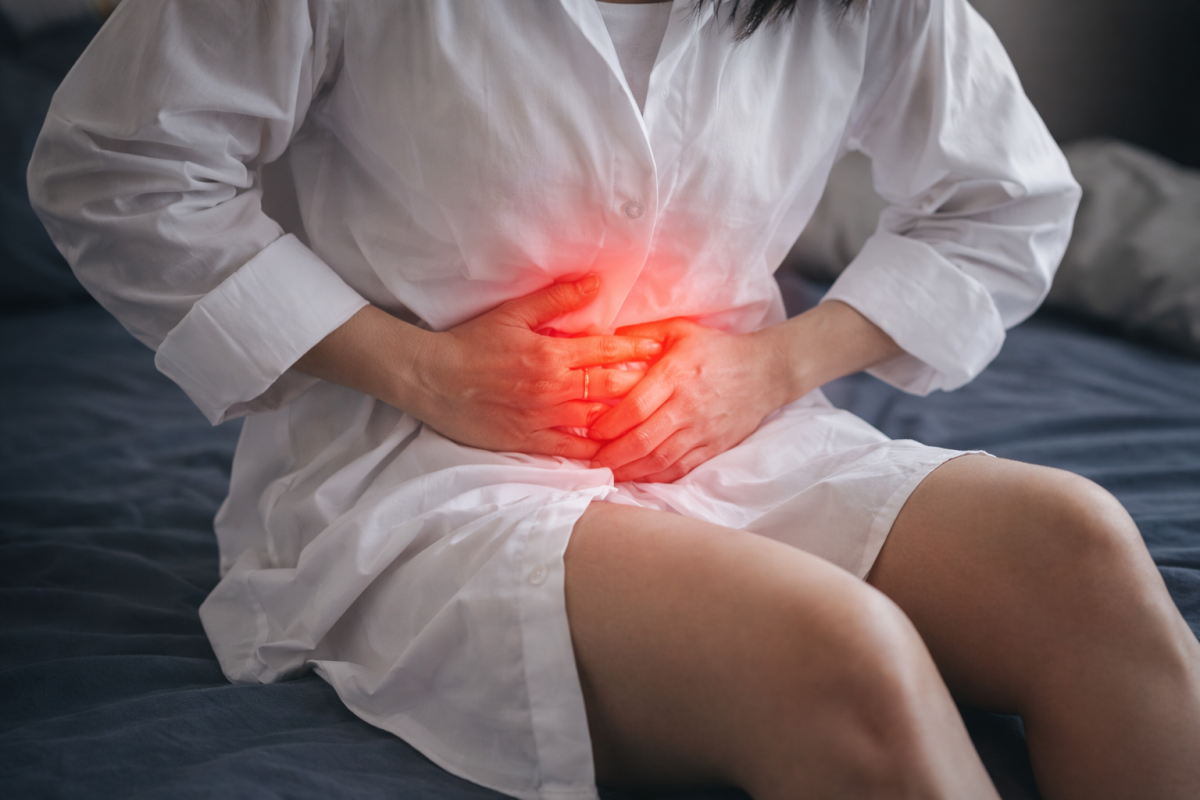
- Pelvic discomfort in women
- Testicular discomfort in men
It is also worth noting that many people have no clear symptoms at all, which is why testing matters.
3. Trichomoniasis
This is a parasitic infection that often causes irritation rather than severe pain. Women may experience:
- Vaginal burning or itching
- Discharge with an unusual smell
- Discomfort during intercourse
Men may notice only mild irritation or a slight burning sensation after urination or ejaculation. Because the symptoms can be subtle, it is often mistaken for something less serious.
4. Syphilis
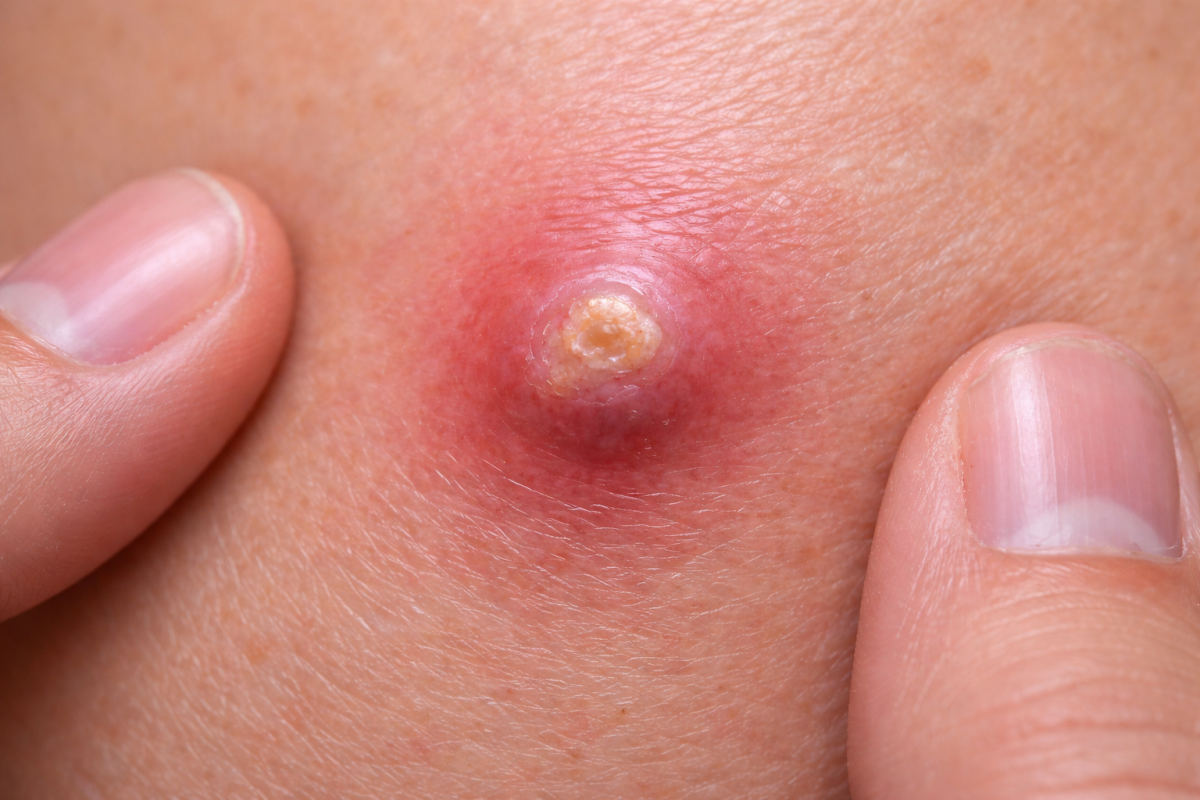
Syphilis often begins with a small sore known as a chancre. It is usually painless, but the surrounding area can feel sensitive. Because the sore may go unnoticed and can heal on its own, some people assume everything is fine. In reality, the infection can continue to develop if left untreated.
5. HPV Human Papillomavirus
HPV does not always cause noticeable symptoms. However, genital warts linked to certain strains may cause irritation or sensitivity, especially with friction from clothing or shaving.

Why STD Related Sensitivity Should Not Be Ignored
Genital sensitivity might seem minor at first, but it can sometimes be an early sign of infection. If left unchecked, certain STDs can lead to complications such as:
- Pelvic inflammatory disease (PID)
- Fertility issues
- Chronic pelvic pain
- Increased risk of HIV
- Transmission to partners
Catching a problem early usually means simpler treatment and fewer long-term effects.
Other Possible Causes of Sensitive Genitalia
It is important to remember that not all cases are linked to STDs. There are several other common causes, including:
- Yeast infections
- Urinary tract infections (UTIs)
- Bacterial vaginosis
- Skin reactions to soaps or detergents
- Allergies to condoms or lubricants
- Hormonal changes (such as menopause or postpartum)
- Friction from tight clothing
Because these conditions can feel very similar to early STD symptoms, guessing the cause on your own is not always reliable.
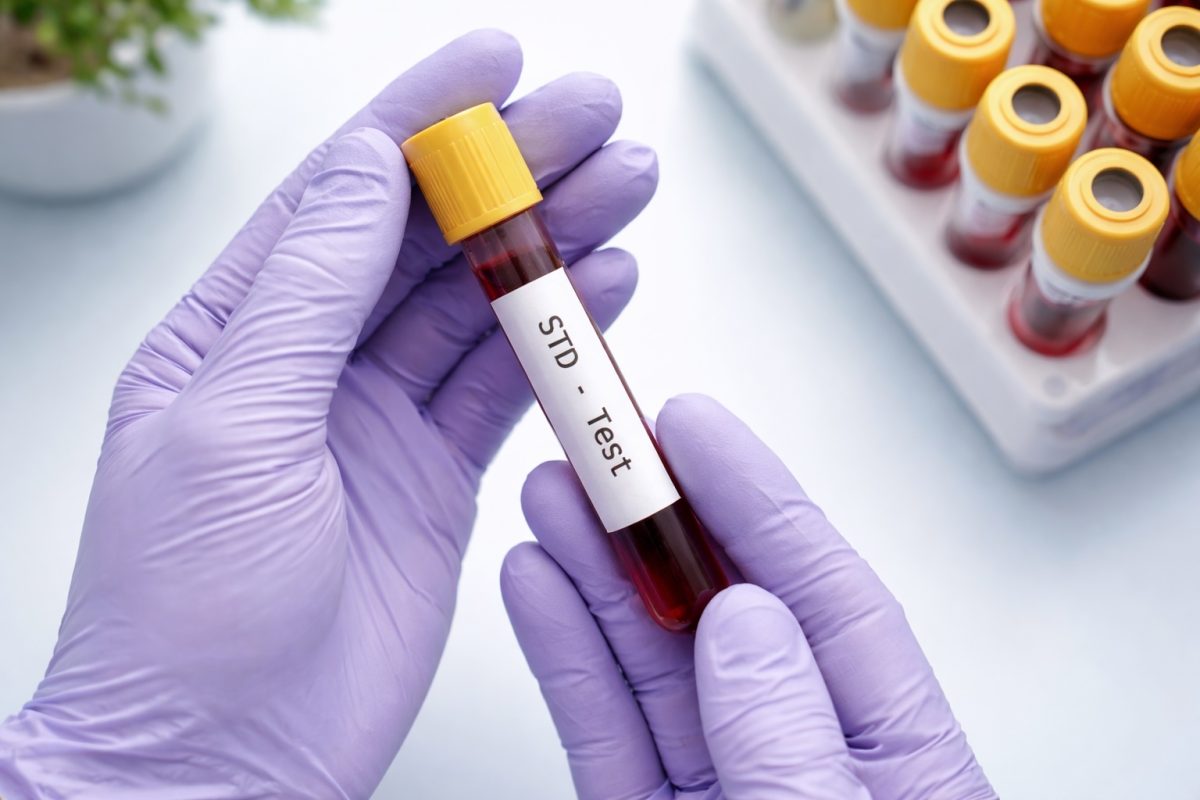
When Should You Get Tested?
It is a good idea to consider testing if:
- The sensitivity lasts more than a few days
- You notice discharge, sores, or blisters
- There is a burning feeling when urinating
- You have a new or multiple partners
- A partner has tested positive
- You have had unprotected sex
- You are unsure about your risk
Even mild or occasional symptoms can be worth checking, especially if they are new.
How STDs Are Diagnosed
Getting a proper diagnosis is usually straightforward. Depending on your symptoms, a doctor may recommend:
- Urine tests
- Swab tests from affected areas
- Blood tests for infections such as HIV or syphilis
- A physical examination
These tests help identify the exact cause so that the right treatment can be given.
Can Condoms Prevent STD Related Sensitivity?
Condoms reduce the risk of many STDs, especially those spread through bodily fluids. However, they do not cover all skin, which means infections like herpes, HPV, or syphilis can still spread through contact outside the covered area. They are still one of the most effective protective tools, but they work best when combined with regular screening.
Protecting Your Sexual Health
If you notice unusual sensitivity, it is best to avoid making assumptions or trying multiple treatments on your own. A better approach would be:
- Get a proper medical evaluation
- Avoid sexual contact until you know the cause
- Inform partners if needed
- Follow the treatment fully if prescribed
This helps prevent complications and reduces the risk of passing infections to others.
The Importance of Early Care
Many STDs are manageable or curable when caught early. Bacterial infections can often be treated with antibiotics, while viral infections can be controlled effectively with medication. Seeking care early not only relieves symptoms but also helps prevent more serious issues later on.

Listen to Your Body and Get Tested
Genital sensitivity may seem like a small issue, but it can sometimes be an early warning sign. Because different conditions can feel similar, testing is the safest way to get clarity. If something does not feel right, it is better to check than to wait. Dr Chong Clinic provides confidential STD and STI screening, accurate diagnosis, and personalised treatment.
Frequently Asked Questions (FAQs)
1. Can sensitive genitalia be the first sign of an STD?
Yes. Some infections can cause mild burning, tingling, or soreness before other symptoms appear.
2. How do I know if genital sensitivity is caused by an STD or something else?
It is difficult to know based on symptoms alone. If it persists or worsens, testing is recommended.
3. Can you have an STD without visible sores or discharge?
Yes. Many STDs do not show clear signs, especially in the early stages.
4. When should I see a doctor for genital sensitivity?
If symptoms last, return, or are accompanied by discharge, sores, or pain, it is best to get checked.
*All images used in this article are AI-generated.