Blog
Do Birth Control Pills Prevent STDs? What You Need to Know

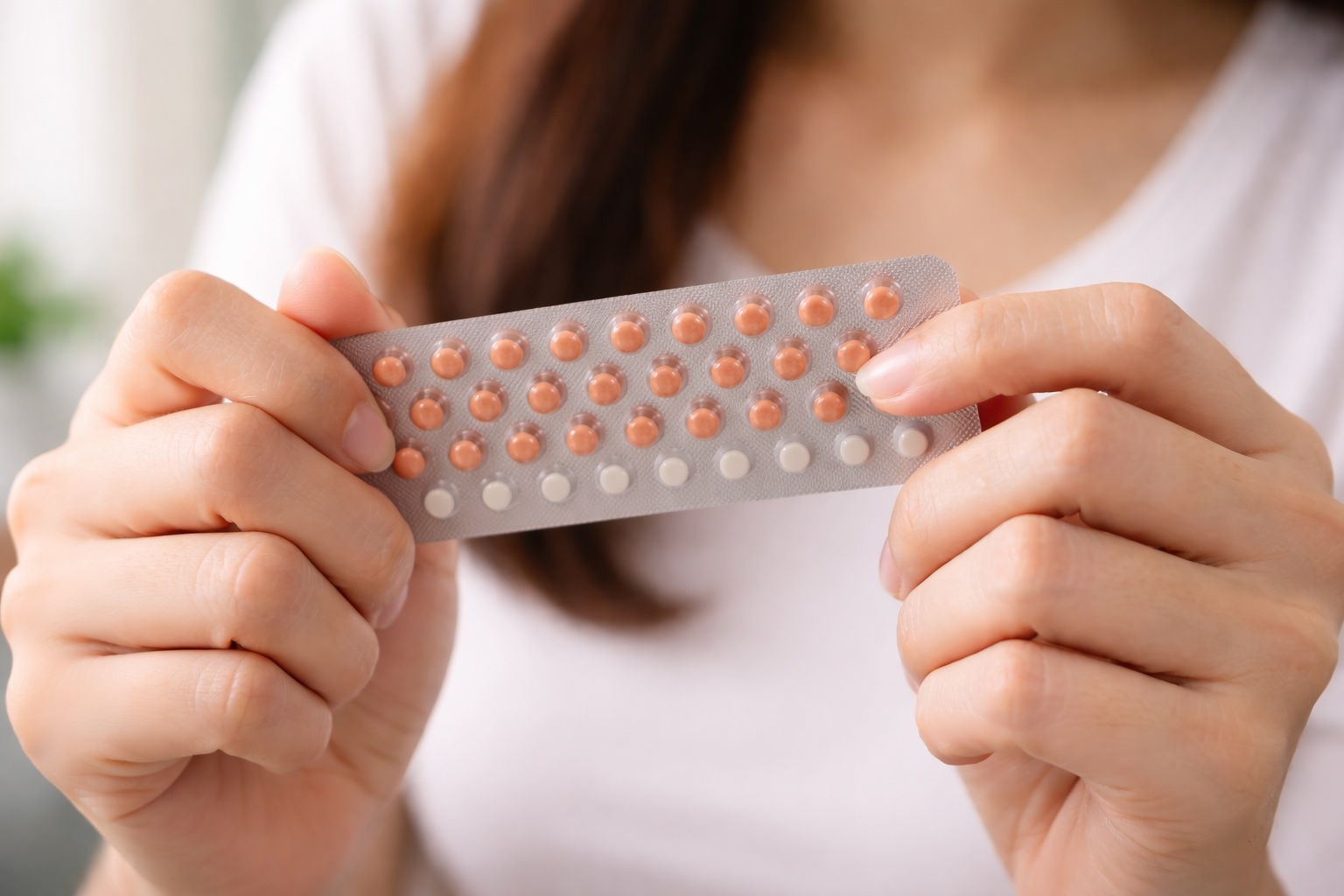
Birth control pills are widely used for preventing pregnancy, but there is often confusion about whether they also protect against sexually transmitted diseases (STDs). This misunderstanding can lead to unintended health risks, especially for individuals who assume they are fully protected during sexual activity.
While oral contraceptives are effective in regulating hormones and preventing ovulation, they do not offer protection against infections. Understanding the difference between pregnancy prevention and infection control is essential for maintaining overall sexual health.
What Do Birth Control Pills Actually Do?
Birth control pills, also known as oral contraceptives, work by altering hormone levels in the body. They primarily prevent pregnancy by:
- Stopping ovulation
- Thickening cervical mucus to block sperm
- Thinning the uterine lining
These mechanisms are highly effective for contraception when taken correctly. However, they do not create any physical barrier against bacteria, viruses, or parasites that cause infections.
This is where confusion often arises. Preventing pregnancy and preventing infections are two completely different processes, which is why understanding the difference between an STD and an STI is important when discussing protection.
Do Birth Control Pills Protect Against STDs?
The short answer is no. Birth control pills do not prevent sexually transmitted infections. STDs are typically spread through bodily fluids or skin-to-skin contact. Because oral contraceptives do not block this exposure, infections can still be transmitted even when pregnancy is prevented.
This means individuals using only birth control pills may still be at risk of infections such as chlamydia, gonorrhea, HIV and syphilis. Without protective measures, transmission can occur even if there are no visible symptoms.
Why This Misconception Is Common
Many people associate birth control with overall sexual protection, which can lead to misunderstandings. This belief is often influenced by:
- Lack of comprehensive sex education
- Assumptions that all contraceptives prevent infection
- Focus on pregnancy prevention rather than infection risk
Because some STDs do not show symptoms immediately, individuals may not realise they are at risk. In fact, early signs of STD or STI tend to be mild and easily overlooked. This can create a false sense of security, especially among those relying solely on hormonal contraception.
What Actually Helps Prevent STDs?
Unlike birth control pills, certain protective methods reduce the risk of infection by limiting exposure during sexual activity.
Barrier methods, particularly condoms, play a key role in prevention. Understanding how condoms can prevent STDs and STIs highlights why they are considered one of the most effective protective options.
In addition to protection, regular testing is essential. Since many infections are asymptomatic, screening helps detect issues early before complications develop.
The Role of Regular STD Testing
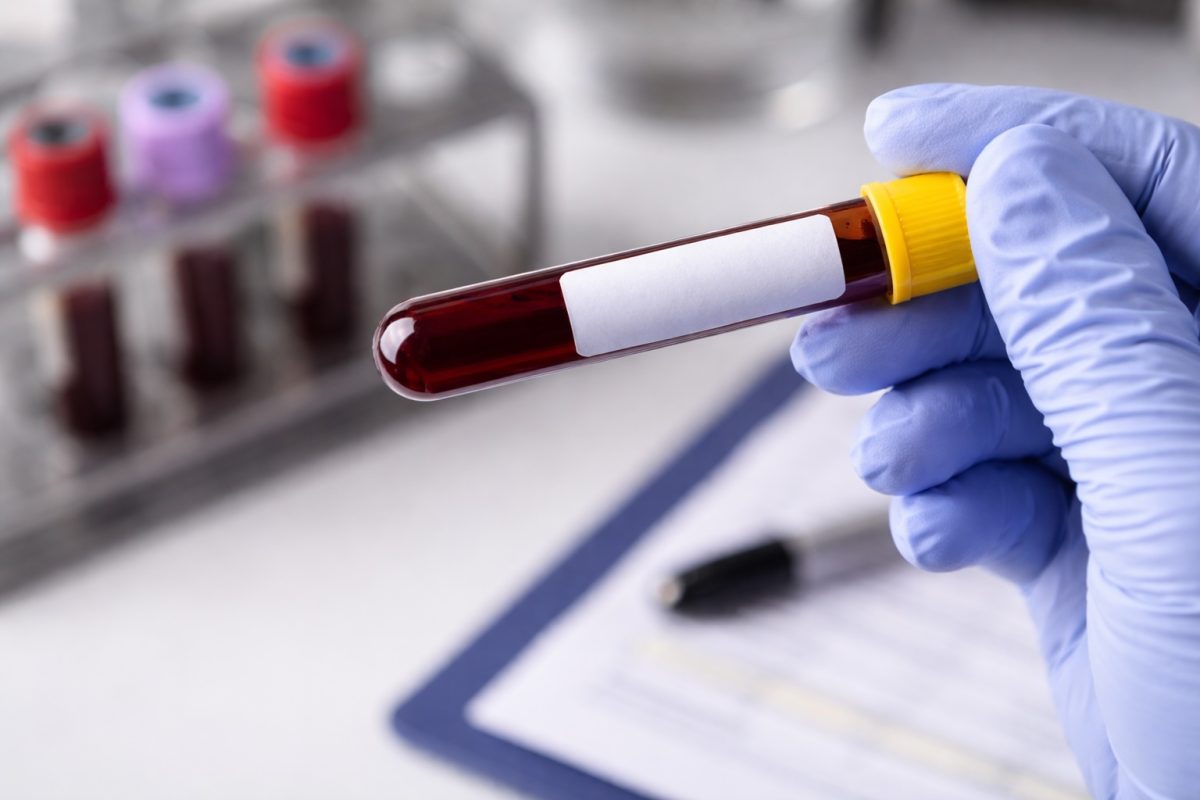
Even when using protection, testing remains a crucial part of maintaining sexual health. This is because no method is 100% effective, and some infections can still be transmitted through skin contact. Routine screening through a STD test or a rapid STD test allows for early detection and timely treatment. Testing is especially important for individuals who:
- Have multiple partners
- Are starting a new relationship
- Experience unusual symptoms
- Have had unprotected sex
Being proactive with testing reduces the risk of complications and helps prevent transmission to others.
Can You Use Birth Control Pills and Still Stay Protected?
Yes, but birth control pills should be combined with other protective measures. This approach is often referred to as dual protection, where one method prevents pregnancy and another reduces infection risk. For example, using oral contraceptives alongside condoms provides both pregnancy prevention and protection against STDs.
Relying on a single method may leave gaps in protection, especially when it comes to infections that spread through direct contact.
Symptoms You Should Not Ignore
Even if you are using birth control pills, it is important to be aware of symptoms that may indicate an infection. These can vary depending on the condition but may include:
- Unusual discharge
- Pain during urination
- Sores or lesions
- Persistent itching or irritation
For instance, a burning sensation on the genitals may be linked to an underlying infection and should not be ignored. Seeking medical advice early can prevent symptoms from worsening.
When Should You See a Doctor?
You should consider consulting a healthcare provider if you notice any unusual symptoms or have concerns about your sexual health. Even in the absence of symptoms, routine check-ups can provide reassurance and early detection. Understanding how STDs and STIs spread can also help you assess your level of risk and decide when testing is necessary.

Birth Control Pills vs STD Protection
Birth control pills are highly effective for preventing pregnancy, but they do not protect against sexually transmitted infections. Confusing these two functions can lead to unintended health risks. To stay fully protected, it is important to combine contraception with preventive measures and regular testing. At Dr Chong Clinic, patients can access:
- Confidential consultations
- Comprehensive STD screening
- Personalised treatment plans
- Fast and accurate test results
Book a consultation with Dr Chong Clinic today to take control of your sexual health and ensure you are properly protected.
Frequently Asked Questions (FAQs)
1. Do birth control pills protect against STDs?
No, birth control pills only prevent pregnancy and do not protect against infections.
2. What is the best way to prevent STDs?
Using protection such as condoms and undergoing regular testing are the most effective ways.
3. Can you get an STD while on the pill?
Yes, infections can still be transmitted even when using birth control pills.
4. Should I still get tested if I use contraception?
Yes, regular testing is recommended regardless of the type of contraception used.
*All images used in this article are AI-generated.