Blog
How to Reduce Your Risk of STDs and STIs? Practical Steps


Sexually transmitted diseases (STDs) and sexually transmitted infections (STIs) remain a common health concern, affecting individuals across all age groups. While they are often discussed interchangeably, understanding the distinction between STDs and STIs can help you better understand how infections develop and progress.
Reducing your risk is not about a single solution. It involves a combination of awareness, preventive habits, and regular health checks. By taking a proactive approach, you can significantly lower your chances of exposure and protect both your health and your partner’s.
Understanding How STDs and STIs Spread
Before exploring prevention, it is important to understand how infections are transmitted. Most STDs spread through vaginal, oral, or anal sex, but some can also be passed through skin-to-skin contact or bodily fluids.
Understanding how STDs and STIs spread makes it easier to identify risk factors and take appropriate precautions. Because some infections can spread even without visible symptoms, relying solely on how you feel is not always enough to assess risk.
Use Protection Consistently
One of the most effective ways to reduce your risk is by using protection during sexual activity. Barrier methods, such as condoms, help reduce exposure to infected fluids and skin contact.
Knowing whether condoms can prevent STDs and STIs is important, as they significantly lower the risk when used correctly and consistently. However, it is also important to understand that no method offers 100% protection. This is why combining multiple preventive measures is recommended.
Limit Your Number of Sexual Partners
The more partners you have, the higher your potential exposure to infections. While this does not mean avoiding relationships, being mindful of your sexual network can reduce overall risk.
Open communication with partners about sexual health, testing history, and protection can help create a safer environment for both individuals.
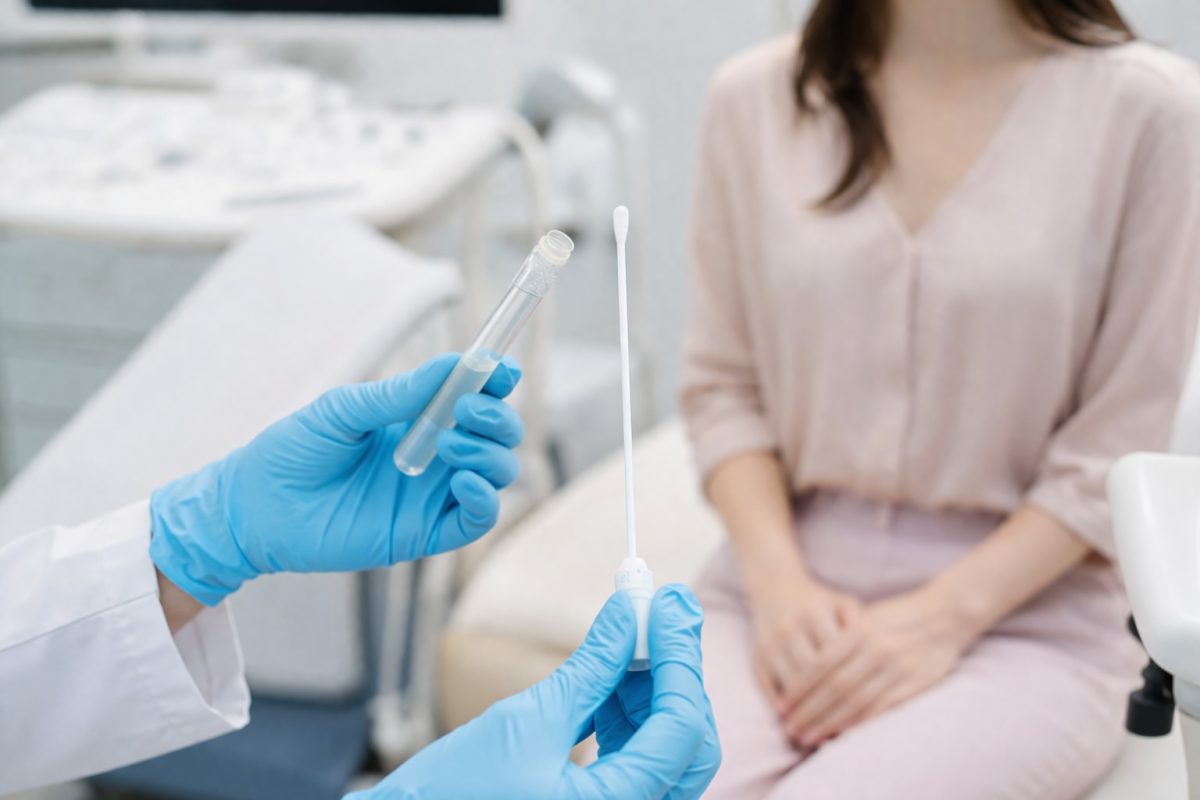
Get Tested Regularly
Regular testing is one of the most important steps in reducing STD risk. Many infections do not show symptoms, which means individuals may unknowingly carry and transmit them. A routine STD test or rapid STD test allows for early detection and treatment. Testing is especially important if you:
- Start a new relationship
- Have multiple partners
- Experience unusual symptoms
- Have had unprotected sex
Early detection helps prevent complications and reduces the risk of spreading infections.
Recognise Early Warning Signs
Even though some infections are asymptomatic, others may present subtle symptoms that should not be ignored. In many cases, early signs of STD or STI can be mild and easily dismissed. These may include slight discomfort, unusual discharge, or irritation. Paying attention to these changes allows you to seek medical advice before the condition worsens.
Avoid Risky Behaviours
Certain behaviours increase the likelihood of exposure to infections. These include:
- Unprotected sex
- Multiple concurrent partners
- Delaying testing after symptoms appear
- Ignoring previous diagnoses
Being aware of these risks helps you make better decisions and reduces unnecessary exposure.
Understand That Birth Control Does Not Prevent STDs
Many people assume that contraception methods such as pills offer full protection, but this is not the case. Birth control pills are designed to prevent pregnancy, not infections. They do not protect against bacteria, viruses, or parasites transmitted during sexual activity. This is why combining contraception with protective methods like condoms is essential.
Vaccination and Preventive Care
Some infections can be prevented through vaccination. For example, vaccines are available for certain conditions that affect long-term health. Understanding infections such as HPV and hepatitis B highlights the importance of preventive care in reducing risk. Consulting a healthcare provider about vaccination options can provide additional protection.
Maintain Good Personal Hygiene
While hygiene alone cannot prevent STDs, it plays a supporting role in overall health. Keeping the genital area clean and monitoring for changes can help you notice symptoms early.
For instance, irritation or discomfort, such as a burning sensation on the genitals, may indicate an underlying issue that requires attention. Good hygiene habits complement other preventive measures rather than replace them.
Seek Medical Advice When Needed
If you experience symptoms or suspect exposure, seeking medical advice promptly is essential. Delaying treatment can lead to complications and increase the risk of transmission. Even in the absence of symptoms, regular check-ups provide reassurance and help maintain long-term health.
A Combined Approach Works Best
Reducing the risk of STDs is not about relying on a single method. It involves combining multiple strategies, including:
- Consistent use of protection
- Regular testing
- Open communication with partners
- Awareness of symptoms
- Preventive healthcare
By taking a holistic approach, you create multiple layers of protection that significantly lower your risk.

Take Control of Your Sexual Health
Reducing your risk of STDs and STIs starts with awareness and consistent action. While no method guarantees complete protection, combining preventive strategies can greatly reduce your chances of infection. Staying informed, getting tested regularly, and making responsible choices all contribute to better long-term health. At Dr Chong Clinic, patients can expect:
- Confidential consultations
- Comprehensive screening services
- Personalised treatment plans
- Fast and accurate test results
Contact Dr Chong Clinic today and take a proactive step toward protecting your health.
Frequently Asked Questions (FAQs)
1. What is the best way to prevent STDs?
Using protection, limiting partners, and regular testing are the most effective strategies.
2. Can STDs be prevented completely?
No method is 100% effective, but combining preventive measures significantly reduces risk.
3. How often should I get tested?
Testing frequency depends on your risk level, but regular screening is recommended.
4. Do symptoms always appear?
No, many infections can remain asymptomatic, making testing essential.
*All images used in this article are AI-generated.