Blog
Can You Test Too Early for STDs?

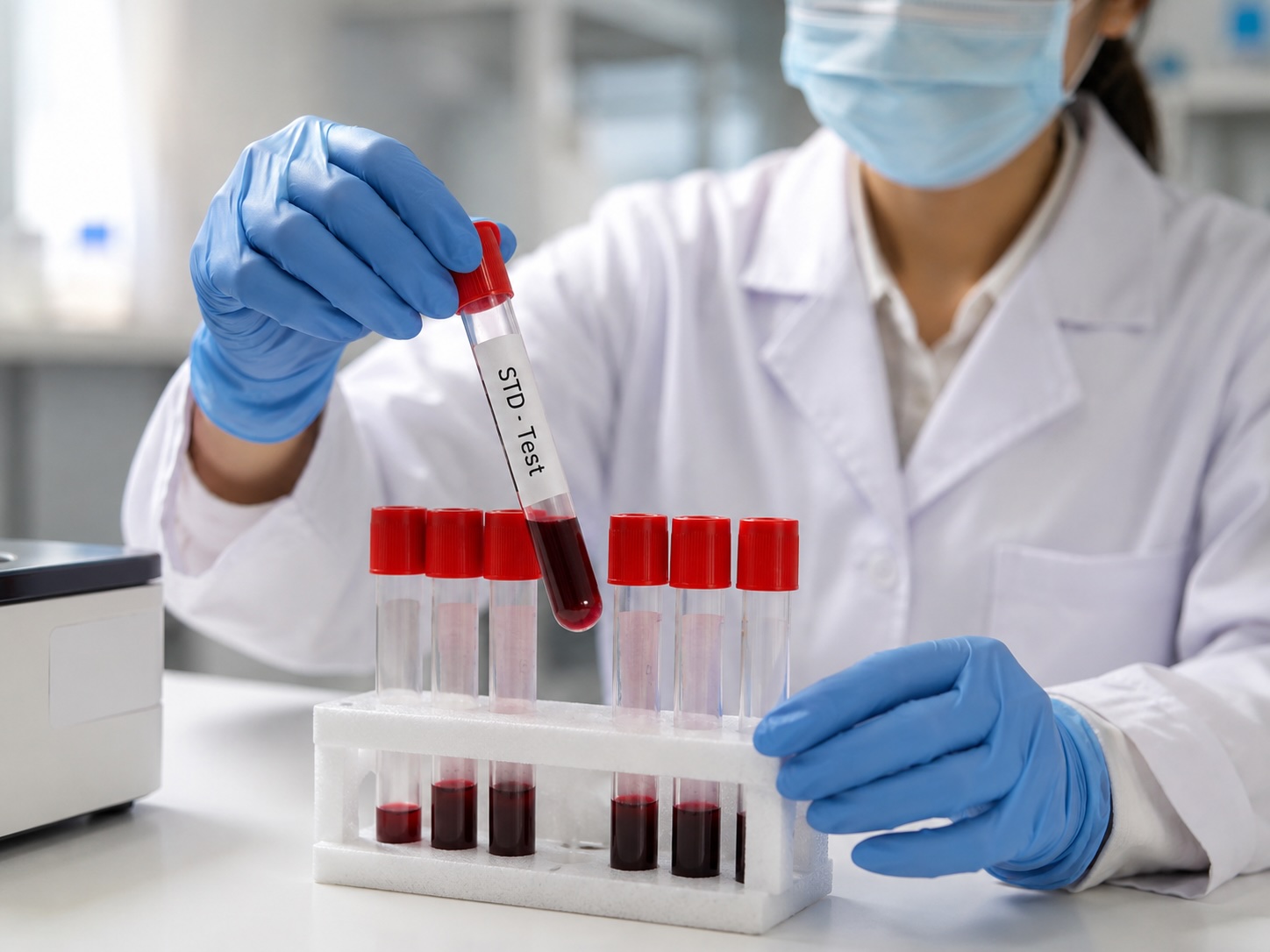
Yes, you can test too early for sexually transmitted diseases. If you take a test immediately after possible exposure, the infection may not have reached a detectable level yet. This period is known as the window period, and it varies depending on the type of infection and the test used.
Testing early can still be useful in some situations, especially if you have symptoms, but a negative result may not always mean you are fully clear. Follow-up testing may be needed to confirm your status.
What Does Testing Too Early Mean?
Testing too early means taking an STD test before the infection can be detected accurately. After exposure, your body may need time to produce enough bacteria, antibodies, or antigens for the test to identify. This is why someone may test negative shortly after exposure but test positive later. The result depends on the infection, timing, and type of test.
What Is the STD Window Period?
The window period is the time between possible exposure and when a test can reliably detect an infection. Different sexually transmitted infections have different window periods.
For example, bacterial infections may be detectable earlier, while viral infections may take longer because the body needs time to produce detectable markers. Understanding how long it takes for std symptoms to appear can also help, but symptoms and test accuracy do not always follow the same timeline.
Why Early STD Testing May Give a False Negative
A false negative happens when the test result says you do not have an infection, even though the infection is present. This can happen if there is not enough detectable material in your sample at the time of testing. Common reasons include:
- Testing too soon after exposure
- Using the wrong test for the infection
- Not collecting the correct sample type
- Testing before antibodies develop
- Having no symptoms during the early stage
This is why concerns around rapid std test should always consider timing and medical advice.
When Should You Test After Possible Exposure?
The best time to test depends on the type of infection. Some infections may be detected within a few days, while others may require several weeks. In general, you should seek medical advice if you had unprotected sex, a condom broke, your partner tested positive, or you notice symptoms. A doctor may recommend an initial test followed by repeat testing.
Common STDs and Testing Timing
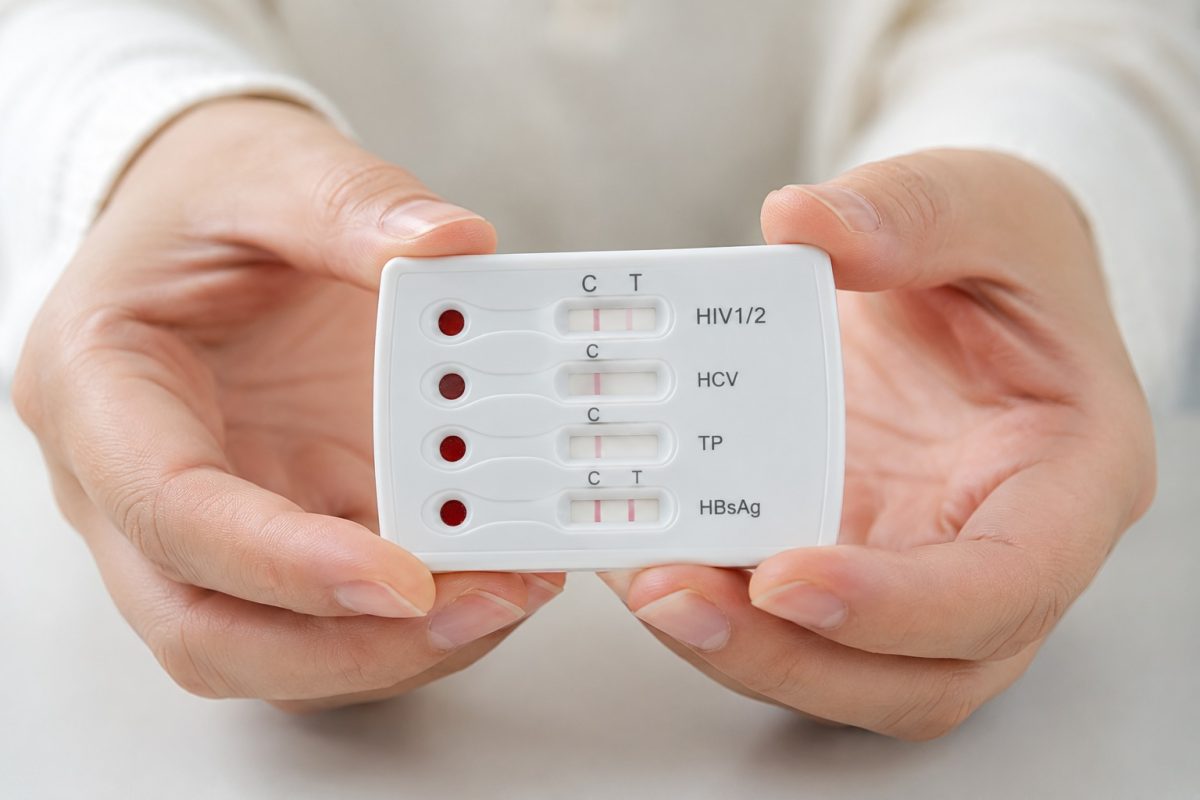
Some sexually transmitted infections can be detected earlier than others. Here are common examples.
Chlamydia
Chlamydia may not cause symptoms, but it can still spread and lead to complications if left untreated. Testing is commonly done using a urine sample or swab. If you test too early, your doctor may advise repeat testing depending on your exposure risk and symptoms.
Gonorrhea
Gonorrhea may cause discharge, pelvic discomfort, or pain during urination. Like chlamydia, it is often tested through urine or swab samples. Because symptoms can overlap with other conditions, testing at the right time is important for accurate diagnosis.
Syphilis
Syphilis is usually detected through blood testing, but early infection may not show up immediately. Some people may first notice sores or rashes before receiving a confirmed result. If there are possible signs you may have syphilis, medical evaluation should not be delayed.
HIV
HIV testing depends on the type of test used. Some tests detect antigens earlier, while antibody tests may take longer to become positive. A doctor may recommend repeat testing to confirm the result, especially after recent exposure. Knowing the difference between hiv and aids can also help patients understand why early diagnosis matters.
Genital Herpes
Genital herpes can be tested using swabs from active sores or blood tests. Testing without symptoms can sometimes be harder to interpret, especially if exposure was recent. Some herpes symptoms may resemble cold sores around mouth depending on the virus type involved.
HPV
HPV can remain silent for a long time. Some strains may cause genital warts, while high-risk strains may be linked to cancer-related changes. Because HPV does not always show immediate symptoms, screening recommendations may differ depending on age, sex, and risk factors.
Should You Test If You Have Symptoms?
Yes, you should get tested if you have symptoms, even if exposure was recent. Symptoms may indicate an active infection or another condition that requires treatment. Possible warning signs include:
- Genital discharge
- Genital ulcers
- Genital itching
- Genital swelling
- Rash on genitals
- Burning sensation on genitals
- Pain during sex
These symptoms may also overlap with yeast infection, genital fungal infection, or uti symptoms, which is why proper diagnosis matters.
Can You Rely on Symptoms Alone?
No, symptoms alone are not enough to confirm or rule out an infection. Many sexually transmitted infections can be silent, especially in the early stages.
Relying only on visible symptoms may delay treatment and increase the risk of spreading the infection. This is why you should not self-diagnose STIs or STDs is an important topic for anyone concerned about exposure.
What If Your First STD Test Is Negative?
A negative result can be reassuring, but it may not be final if the test was done during the window period. Your doctor may advise repeat testing after a certain number of days or weeks. You should avoid sexual contact or use protection while waiting for confirmation, especially if your exposure was recent or your partner’s status is unknown.
How to Reduce Your Risk While Waiting
While waiting for accurate results, it is important to reduce the risk of transmission. Practical steps include:
- Avoid sexual activity until medically advised
- Use condoms correctly
- Inform recent partners if testing is recommended
- Avoid sharing sex toys without proper cleaning
- Complete all prescribed treatment if diagnosed
Test at the Right Time for Reliable Results
Testing too early for STDs can lead to inaccurate results, especially if the infection is still within the window period. While early testing may be useful after symptoms or high-risk exposure, follow-up testing is often needed to confirm your status.
The safest approach is to seek medical advice based on your exposure timeline, symptoms, and risk level. Proper testing helps detect infections early, prevent complications, and reduce transmission to others.
At Dr Chong Clinic, experienced doctors provide confidential std screening, diagnosis, and personalised treatment plans. If you are worried that you may have tested too early or were recently exposed, book an appointment for proper guidance and follow-up testing.
Frequently Asked Questions (FAQs)
1. Can you test too early for STDs?
Yes, you can test too early for STDs if the infection is still within the window period. A test done too soon may not detect the infection yet, which can lead to a false negative result.
2. What happens if my std test is negative but I tested early?
A negative result after early testing may not be final. Your doctor may recommend repeat testing after the window period to confirm whether an infection is present.
3. Should I get tested immediately after unprotected sex?
You can seek medical advice immediately after unprotected sex, especially if the exposure was high risk. However, some std tests may need to be repeated later for accurate confirmation.
4. Do std symptoms always appear before a positive test?
No, std symptoms do not always appear before a positive test. Some infections may cause no symptoms at all, while others may be detectable through testing before noticeable signs develop.
*All images used in this article are AI-generated.