Blog
Can STDs Become Chronic Conditions?


Many people assume that sexually transmitted infections disappear completely after treatment. While some infections can be cured with medication, others may persist long-term and require ongoing management. In some cases, untreated infections may also lead to chronic health complications that affect overall well-being, fertility, and quality of life.
Understanding which sexually transmitted infections can become chronic conditions is important for recognising symptoms early, reducing complications, and seeking proper medical care.
Understanding Chronic STDs
A chronic condition is a health issue that persists over time or requires long-term management. Certain sexually transmitted infections can stay in the body even after symptoms improve, while others may cause permanent complications if treatment is delayed.
Some infections remain active in the body, while others enter a dormant phase and reactivate later. Viral infections are more likely to become chronic than bacterial infections.
Which STDs Can Become Chronic?
Certain sexually transmitted infections can remain in the body long term, even after symptoms improve. Some may cause recurring flare-ups, while others can lead to chronic health complications if left untreated. Understanding these infections can help support earlier diagnosis, proper treatment, and long-term management.
HIV
HIV is one of the most well-known chronic sexually transmitted infections. Although modern treatment allows many people to live long and healthy lives, the virus currently has no complete cure.
Without proper treatment, HIV may weaken the immune system and progress into more severe stages. Early diagnosis and long-term medical management are essential for reducing complications and improving quality of life.
Genital Herpes
Genital herpes is caused by the herpes simplex virus, which remains in the body after infection. Symptoms may come and go over time, especially during periods of stress, illness, or a weakened immune system.
Some individuals may experience recurring sores similar to cold sores around the mouth, depending on the type of herpes virus involved. Although antiviral medication can help manage outbreaks, the virus itself usually remains lifelong.
HPV
HPV is extremely common and includes many different strains. While some infections clear naturally, others may persist and increase the risk of conditions such as genital warts or cancers affecting the cervix, anus, throat, or genitals.
Persistent hpv infections are one reason why discussions surrounding whether STDs can cause cancer are medically important.
Hepatitis B and Hepatitis C
Both hepatitis B and hepatitis C can become chronic viral infections that affect the liver. Long-term complications may include liver scarring, liver failure, or liver cancer. Some people may not notice symptoms for years, making regular testing important for individuals at risk.
Can Curable STDs Cause Long-Term Problems?
Even sexually transmitted infections that are considered curable may still cause chronic complications if left untreated. Concerns involving untreated STDs often relate to reproductive damage, chronic pain, and inflammatory conditions.
Chlamydia and Gonorrhea
Chlamydia and gonorrhoea are bacterial infections that can usually be treated successfully with antibiotics. However, delayed treatment may lead to infertility or conditions associated with pelvic inflammatory disease (PID). Some individuals may also experience urinary symptoms resembling UTI symptoms even after infection-related complications develop.
Syphilis
Syphilis progresses through multiple stages and may eventually damage the brain, nerves, heart, and other organs if left untreated. Some people only realise they may be infected after noticing signs you may have syphilis. Although treatment can stop the infection, complications from late-stage disease may sometimes be irreversible.
Symptoms That Should Not Be Ignored
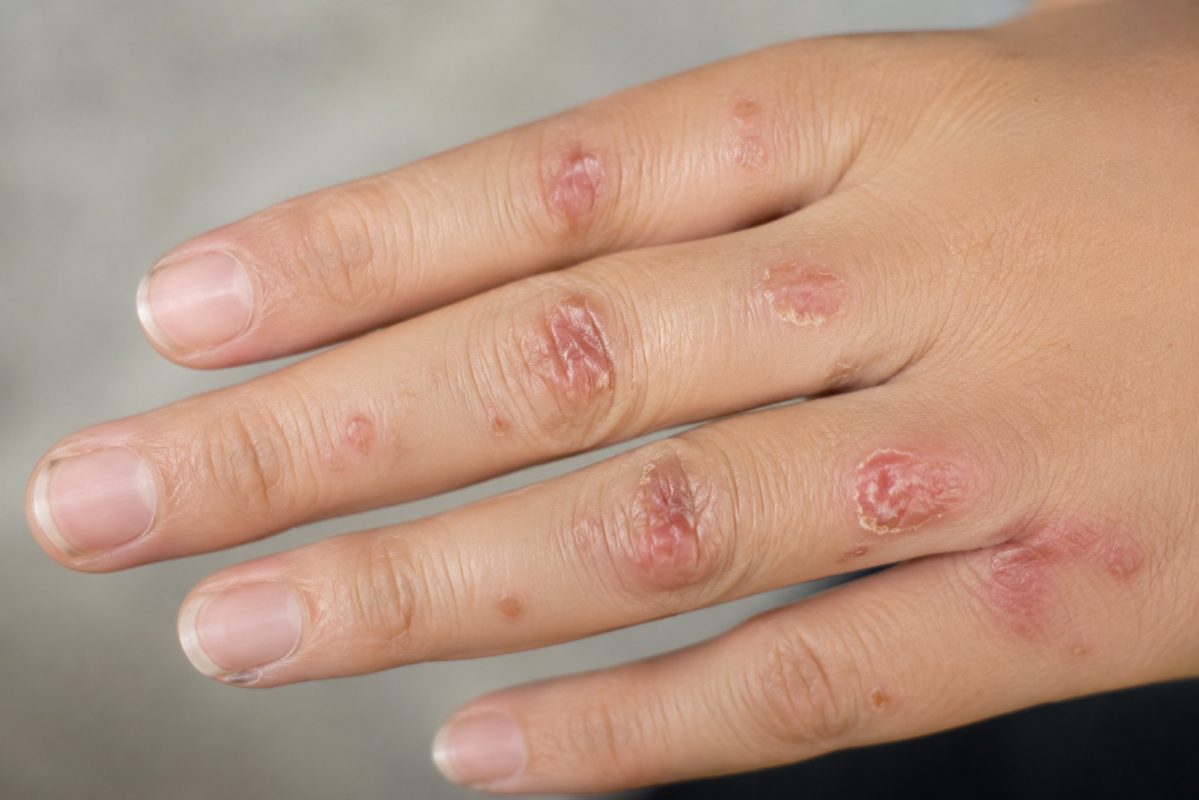
Symptoms vary depending on the infection, but early medical evaluation is important for preventing chronic complications. Common warning signs include:
- Pain during urination
- Genital discharge
- Genital itching
- Genital ulcers
- Rash on the genitals
- Genital swelling
- Pain during sex
- Bleeding after sex
Some infections may also cause symptoms that overlap with conditions such as yeast infection, genital fungal infection, or scabies.
Why Early Testing Matters
Many sexually transmitted infections remain silent for months or even years. Some people may unknowingly spread infections without experiencing symptoms. Understanding how to know if you have an STD is important because visible symptoms are not always present.
Regular screening can help detect infections before complications develop. A proper STD test may include blood tests, urine tests, or swab samples, depending on the suspected infection. Some individuals may also consider options such as a rapid STD test for faster preliminary screening.
Can Chronic STDs Be Managed?
Although some sexually transmitted infections cannot be fully cured, many can still be managed effectively with proper treatment and medical follow-up. Long-term management may involve:
- Antiviral medication
- Routine monitoring
- Safe sexual practices
- Regular medical reviews
- Immune system management
- Lifestyle adjustments
Understanding how to reduce your risk of STDs and STIs also plays an important role in reducing transmission and reinfection risks.

Managing STDs Early Can Reduce Long-Term Complications
Some sexually transmitted infections can become chronic conditions, especially viral infections such as HIV, genital herpes, HPV, hepatitis B, and hepatitis C. Even curable bacterial infections may still lead to long-term complications when treatment is delayed.
Recognising symptoms early, attending regular screening, and seeking prompt medical care can significantly reduce the risk of chronic health problems and ongoing transmission.
At Dr Chong Clinic, experienced doctors provide confidential consultation, screening, and personalised treatment plans for sexual health concerns. If you are worried about possible exposure, recurring symptoms, or long-term complications, book a consultation for professional assessment and appropriate care.
Frequently Asked Questions (FAQs)
1. Can sexually transmitted infections become chronic conditions?
Yes, some sexually transmitted infections can become chronic conditions. Viral infections such as hiv, genital herpes, hpv, hepatitis B, and hepatitis C may remain in the body long term and require ongoing management.
2. Can curable STDs still cause permanent damage?
Yes, bacterial infections such as chlamydia, gonorrhoea, and syphilis may lead to long-term complications if treatment is delayed. These complications can include infertility, chronic pelvic pain, and organ damage.
3. Can chronic STDs still be treated?
Although some chronic STDs cannot be completely cured, many can still be managed effectively with medication, regular monitoring, and proper medical care to reduce symptoms and complications.
4. Why is early STD testing important?
Early testing helps detect infections before serious complications develop. Many sexually transmitted infections may not cause obvious symptoms in the early stages, making regular screening important for protecting long-term health.
*All images used in this article are AI-generated.