Blog
Pain During Sex: Causes, Symptoms, and When to Seek Help

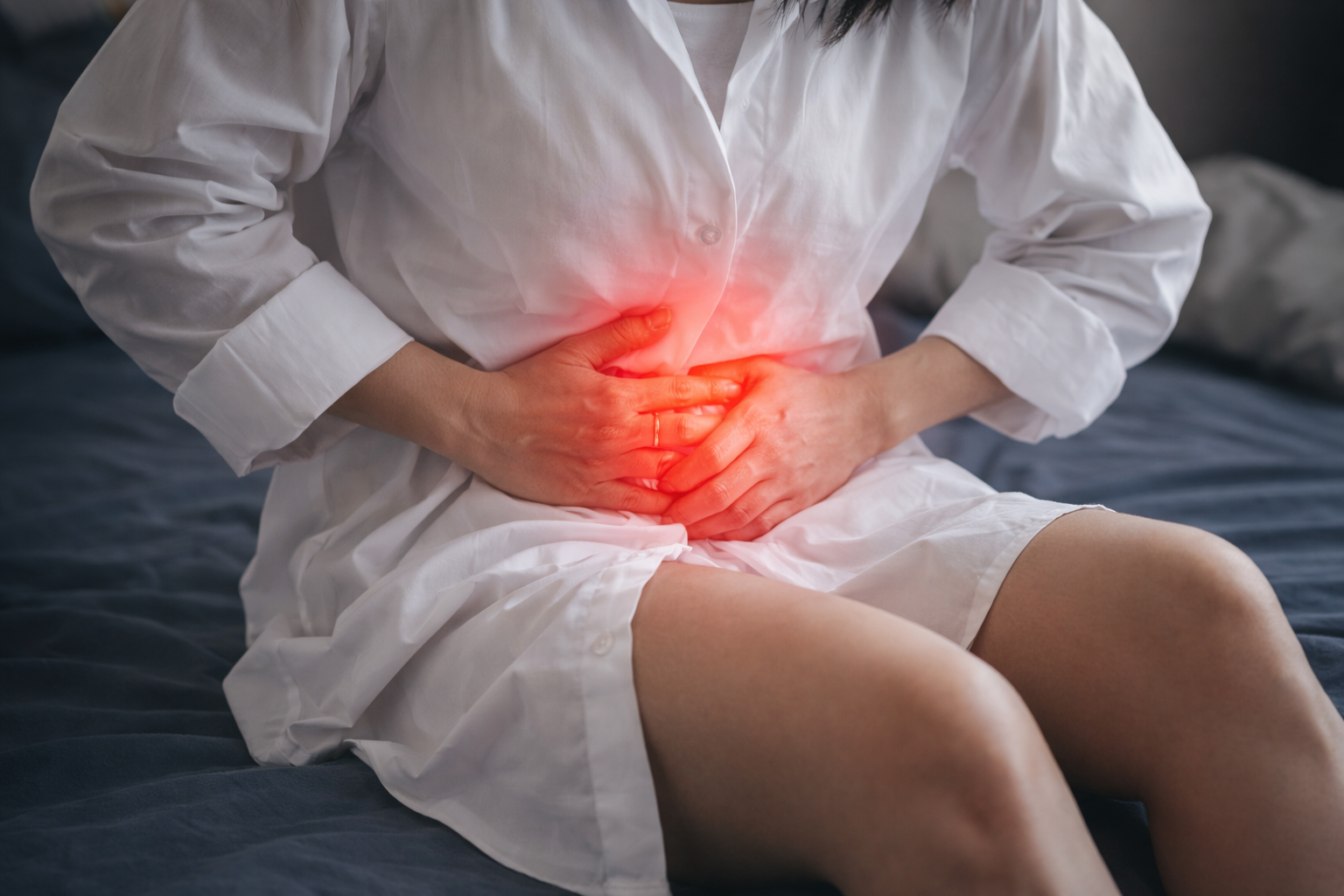
Pain during sex, medically known as dyspareunia, is a common yet often unspoken concern affecting both men and women. While occasional discomfort can happen due to temporary factors, persistent or severe pain should never be ignored. It may signal underlying physical, hormonal, psychological, or infectious conditions that require proper medical attention.
Understanding the possible causes of pain during sex, recognising associated symptoms, and knowing when to seek evaluation can help prevent complications and improve overall sexual and reproductive health.
What Is Pain During Sex?
Pain during sex refers to persistent or recurrent discomfort before, during, or after sexual intercourse. The pain may feel sharp, burning, throbbing, deep, or superficial, depending on the underlying cause. It can occur in:
- The vagina or vulva
- The penis
- The pelvic region
- The lower abdomen
- The anus
Pain may happen with penetration, deep thrusting, or even during arousal without penetration. The location, timing, and severity of discomfort provide important clues about its cause.
Common Causes of Pain During Sex in Women
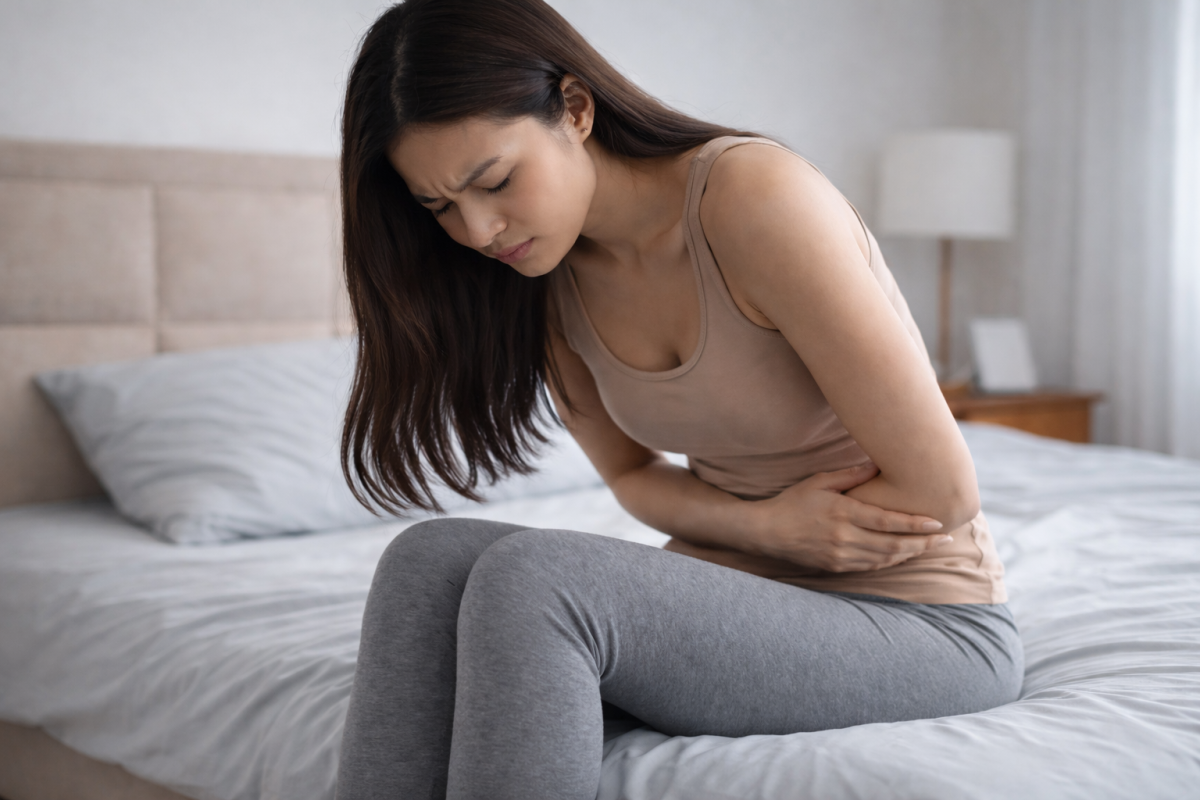
Pain during sex in women can arise from a variety of physical, hormonal, or emotional factors. The discomfort may occur at the vaginal opening, deeper in the pelvis, or throughout intercourse. Identifying the specific cause is essential because treatment varies depending on the issue.
1. Vaginal Dryness
One of the most frequent causes of painful intercourse in women is insufficient lubrication. This can occur due to hormonal changes such as postpartum recovery or menopause, certain medications, or lack of arousal. Vaginal dryness increases friction during penetration, which may result in irritation, burning sensations, and discomfort during or after intercourse.
2. Yeast Infection or Other Fungal Infections
A yeast infection can cause intense genital itching, swelling, and irritation. These symptoms often worsen during intercourse due to friction. Thick white discharge and soreness may also be present. Fungal infections are sexually transmitted, but their symptoms can overlap with early signs of an STD or STI, which is why proper diagnosis is important.
3. Sexually Transmitted Infections (STIs)
Certain STDs and STIs may cause pain during sex, especially when inflammation or ulcers are present. These include:
- Chlamydia
- Gonorrhea
- Genital herpes
- Syphilis
- Chancroid
Some infections cause genital discharge, pain during urination, or genital ulcers, which may contribute to discomfort. Others may be silent in early stages, making regular screening essential if risk factors exist.
4. Pelvic Inflammatory Disease (PID)
Untreated STDs can progress to pelvic inflammatory disease (PID), a serious infection that affects the uterus, fallopian tubes, or ovaries. PID commonly causes deep pelvic pain during intercourse, lower abdominal pain, fever, and abnormal vaginal discharge. Without prompt treatment, it can lead to long-term complications, including infertility and chronic pelvic pain.
5. Vaginismus
Vaginismus is a condition where involuntary muscle spasms occur around the vaginal opening, making penetration painful or impossible. It may be linked to anxiety, trauma, or underlying medical issues. The muscle tightening happens automatically and is not under conscious control, which can make the experience distressing and frustrating.
6. Endometriosis
Endometriosis occurs when tissue similar to the uterine lining grows outside the uterus. Deep pain during intercourse is a common symptom, especially during certain times of the menstrual cycle. This pain may be accompanied by severe menstrual cramps, heavy periods, or chronic pelvic discomfort.
Common Causes of Pain During Sex in Men
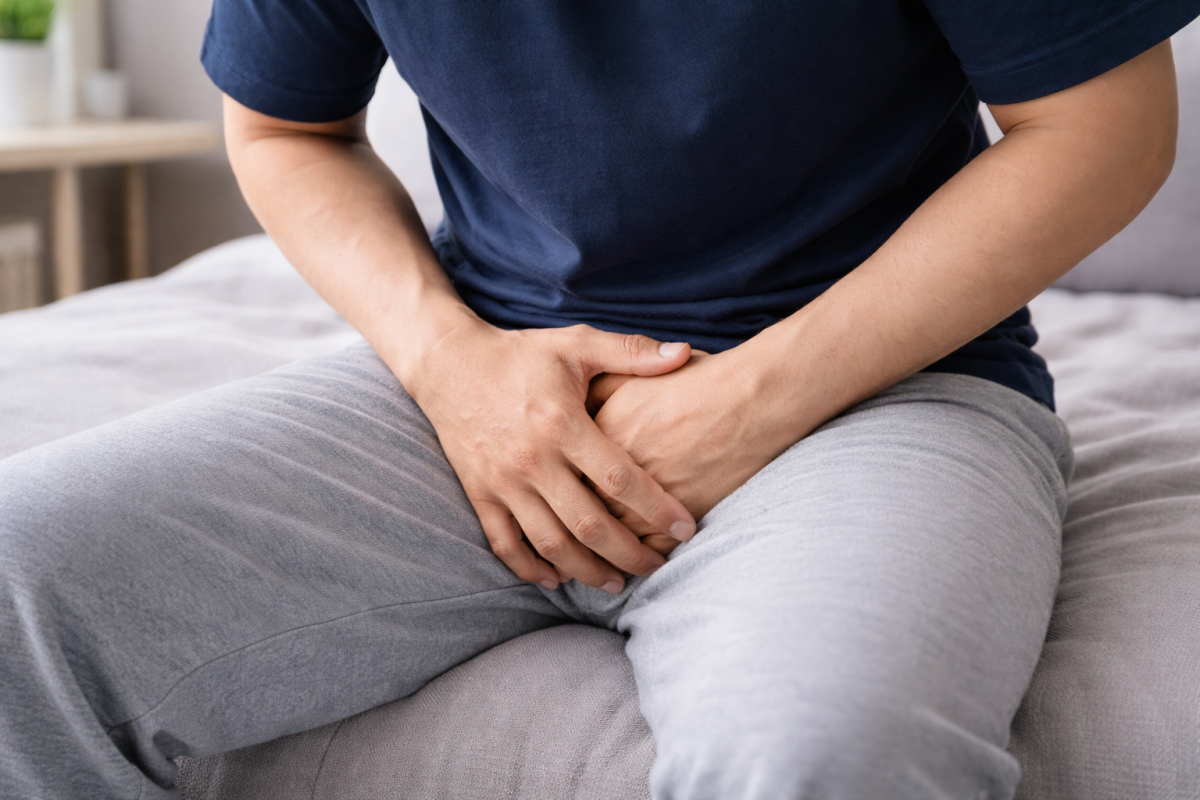
Pain during sex in men can arise from a variety of physical and medical conditions. While occasional discomfort may be linked to friction or temporary irritation, persistent or recurrent pain should not be ignored. Identifying the underlying cause is essential for proper treatment and to rule out infections, including sexually transmitted infections (STIs).
1. Foreskin or Penile Infections
Conditions such as balanitis, fungal infections, or bacterial infections can cause redness, swelling, and irritation of the penis. This can make intercourse uncomfortable or painful. Men can also develop yeast infections, particularly under the foreskin or around the glans penis, which can lead to symptoms including itching, redness, and discomfort during sexual activity.
2. Genital Herpes
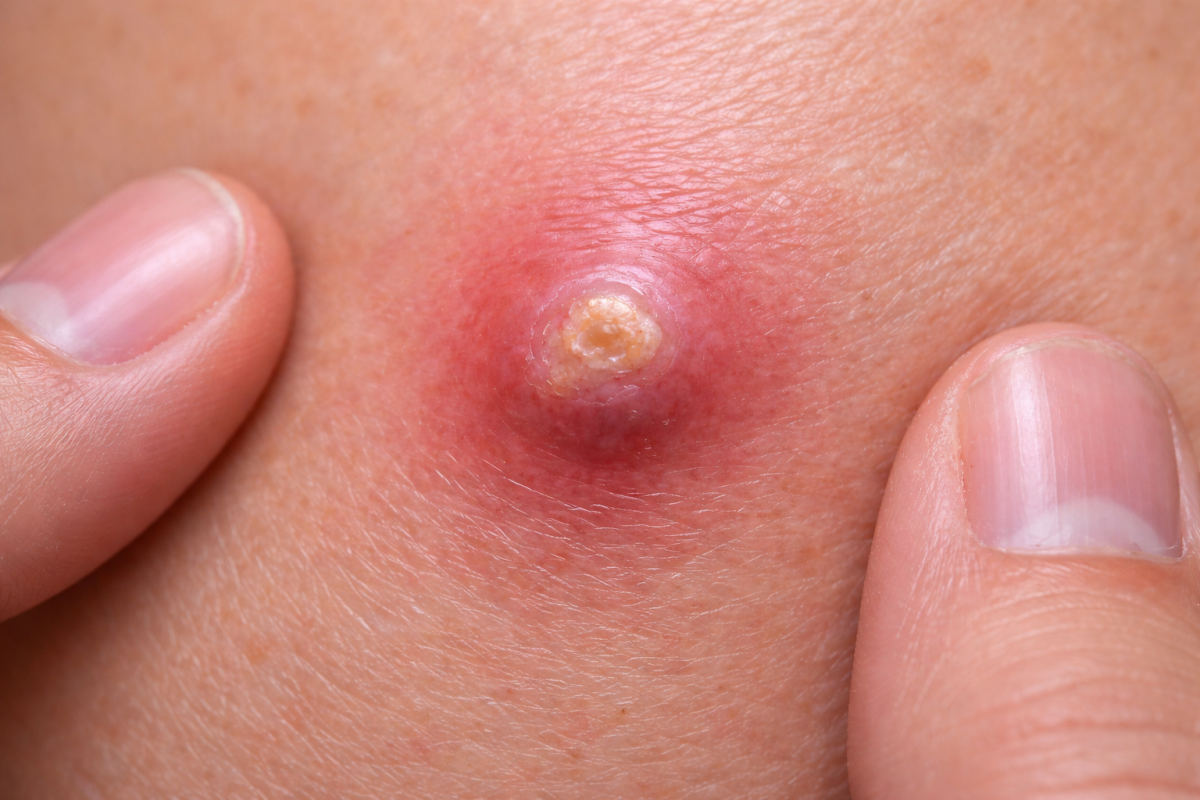
Herpes causes painful blisters or sores that may rupture and form ulcers. Sexual contact during an active outbreak can be extremely painful. Even when sores are small or partially healed, friction during intercourse can worsen irritation and delay recovery.
3. Phimosis
Phimosis occurs when the foreskin is too tight to retract properly. This may cause discomfort, tearing, or pain during intercourse. Recurrent inflammation or infections can further tighten the foreskin, increasing the risk of cracking or bleeding during sexual activity.
4. Prostatitis
Inflammation of the prostate gland can cause deep pelvic pain, discomfort during ejaculation, and pain during sexual activity. Some men may also experience urinary symptoms such as urgency, frequency, or pain during urination alongside sexual discomfort.

Non-Infectious Causes of Pain During Sex
Pain during sex is not always due to infection or an STD. In many cases, it may be related to irritation, underlying medical conditions, or emotional factors that affect comfort and arousal. Understanding these non-infectious causes is important because treatment approaches differ significantly from those used for infections. Other possible causes include:
- Skin irritation from soaps or lubricants
- Allergic reactions to latex condoms
- Psychological stress or anxiety
- Previous trauma
- Scar tissue from surgery or childbirth
- Hormonal imbalances
In some cases, the pain may be multifactorial, involving both physical and emotional components. Addressing both aspects through medical evaluation and, when necessary, supportive counselling can significantly improve comfort and sexual wellbeing.
When Pain During Sex May Indicate an STD
Because pain during sex can overlap with symptoms of sexually transmitted infections, medical evaluation is recommended if you also experience:
- Genital discharge
- Genital ulcers
- Genital swelling
- Pain during urination
- Fever
- Bleeding after intercourse
- A partner diagnosed with an STD or STI
Understanding the difference between sexually transmitted diseases and infections helps clarify risk. An STI refers to the infection stage, which may be asymptomatic. An STD refers to a disease with symptoms or complications. Testing is the only reliable way to confirm infection.
How Pain During Sex Is Diagnosed
Diagnosis begins with a detailed medical history and physical examination. Your healthcare provider may:
- Assess symptoms and sexual history
- Perform a pelvic or genital examination
- Take swabs for infection testing
- Conduct urine or blood tests
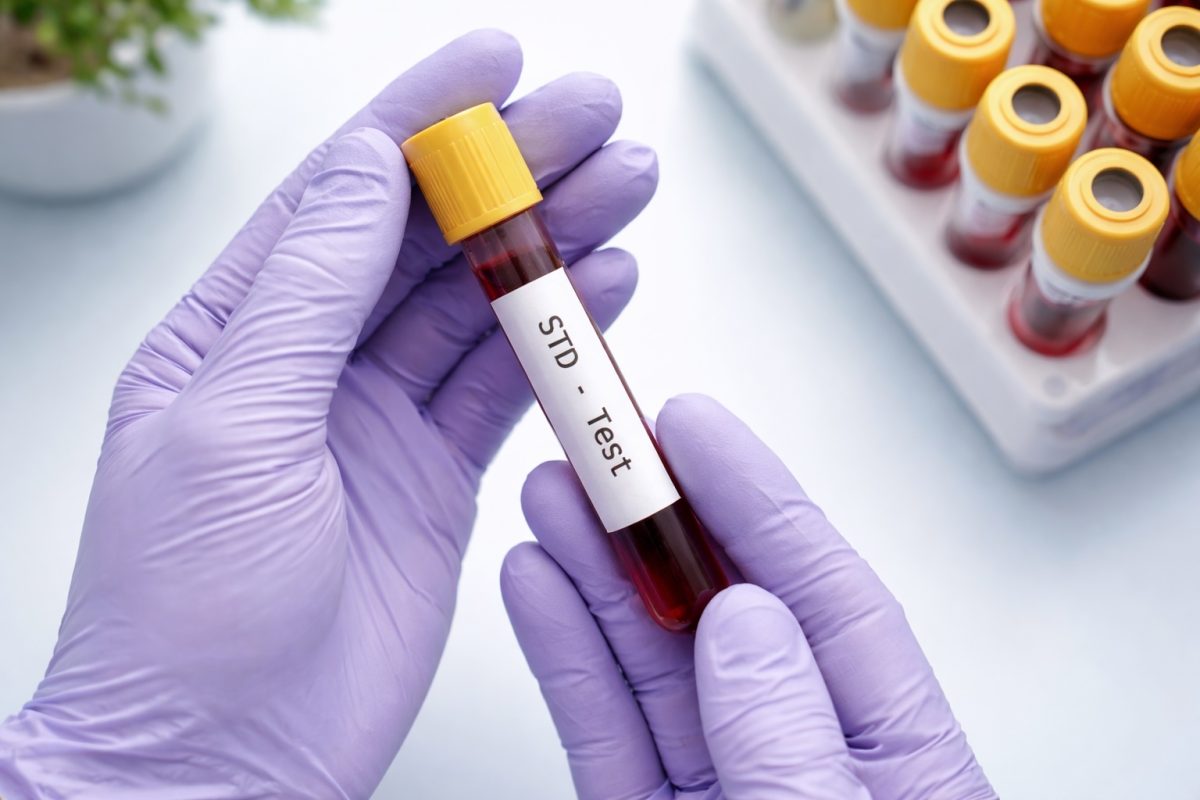
- Recommend STD and STI screening
Testing may include screening for chlamydia, gonorrhea, syphilis, HIV, HPV, Hepatitis B, or other infections if risk factors are present. Proper diagnosis ensures that bacterial infections receive antibiotics, fungal infections receive antifungal treatment, and non-infectious causes are appropriately managed.
Treatment Options
Treatment for pain during sex depends entirely on the underlying cause. A personalised approach ensures that both symptoms and root causes are addressed effectively, preventing recurrence and long-term complications.
For Infections
When pain is caused by an infection, targeted medication is required. Bacterial STDs such as chlamydia or gonorrhea are treated with antibiotics, while antifungal medication is prescribed for yeast infections.
Antiviral medication may be used to manage genital herpes, helping reduce outbreaks and discomfort. Treating infections promptly not only relieves pain but also prevents transmission and complications such as pelvic inflammatory disease.
For Hormonal Causes
If pain is related to vaginal dryness due to menopause, breastfeeding, or hormonal fluctuations, treatment may involve vaginal moisturisers or lubricants to reduce friction during intercourse.
In some cases, hormone therapy may be recommended when appropriate and medically safe. Addressing hormonal imbalance can significantly improve comfort and sexual well-being over time.
For Muscle or Psychological Causes
Conditions such as vaginismus or pelvic floor dysfunction may benefit from pelvic floor therapy, which helps relax and strengthen the muscles involved in intercourse. Counselling or sex therapy can also be valuable when anxiety, stress, or past trauma contribute to pain. A combined physical and psychological approach often leads to the best outcomes.
For Structural Issues
Structural conditions such as phimosis (tight foreskin) may require minor medical procedures to relieve discomfort. In women, treatment for endometriosis or other pelvic conditions may be necessary to address deep or persistent pain. Early intervention can prevent worsening symptoms and improve quality of life.
Avoid self-diagnosis or relying solely on over-the-counter treatments without confirmation, as this may delay proper care and allow underlying conditions to progress. Professional assessment ensures accurate diagnosis, appropriate treatment, and a safe return to comfortable sexual activity.
When Should You See a Doctor?
Seek medical evaluation if pain during sex persists or worsens, if there is bleeding after intercourse, or if you notice sores, ulcers, or unusual discharge. You should also consult a doctor if fever or pelvic pain develops or if a partner has been diagnosed with an STD. Early assessment helps prevent complications and ensures appropriate treatment.

Take Pain Seriously and Seek Proper Care
Pain during sex is not something you should simply tolerate or ignore. While it may be caused by minor irritation, it can also indicate infections, hormonal changes, or underlying medical conditions that require proper treatment. Early evaluation allows for accurate diagnosis, effective management, and improved comfort.
Addressing symptoms promptly protects not only your sexual health but also your emotional well-being and relationships. Dr Chong Clinic provides confidential assessment, STD and STI screening, and personalised treatment in a professional and supportive environment. Book a consultation with Dr Chong Clinic today for appropriate care and peace of mind.
Frequently Asked Questions (FAQs)
1. Is pain during sex always caused by an STD or STI?
No. While sexually transmitted infections such as chlamydia, gonorrhea, genital herpes, or syphilis can cause pain during sex, many cases are due to non-infectious causes like vaginal dryness, hormonal changes, muscle tension, or skin irritation. Proper evaluation is needed to determine the exact cause.
2. Can yeast infections cause pain during sex?
Yes. A yeast infection can cause genital itching, swelling, irritation, and burning sensations that worsen with friction during intercourse. Symptoms may overlap with early signs of an STD or STI, so medical assessment is recommended if discomfort persists.
3. When should I get tested for an STD if I have pain during sex?
You should consider STD testing if pain is accompanied by genital discharge, ulcers, swelling, pain during urination, fever, or if a partner has been diagnosed with an STD or STI. Testing is the only reliable way to confirm infection.
4. Can men experience pain during sex, too?
Yes. Men may experience pain due to conditions such as penile infections, genital herpes, phimosis (tight foreskin), or prostatitis. Persistent discomfort should be evaluated to rule out infections or underlying medical conditions.
*All images used in this article are AI-generated.