Blog
Can STDs and STIs Heal Without Treatment?


Sexually transmitted diseases (STDs) and infections (STIs) are more common than many people realise. A question that often comes up is whether these infections can go away on their own without treatment. The short answer is no.
While some symptoms may seem to improve over time, the infection itself usually remains in the body. Without proper treatment, it can quietly cause complications or be passed on to others. Understanding what really happens is key to protecting your health.
STD vs STI: What’s the Difference?
Before diving deeper, it helps to clarify the terms and understand the difference between STD and STI. An STI (Sexually Transmitted Infection) refers to the presence of an infection in the body, often without noticeable symptoms. An STD (Sexually Transmitted Disease) occurs when the infection progresses and begins to cause symptoms or complications.
In simple terms, an STI is the early stage of an infection, while an STD represents a more advanced stage where the condition is actively affecting the body. This distinction is important because many infections can remain in the STI stage for a long time without obvious signs.
Many infections start silently. This is why someone can feel completely fine and still carry and transmit an infection without knowing it. Without proper testing, these hidden infections may go undetected and continue to spread, increasing the risk of complications over time.
Can Bacterial STDs Heal Without Treatment?
Bacterial STDs rarely go away on their own. In some cases, symptoms may seem to improve or even disappear, which can give the impression that the infection has resolved. However, this is often misleading. The bacteria can remain in the body and continue causing damage quietly over time.
Chlamydia
Chlamydia is often described as a silent infection because many people experience little to no symptoms. Even when symptoms do appear, they are usually mild and can fade on their own, which leads some to assume the infection has resolved. In reality, untreated chlamydia can lead to:
- Pelvic inflammatory disease (PID)
- Infertility
- Chronic pelvic pain
- Higher risk of HIV
In men, it may also cause epididymitis, which can affect fertility and overall reproductive health. Because the infection often goes unnoticed, testing is especially important. Antibiotics are required to fully clear the infection and prevent complications.
Gonorrhea
Gonorrhea may cause noticeable symptoms early on, such as discharge or a burning sensation during urination. However, these symptoms do not always last. In some cases, they may lessen or disappear without treatment, which can give a false sense of recovery. The infection, however, often remains in the body. If left untreated, gonorrhoea can result in:
- Infertility
- Epididymitis
- Pelvic inflammatory disease
- In rare cases, bloodstream infections
With antibiotic resistance becoming more common, proper medical diagnosis and targeted treatment are increasingly important to ensure the infection is fully treated.
Syphilis
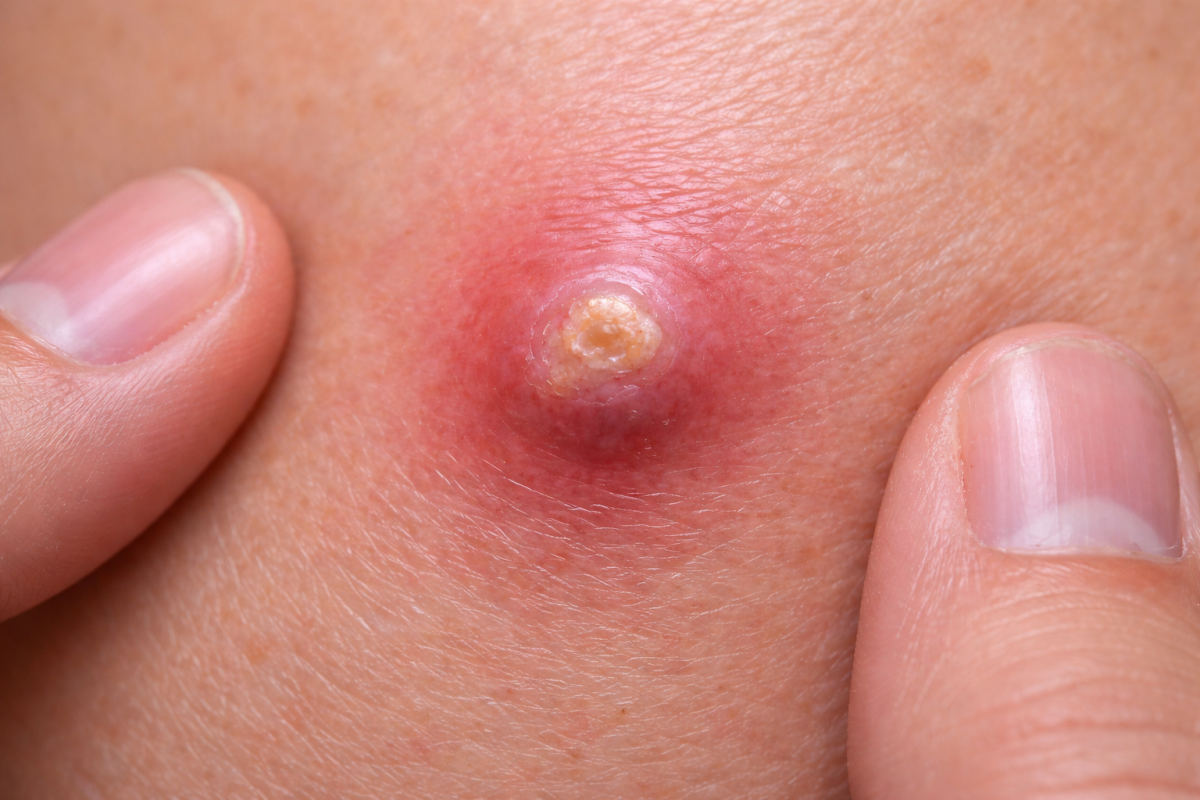
Syphilis progresses in stages. Early symptoms, such as painless sores, may disappear on their own, leading some to believe the infection has healed. However, Syphilis is particularly misleading because its early symptoms can disappear without treatment. A painless sore may heal on its own, which often leads people to believe that the infection has gone away. In reality, the infection continues to progress inside the body. Without treatment, syphilis can eventually lead to:
- Brain and nerve damage
- Heart complications
- Blindness
- Paralysis
In advanced stages, syphilis can become life-threatening. Early treatment is straightforward and highly effective, which is why timely testing is crucial.

Can Viral STDs Heal on Their Own?
Viral STDs behave differently from bacterial infections. They usually remain in the body long-term, even if symptoms come and go. While the body may control the virus to some extent, it typically does not eliminate it.
HIV
HIV does not resolve on its own. It gradually weakens the immune system and, if untreated, can progress to AIDS. With modern treatment, however, people living with HIV can lead long, healthy lives with proper care and monitoring.
Genital Herpes
Genital herpes outbreaks often heal within a few weeks, which can make it seem like the infection has cleared. In reality, the virus remains dormant in the body and can reactivate later. Treatment focuses on managing symptoms and reducing the risk of transmission.
HPV (Human Papillomavirus)
HPV is one of the few infections where the body may clear the virus naturally, especially in younger and healthier individuals. However, not all strains behave the same way. Some high-risk HPV types can persist and increase the risk of cancers. Because there is no way to predict which infections will clear, regular screening remains important.
Hepatitis B
Some adults are able to clear Hepatitis B naturally, but others develop chronic infection. Chronic cases can lead to liver damage, cirrhosis and liver cancer. Vaccination remains the most effective way to prevent infection and its complications.
Can Parasitic STIs Heal Without Treatment?
Parasitic infections typically do not resolve completely without medication. Even when symptoms seem mild or inconsistent, the infection can persist.
Trichomoniasis
Trichomoniasis may cause symptoms that come and go, or in some cases, no symptoms at all. This can make it easy to overlook. Without treatment, it can increase the risk of HIV and continue spreading between partners. A specific course of medication is required to fully clear the infection.
Why Do Symptoms Sometimes Disappear?
One of the biggest misconceptions is that symptoms improving means the infection has healed. For example:
- A syphilis sore may heal
- Genital discharge from chlamydia may lessen
- Herpes blisters may disappear
While these changes can seem reassuring, they do not mean the infection is gone. In many cases, it continues to exist in the body without obvious signs, potentially causing internal damage over time.
Risks of Leaving STDs Untreated
Untreated STDs can lead to serious long-term complications that may affect overall health and fertility. These include infertility, chronic pelvic pain, ectopic pregnancy, an increased risk of HIV, certain cancers such as those linked to HPV, and even organ damage.
In many cases, these complications develop gradually and may not show obvious symptoms until significant damage has already occurred. Some of these effects may not be reversible, which is why early detection and treatment are so important.
When Should You Get Tested?
You should consider STD testing if you have had unprotected sex, have a new or multiple partners, notice symptoms such as discharge, sores, or burning, or if a partner has been diagnosed with an STD. Even if you feel well, regular screening is still recommended because many infections do not show symptoms in the early stages.
As a general guide, sexually active individuals should get tested at least once a year, while those at higher risk may benefit from testing every three to six months. Testing remains the only reliable way to confirm your status and ensure timely treatment if needed.
Can the Immune System Clear STDs?
The immune system may temporarily suppress infections, but it rarely eliminates them. Bacterial STDs require antibiotics, while viral infections often remain in the body and need ongoing management. Relying on the body alone can be risky, as complications may develop without clear symptoms.
Why Early Treatment Matters
Seeking treatment early can make a significant difference in outcomes. It helps shorten recovery time, prevent complications, reduce the risk of spreading the infection, and protect fertility. When treatment is delayed, the infection may continue to progress, increasing the risk of long-term damage and making it more difficult to manage effectively.

Get Tested, Get Treated, Stay Protected
Some infections may appear to improve on their own, but most STDs and STIs do not truly resolve without treatment. Symptoms may fade, but the infection can still be present. If you suspect exposure or notice any symptoms, it is best not to wait. Early testing provides clarity and allows you to take action before complications develop.
Dr Chong Clinic offers confidential STD screening, accurate diagnosis, and personalised treatment. If you have concerns, booking an appointment is a simple step toward protecting your health and peace of mind.
Frequently Asked Questions (FAQs)
1. Can STDs go away without antibiotics?
Most bacterial STDs require antibiotics. Without treatment, the infection usually remains in the body.
2. Can viral STDs heal on their own?
Viral infections like HIV and herpes do not fully go away. Some HPV infections may clear, but not all.
3. If symptoms disappear, does that mean the STD is cured?
No. Symptoms can fade while the infection is still present. Testing is the only way to confirm.
4. When should I get tested for STDs?
After unprotected sex, if you have symptoms, or if you have new or multiple partners. Regular screening is also recommended.
*All images used in this article are AI-generated.