Blog
Penile Discharge: Causes, Symptoms, and Treatment


Penile discharge refers to any fluid that comes out of the urethra, the tube that carries urine and semen out of the penis, outside of normal ejaculation. While some discharge can be normal in certain situations, unusual discharge may be a sign of infection or an underlying medical condition.
Because penile discharge is commonly associated with sexually transmitted diseases (STDs) and sexually transmitted infections (STIs), it should never be ignored. Early evaluation and treatment can prevent complications and protect both your health and your partner’s.
What Is Considered Normal Discharge?
Not all penile discharge is abnormal. Normal discharge includes pre-ejaculatory fluid during arousal and semen during ejaculation. These are typically clear or whitish, occur during sexual stimulation and are not associated with discomfort. The amount can vary and is usually normal.
Abnormal penile discharge occurs without sexual arousal and may appear cloudy, thick, yellow, green, or bloody. It may have an unpleasant odour and be accompanied by pain, burning, itching, swelling, or irritation, and can occur spontaneously.
If discharge occurs outside of normal sexual activity or is associated with discomfort, changes in colour, or other symptoms, medical assessment is recommended to identify the underlying cause and prevent potential complications.
Common Causes of Penile Discharge
Penile discharge is most commonly caused by infections, particularly STDs. However, non-sexually transmitted conditions can also be responsible.
1. Gonorrhea
Gonorrhea is a common bacterial STD that affects the urethra and can spread easily through unprotected sexual contact. It often causes thick, yellow or green discharge and may also lead to:
- Pain during urination
- Swelling at the tip of the penis
- Testicular discomfort
If untreated, gonorrhea can lead to complications such as epididymitis, infertility, and, in rare cases, infection spreading to other parts of the body. Early diagnosis and prompt antibiotic treatment are essential to prevent long-term damage and reduce transmission risk.
2. Chlamydia
Chlamydia is another common bacterial STD that may cause mild or clear discharge. Many men experience a few symptoms, which makes it easy to overlook. Untreated chlamydia can result in:
- Chronic pelvic pain
- Infertility
- Increased risk of HIV transmission
In some cases, it may also lead to epididymitis and long-term reproductive complications. Early testing and appropriate antibiotic treatment are essential to prevent permanent damage and reduce the risk of spreading the infection.
3. Trichomoniasis
Trichomoniasis is caused by a parasite. Although more common in women, men can develop mild discharge and irritation. Symptoms are often subtle or absent. Because symptoms may be mild, the infection can go unnoticed. Testing is important if exposure is suspected.
4. Non-Gonococcal Urethritis (NGU)
NGU refers to inflammation of the urethra not caused by gonorrhea. It may result from bacterial infections, including chlamydia, or other organisms. Symptoms include:
- Clear or cloudy discharge
- Burning sensation during urination
- Irritation at the urethral opening
If left untreated, NGU can lead to persistent discomfort and potential complications. Proper testing is necessary to identify the cause and ensure appropriate treatment.
5. Urinary Tract Infection (UTI)
Although less common in men, urinary tract infections (UTIs) can still occur and may cause penile discharge, especially when the urethra is involved. UTIs are typically caused by bacteria entering the urinary tract and can develop due to poor hygiene, urinary retention, or underlying medical conditions. Symptoms may include:
- Frequent urination
- Pelvic discomfort
- Cloudy or foul-smelling urine
If left untreated, a UTI can worsen and potentially spread to the bladder or kidneys. Early diagnosis and appropriate antibiotic treatment are important to relieve symptoms and prevent complications.
6. Prostatitis
Inflammation of the prostate gland, known as prostatitis, can cause genital discharge, especially after urination or bowel movements. Symptoms may include pelvic pain, lower back discomfort, urinary difficulty, weak urine flow, or frequent urination. Fever and fatigue may occur in some cases. Early evaluation helps determine the cause and proper treatment.
What Does the Colour of Discharge Mean?
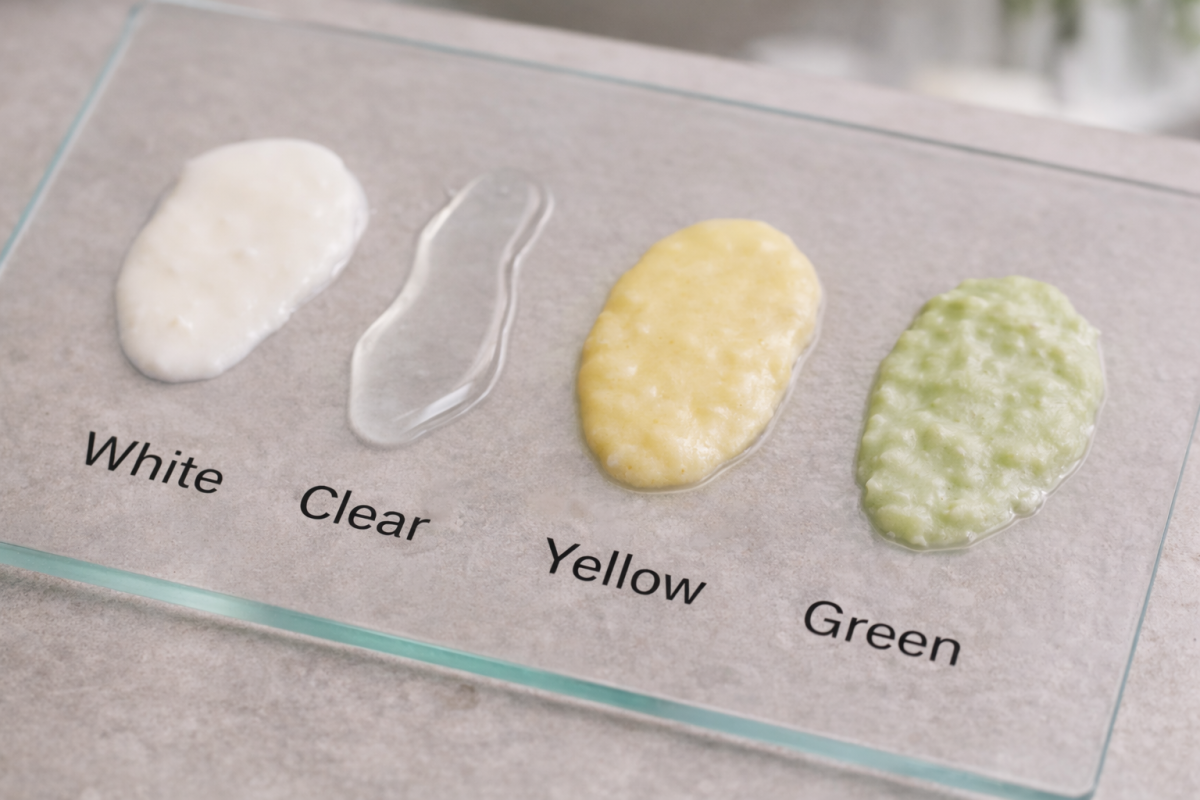
Changes in the appearance of penile discharge can offer useful clinical clues and should not be ignored. The colour and consistency of penile discharge may provide insights into the underlying cause:
- Clear discharge: Often linked to chlamydia or NGU
- Yellow or green discharge: Common in gonorrhea
- White discharge: May indicate infection
- Bloody discharge: Requires urgent medical attention
However, colour alone cannot confirm a diagnosis. Laboratory testing is required for accurate identification. Early medical evaluation ensures appropriate treatment and reduces the risk of complications.
Other Symptoms That May Occur
Penile discharge is often not the only symptom present. Depending on the underlying cause, additional signs of infection or inflammation may develop and should be taken seriously. Recognising these associated symptoms can help prompt earlier diagnosis and treatment.
- Pain during urination
- Genital itching
- Burning sensation
- Swelling or redness
- Testicular pain
- Fever in severe cases
These symptoms may indicate a bacterial STD, urinary tract infection, or other inflammatory condition. If symptoms worsen, spread, or persist beyond a few days, medical evaluation should not be delayed to prevent complications and protect reproductive health.
Is Penile Discharge Always an STD?
While STDs are a common cause, penile discharge is not always sexually transmitted. It may result from bacterial imbalance, prostate inflammation, urinary tract infections, or poor hygiene. However, because discharge can be an early sign of an STD or STI, testing is strongly recommended when it occurs.
How Is Penile Discharge Diagnosed?
Diagnosis typically begins with a detailed medical history and discussion of symptoms, sexual activity, and possible risk factors. This allows the doctor to determine the most appropriate tests and rule out serious conditions early. Diagnosis typically involves:
- Medical history assessment
- Physical examination
- Urine testing
- Urethral swab
- STD screening for gonorrhea, chlamydia, HIV, and syphilis
Additional tests may be performed if prostatitis or urinary tract infection is suspected. Testing helps identify the exact cause so that targeted treatment can be given. Accurate diagnosis ensures faster recovery, reduces the risk of complications, and prevents transmission to partners.
Treatment Options
Treatment depends on the underlying cause, which is why proper diagnosis is essential before starting medication. Different infections require different types of therapy, and using the wrong treatment may delay recovery or worsen symptoms.
- Bacterial infections are treated with antibiotics
- Parasitic infections require specific antimicrobial medications
- Prostatitis may require longer courses of medication
If the cause is an STD, both partners should be treated to prevent reinfection. Sexual activity should be avoided until treatment is completed and symptoms resolve. Completing the full course of medication is essential to ensure successful recovery.
Complications of Untreated Penile Discharge
Ignoring penile discharge can lead to serious complications, including infertility, chronic pelvic pain, epididymitis, increased risk of HIV, and even systemic infection in severe cases. Early treatment significantly reduces the risk of long-term damage and helps protect overall reproductive health.
How to Prevent Penile Discharge Related to STDs
Preventive measures include consistent condom use, limiting sexual partners, regular STD/STI screening, open communication with partners, and seeking medical care early if symptoms appear. Routine screening is especially important because many infections can be asymptomatic and spread without noticeable signs.
When Should You See a Doctor?
You should seek medical evaluation if you notice discharge outside of ejaculation, burning or pain during urination, genital sores or ulcers, or persistent irritation. Even mild symptoms should not be ignored, as early consultation ensures accurate diagnosis and appropriate treatment.

Managing Penile Discharge Safely and Early
Penile discharge is often a warning sign that something is wrong. While some causes are easily treatable, others may lead to serious complications if ignored. If you experience abnormal discharge or other genital symptoms, seek prompt medical evaluation.
Confidential STD screening and early treatment not only protect your health but also prevent transmission to partners. Your sexual health is an important part of your overall well-being. Early action makes all the difference. If you have concerns, schedule a consultation at Dr Chong Clinic for professional evaluation, accurate diagnosis, and discreet treatment.
Frequently Asked Questions (FAQs)
1. Is penile discharge always caused by an STD?
No, penile discharge is not always caused by a sexually transmitted disease. It can result from urinary tract infections, prostatitis, or bacterial imbalance. However, because STDs are a common cause, testing is strongly recommended when abnormal discharge occurs.
2. Can penile discharge go away on its own?
Symptoms may temporarily improve, but the underlying infection often remains. Without proper treatment, conditions such as gonorrhea or chlamydia can lead to complications. Medical evaluation is important to ensure complete recovery.
3. How soon after exposure can penile discharge appear?
Symptoms can appear within a few days to a few weeks after exposure, depending on the infection. Some STDs may remain asymptomatic for longer periods, which is why regular screening is important even without symptoms.
4. Should my partner be tested if I have penile discharge?
Yes. If an STD causes the discharge, your sexual partner should also be tested and treated if necessary to prevent reinfection and further transmission.
*All images used in this article are AI-generated.