Blog
Haemorrhoids: Causes, Symptoms, and Treatment Options

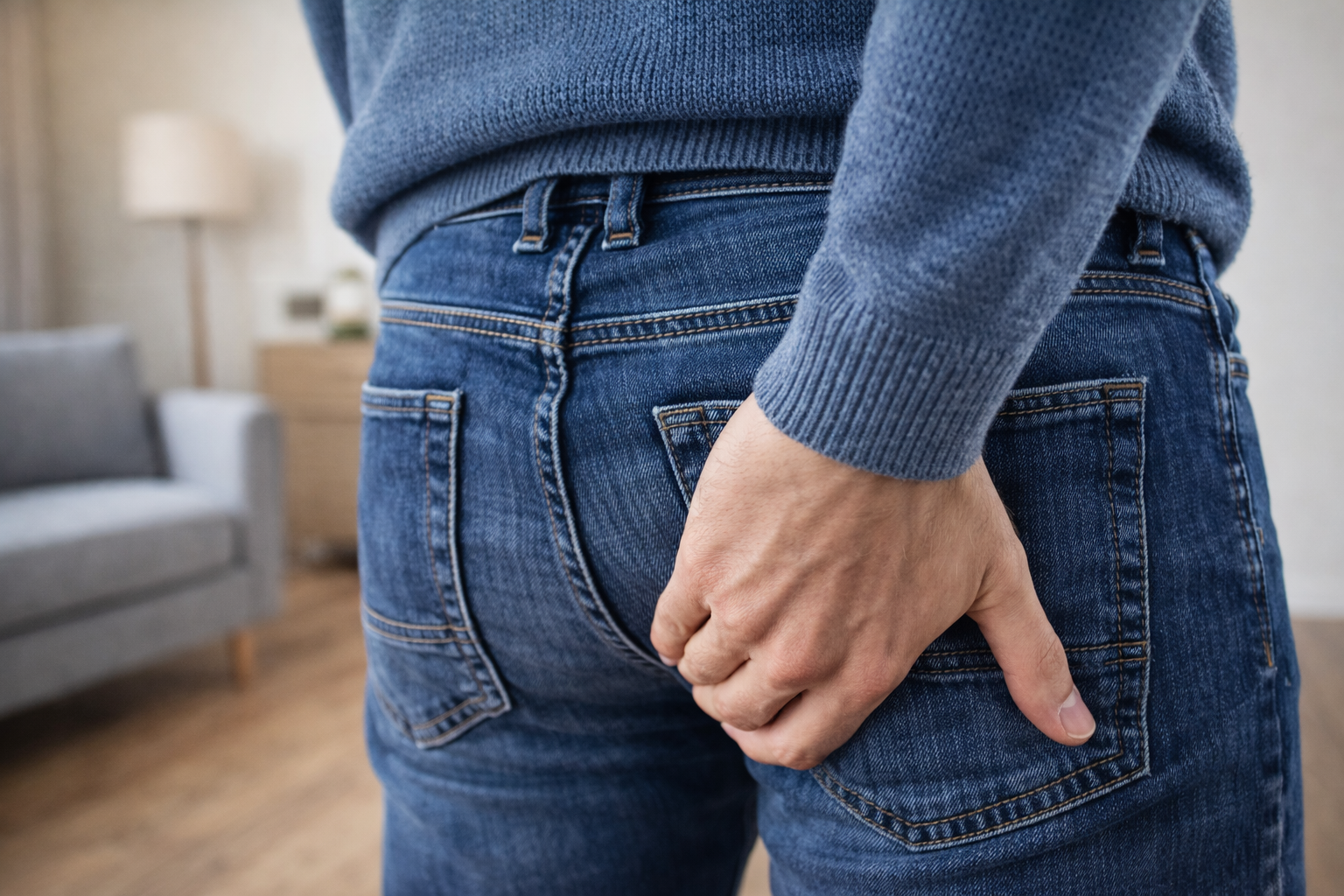
Haemorrhoids, commonly known as piles, are swollen veins in the lower rectum and anus. They are a common condition affecting both men and women, particularly adults over 30. Although they may cause discomfort, itching, or bleeding, haemorrhoids are usually not dangerous and can often be managed effectively with lifestyle adjustments or treatment.
Understanding their causes, recognising the symptoms early, and knowing when to seek care can help prevent complications and improve overall quality of life. Early intervention can also reduce the risk of recurrence and provide faster symptom relief.
What Are Haemorrhoids?
Haemorrhoids are enlarged blood vessels that develop when there is increased pressure in the lower rectal area. They are similar to varicose veins but occur internally or externally around the anus. There are two main types:
Internal Haemorrhoids
These develop inside the rectum and are usually not visible. They typically do not cause pain, but may cause painless rectal bleeding during bowel movements. In some cases, they may also produce a sensation of incomplete evacuation after passing stool.
External Haemorrhoids
These occur under the skin around the anus and can cause pain, swelling around the genital region, irritation, and sometimes blood clots. They are more likely to be uncomfortable when sitting, walking, or during bowel movements.
In some cases, internal haemorrhoids may prolapse, meaning they protrude outside the anus. Prolapsed haemorrhoids may cause discomfort or pain. If left untreated, they can become increasingly swollen and more difficult to push back inside.
Common Causes of Haemorrhoids
Haemorrhoids develop when there is increased pressure on the veins in the lower rectum. Several factors can contribute to this pressure, including:
- Chronic constipation and straining during bowel movements
- Chronic diarrhea
- Pregnancy
- Prolonged sitting, especially on the toilet
- Obesity
- Low-fibre diet
- Frequent heavy lifting
Age is also a contributing factor, as the tissues supporting rectal veins weaken over time. As these supportive structures lose elasticity and strength, the veins are more likely to stretch, swell, and bulge, increasing the risk of developing haemorrhoids, particularly with repeated straining or prolonged sitting.
Symptoms of Haemorrhoids
Symptoms vary depending on the type and severity of haemorrhoids. Common signs include:
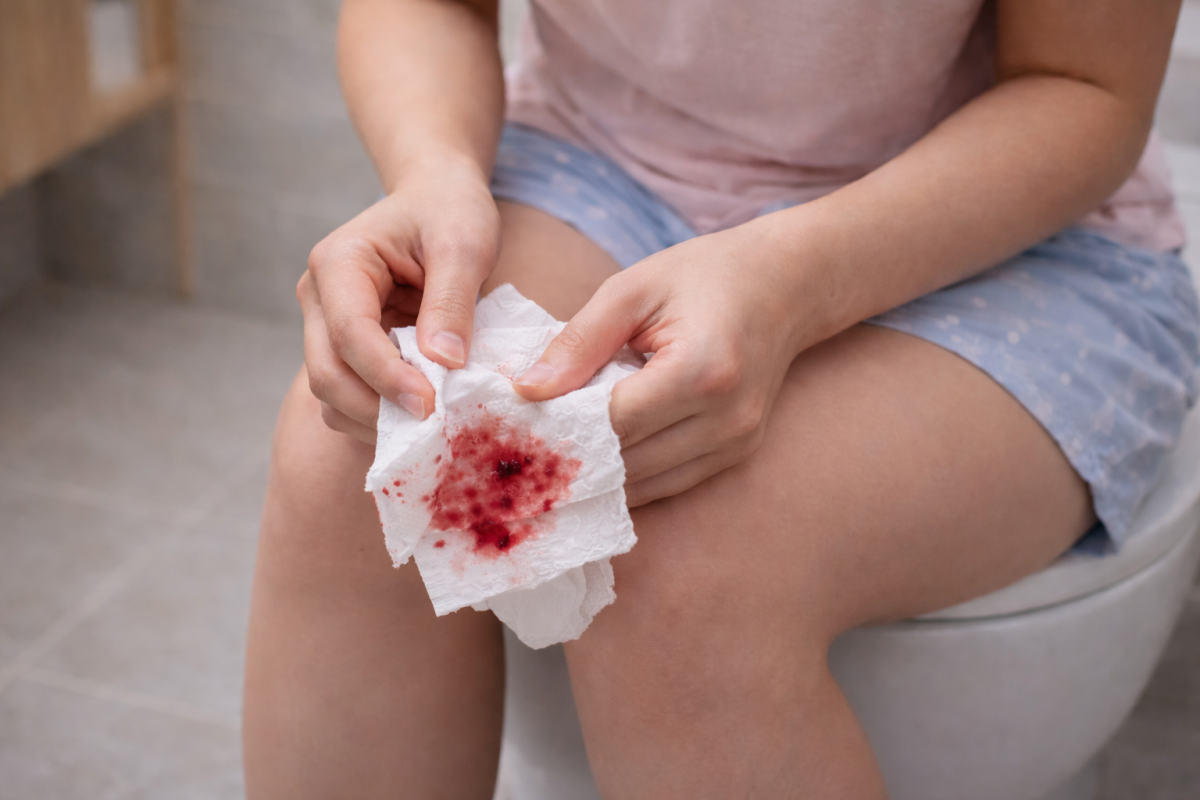
- Bright red blood on toilet paper or in the toilet bowl
- Itching or irritation around the anus
- Pain or discomfort, especially when sitting
- Swelling around the anus
- A lump near the anus that may be sensitive or painful
- Mucus discharge
Internal haemorrhoids usually cause painless bleeding, while external haemorrhoids are more likely to cause pain and swelling. A thrombosed haemorrhoid occurs when a blood clot forms inside an external haemorrhoid, leading to sudden and severe pain.
When to See a Doctor
Although haemorrhoids are common and often mild, certain symptoms require medical evaluation:
- Persistent or heavy rectal bleeding
- Severe pain
- Symptoms lasting more than one week
- Black or tarry stools
- Unexplained weight loss
- Changes in bowel habits
Rectal bleeding should always be properly assessed to rule out other conditions such as anal fissures, polyps, or colorectal cancer.
Diagnosis of Haemorrhoids
A doctor typically diagnoses haemorrhoids through a physical examination and, if needed, a digital rectal examination. For internal haemorrhoids, procedures such as anoscopy or proctoscopy may be used to visualise the rectum. Further investigations, such as a colonoscopy, may be recommended if bleeding is significant.
Treatment Options for Haemorrhoids
The appropriate approach depends on the type (internal or external), the severity of discomfort, and whether complications such as prolapse or thrombosis are present. Early intervention can often prevent progression and reduce the need for more invasive procedures.
Lifestyle and Home Remedies
For mild cases, conservative treatment is often effective. Increasing fibre intake through fruits, vegetables, and whole grains helps soften stools and reduce straining. Drinking sufficient water and avoiding prolonged sitting are equally important. Warm sitz baths and topical creams may relieve discomfort and inflammation.
Medical Treatments
If symptoms persist, minimally invasive procedures such as rubber band ligation, sclerotherapy, or infrared coagulation may be recommended to shrink the haemorrhoids. These procedures are usually performed on an outpatient basis and involve minimal recovery time.
Surgical Treatment
For severe or recurrent haemorrhoids, surgical options such as haemorrhoidectomy or stapled haemorrhoidopexy may be required. Surgery is typically reserved for advanced cases that do not respond to other treatments and can provide long-term symptom relief.
Take Control of Your Rectal Health
Haemorrhoids are common and highly manageable, especially when identified early and treated appropriately. While many cases improve with simple lifestyle adjustments, persistent bleeding, pain, or recurring symptoms should never be ignored. Prompt medical evaluation ensures an accurate diagnosis and helps rule out more serious underlying conditions.
Dr Chong Clinic offers confidential consultation, thorough evaluation, and personalised treatment options for various conditions in a professional and supportive environment. Book an appointment with Dr Chong Clinic today to receive proper care, effective relief, and long-term peace of mind.
Frequently Asked Questions (FAQs)
1. Do haemorrhoids go away on their own?
Mild haemorrhoids often improve within a few days with dietary changes, hydration, and proper bowel habits. However, persistent or severe cases may require medical treatment.
2. Can haemorrhoids cause serious complications?
While usually not dangerous, untreated haemorrhoids can lead to chronic bleeding, anaemia, or thrombosis. Persistent bleeding should always be evaluated by a doctor.
3. Is rectal bleeding always caused by haemorrhoids?
No. Although haemorrhoids are a common cause of rectal bleeding, other conditions such as anal fissures, polyps, or colorectal cancer may also cause bleeding. Proper diagnosis is important.
4. How can I prevent haemorrhoids from coming back?
Maintaining a high-fibre diet, drinking enough fluids, exercising regularly, and avoiding straining during bowel movements significantly reduce the risk of recurrence.
*All images used in this article are AI-generated.