Blog
Genital Trichomoniasis: What You Need to Know


Genital trichomoniasis is a common but often overlooked sexually transmitted disease (STD) and sexually transmitted infection (STI). It is caused by a microscopic parasite called Trichomonas vaginalis. This infection can affect both men and women and is easily transmitted through unprotected sexual contact.
Many people do not realise they are infected because symptoms can be mild or completely absent, even though the infection can still spread to partners. Understanding what trichomoniasis is and recognising early signs of an STD or STI can help you seek timely testing and treatment.
What Is Genital Trichomoniasis?
Trichomoniasis is an STI that spreads primarily through vaginal sexual contact. The parasite infects the genital tract and can affect both men and women. Women are more likely to develop noticeable symptoms, while men may carry the infection without realising it.
Unlike bacterial infections such as Chlamydia, Gonorrhea, and Syphilis, or viral infections like genital herpes, HPV, and Hepatitis B, trichomoniasis is caused by a parasite. However, it still behaves like other STDs and can cause complications if untreated.
How Common Is Trichomoniasis?
Trichomoniasis is one of the most common non-viral STIs worldwide. Because many individuals do not experience symptoms, it often goes undiagnosed. Untreated STDs, including trichomoniasis, can increase the risk of acquiring HIV due to genital inflammation and tissue irritation.
Signs and Symptoms of Genital Trichomoniasis
Symptoms usually appear within 5 to 28 days after exposure, although some people remain asymptomatic. The infection tends to affect women more noticeably, while men are more likely to carry the infection without realising it. This difference contributes to ongoing transmission between partners.
In Women
Women are more likely to experience noticeable symptoms when infected with genital trichomoniasis. These changes often affect the vaginal area and may cause discomfort in daily activities or during intercourse.
- Yellow-green or frothy genital discharge
- Strong vaginal odour
- Genital itching or irritation
- Pain during urination
- Discomfort during intercourse
- Genital swelling or redness
These symptoms can resemble a yeast infection, which may lead to misdiagnosis. If symptoms persist, proper testing is necessary rather than self-treatment.
In Men
In men, genital trichomoniasis is often less noticeable, which makes it easier to overlook. Many men may carry the infection without realising it, especially when symptoms are subtle or short-lived. Men may notice:
- Mild penile discharge
- Burning after urination or ejaculation
- Genital itching
- Irritation inside the penis
Because symptoms in men are often mild, the infection can be unknowingly transmitted to partners. Even in the absence of clear symptoms, testing is important if there has been potential exposure, as early detection helps prevent reinfection and further spread.

Complications of Untreated Trichomoniasis
When trichomoniasis is not diagnosed and treated early, it can lead to ongoing inflammation and increase vulnerability to other sexually transmitted infections. Like many untreated STDs, the longer the infection persists, the higher the risk of complications affecting reproductive and overall health. If left untreated, trichomoniasis may lead to:
- Increased risk of HIV infection
- Pregnancy complications
- Pelvic inflammatory disease
- Chronic genital discomfort
Other untreated STDs, such as chancroid, genital ulcers, gonorrhea, and syphilis, can cause serious long-term reproductive damage, infertility, and systemic health complications if medical care is delayed.
Diagnosis and Testing
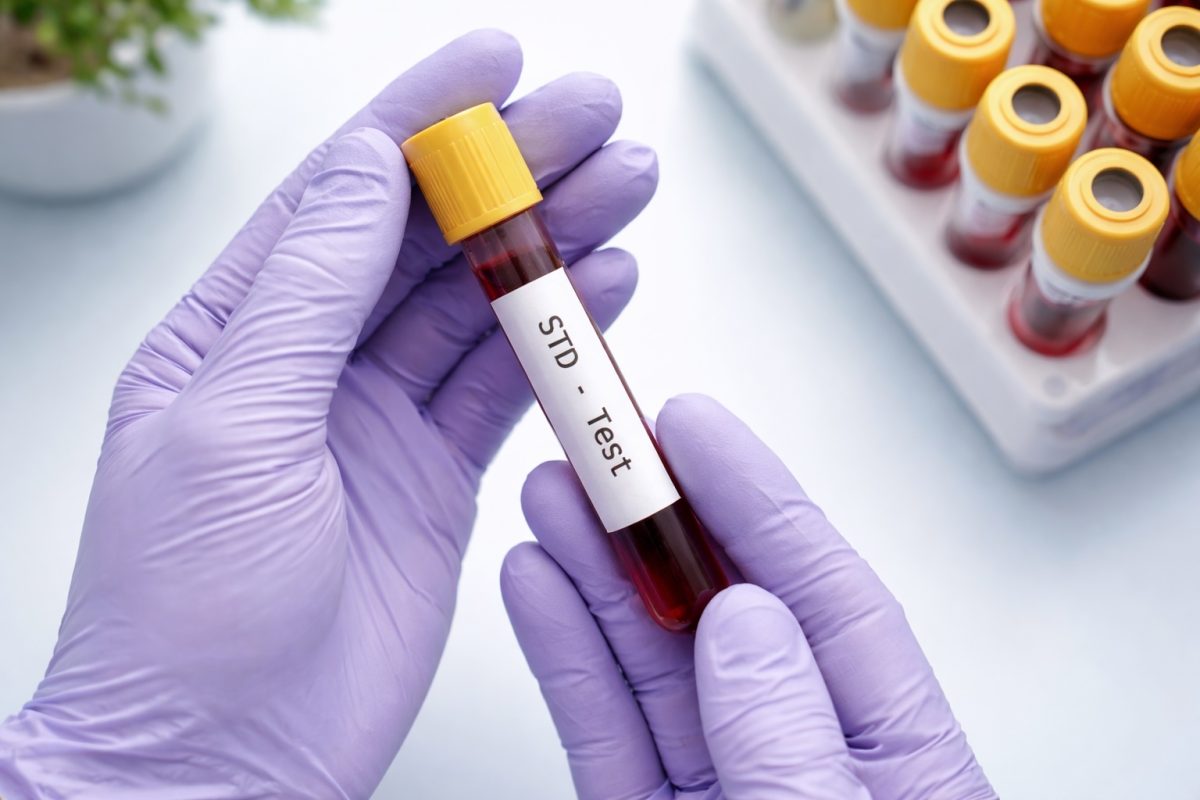
Accurate diagnosis is essential because trichomoniasis shares similarities with other STD/STI conditions and may be mistaken for a yeast infection or other causes of genital irritation. Since symptoms alone cannot confirm whether you have an STD, proper medical testing is required.
- Vaginal swab testing
- Urine testing
- Laboratory microscopy
- Rapid antigen testing
Doctors may also recommend screening for other STDs such as HIV, Hepatitis B, HPV, Chlamydia, Gonorrhea, and Syphilis, as co-infections are possible. Identifying multiple infections early reduces the risk of long-term complications.
Regular screening also addresses the important question: how often should you get STD tested? For most sexually active individuals, annual testing is recommended. More frequent testing may be advised if there are multiple partners, new partners, or symptoms suggestive of early signs of STD/STI.
Treatment Options
Trichomoniasis is treatable with prescription oral antibiotics, most commonly metronidazole or tinidazole. These medications are highly effective when taken correctly and usually clear the infection within a short period. Both partners should be treated at the same time to prevent reinfection, even if one person does not have symptoms.
Sexual activity should be avoided until treatment is completed and symptoms have fully resolved. In some cases, follow-up testing may be recommended to ensure the infection has cleared, especially if symptoms persist or there is a risk of re-exposure.
It is important to avoid alcohol while taking certain antibiotics, as this may cause unwanted side effects. Completing the full course of medication exactly as prescribed is essential for successful recovery and to reduce the risk of complications or ongoing transmission.
Prevention
Preventive measures include practising consistent condom use, limiting the number of sexual partners, and attending regular STD/STI screening, especially if you are sexually active. Open communication with partners about sexual health and testing history also plays an important role in reducing risk.
It is important to seek medical advice early if any symptoms appear rather than waiting for them to resolve on their own or attempting self-treatment. Maintaining good genital hygiene and avoiding high-risk sexual behaviours can further lower the chance of infection. Early detection and timely treatment significantly reduce the risk of long-term health complications.

Understanding and Managing Genital Trichomoniasis
Genital trichomoniasis is common, but it is preventable and treatable when diagnosed early. Stigma and delay in testing often lead to unnecessary complications. If you notice symptoms such as genital discharge, pain during urination, or genital itching, do not ignore them or assume it is a simple yeast infection. Proper testing is the only way to confirm the diagnosis.
Dr Chong Clinic provides confidential STD screening, accurate diagnosis, and effective treatment for trichomoniasis and other sexually transmitted infections. Early testing protects both your health and your partner’s well-being. Book a consultation with Dr Chong Clinic today to take control of your sexual health.
Frequently Asked Questions (FAQs)
1. Is genital trichomoniasis a serious STD?
Genital trichomoniasis is treatable, but it should not be ignored. If left untreated, it can increase the risk of HIV infection, pregnancy complications, and pelvic inflammatory disease. Early diagnosis and treatment help prevent long-term health issues.
2. Can men have trichomoniasis without symptoms?
Yes. Men often have very mild or no symptoms at all. This makes it possible to unknowingly transmit the infection to partners. Regular STD/STI screening is important if there has been potential exposure.
3. How is trichomoniasis different from a yeast infection?
Trichomoniasis is a sexually transmitted infection caused by a parasite, while a yeast infection is caused by fungal overgrowth and is not always sexually transmitted. Although symptoms may appear similar, proper testing is required for accurate diagnosis.
4. When should I get tested for trichomoniasis?
You should consider testing if you experience unusual genital discharge, irritation, pain during urination, or if you have had unprotected sex or a new sexual partner. Even without symptoms, annual STD/STI screening is recommended for sexually active individuals.
*All images used in this article are AI-generated.