Blog
What Is The Most Dangerous STD?

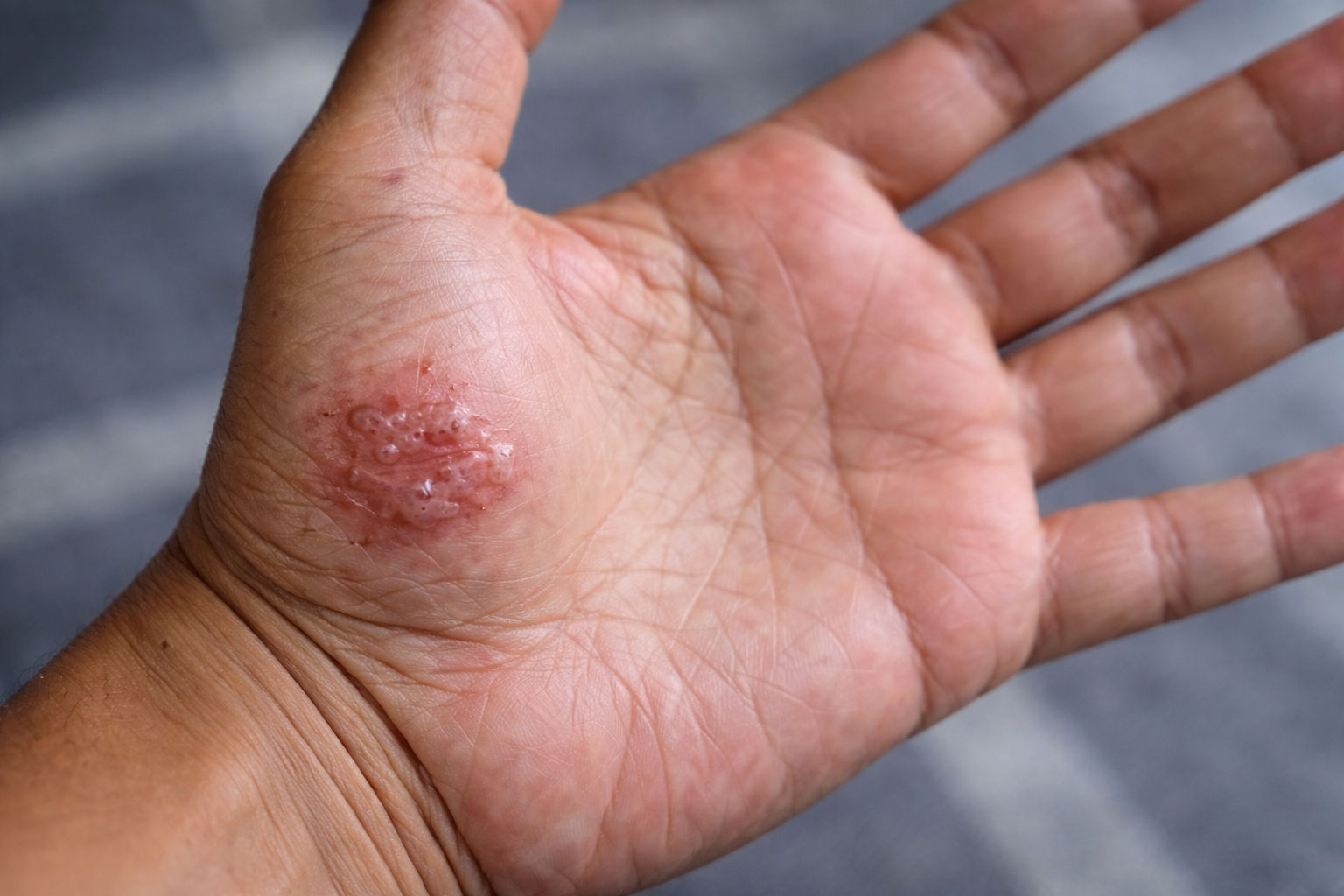
Sexually transmitted diseases (STDs) and sexually transmitted infections (STIs) are common worldwide. While many STDs are treatable, some can cause severe complications if left untreated. A common question patients ask is: What is the most dangerous STD?
The answer depends on how “dangerous” is defined. Some STDs are life-threatening, while others cause permanent reproductive damage or increase the risk of other infections such as HIV. Understanding the risks of different STDs helps you make informed decisions about testing, prevention, and treatment.
What Makes an STD Dangerous?
An STD may be considered dangerous if it has the potential to cause serious, long-term health consequences, especially when diagnosis and treatment are delayed. The level of danger often depends on how the infection affects the body, whether it can be cured, and how early it is detected. An STD may be considered dangerous if it:
- Causes life-threatening complications
- Leads to infertility or long-term reproductive damage
- Has no cure
- Increases the risk of HIV
- Causes severe systemic illness if untreated
Some infections progress silently, meaning individuals may not notice early signs of an STD or STI until complications develop. This is why regular screening is important, even in the absence of symptoms, as early detection significantly reduces the risk of permanent damage.
HIV: The Most Life-Threatening STD
HIV (Human Immunodeficiency Virus) is often considered the most serious due to its long-term impact on the immune system. HIV attacks and weakens immune cells, reducing the body’s ability to fight infections and certain cancers. If left untreated, HIV can progress to AIDS (Acquired Immunodeficiency Syndrome), a life-threatening condition.
HIV is particularly dangerous because it has no cure and permanently affects the immune system. It increases vulnerability to opportunistic infections and certain cancers, and without proper treatment, it can be fatal. However, with modern antiretroviral therapy, individuals diagnosed early can live long, healthy lives and significantly reduce transmission risk.
Syphilis: A Silent and Serious Threat
Syphilis is another STD that can become extremely dangerous if not treated promptly. It progresses in stages and may initially present with mild or painless symptoms before advancing to more severe forms. Because symptoms can disappear temporarily, some individuals mistakenly believe the infection has resolved.
Untreated syphilis can cause serious complications, including neurological damage, cardiovascular problems, blindness, paralysis, and in severe cases, death. It can also affect unborn babies if transmitted during pregnancy, leading to miscarriage, stillbirth, or congenital abnormalities.
Hepatitis B: A Dangerous Liver Infection
Hepatitis B is a viral infection that primarily affects the liver and is transmitted through sexual contact, blood, or bodily fluids. While some individuals recover completely, others develop chronic infection.
Chronic Hepatitis B can lead to long-term liver inflammation, liver cirrhosis, liver failure, and an increased risk of liver cancer. Because of these potentially severe outcomes, it is considered one of the more dangerous sexually transmitted infections. Fortunately, effective vaccination provides strong protection against Hepatitis B.

HPV: The Cancer-Causing STD
Human Papillomavirus (HPV) is one of the most common STIs worldwide. Many strains cause no noticeable symptoms and may clear naturally. However, certain high-risk types are associated with several cancers, including cervical, anal, penile, and throat cancers.
Low-risk strains may cause genital warts, which are not life-threatening but can be uncomfortable and distressing. HPV is particularly dangerous because it often produces no early warning signs, and cancer may develop years after the initial infection. Vaccination significantly reduces the risk of high-risk HPV-related cancers.
Gonorrhea and Chlamydia: A Threat to Fertility
Although gonorrhea and chlamydia are treatable bacterial infections, they can lead to serious complications when left untreated. Both infections may be asymptomatic, especially in the early stages, allowing them to persist unnoticed.
Untreated infections can result in pelvic inflammatory disease in women, infertility, chronic pelvic pain, and ectopic pregnancy. In men, complications such as epididymitis may occur and affect fertility. Because these infections can progress silently, regular testing plays a crucial role in preventing long-term reproductive damage.
Genital Herpes: Chronic but Manageable
Genital herpes is caused by the herpes simplex virus. While it is not usually life-threatening, it can cause recurrent outbreaks and increase the risk of HIV transmission. There is no cure, but antiviral medications can help manage symptoms and reduce the frequency and severity of outbreaks.
Trichomoniasis: Often Overlooked
Genital Trichomoniasis is caused by a parasite and is frequently underestimated. While it is not typically life-threatening, untreated trichomoniasis can increase HIV risk and cause persistent genital inflammation. Because symptoms may be mild or absent, many individuals may unknowingly carry and transmit the infection without timely testing.
So, What Is Truly the Most Dangerous STD?
If defined by mortality risk, HIV remains the most dangerous STD globally. However, other infections can be equally harmful when left untreated. The real danger often lies in delayed diagnosis and untreated STDs. Many infections are manageable with early detection, but complications increase when treatment is postponed.
How to Reduce Your Risk
Preventive measures include consistent condom use, limiting sexual partners, vaccination for HPV and Hepatitis B, and regular screening. Open communication with partners about sexual health history and recent testing can further reduce risk. It is also important to avoid high-risk sexual behaviours and seek medical advice promptly after potential exposure.
Early signs of sexually transmitted diseases and infections, such as genital discharge, pain during urination, genital ulcers, itching, or unexplained swelling should not be ignored. Prompt evaluation and treatment significantly lowers the risk of complications and transmission to others.
How Often Should You Get STD Tested?
For most sexually active individuals, annual testing is recommended. Testing every 3 to 6 months may be advised for those with multiple partners or higher risk exposure. Testing is the only reliable way to confirm whether you have an STD, especially since many infections show no symptoms.
When Should You See a Doctor?
Seek medical evaluation if you experience genital discharge, pain during urination, ulcers, itching, or unexplained swelling. Even without symptoms, routine screening provides reassurance and protects your partner’s health. Early consultation allows for timely diagnosis and treatment, reducing the risk of complications and further transmission.

Protect Yourself With Early Testing and Expert Care
While HIV is often regarded as the most dangerous STD due to its life-threatening potential, the reality is that many sexually transmitted infections can become serious when diagnosis and treatment are delayed. The most dangerous STD is often the one that goes undetected and untreated.
If you are experiencing symptoms, have had recent exposure, or simply want reassurance through routine screening, seeking professional medical advice is essential. Confidential testing, accurate diagnosis, and prompt treatment significantly improve outcomes and prevent further transmission.
Dr Chong Clinic provides comprehensive STD screening, personalised consultation, and evidence-based treatment in a safe and discreet environment. If you have concerns about sexually transmitted infections or want to prioritise your sexual health, book an appointment with Dr Chong Clinic today for professional evaluation and peace of mind.
Frequently Asked Questions
1. What is considered the most dangerous STD?
HIV is generally considered the most dangerous STD because it attacks the immune system and has no cure. Without treatment, it can progress to AIDS and become life-threatening. However, other STDs such as Syphilis, Hepatitis B, and HPV can also cause serious complications if left untreated.
2. Can curable STDs still be dangerous?
Yes. Even treatable infections like Gonorrhea and Chlamydia can become dangerous if ignored. They may lead to pelvic inflammatory disease, infertility, chronic pelvic pain, and pregnancy complications. Early testing and treatment are essential.
3. Which STDs can cause cancer?
Certain high-risk types of HPV are linked to cervical, anal, penile, and throat cancers. Chronic Hepatitis B infection can also increase the risk of liver cancer. Vaccination and regular screening significantly reduce these risks.
4. How can I reduce my risk of getting a dangerous STD?
You can reduce your risk by practising safe sex, using condoms consistently, limiting sexual partners, getting vaccinated for HPV and Hepatitis B, and attending regular STD/STI screenings. Early detection is key to preventing serious complications.
*All images used in this article are AI-generated.