Blog
Pelvic Inflammatory Disease (PID): Causes, Symptoms, and When to Get Tested


Pelvic Inflammatory Disease (PID) is a serious infection of the female reproductive organs, most commonly caused by untreated sexually transmitted infections. When bacteria travel upward from the vagina or cervix into the uterus, fallopian tubes, or ovaries, it can lead to long-term complications such as infertility, chronic pelvic pain, and ectopic pregnancy.
In many cases, PID develops silently. Symptoms may be mild or mistaken for other conditions, which is why recognising the early signs of an STD or STI is essential in preventing the infection from progressing into something more severe.
What Causes Pelvic Inflammatory Disease?
PID is most often linked to untreated infections such as chlamydia and gonorrhea, both of which fall under common sexually transmitted diseases and sexually transmitted infections. Other contributing factors include:
- Infection from genital trichomoniasis
- Bacteria entering the reproductive tract after procedures or childbirth
- Unprotected sexual activity or multiple partners
Since these infections are transmitted through sexual contact, understanding how STDs and STIs spread plays a key role in prevention.
Common Symptoms of PID
The symptoms of PID can range from mild to severe, and in some cases may go unnoticed. However, there are several warning signs to watch out for. Common symptoms include:
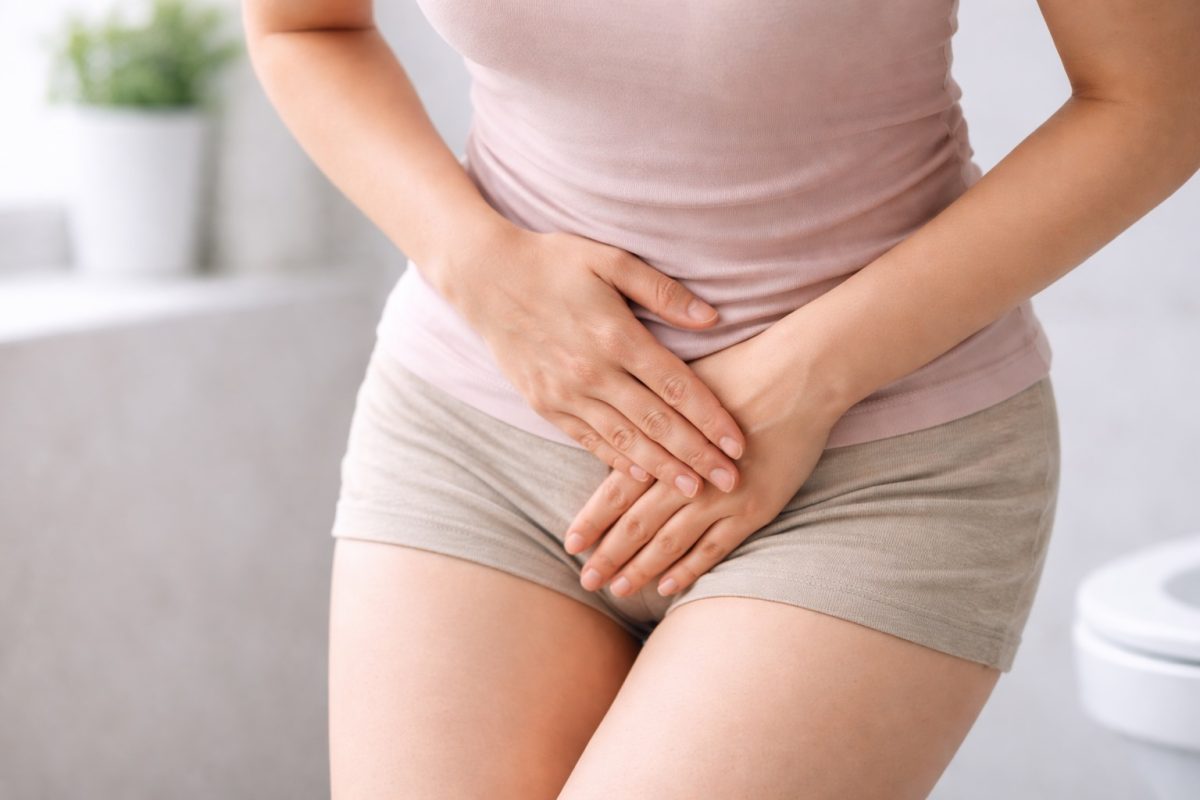
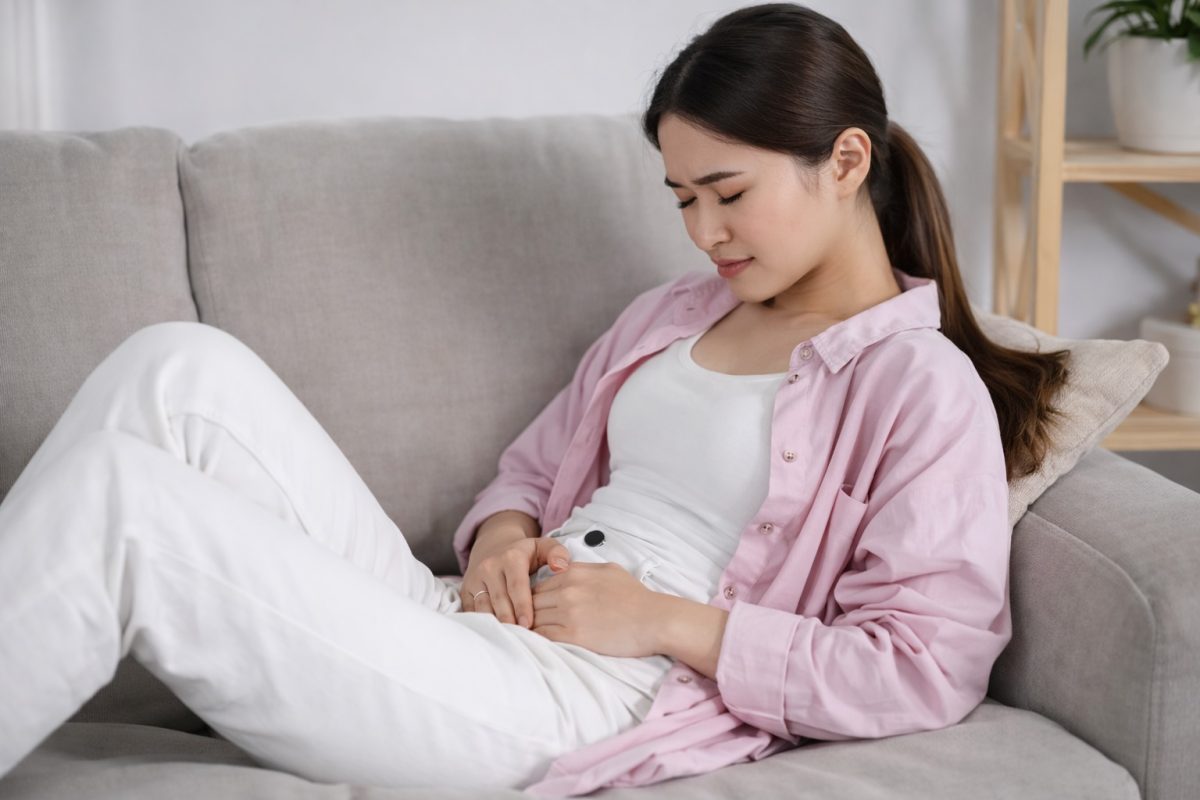
- Persistent lower abdominal or pelvic pain
- Unusual vaginal discharge linked to conditions involving genital discharge
- Pain or discomfort similar to pain during urination
- Discomfort or pain during sex
- Irregular bleeding, including bleeding after sex
Some individuals may also experience:
Because these symptoms often overlap with other conditions, proper diagnosis is essential rather than relying on assumptions.

PID vs Other Conditions
PID is often confused with other infections due to similar symptoms. For instance, distinguishing between a urinary tract infection and a sexually transmitted infection can be challenging, especially when comparing UTI vs STD symptoms. Other conditions that may present similarly include:
This overlap makes self-diagnosis unreliable and increases the risk of delayed treatment.
Complications of Untreated PID
When left untreated, PID can cause serious and sometimes irreversible damage to the reproductive system. Potential complications include:
- Infertility due to blocked or damaged fallopian tubes
- Chronic pelvic pain
- Ectopic pregnancy
Untreated infections can also increase vulnerability to other conditions, includingHIV, particularly when the immune system is weakened. This highlights the importance of addressing untreated STDs early.
In addition, infections such as HPV are associated with long-term risks, including cancer, as discussed in whether STDs can cause cancer.
When Should You Get Tested?
Testing is recommended if you experience symptoms such as pelvic pain, abnormal discharge, or discomfort during urination or intercourse. You should also consider screening if you:
- Have multiple sexual partners
- Engage in unprotected sex
- Notice unusual genital symptoms
Regular screening is essential, especially when following guidance on how often you should get STD tested. Doctors may recommend:
- A standard STD test
- A faster option, such as a rapid STD test
Can PID Heal Without Treatment?
Many people assume infections will resolve on their own, but this is rarely the case. Most sexually transmitted infections require proper treatment, as highlighted in discussions on whether STDs and STIs can heal without treatment.
Self-diagnosing can also lead to incorrect treatment or delays in care, which is why it is important to understand the risks outlined in why you should not self-diagnose STDs or STIs.
How to Reduce Your Risk of PID
Preventing PID starts with consistent and informed sexual health practices. Key steps include:
- Using protection such as condoms, which significantly reduces transmission risk, as discussed in whether condoms prevent STDs and STIs
- Seeking early treatment for infections like syphilis and genital herpes
- Staying aware of any unusual symptoms and acting early
Taking Control of Pelvic Inflammatory Disease (PID)
Pelvic Inflammatory Disease is a preventable condition that often develops from untreated sexually transmitted infections. While symptoms may appear mild at first, the long-term consequences can be serious if left unaddressed, including infertility, chronic pelvic pain, and increased health risks.
Recognising symptoms early and understanding how to know if you have an STD can help guide timely medical intervention. The earlier PID is detected, the better the chances of avoiding complications and protecting your reproductive health.
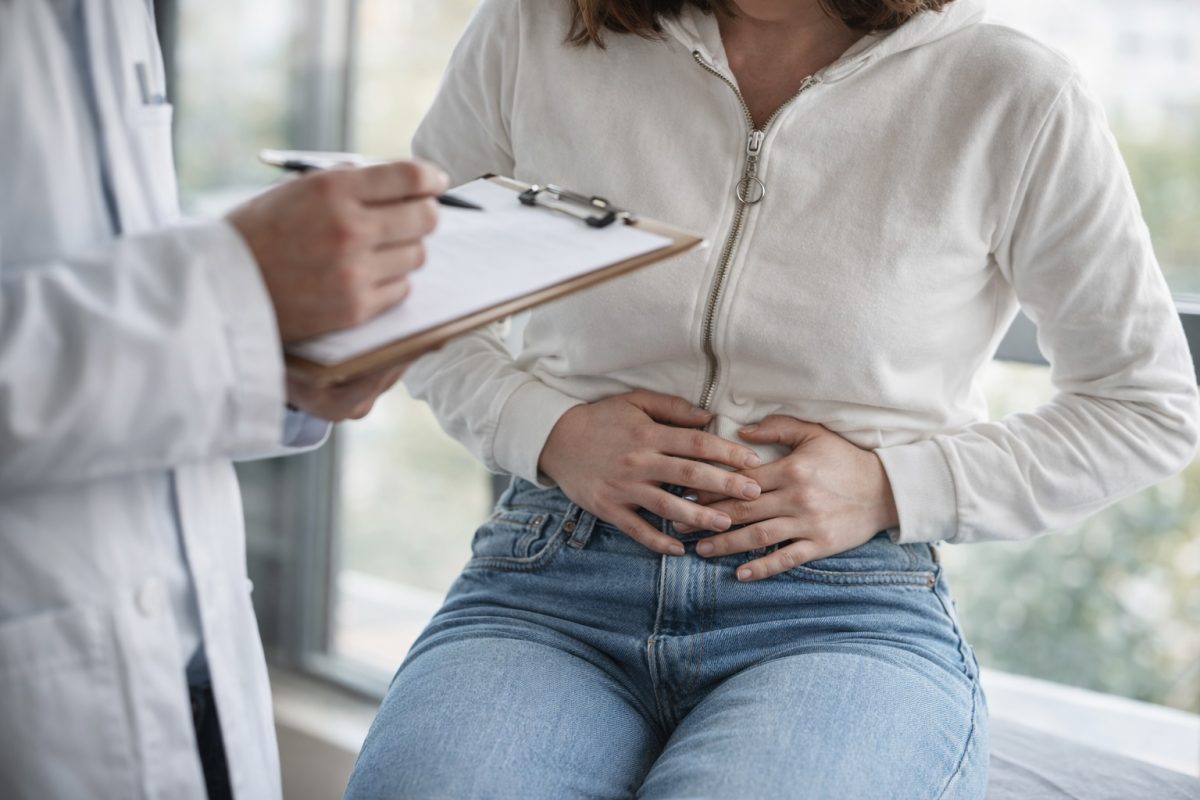
If you are experiencing symptoms or are unsure about your condition, it is always best to seek professional medical advice early. Delaying treatment can allow the infection to worsen, especially in cases where symptoms are not immediately obvious. At Dr Chong Clinic, you can access:
- Confidential consultations
- Accurate STD/STI screening
- Personalised treatment plans
- Rapid testing options for faster results
Taking action early is key. Book a consultation with Dr Chong Clinic today and take control of your sexual health with confidence.
Frequently Asked Questions (FAQs)
1. How do I know if I have Pelvic Inflammatory Disease?
PID symptoms can be mild or go unnoticed. Common signs include pelvic pain, unusual discharge, and discomfort during urination or sex. Because these symptoms often overlap with other conditions, getting properly tested is the most reliable way to confirm a diagnosis.
2. Can PID go away on its own?
No, PID does not usually resolve without treatment. Infections can worsen over time and lead to complications if left untreated, which is why early medical intervention is important.
3. How long does it take for PID symptoms to appear?
Symptoms can develop within a few days or take several weeks, depending on the underlying infection. This delayed onset is similar to how symptoms may appear after exposure to an infection, as explained in how long STD symptoms take to appear after sex, making regular testing important even if you feel fine.
4. Can PID affect fertility?
Yes, untreated PID can damage the fallopian tubes and increase the risk of infertility. This is one of the key reasons why early diagnosis and treatment are essential for protecting long-term reproductive health.
*All images used in this article are AI-generated.